Article Contents:
- 1. Importance of proper material selection
- 1.1. Durability and usability
- 1.2. Appearance and aesthetics
- 1.3. Ecological safety
- 1.4. Economic efficiency
- 2.1. Solid wood
- 2.2. Veneer
- 2.3. Panel wood materials
- Laminated particle board (Laminated Particle Board)
- MDF (Micro-fraction)
- Plywood
- 3.1. Plastic (HPL/CPL)
- 3.2. Acrylic
- 3.3. Enamel and paints
- 4.1. Natural leather
- 4.2. Eco-leather
- 4.3. Fabrics
- 4.4. Modern synthetic coverings
- 5.1. Formaldehyde emission class
- 5.2. Density and thickness
- 5.3. Wear resistance of upholstery fabrics
- 6.1. Cabinet furniture
- 6.2. Kitchen sets
- 6.3. Soft furniture
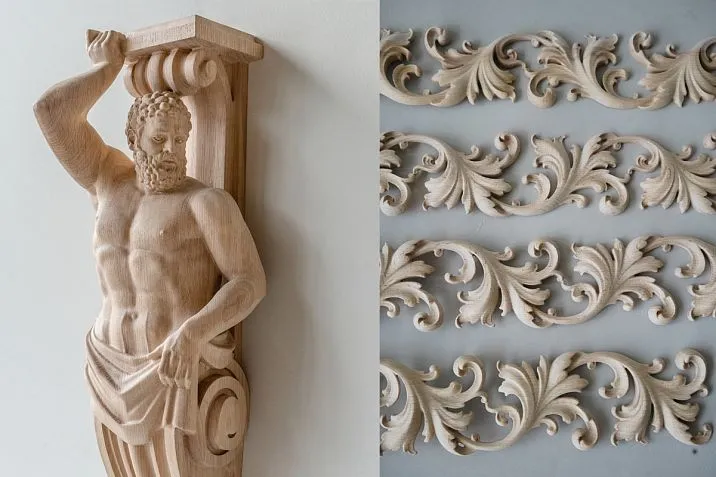
Today's furniture industry is a dynamic and high-tech sector where not only the design and functionality of products are at stake, but also their durability, ecological safety, and economic efficiency. The foundation of any piece of furniture is properly selected raw material, which determines how quality, stylish, and reliable the finished product will be. In this article, we will thoroughly examine the main materials used in furniture production, discuss their characteristics, advantages, and disadvantages, and also explain how to make a proper choice depending on the purpose and style of the furniture.


1. Importance of proper material selection




1.1. Durability and usability
The quality of materials directly affects the lifespan of furniture. A reliable frame, strong filling, and quality finish allow furniture items to retain their properties even under intensive use. If low-quality materials are used, the structure may quickly deform, doors may squeak, and upholstery may lose its appearance within a few years.
Our factory also produces:


1.2. Appearance and aesthetics
Materials for furniture determine its appearance: natural wood gives items warmth and luxury, glossy acrylic coatings – modernity and technology, while textile upholstery creates comfort and coziness. The right choice of materials helps harmoniously integrate furniture into the interior, whether classic, minimalist, loft, or Scandinavian style.
Get Consultation
1.3. Ecological safety
Special attention is paid to the ecological safety of materials. Modern standards require that wooden panels, adhesive joints, and decorative coatings comply with norms regarding formaldehyde and other harmful substances content. Choosing materials with low emission (e.g., E0/E1 class) is especially important for furniture in children's rooms and bedrooms.
1.4. Economic efficiency
In addition to quality, price is an important criterion. It determines the possibility of mass production of furniture for a wide range of consumers. The balance between cost, quality, and durability is a key factor for manufacturers, and a thoughtful choice of material helps optimize the final product's cost.
2. Wood materials: tradition and innovation
Wood has always been the basis of furniture production. Today, several main groups of wood materials can be distinguished:
2.1. Solid wood
Solid wood – this is whole boards or beams made of natural wood, such as oak, beech, ash, birch, pine, and others.
● Advantages:
○ Natural beauty: Unique textures, grain patterns, and natural tones give furniture a distinctive charm.
○ Durability: When properly dried and treated, solid wood items can last for decades.
○ Restorability: Solid wood can be sanded, varnished, and restored, allowing furniture to last longer.
● Disadvantages:
○ High cost: Especially for hardwoods such as oak or ash.
○ Weight: Large solid wood items are often bulky and difficult to transport.
○ Sensitivity to conditions: Solid wood requires a stable microclimate; otherwise, warping and cracking may occur.
Application: Solid wood is used in high-end classic furniture, carved elements, decorative details, and also in custom projects where authenticity and longevity are valued.
2.2. Veneer
Veneer is a thin layer of natural wood that is glued onto a base made of MDF, particleboard, or plywood.
● Advantages:
○ Visual effect of natural wood: Allows creating the appearance of solid wood at significantly lower costs.
○ Economy: Veneer costs are significantly lower than solid wood.
○ Variety: You can choose veneer of various species – from classic oak and beech to exotic options.
● Disadvantages:
○ Thinness: Veneer may chip or peel upon impact or careless handling, exposing the base.
○ Restorability: Replacing a damaged area requires precise material matching.
Application: Veneer is widely used for finishing cabinet fronts, decorative panels, countertops, and doors, where the aesthetic of natural wood is desired without the high cost of solid wood.
2.3. Panel wood materials
MDF (laminated particleboard)
Laminated particleboard is made from pressed wood particles, which are then covered with decorative film.
● Advantages:
○ Affordability: One of the most budget-friendly options.
○ Variety of finishes: Wide range of textures and colors – from wood imitation to solid color options.
○ Easy maintenance: Laminate surface is easy to clean.
● Disadvantages:
○ Limited strength: Especially edges may be vulnerable.
Formaldehyde emission: Quality depends on the manufacturer, so it is important to check the emission class (E1 or lower).
Application: MDF is used to manufacture cabinet bodies, drawers, shelves, as well as some office structures.
MDF (fine particle board)
MDF is obtained by pressing wood fibers with minimal addition of resins.
● Advantages:
Uniform structure: Allows easy routing, creating relief, and complex decorative elements.
Fastener strength: Screws hold better in MDF compared to MDF.
Higher aesthetics: After sanding, the MDF surface becomes smooth and uniform.
● Disadvantages:
Cost: Usually more expensive than MDF.
Weight: MDF is heavier, which may affect transportation and installation.
Need for finishing: MDF often requires coating (enamel, film, veneer) to achieve an aesthetic appearance.
Application: Used for facades, doors, decorative panels, and details where the ability to create complex relief is important.
Plywood
Plywood is a multi-layer material where thin layers of wood veneer are glued together.
● Advantages:
Strength and stability: Provides excellent rigidity at relatively low weight.
Ecological safety: Can be safe when using quality glue and following standards.
Versatility: Suitable for structures where lightness and resistance to deformation are important.
● Disadvantages:
Need for finishing: Plywood in its raw form looks less aesthetically pleasing than solid wood or MDF, so it requires lacquer or paint coating.
Quality may vary: In cheaper grades, voids and uneven gluing may occur.
Application: Used for frames, partitions, as well as in eco-style and Scandinavian design projects.
3. Synthetic and composite materials
3.1. Plastic (HPL/CPL)
Description: Plastic coatings such as HPL (High Pressure Laminate) or CPL (Continuous Pressure Laminate) are applied to an MDF or particleboard base.
● Advantages:
Durability and water resistance: Ideal for kitchens, bathrooms, and countertops.
Wide color palette: Ability to imitate various materials (wood, stone, metal) while maintaining bright solid colors.
Easy maintenance: Smooth surface is easy to wipe clean.
● Disadvantages:
Cost: More expensive compared to basic MDF.
Processing difficulty: Requires special equipment for post-forming and edge banding.
3.2. Acrylic
Description: Acrylic panels or films create a glossy or matte surface with a deep luster effect.
● Advantages:
Modern appearance: Mirror-like or deep matte finish gives furniture a technological and stylish look.
Easy maintenance: Easy to clean, requires no complex care.
Durability: When properly processed and protected, acrylic does not scratch and retains its appearance.
● Disadvantages:
○ Price: Acrylic facades are often more expensive than film-based solutions.
○ Sensitivity: Fingerprints and micro-scratches may be visible on glossy surfaces.
3.3. Enamel and Paints
Description: Facades made of MDF or solid wood can be coated with enamel or paint, creating a rich palette of shades and an eye-catching gloss.
● Advantages:
○ Unlimited design possibilities: Any shade from RAL, NCS scales, glossy or matte finish.
○ High aesthetics: Enamel allows achieving a perfectly smooth surface and deep color.
● Disadvantages:
○ Labor-intensive process: Several stages of priming, sanding, application, and polishing are required, increasing cost.
○ Susceptibility to impacts: Enamel may chip under strong mechanical impacts.
4. Upholstery Materials for Soft Furniture
In addition to frame materials, upholstery plays a significant role in furniture production:
4.1. Natural leather
● Advantages: Aesthetic appeal, durability, easy care with proper maintenance.
● Disadvantages: High cost, requires regular treatment with conditioners, may scratch.
4.2. Eco-leather
● Advantages: More affordable alternative to natural leather, similar appearance, easy care.
● Disadvantages: Less durable, may crack with intensive use.
4.3. Fabrics
● Chenille, flock, jacquard, velvet, rush:
- Each type has its own tactile and visual characteristics, wear resistance, and ease of care. - High Martindale ratings (20–40 thousand cycles) guarantee long service life.
4.4. Modern Synthetic Coatings
● Microfiber and polyester:
- Distinguished by wear resistance, stain resistance, and ease of care. - Often used in office and commercial furniture.
5. Ecological and Technical Parameters
5.1. Formaldehyde Emission Class
Especially relevant for wood panels (MDF, particleboard).
● E0/E1: Accepted standards for residential spaces, minimal health risk.
● E2: Permissible for non-residential spaces, but not recommended for children's or sleeping rooms.
5.2. Density and Thickness
● Material density (e.g., 25–30 kg/m³ for polyurethane foam in seating) affects strength and comfort.
● Panel thickness: For cabinet bodies — 16–18 mm, for countertops — 25–38 mm, for MDF facades — 16–22 mm.
5.3. Wear Resistance of Upholstery Fabrics
● Martindale: The higher the rating, the longer the fabric will retain its appearance under intensive use.
6. Application of Materials in Different Types of Furniture
6.1. Cabinet furniture
● Cabinets, drawers, shelves:
- Most often uses MDF (budget) or MDF (if milling and decoration are required).
- For luxury items – solid wood or veneered fronts.
6.2. Kitchen sets
● Cabinet: Moisture-resistant MDF or MDF with coating.
● Fronts: MDF with PVC film, enamel, or acrylic, veneer for classic style.
● Countertops: HPL, artificial stone, or solid wood.
6.3. Soft furniture
● Frame: Plywood or solid wood, sometimes MDF.
● Fillers: Spring blocks, polyurethane foam, latex.
● Upholstery: High-wear-resistant fabrics, natural or eco-leather.
7. Where to buy and how to choose
When choosing materials for furniture, it is important to pay attention to:
- Assortment and brands: Well-known manufacturers (Egger, Kronospan, SwissKrono for panels; FSC-certified wood for solid wood) guarantee quality.
- Warehouse services: Furniture material centers where you can order cutting, edge banding, and consultations on decor and hardware selection.
- Reviews and reputation: Read opinions from professionals and enthusiasts to avoid low-quality materials.
- Certificate verification: Always confirm emission class and presence of standards (GOST, EN, ISO).
- Price-to-quality ratio: Compare price and quality, consider processing costs and future maintenance.
8. Summary and conclusions
Main materials in furniture production can be divided into several key categories:
● Wood panels: MDF and MDF — budget-friendly and universal solutions for cabinets and fronts, where decor choice plays an important role.
● Solid wood: The premium standard for classic furniture, with unique texture and durability, but requiring significant investment.
● Plywood: Lightweight and strong material for frames and structures, popular in eco-style and DIY projects.
● Synthetic coatings: Plastic (HPL, CPL) and acrylic for kitchens, bathrooms, and modern interiors, providing high moisture and wear resistance.
● Upholstery materials: Natural leather, eco-leather, fabrics (chenille, flock, jacquard) with various wear resistance characteristics, determining the appearance and longevity of soft furniture.
● Fillers: Spring blocks, polyurethane foam, latex, providing comfort and support, and affecting the product’s service life.
When choosing furniture, the key remains the balance between budget, aesthetics, and functionality. High-quality materials and proper manufacturing technology allow creating items that not only enhance the interior but also serve for many years without significant wear. Check certificates, pay attention to reviews, compare assortments of well-known brands, and remember the importance of additional services such as cutting, edge banding, and specialist consultations.
Thus, understanding the main materials in furniture production and their characteristics helps make an informed choice that guarantees high quality, comfort, and longevity of your furniture.