Article Contents:
- 1. Types of Carving on Wooden Mouldings
- Relief Carving
- Solid Carving
- Relief Carving
- Contour Carving
- 2. Regional Features of Carving
- Vologda Region
- Arkhangelsk Region
- Siberia
- Central Russia
- Tips and Ideas for Choosing and Applying Carved Elements for Wooden Houses
- 1. Accounting for the style and architecture of the house
- 2. Material Selection
- 3. Care for Carved Elements
- 4. Using Carved Elements to Create Accents
- 5. Combining Carved Elements with Other Decorative Details
- 6. Using Traditional Motifs
- 7. Custom Orders
- 8. Using Carving for Interior Design
- 9. Inspiration from Past Masters
- 10. Selecting Patterns Based on Purpose
- Stavros – Keepers of Wood Carving Traditions
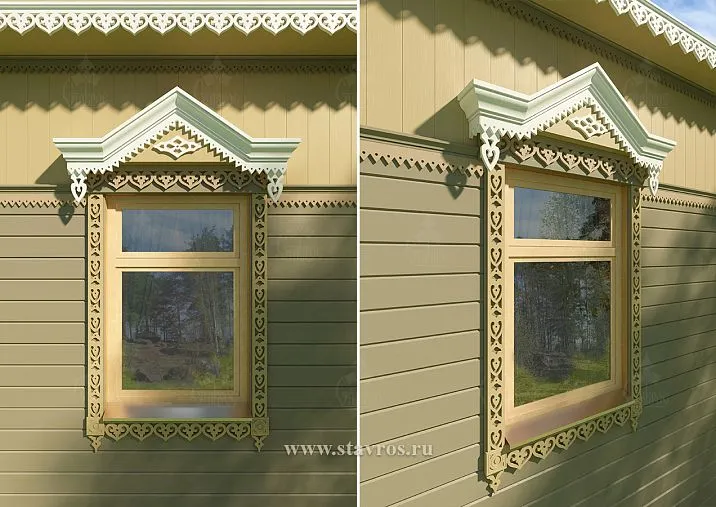
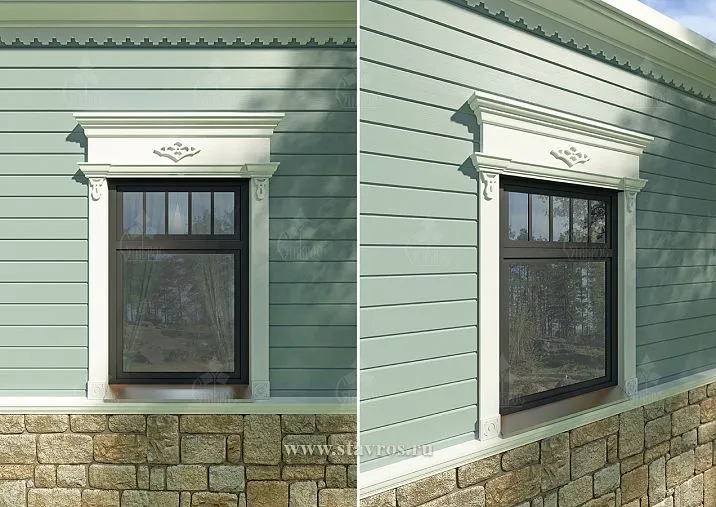
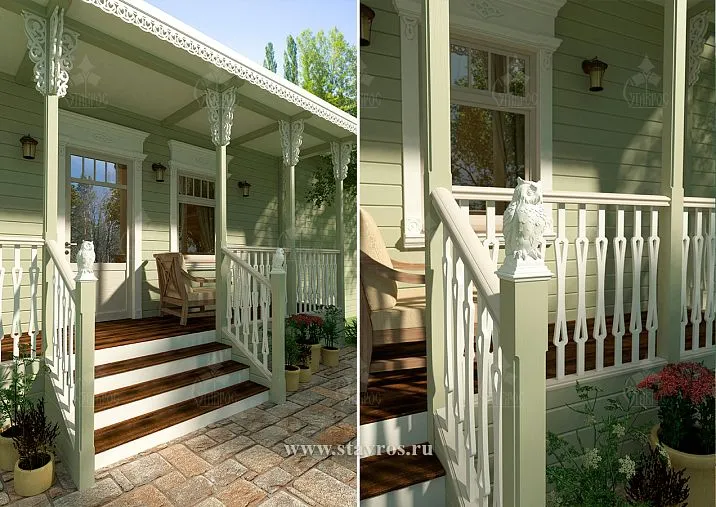
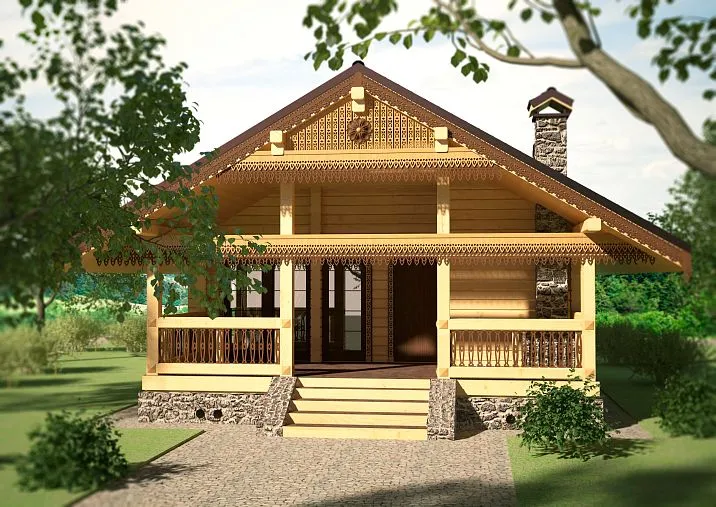
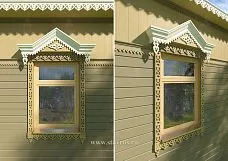
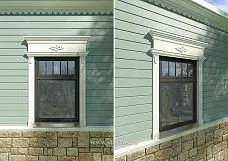
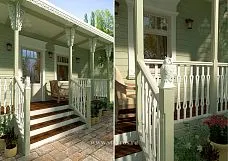
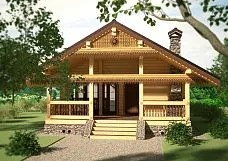
Wooden house ornament and carved mouldings are among the most recognizable elements of traditional Russian architecture. Carved patterns decorating windows, facades, and doors highlight the individuality and aesthetic value of wooden structures, making them expressive and unique. Each type of carving carries unique traditions and characteristics that remain relevant to this day.






1. Types of Carving on Wooden Mouldings
Wood carving has many varieties, each demonstrating unique craftsmanship of carvers and reflecting cultural characteristics.Wooden patterns on mouldings are created using various techniques, from simple geometric ornaments to complex artistic compositions. Let's consider the main types of carving that decorate wooden houses.
Our factory also produces:


Relief Carving
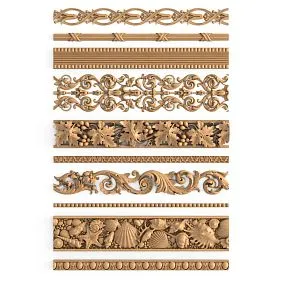
Relief carving is a technique in which patterns are cut through the thickness of the wood, creating an effect of lightness and airiness. Suchpatterns on wooden house mouldings They resemble lace and are often used to decorate window and door openings. This technique requires the craftsman to possess the highest level of skill and precision.
Features of openwork carving:
-
Pattern detailing. The carver carefully works on every detail to create a harmonious and aesthetically pleasing image.
-
Symbolism. Many patterns, such as suns, scrolls, and plant motifs, have protective functions and shield the house from evil spirits.
-
Application. Openwork carving is widely used in central and northern regions of Russia. For example, Vologda craftsmen are known for their refined and detailed work.
Suchpatterns on wooden window casings add lightness and elegance to the house, making it unique.
Get Consultation
Relief carving
Relief carving differs in that patterns are carved into the surface of the wood but do not go through it. This type of carving allows creating volumetric and expressive designs that decorate house facades. Relief carving is used for decoratingpatterns on wooden windows of houses and decorative interior elements.
Features of relief carving:
-
Relief. Patterns are created through deep processing of the wood, allowing to achieve a volumetric and expressive effect.
-
Symbolism and narrative. Relief carving often includes mythological scenes, scenes from everyday life, or images of nature, highlighting the uniqueness of the house.
-
Application. This technique is popular in Siberia and the Urals, where carving decorates massive wooden buildings, emphasizing their strength and resistance to external influences.
More information about relief carving andpatterns on wooden houses can be found on the Stavros website.
Relief carving
Relief carving represents one of the most complex types of carving, in which images are created above the surface of the wood, giving them volume and expressiveness. The carving can be either fine or coarse, creating an effect of a 'living' image. This type of carving is used for decoratingpatterns on wooden window casings, facades, and other elements of the house.
Features of relief carving:
-
Three-dimensionality. The pattern protrudes above the surface of the wood, creating volumetric forms that look impressive against any background.
-
Labor-intensive. Each element requires careful work and patience, as the carving process is complex and time-consuming.
-
Symbolism. Relief patterns may include religious or mythological symbols, as well as scenes from folk epics.
Reliefpatterns on wooden windows of houses are especially popular in northern regions such as the Arkhangelsk Oblast.
Contour carving is a technique in which patterns are created using fine lines, giving any element elegance and style. Contour
Russian wooden patternscan decorate cornices, window sills and other interior elements, emphasizing their decorative value. can decorate cornices, window casings, and other interior elements, emphasizing their decorative value.
Features of contour carving:
-
Elegance and refinement. Contour patterns give a house delicacy and grace.
-
Universality. The technique is suitable for both facade decoration and interior design.
-
Symbolism. Geometric shapes are often used, highlighting harmony and symmetry.
Learn more about contour carving atStavros.ru.
2. Regional characteristics of carving
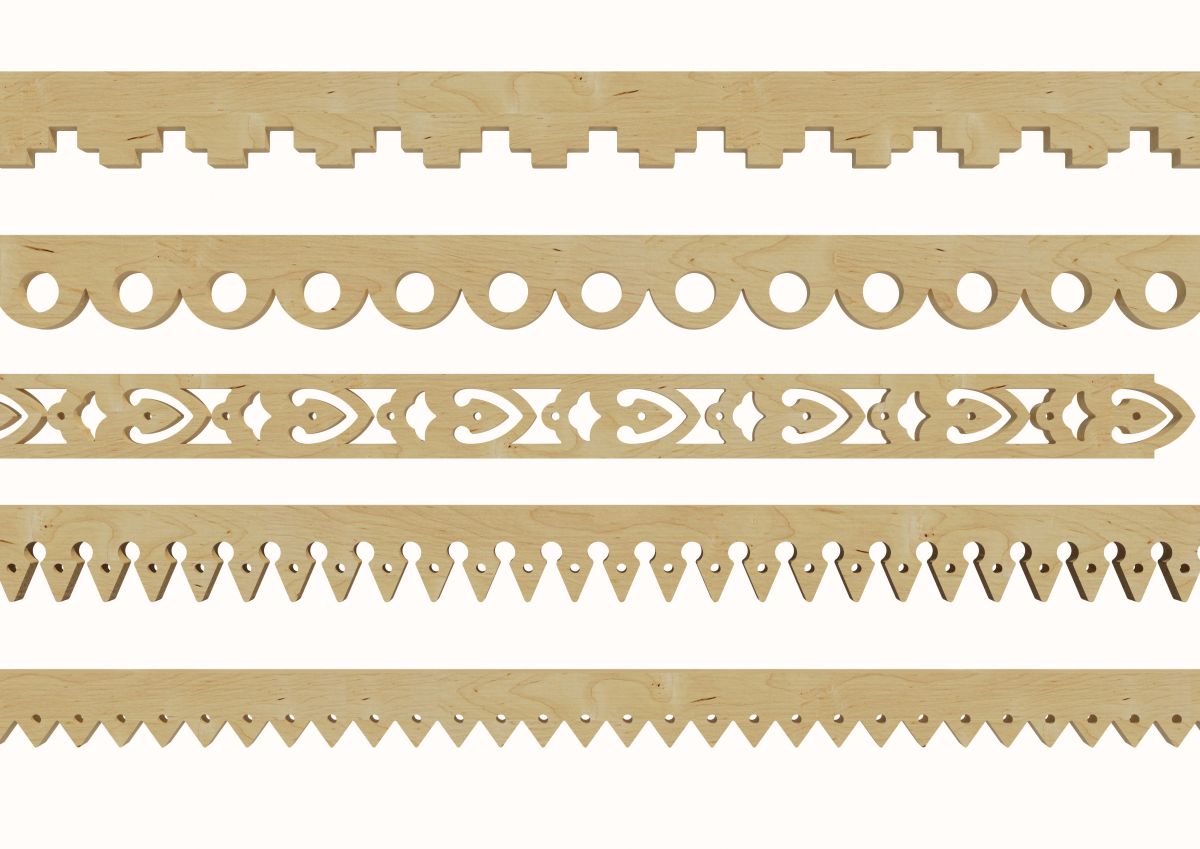
Russian wooden patterns amaze with their diversity and uniqueness depending on the region. Every corner of the country carefully preserves its own traditions and stylistics of wood carving, allowing us to speak of a multifaceted heritage reflecting the richness of culture and craftsmanship of our ancestors.
Vologda Oblast
Vologda masters are renowned for their refined openwork carving, which is a true symbol of the region's decorative art.Patterns on wooden house window sills here can be complex geometric figures, floral ornaments, vignettes, and floral compositions. Such carving makes wooden houses elegant and airy, giving buildings a special 'festive' character. Vologda is one of the most important centers of traditional architecture, and the transmission of skills from master to apprentice occurs over many generations. Special attention is paid to details, allowing the creation of true works of art.
Historically, Vologda carving had not only decorative value but was also considered a protective charm. Geometric and floral patterns could symbolize fertility, prosperity, and protection from evil spirits. Many masters use traditional tools, which gives carving a unique handcrafted touch and warmth. Modern carvers preserve this tradition, combining traditional motifs with new technologies.
Arkhangelsk Oblast
Arkhangelsk Oblast is known for its rich tradition of wood carving, which includes complex relief and flat patterns.Wooden patterns on houses from Arkhangelsk often depict scenes from folk epics, images of the sun, birds, and animals. This carving is characterized by high detail and richness of symbols. It not only decorates house facades but also carries deep protective meaning. The sun in patterns symbolizes warmth and life, birds — protection and freedom, and mythological images serve as symbols of prosperity and luck.
Arkhangelsk carving has its own distinctive features that distinguish it from other regions. Masters of this region pay special attention to the fine detailing of reliefs, creating an incomparable texture and volume in patterns. The uniqueness of the Arkhangelsk school of carving lies in the combination of folk motifs with individual craftsmanship of carvers, who turn every piece into art.
Siberia
Siberian wood carving is known for its massiveness, expressiveness, and durability.patterns on wooden window casings in this region are executed in relief technique, emphasizing the strength and stability of buildings. Siberian wood carving tradition originates from harsh climatic and natural conditions, which is reflected in design and style. Patterns often feature large, powerful lines that emphasize the character of buildings.
In addition to relief patterns, Siberian masters are known for their ability to give carving expressiveness and dynamism. Decorative elements here not only decorate but also serve as symbols of protection and resilience of the house. Carving includes images of animals, plant motifs, and geometric shapes that symbolize harmony with nature and the strength of spirit.
Central Russia
Central Russia is renowned for its variety of patterns and richness of decorative motifs.Wooden architecture patterns here include both geometric and floral ornaments, emphasizing harmony and connection with nature. Carved elements on houses often depict flowers, leaves, tree branches, and other natural motifs, creating an atmosphere of coziness and warmth.
A distinctive feature of the Central Russian school of carving is its focus on creating complex, multi-layered compositions. Masters often combine different carving techniques to give patterns depth and uniqueness. This approach allows preserving traditions passed down from generation to generation, while incorporating elements of modernity.
For more information about traditions and styles of carving, visitStavros.ru.
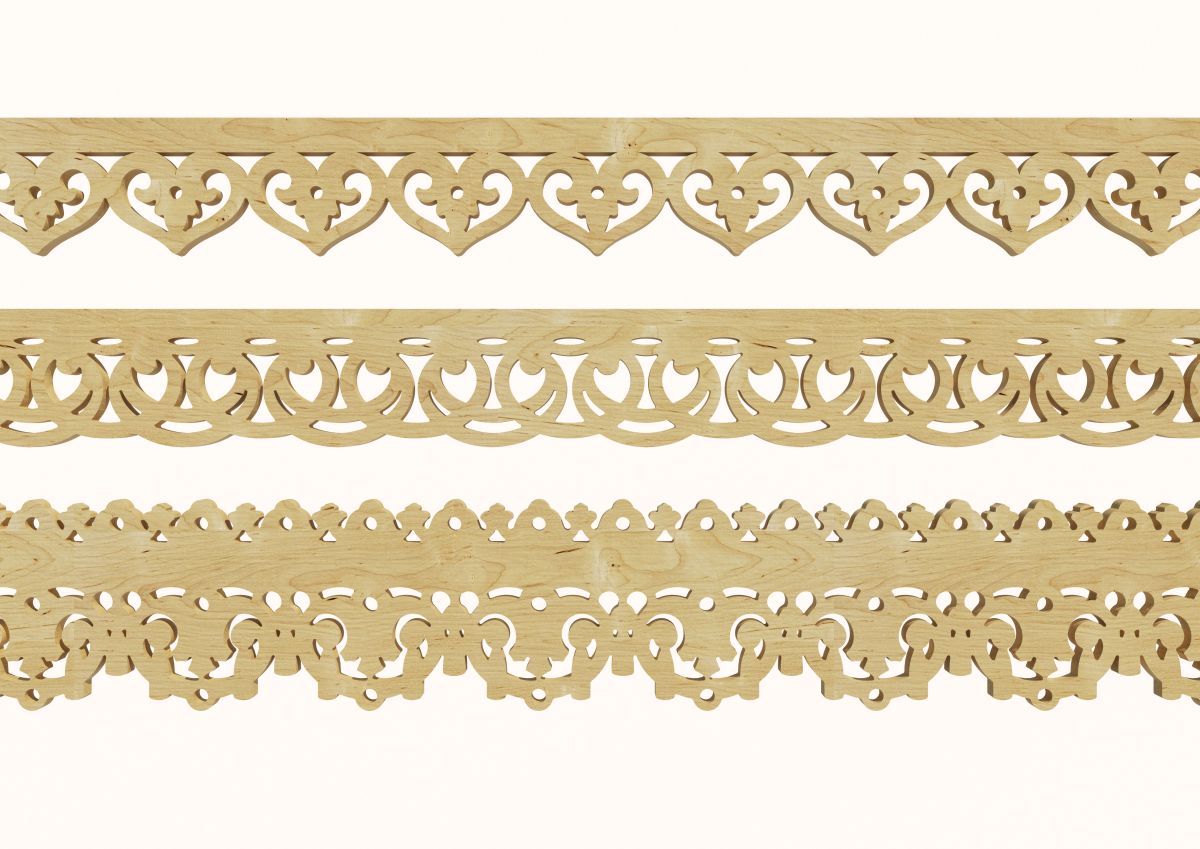
Advice and ideas for selecting and applying carved elements for wooden houses
1. Consider the style and architecture of the house
Before choosingpatterns on wooden windows of houses and other carved elements, it is important to consider the overall style of the house. If your house is built in a traditional Russian style, intricate pierced or relief patterns with floral motifs will suit well. For modern houses, minimalist outline patterns are better suited, as they emphasize the elegance and simplicity of the façade. Also, pay attention to the combination of carved elements with the rest of the house’s architecture to avoid overloading.
2. Material selection
Carved elements made of wood are created from various types of wood: oak, pine, larch, and others. It is important to choose wood suitable for your climate and capable of withstanding temperature fluctuations, humidity, and other factors. For example, oak is known for its strength and resistance to external influences, while pine is lighter and more affordable.Carved patterns of wooden casings made from quality wood will last for many years, preserving their attractive appearance.
3. Care for carved elements
To ensure carved elements retain their beauty and longevity, they require regular maintenance. Using protective stains, varnishes, and paints will help protect the wood from moisture, ultraviolet radiation, and insects. For outdoor carved elements, it is recommended to use special coatings that prevent rotting and cracking. Additionally, periodically inspect the condition of carved patterns and renew protective coatings as needed.
4. Using carved elements to create accents
Carved wooden patterns can be used to create accents in interior design or on the house’s façade. For example, carved casings and cornices can be used to highlight windows and doors, creating striking compositions. You can also combine different types of carving to create a unique decorative style. UseWooden architecture patternsto emphasize the uniqueness of each detail and make the house truly unique.
5. Combining carved elements with other decorative details
To achieve harmony in the house’s design, it is recommended to combine carved elements with other decorative details, such as wrought iron elements, stone or brick inserts. Such combinations create contrast and highlight the uniqueness of each decorative element. For example,patterns on wooden house mouldings can be complemented with carved balusters or decorative grilles.
6. Using traditional motifs
When decorating a house, you can use traditional Russian patterns and ornaments, which give the structure a distinctive character. Geometric, floral, or zoomorphic patterns can reflect regional traditions and symbolism. If you want to create a house with a historical character, pay attention to carved elements made using openwork or relief carving techniques. The Stavros factory offers a wide selection of carved patterns that preserve the spirit of traditional wooden architecture and create a feeling of coziness and warmth.
7. Custom orders
If you want to make your house truly unique, consider ordering custom carved elements. This will allow you to select patterns that perfectly fit the overall design of the house, highlight its uniqueness and expressiveness. The Stavros factory offers the creation of unique carved items based on individual projects, allowing you to bring any ideas to life.
8. Using carving for interior design
Carved elements can be used not only for façade decoration but also for interior design. For example, carved cornices, panels, mirror and furniture frames can become striking accents in the interior. Interior decoration with carving creates an atmosphere of coziness and elegance, emphasizing the traditional or modern style of the house.
9. Inspiration from past masters
Studying the works of past masters can inspire you to create your own unique house design. The history of wood carving is rich with traditions and symbolism that can be adapted and applied in a modern context.can decorate cornices, window sills and other interior elements, emphasizing their decorative value. Often include symbols that can be adapted and used to create a unique style.
10. Selecting patterns based on purpose
When selecting carved elements, it is important to consider their purpose. For example, for decorating windows,patterns on wooden window casingsare suitable, which highlight their architectural features. For decorating doorways, it is better to choose heavy carved elements that will create a striking accent. Stavros masters will help you select items that match your vision.
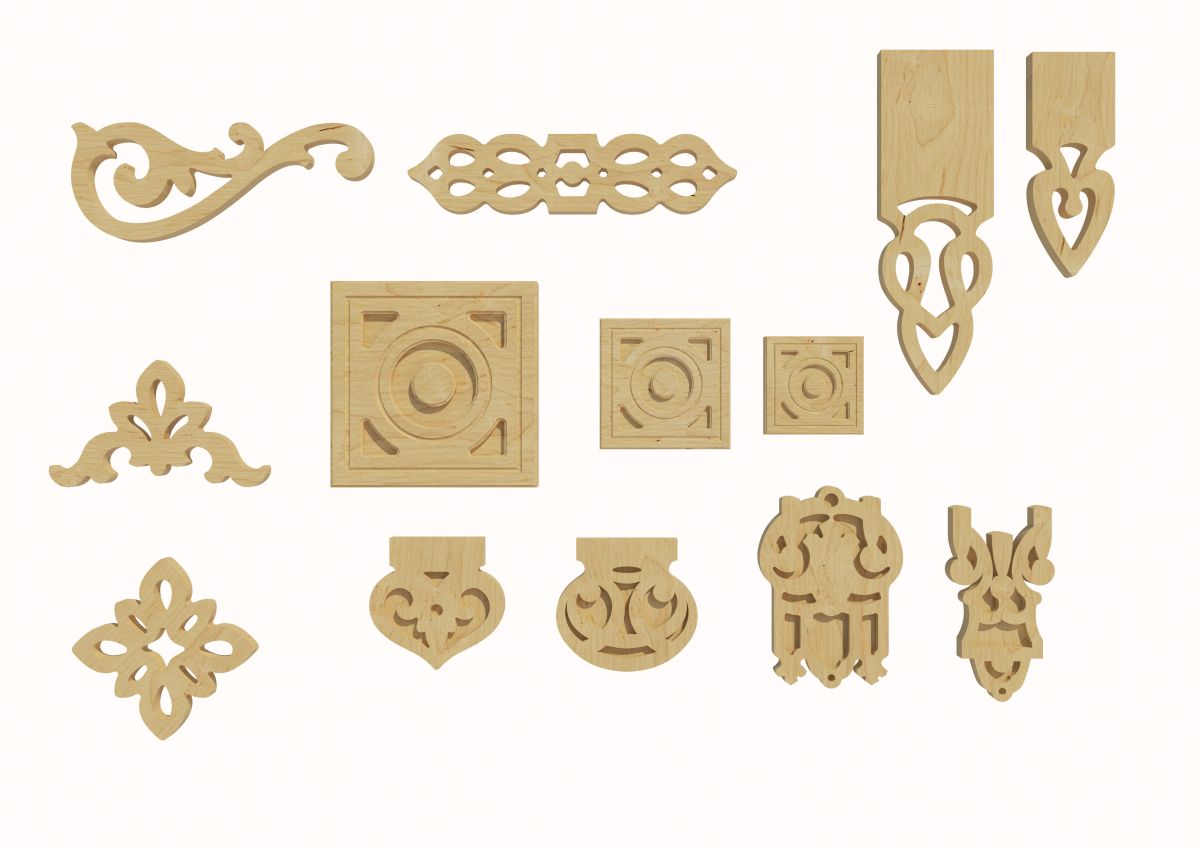
Stavros – Keepers of traditional wood carving
The Stavros factory is a place where traditions of Russian wooden architecture come to life, combining centuries of experience with modern technologies. Here, unique carved items are created that inspire and decorate homes, highlighting their individuality and style. Stavros offers a wide range of carved casings, decorative elements andpatterns of wooden architecturethat embody traditional motifs and create an atmosphere of coziness and elegance.
Each item created by Stavros masters is a true work of art, conveying the spirit of the past and adding elegance to modern interiors. From open and solid patterns to relief compositions — every element is meticulously designed down to the smallest detail and crafted with care and attention. The factory takes pride in its history and experience, offering customers not just decorative elements, but a part of rich cultural heritage that will adorn your home and give it a unique look.
Choosing Stavros products means choosing quality, traditions, and beauty that will delight you and your loved ones for many years. Consult Stavros specialists to select unique carved elements that will highlight your home’s architectural style, inspire new ideas, and create a sense of warmth and coziness.