Article Contents:
- Technological foundations of professional wood staining
- Preparation processes for quality staining
- Modern coatings and paints
- RAL color standard system: accuracy and universality
- History and principles of the RAL catalog
- Popular RAL colors for interior elements
- Advantages of color standardization
- Color matching to flooring: the art of perfect harmony
- Analysis of color characteristics of flooring materials
- Technologies of color analysis and reproduction
- Features of working with different types of floors
- Production technologies of custom painting
- Cabinet drying and controlled conditions
- Quality control of painting
- Special effects and decorative coatings
- Logistical and economic aspects of custom painting
- Planning of manufacturing timelines
- Pricing of individual painting
- Warranty Obligations
- Integration of painted trim into interior design
- Color Harmony and Contrasts
- Considering lighting when choosing color
- Stylistic features of different interiors
- Practical Recommendations for Use
- Care for painted surfaces
- Restoration and renewal of coating
- Ecological aspects of modern coatings
- Safety of Lacquer and Paint Materials
- Energy efficiency of production processes
- Frequently Asked Questions

Individual painting of wooden trim opens up boundless possibilities for creating harmonious interiors, where each element perfectly matches the overall color concept of the space. Wooden skirting board for painting Represents a universal base that can be adapted to any design requirements, whether precise compliance with international RAL standards or perfect match to the floor covering tone. Modern painting technologies allow achieving not only visual perfection but also ensuring coating durability, resistance to mechanical impacts and fading.
Custom painting of trim is becoming an increasingly popular service among interior designers and property owners striving to create unique spaces. The ability to obtain exactly the shade that perfectly fits the interior concept transforms an ordinary functional element into an essential part of the design solution.


Technological Foundations of Professional Wood Painting




Preparation Processes for Quality Painting
Professional painting of wooden baseboards begins with careful surface preparation, which determines the quality and durability of the future coating. Painted wooden baseboards High-quality materials undergo a multi-stage process including sanding, priming, and applying a base coat. Each stage is critically important for achieving an ideal result.
Sanding is performed in multiple passes using abrasives of varying grits — from coarse grits for leveling the surface to fine grits for creating a perfectly smooth base. This process removes minor wood defects, levels the texture, and creates an optimal surface for adhesion of coatings.
Priming is a mandatory stage, especially when working with porous wood species. Special primers not only improve paint adhesion to the surface but also prevent tannin bleed from the wood, which could alter the coating's color. What to paint wooden skirting boards This question is resolved individually depending on the wood species, operating conditions, and desired result.
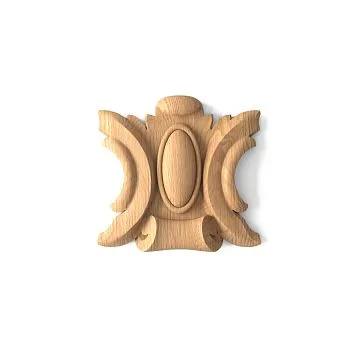
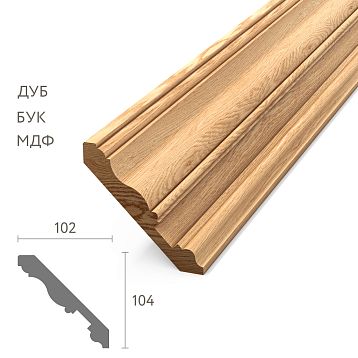
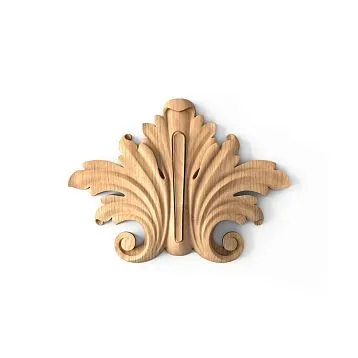
Our factory also produces:


Modern coatings
The choice of coatings for painting baseboards depends on many factors: requirements for appearance, operating conditions, ecological safety, and coating durability. The modern industry offers a wide range of solutions — from traditional alkyd enamels to innovative water-dispersed systems and polyurethane systems.
Acrylic paints provide excellent coverage, dry quickly, and have virtually no odor, which is especially important when working in residential spaces. They are easily tinted, allowing for any shade from the RAL catalog or custom color tailored to specific project requirements.
Polyurethane coatings are distinguished by exceptional wear resistance and chemical resistance. These materials are ideal for spaces with high operational loads — corridors, offices, public areas. Paint for wooden skirting boards Based on a polyurethane base, it creates a strong, durable coating with excellent decorative properties.
Get Consultation
RAL Color Standard System: Precision and Universality
History and Principles of the RAL Catalog
The RAL Catalog (Reichsausschuss für Lieferbedingungen) is an international color standardization system developed in 1927 and remains one of the most authoritative color standards in the world. The RAL system includes more than 200 standardized colors, each with a unique number and name, ensuring precise color reproduction regardless of location or time of production.
Using the RAL system when painting baseboards guarantees obtaining exactly the color selected in the interior design project. This is especially important when working on large-scale projects, where color unity across all elements must be ensured, or when work is carried out in stages, allowing baseboards to be manufactured and installed at different times.
Painting wooden baseboards Color matching according to RAL standards involves careful tinting of paint compositions using spectrophotometric devices, ensuring color accuracy down to fractions of a percent. Such precision is unattainable with manual color selection.
Popular RAL Colors for Interior Elements
Among the variety of colors in the RAL catalog, several shades are most popular for painting interior elements. White colors — RAL 9010 (pure white), RAL 9016 (transport white), RAL 9003 (signal white) — provide a classic, timeless solution suitable for most interior styles.
Gray tones range from light gray RAL 7035 to anthracite RAL 7016, allowing for both neutral and contrasting color solutions. These colors are especially popular in modern interiors, where restraint and elegance in color are important.
The RAL brown range includes shades from light beige to dark chocolate, making them ideal for creating warm, cozy interiors or mimicking various wood species. These colors are often used in classic and traditional design styles.
Advantages of Color Standardization
Using the RAL system when ordering painted baseboards provides numerous advantages for both clients and manufacturers. Standardization eliminates subjective interpretation of color, which may arise when describing shades verbally or using inaccurate color samples.
The ability to precisely reproduce color at any time allows easy reordering of materials if the project needs to be expanded or damaged elements need to be replaced. This is especially important for commercial projects, where maintaining a consistent design style over many years is crucial.
International recognition of RAL standards ensures compatibility of color solutions when working with different suppliers and manufacturers, which is important for large projects involving multiple contractors.
Color Matching to Floor Coverings: The Art of Perfect Coordination
Analysis of Floor Material Color Characteristics
Creating a baseboard that perfectly matches the floor requires a deep understanding of the color characteristics of various flooring materials. Natural wooden floors have a complex color structure, including the wood’s base tone, contrasting annual rings, and textural transitions that create a rich color palette.
Laminated surfaces that imitate various wood species also have a complex color structure, but unlike natural wood, they have stable, repeating color characteristics. This simplifies the baseboard color selection process, as there are no natural color variations.
Stone and ceramic floors present a wide palette ranging from light beige to dark gray tones, often including contrasting veins or textural elements. Painting wooden skirting board Matching such surfaces requires consideration not only of the base tone but also of additional color accents.
Color Analysis and Reproduction Technologies
Modern color analysis technologies allow highly accurate determination of the color characteristics of any flooring material and create a corresponding tinted composition for staining the skirting board. Spectrophotometric devices analyze the sample in various spectral ranges, creating a detailed color map of the material.
Computer-based tinting programs, based on the obtained data, calculate the necessary pigment proportions to create a coloring composition that most accurately reproduces the sample's color. This technology ensures color accuracy unattainable with visual matching.
For materials with complex textures or variable color, a color averaging method may be used, in which several sample areas are analyzed, and the final color represents their harmonious combination. This allows creating a skirting board that visually harmonizes with the floor, without conflicting with its color variations.
Working with Different Types of Floors
Wooden floors from different species require an individual approach to selecting the skirting board color. Light-colored species—maple, cherry, birch—combine well with skirting boards in matching or slightly darker shades than the base wood color. Dark species—oak, walnut, wenge—allow for both tonal and contrasting color solutions.
Laminate and parquet boards with various decorative patterns require precise analysis of the color palette of the design. Many modern decorative patterns imitate exotic wood species or create artificial color effects, requiring special attention to the skirting board's color balance.
Stone floors—marble, granite, travertine—are characterized by natural color irregularities, allowing selection of skirting board color matching either the main stone tone or the color of veins and inclusions. This creates various visual effects—from calm tonal solutions to expressive contrasts.
Custom Staining Production Technologies
Controlled Drying and Environmental Conditions
High-quality staining of wooden skirting boards requires strict adherence to technological regimes, including control of temperature, humidity, and drying time for each coating layer. Modern production facilities use specialized drying chambers with programmable parameters, ensuring optimal conditions for the polymerization of lacquer coatings.
Drying temperature is individually selected for each coating type and may vary from 40°C for water-dispersive compositions to 80°C for polyurethane systems. Control of air humidity in the chamber prevents coating defects—runs, craters, matte spots.
Drying time for each layer is strictly regulated by technology and may range from 2–3 hours for fast-drying compositions to 24 hours for materials requiring deep polymerization. Violation of time regimes may lead to reduced adhesion between layers and deterioration of the coating’s operational characteristics.
Coating Quality Control
Each batch of stained skirting boards undergoes multi-stage quality control, including verification of color match, coating uniformity, and absence of surface defects. Color match is verified using spectrophotometric devices under standardized lighting.
Coating thickness is controlled using special devices ensuring uniform layer thickness across the entire product surface. Insufficient thickness may cause base visibility, while excessive thickness may lead to coating cracking during use.
Adhesion, hardness, and abrasion resistance tests are conducted on samples from each batch, ensuring product quality stability. Results of all tests are documented and provided to the customer as a quality certificate.
Special Effects and Decorative Coatings
In addition to standard glossy or matte finishes, modern technologies allow creating special decorative effects on skirting board surfaces. Patination creates an effect of noble antiquity, popular in classical interiors. Brushing emphasizes wood texture, creating a relief surface.
Metallic effects are achieved by adding special pigments creating a shimmering surface with metallic sheen. Such coatings are especially popular in modern interiors in high-tech or loft styles.
Multi-color effects are created by layering different compositions with intermediate surface treatments. Such techniques allow mimicking complex natural materials—stone, metal, exotic woods.
Logistical and Economic Aspects of Custom Staining
Production Schedule Planning
Ordering skirting boards with custom staining requires longer production times compared to standard products. Time for color sample preparation, customer approval, material tinting, and actual staining may range from 5–7 days for simple colors to 2–3 weeks for complex decorative effects.
Production planning of stained skirting boards requires accounting for technological pauses between operations, drying time for each coating layer, and possible need for re-staining if the color does not match the sample. Installation of Wooden Skirting Board The finished product may also require special care to prevent damage to the coating.
Seasonal factors may affect order completion times, especially during periods of increased demand for construction materials. It is recommended to place orders with a buffer time, considering possible delays in raw material delivery or production capacity constraints.
Pricing of Custom Staining
The cost of skirting boards with custom staining consists of several components: base product cost, cost of lacquer coatings, labor for staining, and overheads for organizing the production process. Custom tinting increases cost by 30–50% compared to standard colors.
Order volume significantly affects the cost per unit of staining. Small batches (less than 50 linear meters) have high unit production preparation costs; larger orders reduce unit cost through economies of scale. Repeat orders of the same color usually have reduced cost due to retained tinting equipment settings.
Color solution complexity also affects cost. Standard RAL colors have minimal markup for tinting; complex multi-color effects or natural material imitation may increase cost by 2–3 times.
Warranty Obligations
A high-quality factory-applied paint finish on skirting boards is accompanied by the manufacturer's warranty obligations, typically ranging from 2 to 5 years depending on the type of coating and operating conditions. The warranty covers color retention, absence of coating peeling, and resistance to normal operational impacts.
Warranty conditions clearly define acceptable operating conditions — temperature regime, humidity, intensity of mechanical impacts. Exceeding these parameters may result in voiding warranty obligations.
Documenting all production stages, from surface preparation to final quality control, enables analysis of potential defect causes and decision-making within warranty obligations.
Integration of painted molding into interior design
Color harmony and contrasts
Correct selection of molding color can dramatically alter the perception of the interior. A tonal solution, where the molding is painted in a color close to the floor, creates a sense of continuity and calmness. This solution visually expands the space, making it appear more airy and bright.
Contrasting color solutions draw attention to architectural lines of the room, emphasizing spatial geometry. A dark molding on a light floor creates a clear horizontal line, visually reducing the room’s height but imparting a sense of solidity and stability.
Wooden skirting board in the kitchen Often painted in the color of kitchen facades or countertops, creating a unified stylistic concept. This is especially important in modern open-plan layouts, where the kitchen is visually integrated with the living area.
Consideration of lighting when selecting color
Lighting significantly affects the perception of molding color, so when choosing a shade, it is necessary to consider the characteristics of artificial and natural lighting in the room. Warm incandescent light enhances yellow and red tones, making them more saturated, but may dull blue and purple hues.
Cold light from LED lamps, conversely, highlights blue and green tones but may make warm colors appear dull and unnatural. Natural lighting also changes throughout the day — morning light has a bluish tint, daylight is white, and evening light is yellowish.
For rooms with insufficient natural light, it is recommended to choose light-colored moldings that will reflect artificial lighting and visually brighten the space. In well-lit rooms, darker and more saturated colors can be used.
Stylistic features of various interiors
Classic interiors traditionally prefer moldings painted white or cream, emphasizing the solemnity and elegance of the style. Use of gold or patinated finishes may be employed to create a sense of luxury and historicity.
Modern minimalist interiors often use moldings painted in wall tones, creating an effect of architectural elements 'dissolving' and emphasizing clean lines. An alternative solution may be contrasting black or gray, creating a clear graphic line.
Scandinavian style prefers natural wood tones or white, emphasizing connection with nature and creating an atmosphere of coziness and calm. Loft interiors often use dark, industrial colors — anthracite, dark gray, black.
Practical recommendations for use
Care for painted surfaces
Proper care of painted moldings significantly extends the coating’s service life and preserves its original appearance. Regular dry cleaning with a soft brush or vacuum cleaner removes dust and minor contaminants, preventing their accumulation in surface relief.
Wet cleaning should be performed using neutral cleaning agents without abrasive particles or aggressive chemical components. Excessive moisture may cause wood swelling and coating peeling, so after wet cleaning, the surface should be thoroughly wiped dry with a cloth.
Mechanical damage to the coating — scratches, chips, scuffs — must be addressed immediately to prevent moisture penetration into the wood. Minor defects can be corrected with local touch-ups; severe damage may require replacement of the affected area.
Restoration and renewal of coating
Over time, even high-quality coatings may lose their original appearance due to natural wear, fading, or mechanical damage. Modern technologies allow restoration of painted moldings without disassembly, significantly reducing labor and renewal costs.
Local restoration involves removing the damaged coating area, preparing the surface, and applying a new layer of paint followed by polishing to achieve a uniform surface. This method is effective for minor damage.
Complete coating renewal requires removal of the old paint layer, re-preparation of the surface, and application of a new coating. This process is more labor-intensive but allows for a complete change in molding color or improvement of coating properties.
Ecological aspects of modern coatings
Safety of coatings
Modern requirements for ecological safety of interior materials extend to coatings for moldings. Water-dispersed paints contain virtually no volatile organic compounds, making them safe for use in residential spaces, including children’s rooms.
Certification of materials according to international ecological safety standards guarantees the absence of harmful emissions during operation. Many manufacturers obtain ecological certifications confirming compliance with the strictest safety requirements.
Waste disposal from production and used packaging is also an important aspect of ecological responsibility. Modern facilities implement closed water circulation systems, solvent recycling, and waste minimization.
Production processes strive to reduce energy consumption by implementing energy-efficient technologies. Using induction heating in drying chambers, recovering heat from exhaust gases, and LED lighting in production areas significantly reduces energy consumption.
Optimizing production processes, reducing time for technological operations, and using fast-drying materials also contribute to lowering energy consumption. Automating painting processes ensures more precise material dosing, reducing their consumption.
Optimizing production processes, reducing time for technological operations, and using fast-drying materials also contribute to lowering energy consumption. Automation of painting processes ensures more precise material dosing, reducing material usage.
Frequently Asked Questions
Can you repaint baseboards if the color has become boring?
Repainting wooden baseboards is entirely possible and is a common practice when updating interiors. However, the success of this procedure depends on the type of existing finish and the chosen technology. If the baseboard was originally painted with high-quality materials having good adhesion, then for repainting, it is sufficient to lightly sand the surface to create roughness, dust off, and apply a new layer of paint. When changing from a dark to a light color, a preliminary primer may be required to ensure even coverage. Glossy finishes require more careful preparation — they must be sanded or treated with a special compound to improve adhesion. The best results are achieved when using paints of the same type — acrylic over acrylic, alkyd over alkyd.
How does RAL painting differ from wood-grain toning?
RAL-painted baseboards create a uniform, opaque coating of a specific color, completely hiding the wood grain. The color precisely matches the international standard and can be reproduced with high accuracy at any time. Such painting is suitable for modern interiors where clear color solutions and the absence of natural variations are important. Wood-tone staining, on the other hand, preserves and emphasizes the natural wood texture, changing only its color. Semi-transparent compounds — stains, toning lacquers — penetrate into the wood structure. The result of staining may vary depending on the wood species, grain direction, and density, creating natural color transitions.
How much does a baseboard with RAL painting cost?
Ordering baseboards with custom painting opens up wide possibilities for creating unique interior solutions, ensuring the perfect combination of functionality and aesthetics in accordance with the highest standards of modern design.
Ordering skirting boards with custom painting opens up wide possibilities for creating unique interior solutions, ensuring perfect harmony between functionality and aesthetics in line with the highest standards of modern design.