Article Contents:
- 1. Choosing the Concept and Style of Interior
- 1.1. Classic Style: Luxury and Elegance
- 1.2. Modern Style: Minimalism and Functionality
- 1.3. Loft: Industrial Chic
- 2.1. Entrance Area and Foyers
- 2.2. Main Rooms
- 3.1. Moldings and decorative moldings
- 3.2. Decorative Panels
- 3.3. Lighting
- 4.1. Choosing Furniture: Alignment with Style and Functionality
- 4.2. Role of Textiles: Comfort and Style
- Harmony and Functionality: Two Main Principles of Design
- How to Choose the Style of Building Design?
- Role of Decorative Elements in Building Design
- Lighting: play of light and shadow
- Individuality and Uniqueness of Each Building
- Conclusion: Create an Interior That Inspires!
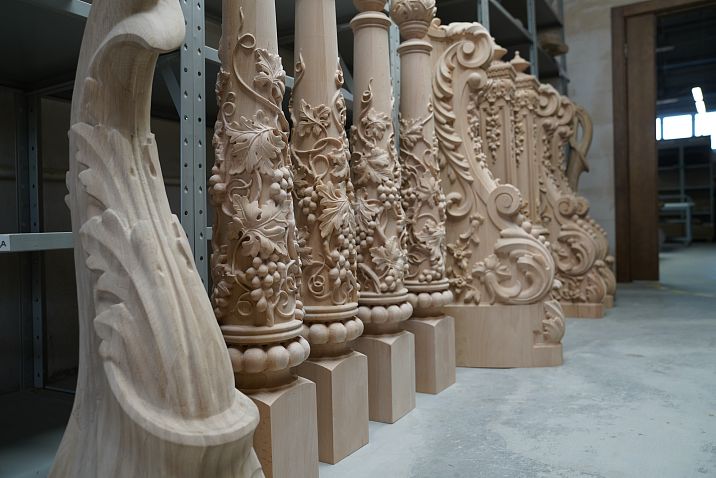
How to transform a building into a space that inspires, delights the eye, and meets all functional requirements? Interior design of a building is a complex, multi-layered process requiring a comprehensive approach. Unlike designing individual rooms or apartments, here it is crucial to consider the scale, variety of spaces, their purpose, and stylistic coherence. After all, a building is not merely walls and a roof, but a whole ecosystem in which every element must harmonize with the overall concept.
How to choose a style? Which materials are best suited? How to zone space to make it comfortable and visually appealing? In this article, we will examine all important aspects of building interior design, provide useful tips, and share design solutions that will help create a harmonious and functional space.


1. Choosing the Concept and Style of Interior
Before beginning the design, it is essential to define the overall concept. What is the purpose of the building? Is it a residential home, an office building, a hotel, or a restaurant? Each type of structure has specific design requirements, and the style must correspond not only to aesthetic preferences but also to functionality.




1.1. Classic Style: Luxury and Elegance
Classic style is ideal for luxurious mansions, hotels, theaters, and historically significant buildings. Key features:
● Symmetry and proportions.
● Natural materials: marble, wood, plaster.
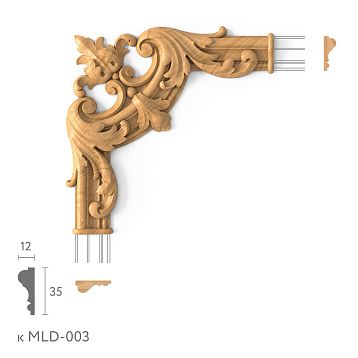
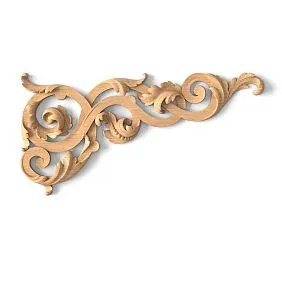
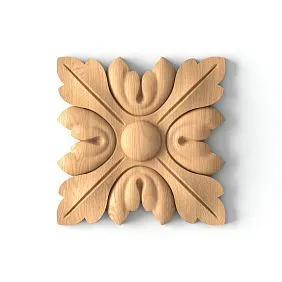
● moldings and corniceswhich give the interior an elegant appearance.
● Rich palette: gold, cream, burgundy, and dark green tones.
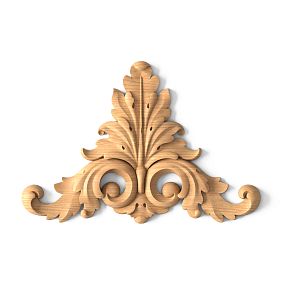
Tip: Use polyurethane molding to create decorative elements on ceilings and walls. It looks impressive but is much lighter and more practical than plaster molding.
Our factory also produces:



1.2. Modern style: minimalism and functionality
Modern buildings require up-to-date solutions that combine aesthetics, technology, and convenience. Main principles:
● Simple lines, minimal decoration.
● Light colors combined with contrasting accents.
● Use of glass, metal, concrete.
● Open spaces and zoning using light and furniture.
Tip: To add dynamism to a modern interior, use decorative panels with geometric patterns, hidden lighting, and combinations of different textures.
Get Consultation
1.3. Loft: industrial chic
Loft is ideal for commercial buildings, creative spaces, and modern urban-style apartments. It combines the roughness of materials with comfort:
● Exposed ceiling beams, brick walls.
● Lots of glass and metal structures.
● Minimal finishing, maximum natural textures.
● Simple yet substantial furniture.
Tip: To achieve an industrial chic look, use decorative elements reminiscent of vintage architectural details, such as aged molding.
2. Zoning and interior layout of buildings
In large buildings, zoning plays a crucial role. Here, it is necessary to consider human traffic flows, zone functionality, and ergonomics.
2.1. Entrance zone and lobbies
The first zone that visitors or residents encounter should be as representative as possible. For its design, you can use:
● Moldings and decorative panels on walls to convey status.
● Mirrors to visually enlarge the space.
● LED lighting that highlights architectural elements.
2.2. Main rooms
Here, zoning can be achieved by:
● Different levels of lighting: for example, hidden lighting creates a cozy atmosphere.
● Use of partitions and niches: this will help structure the space.
● Contrasting materials: for example, polyurethane overlays add volume and aesthetics.
Tip: Separate the relaxation zone from the work area using furniture or lighting, so each space has its own atmosphere.
3. Decorative elements and materials
Choosing finishing materials and decor is key to creating a complete interior.
3.1. Stucco and moldings
They suit both classic and modern interiors. Polyurethane molding imitates plaster, but is lighter and easier to install.
3.2. Decorative Panels
Perfect for accent walls and zoning. They can be made of wood, plastic, or polyurethane.
3.3. Lighting
Proper lighting creates the desired mood and highlights the interior's features.
4. Furniture and Textiles in Building Design
Furniture and textiles play a key role in creating a harmonious and cozy interior. They not only emphasize the style of the space, but also ensure comfort, functionality, and aesthetics. The right choice of furniture and textiles allows you to create a complete interior image, whether it's a classic mansion, a modern office, or a creative loft-style space.
4.1. Choosing Furniture: Style and Functionality
Furniture should not only be beautiful but also match the overall concept of the building, provide comfort, and harmonize with architectural elements. Depending on the chosen interior style, furniture may vary:
● For classic style, suitable are heavy carved furniture with elegant decorative elements. For example, cabinets, tables, and chairs adorned with carved inlays, will create an atmosphere of luxury and elegance. Decorative elements such as polyurethane molding and Moldings, will help emphasize the richness of the interior.
● In modern interiors, modular solutions are popular, characterized by minimalist design, functionality, and transformability. Using furniture with clean lines, glass, and metal elements gives the interior a light and modern look.
● In loft style, minimalist forms with metal details dominate. Here, large wooden tables with rough finishes, leather sofas, and industrial shelves look great. To create an authentic look, you can use polyurethane decorative elements, which will help add texture to walls and ceilings.
Tip: Soft furniture with textile upholstery adds coziness even to spacious and formal rooms. If the building's interior is modern, choose furniture with minimalist silhouettes and neutral tones. In classic interiors, velvet, suede, and jacquard fabrics are appropriate, highlighting the space's luxury.
4.2. Role of Textiles: Coziness and Style
Textiles in interior design are an important element responsible for coziness, comfort, and the final accent in space decoration. Using textile elements allows softening the interior's rigidity, adding color accents, and creating a more harmonious atmosphere.
● Curtains play not only a decorative but also a functional role, protecting the room from sunlight and creating privacy. In classic style, luxurious drapes with tassels and valances are suitable, while in modern interiors — minimalist roller blinds or light linen curtains.
● Carpets help zone the space, provide sound insulation, and add coziness. For example, in spacious halls and lobbies of large buildings, carpets with long pile create a cozy atmosphere, while in office and public spaces, durable geometric-patterned coverings are suitable.
● Pillows and throws are small elements that can enliven the interior, add bright accents, and emphasize style. They are especially relevant in living rooms, relaxation zones, and lounge areas.
Tip: For large buildings and public spaces, choose textiles with high durability and protective coatings. For example, fabrics with Teflon coating repel stains, while anti-static materials help maintain the freshness and cleanliness of textile elements.
Choosing furniture and textiles is an important stage in decorating the building's interior. They not only define comfort but also set the tone for the entire space. Properly selected furniture highlights the interior's style, whether classic, modern, minimalist, or loft, while textiles create coziness and complete the overall image.
Use carved appliqués, Moldings and other decorative elements to give the space a unique and stylish look. Pay attention to material, texture, and color combinations to ensure the interior is harmonious and functional. Your building is a reflection of style and taste, and every detail plays an important role!
Conclusion
Decorating a building's interior is an art that combines aesthetics, functionality, and comfort. It's not just arranging furniture or choosing beautiful materials, but creating a unique space that should reflect style, inspire, and provide comfort for living and working. Every element — from zoning to decorative details — plays its part in forming the overall atmosphere, which affects how the interior is perceived and the mood of people within the building.
Why is the building's interior so important? Imagine entering a building: what feelings does it evoke? A sense of spaciousness, harmony, coziness? Or the opposite — boredom and discomfort? Interior design affects our perception of the surrounding environment, and thus, the quality of life, productivity, comfort level, and even mood. Therefore, every detail matters — whether it's furniture style, lighting, textiles, or decorative elements.
Harmony and functionality: two main principles of design
When creating an interior, it's important not only to choose beautiful colors and furniture, but to think about space harmony. It's important to consider how different elements combine:
● Zoning helps divide space into convenient and logical functional zones.
● Decorative elements such as polyurethane moldings, moldings, decorative panels, give the interior uniqueness and style.
Lighting creates an atmosphere, highlights architectural features, and makes the space cozy.
Materials and textures shape the perception of the interior: wood makes it warm, glass and metal — modern, stone — monumental.
Correctly chosen elements create the ideal balance between practicality and aesthetics, making the building's interior not only beautiful but also comfortable.
How to choose the style of building decoration?
Depending on the building's purpose and architectural features, you can choose different decoration styles:
● For classical buildings, luxurious moldings, columns, carved wooden elements, and elegant furniture are ideal. Such an interior creates an atmosphere of nobility and refinement.
● Modern style with clean lines, minimalism, glass, and metallic surfaces makes the space light, spacious, and functional.
● Loft and industrial styles suit office and commercial spaces, combining rough materials (brick, concrete, metal) with modern accents.
● Scandinavian style, with its light tones, natural materials, and simplicity, is ideal for residential spaces and offices, creating a sense of coziness and comfort.
Regardless of the style you choose, it is important to maintain design coherence throughout the building to ensure it looks harmonious and cozy.
Role of decorative elements in building decoration
To complete the interior, use decorative accents that highlight the style and individuality of the space.
● polyurethane moldings Helps create expressive ceilings, walls, and columns, adding depth and texture to the interior.
● Moldings add elegance to walls, zone the space, and create accent panels.
● Mirrors visually expand the space and make it brighter.
● Textiles (curtains, rugs, cushions) create coziness and make the interior warmer.
● Lighting highlights architectural details and sets the mood.
Tip: Use combinations of decorative elements to emphasize the building's style, but avoid overloading it with details.
Lighting: play of light and shadow
Properly selected lighting can completely transform the interior. It affects the perception of space, color palette, and even people's mood.
● General lighting (chandeliers, recessed lights) creates the overall background.
● Accent lighting (wall sconces, floor lamps, LED strips) helps highlight zones and emphasize architecture.
● Decorative lighting (molding, niche, column lighting) makes the interior stylish and expressive.
Combining different light sources helps create a cozy atmosphere and highlight the building's unique features.
Individuality and uniqueness of each building
How to make the interior truly unique? The key is not to fear experimenting with combinations of different materials, textures, colors, and forms.
How to create individuality?
● Use custom decorative elements (moldings, carved appliqués, moldings).
● Experiment with color palettes: combine neutral tones with bright accents.
● Add art objects: paintings, sculptures, unusual accessories.
● Use Quality decorative elementsTo add expressiveness to the interior.
When creating an interior, remember: this is not just decoration, it's creating an atmosphere where you want to be.
Conclusion: create an interior that inspires!
Interior design of a building is a creative and responsible process that requires a comprehensive approach. It is important to consider functionality, style, zoning, lighting, furniture selection, and decorative elements.
A thoughtfully designed space not only pleases the eye but also improves quality of life, creating an atmosphere of comfort, inspiration, and harmony.
Use the right materials, experiment, add unique details — and your interior will become a true work of art!
Let your building reflect style, inspire, and become a comfortable place for living and working. Whether you are designing a residential home, office, hotel, or restaurant, every element and detail matters.
Let your building become not just a space, but a place where you want to be!