Article Contents:
- 1. Defining the Room's Interior Style
- 3. Furniture: Choosing Functional and Stylish
- 4. Lighting: Creating Atmosphere with Light
- 5. Decor: Elements That Add Individuality
- Conclusion
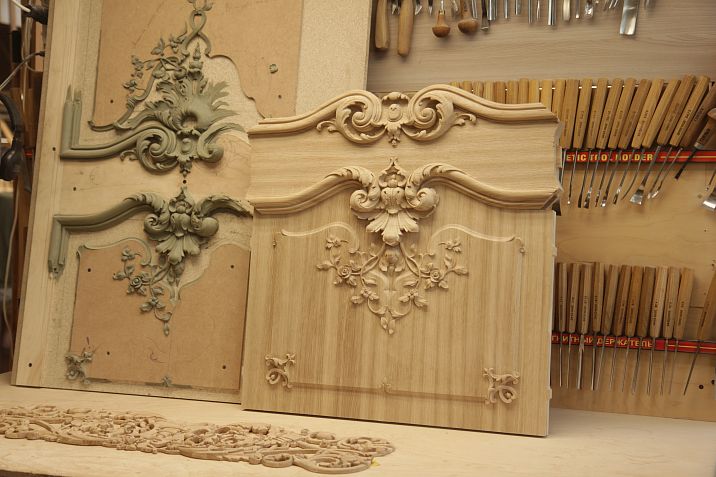
Room interior design is not just about choosing furniture and decorative elements, but an art form that helps create a space reflecting the owner's personality, comfortable and functional. It is important to remember that interior design should not only be aesthetically pleasing but also convenient, creating an atmosphere where it will be pleasant to spend every day. Key aspects that influence the perception of a room are style, color palette, furniture selection, textiles, and decor. A coordinated combination of these elements will help transform any room into a place where you want to spend time.
In this article, we will discuss how to properly design a room's interior, making it cozy, stylish, and functional.


1. Defining the Room's Interior Style
The style of room decoration is the foundation upon which the entire interior is built. It determines how the space will look, what materials and colors will be used, and what mood will prevail in the room. There are various styles of decoration, each with its own characteristics:
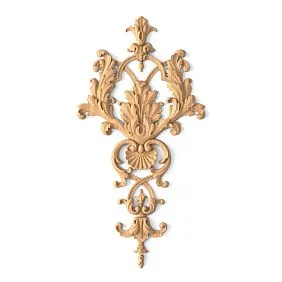
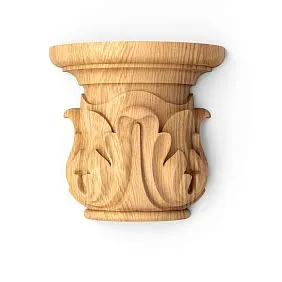
● Classic style. This style is associated with elegance and luxury. It features symmetrical forms, expensive fabrics, carved elements, and refined furniture.Polyurethane moldingsMoldings and cornices are ideally suited for creating a classic interior, giving it grandeur and completeness.
● Modern style. This style is characterized by minimalism, simple forms, and functionality. In a modern interior, it is important to use neutral shades and materials that create an atmosphere of lightness and simplicity.Polyurethane DecorCornices and moldings can be used to create light and harmonious accents.
● Scandinavian style. A style that values light shades and natural materials. It is ideal for creating a cozy atmosphere. Functionality and simplicity are important in Scandinavian interiors. Here you can use furniture made of light wood, textiles, andpolyurethane elements to add interesting accents.
● Loft. This style is ideal for modern city apartments with open space. In lofts, elements such as brick walls, metal structures, and industrial-style furniture are often used. Using polyurethane moldings can add an interesting contrast and introduce elements of coziness into the industrial decor.
2. Color Palette: How to Choose the Right Shades for the Room
Color is an important design element that determines the mood and atmosphere in a room. A properly chosen color palette helps create harmony in space and visually alter the perception of room dimensions.
● Warm shades (red, orange, yellow) create coziness and warmth. These colors are ideal for living rooms, kitchens, or rooms for socializing.
● Cool colors (blue, green, purple) give the room freshness and calmness, so they are suitable for bedrooms and bathrooms.
● Neutral colors (white, gray, beige) are universal and suitable for any style. These shades create a sense of spaciousness and can serve as an excellent backdrop for bright accents.
To prevent the room from appearing too monotonous or overloaded, it is important to use combinations of neutral and bright shades.Polyurethane DecorSuch as cornices, moldings, and moldings, can become a wonderful accent, emphasizing the color palette and giving the room completeness.




3. Furniture: Choosing Functional and Stylish
Furniture is the foundation of any room. It should not only be stylish but also comfortable, providing comfort and matching the functionality of the space. It is important to choose furniture that will harmonize with the overall style of the room and meet your needs.
● Classic furniture is characterized by refined lines and expensive materials such as wood and textiles. Furniture with carved details, frames, and wooden elements suits the classic style.
● Modern furniture is characterized by simple and functional forms, made from natural or artificial materials that ensure durability and ease of maintenance.
● Scandinavian furniture is often made from light wood, helping to create a light and airy atmosphere. In this style, furniture is usually simple but with attention to detail and comfort.
Furniture in the room should not overload the space, especially if the room is small. Choose items that will harmonize well with each other and create a harmonious composition.
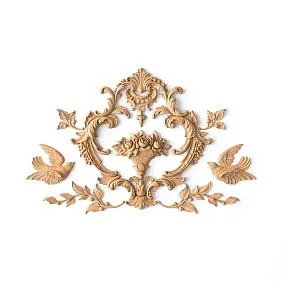
Our factory also produces:



4. Lighting: creating atmosphere with light
Lighting plays a key role in interior design. It can change the perception of space, highlight key decorative elements, and create the desired atmosphere. It is important to properly select light sources and distribute them throughout the room.
● Main lighting: Chandeliers or ceiling fixtures should provide even lighting throughout the room. For a modern interior, minimalist fixtures are suitable, while for a classic style, more decorative and elegant chandeliers are preferred.
● Accent lighting: These are fixtures that highlight specific interior elements, such as paintings, architectural features, or relaxation zones.Ceiling outlets and moldings help create harmonious lighting accents, making the space more expressive.
● Romantic lighting: Soft table lamps and wall sconces create a cozy atmosphere, ideal for evening relaxation.
Get Consultation
5. Decor: elements that add individuality
Decor is an important element that helps complete the room’s design and make it unique. It includes paintings, vases, figurines, textiles, and other decorative details that give the room individuality.
● Paintings and mirrors: Can become accents in the interior, adding visual interest and depth to the room.
● Textiles: Pillows, curtains, blankets, and rugs add coziness and warmth. These elements help complete the look and create a harmonious atmosphere.
● Polyurethane Decor● Moldings, decorative elements for furniture, and other details can become important accents in the interior, giving it style and completeness.
Conclusion
Interior room design is not just about creating a visually appealing space, but a comprehensive process involving a thoughtful combination of various elements that affect your home’s comfort, atmosphere, and functionality. When we talk about room design, we are not only referring to furniture selection, wall color, and decorative elements, but also to creating the space in which you will feel completely comfortable and enjoy spending time. It is an art that helps turn your home into more than just a place to live — into a cozy corner reflecting your personality and style. It is important to remember that every interior element, from general stylistic decisions to the smallest details, plays a unique role in shaping the overall impression.
Choosing an interior style is the first step toward creating the ideal space. Style not only defines visual accents but also the mood that will prevail in the room. Whether it’s classic, minimalism, or modern, it is important that the style matches your taste and helps create an atmosphere in which you will feel most comfortable. However, interior design is not only visual aesthetics but also comfort. For example, choosing functional furniture can play a key role in your coziness, providing not only style but also practical convenience. Properly selected furniture should combine aesthetic qualities with meeting your needs and functionality.
Color palette is an important tool that helps form not only visual effects but also the mood in the room. For example, using light shades can make the space feel more airy and spacious, while warm and saturated tones create coziness and harmony. Combining different colors can create a sense of depth, balance bright accents, and enhance the atmosphere that will please the eye. It is important that the color palette reflects your lifestyle and helps you relax and unwind in this space.
Lighting also plays a decisive role in creating atmosphere. It is not only a function but also a way to visually emphasize decorative elements, highlight beautiful details, and add cozy corners to the space. By illuminating the room with lamps, chandeliers, and accent lighting, you can enhance the visual effect of the room and create an atmosphere suitable for the time of day or mood. A thoughtful combination of light sources allows you to visually expand the space, make the room more cozy and inviting.
Such elements as polyurethane moldingsceiling outlets, moldings, and decorative elements can add elegance and completeness to the room, creating unique accents. Decor is not only ornaments but also functional elements that help zone the space, highlight important interior parts, and ensure comfort. Properly selected decorative accessories and lighting elements can emphasize the room’s style, adding depth and expressiveness.
The process of interior room design is not only about aesthetics but also functionality. The room should be convenient for daily life, meet your everyday needs, and create an atmosphere in which it will be pleasant to be. Every element, from furniture to decorative accessories, should be thoughtfully chosen to ensure harmony and balance in the space. It is important to remember that interior design is not only about appearance but also about how comfortable and convenient you will feel in this space.
Let your home become a place that is not only aesthetically pleasing but also functionally convenient. Let every corner be thoughtfully designed and harmoniously fit into the overall style, creating an atmosphere of coziness and comfort. It is important to understand that interior design is not just about decorating space, but about creating a place that will inspire, calm, and serve you faithfully every day. Every detail matters: from small decorative elements to large accents. Bring your individuality into the design, choose stylish and practical solutions, so the space becomes exactly as you want it — cozy, beautiful, and functional.