Article Contents:
- Historical perspective of corner trim
- From ancient civilizations to modernity
- Evolution of styles and techniques
- Materials for corner trim
- Traditional materials and their characteristics
- Modern materials and innovations
- Functional aspects of corner trim
- Protective function
- Decorative function
- Constructive function
- Stylistic solutions for corner trim
- Classical styles
- Modern styles
- Ethnic and regional styles
- Manufacturing and installation technologies
- Traditional manufacturing methods
- Modern manufacturing technologies
- Installation and mounting methods
- Practical aspects of selection and maintenance
- Choosing corner trim for different types of rooms
- Maintenance and care
- Restoration and repair
- Innovative trends in corner trim
- Technology integration
- Ecological trends
- Personalization and customization
Architectural details that we often overlook play a decisive role in forming the overall impression of a space. Among such elements, special attention is given to corner trim – a technology that not only protects vulnerable parts of structures but also gives interiors completeness, elegance, and stylistic coherence.
In the world of interior design corner trim has become a kind of art, requiring an understanding of proportions, materials, and stylistic features of the space. From classical interiors with richly decorated corner elements to minimalist modern solutions – this architectural technique has undergone a long evolution, retaining its functionality and aesthetic significance.
This article presents a deep dive into the world of corner trim: from historical roots to modern technologies, from material selection to installation nuances. We will examine how to properly choose corner elements for different rooms, how to combine them with the overall interior style, and what innovative solutions the modern market offers.


Historical perspective of corner trim




From ancient civilizations to modernity
History corner trim traces its roots back to deep antiquity. Already in the architecture of ancient Egypt and Mesopotamia, one can find the first examples of special treatment of building corners and interior spaces. Corner elements not only reinforced the structure but also served as important decorative elements, emphasizing the owner's status.
In ancient Greece and Rome, corner framing reached a new level of development. Greek architects developed an order system, where each element, including corner details, adhered to strict proportions and had symbolic significance. The Romans, inheriting these traditions, enriched them with their own innovations, creating complex systems of corner profiles, many of which are still used in classical architecture today.
The Middle Ages introduced religious symbolism into the art of corner framing. In Gothic cathedrals, corners were often adorned with carved elements depicting biblical scenes or Christian symbols. These details not only decorated the building but also served as a kind of 'Bible for the illiterate,' telling sacred stories through architectural elements.
The Renaissance marked a return to classical forms and proportions. Architects of this period studied ancient models and adapted them to new conditions, creating harmonious and elegant corner framing. Special attention was paid to proportions and mathematical precision in calculations.
Our factory also produces:


Evolution of styles and techniques
Baroque brought to the art of corner trim luxury and theatricality. Corner elements of this period were characterized by complex forms, abundance of decorative details, and dynamic lines. Gold leaf, carving, and other techniques were often used, emphasizing opulence and richness.
Neoclassicism, on the contrary, returned to more strict and restrained forms. Corner framing of this period is characterized by clear lines, symmetry, and use of ancient motifs. Special attention was paid to proportions and harmony of all elements.
The 19th century, with its eclecticism and historicism, brought diversity in corner framing styles. Architects and designers freely borrowed elements from various historical periods, creating unique combinations. During this period, the first industrial methods of producing corner elements emerged, making them more accessible to a broader range of consumers.
Modern (Art Nouveau) at the turn of the 19th and 20th centuries proposed a new approach to corner framing. Instead of straight lines and geometric forms characteristic of classical styles, modernism used flowing, organic lines inspired by natural forms. Corner elements of this period often imitated plant motifs – flowers, leaves, stems.
The 20th century, with its variety of artistic directions – from constructivism to postmodernism – brought new approaches to corner framing. Mid-century functionalism and minimalism abandoned decorative excesses in favor of clean lines and functionality. Postmodernism, on the contrary, returned to ornamentation, but with an ironic reinterpretation of historical styles.
Get Consultation
Materials for corner framing
Traditional materials and their characteristics
Wood remains one of the most popular materials for corner trimIts natural beauty, eco-friendliness, and relatively easy processing make it an ideal choice for various interior styles. Among the most commonly used species, one can distinguish:
Oak – distinguished by high strength, durability, and expressive texture. Oak corner elements acquire a noble patina over time, which is especially valued in classical interiors. Oak is well-suited for carving, allowing the creation of complex decorative details.
Spruce – a more affordable alternative, possessing good operational characteristics. Spruce corner elements have a light tone and pronounced texture. Due to the softness of the wood, spruce is easy to process, allowing the creation of various profiles.
Beech – a hard wood with uniform structure and pleasant pinkish tone. Beech corner elements are characterized by high strength and resistance to abrasion. This wood is well-suited for staining, expanding its application possibilities in various interiors.
Linden – a soft wood, ideal for carving and creating complex decorative elements. Linden corner framing is often used in interiors with rich decoration, where fine detailing is required.
Ash – a hard wood with beautiful texture and high strength. Ash corner elements are resistant to mechanical damage and retain their shape well. This wood is especially valued for its elasticity, allowing the creation of curved profiles.
Besides wood, for corner trim traditionally used other materials:
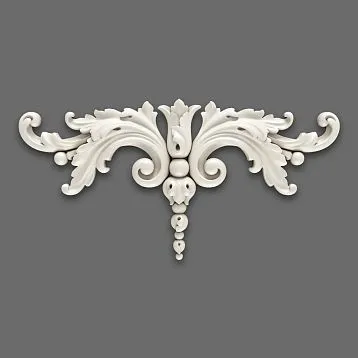
Gypsum – a material allowing the creation of complex molded elements for corner framing. Gypsum corner details are characterized by the plasticity of forms and the possibility of creating fine reliefs. They were widely used in interiors of Baroque, Rococo, and Neoclassicism.
Stone – a durable and noble material used for corner framing in luxurious interiors. Marble, granite, or limestone corner elements impart the room with a special solidity and status.
Metal – a material that began to be actively used for corner framing in the 19th century. Cast iron, bronze, or brass corner elements are characterized by high strength and durability. They were often used in interiors in the styles of Empire, Neo-Gothic, or Industrial style.
Modern materials and innovations
The modern industry offers a wide range of materials for corner trim, combining aesthetic qualities with practicality and accessibility:
Polyurethane – a lightweight, strong, and moisture-resistant material that allows creating corner elements imitating stucco or wood carving. Polyurethane corner framing is characterized by ease of installation and does not require special maintenance. It is resistant to temperature and humidity fluctuations, making it an ideal choice for bathrooms and kitchens.
MDF (Medium Density Fiberboard) – a material combining the advantages of natural wood with an affordable price. MDF profiles for corner framing can be veneered, laminated, or painted, allowing them to imitate various wood species or create vibrant color accents.
PVC (Polyvinyl Chloride) – a practical and inexpensive material for corner framing. PVC profiles are resistant to moisture, easy to clean, and do not fade under sunlight. They are available in a wide color range and can imitate various materials – from wood to stone.
Aluminum is a lightweight and durable material increasingly used for corner trim in modern interiors. Aluminum profiles can be anodized or painted in various colors, expanding their application possibilities. They are especially popular in high-tech or minimalist interior styles.
Composite materials are innovative developments combining the advantages of different materials. For example, wood-plastic composites (WPC) combine the naturalness of wood with the practicality of plastic. Such corner elements are resistant to moisture, do not rot, and require no special maintenance.
3D printing is a technology that opens new possibilities for creating unique corner trims. Using 3D printers, complex decorative elements made from various polymers can be produced, which were previously only accessible through manual craftsmanship.
Functional aspects of corner trim
Protective function
corner trim performs an important protective function, protecting vulnerable areas of structures from mechanical damage, moisture, and other adverse influences:
Protection against mechanical damage – wall corners, door and window openings are most susceptible to impacts and friction. Corner elements bear the main load, protecting the primary material from chips, scratches, and other damage. This is especially important in high-traffic areas – corridors, lobbies, offices.
Protection against moisture – in rooms with high humidity (bathrooms, kitchens, pools), corner trim prevents moisture from penetrating into joints between different materials. This helps avoid mold, fungus, and other problems associated with excessive humidity.
Protection against thermal deformation – different materials react differently to temperature changes. Corner elements can compensate for these differences, preventing cracks and gaps at joints. This is especially important for structures subjected to significant temperature fluctuations.
Protection against insects and rodents – quality corner trim covers gaps and seams that could become entry points for unwanted guests. This helps maintain the cleanliness and hygiene of the room.
Decorative function
In addition to its protective function, corner trim plays an important role in shaping the aesthetic appearance of the room:
Creating architectural accents – corner elements can serve as striking accents that attract attention and highlight architectural features of the room. These may include decorative columns at wall corners, ornate cornices, or elegant corner outlets.
Creating stylistic unity – properly selected corner trims help create a cohesive interior image, unifying various elements into a single composition. They can harmonize with other decorative details – cornices, moldings, outlets – forming a harmonious ensemble.
Visual space correction – corner trim can visually alter the proportions of a room. For example, vertical corner elements visually increase ceiling height, while horizontal ones expand the space. This technique is often used in small rooms to create a sense of spaciousness.
Masking imperfections – corner trims can conceal various defects – wall irregularities, cracks, poor material joints. This is especially relevant during renovation of old buildings, where such issues are common.
Structural function
In some cases corner trim performs an important structural function, enhancing the strength and stability of structures:
Strengthening openings – metal corner brackets are often used to reinforce door and window openings in load-bearing walls. They evenly distribute loads and prevent crack formation. This method is especially relevant during room renovations when new openings are created.
Reinforcing frame structures – in frame construction, corner elements play a key role, ensuring the rigidity and stability of the structure. They connect various frame elements, creating a strong and reliable structure.
Reinforcing corners of gypsum board – when working with gypsum board, perforated metal corner brackets are used to reinforce external corners. They prevent crack formation and ensure a smooth, clean corner line.
Creating monolithic connections – in monolithic construction, special corner elements are used to create strong connections between various structural elements. They ensure even load distribution and prevent stress concentration at corners.
Stylistic solutions for corner trim
Classic styles
Classic interior styles are characterized by harmony, symmetry, and attention to detail. corner trim In such interiors, it plays an important role, emphasizing architectural features of the room and creating an atmosphere of elegance:
Ancient style – inspired by the architecture of ancient Greece and Rome, this style features the use of the order system. Corner elements are often designed as columns with capitals of various orders – Doric, Ionic, or Corinthian. Meanders, ovals, kymatia, and other classical ornaments are also popular.
Renaissance – a style that revived ancient traditions but added a new sound. Corner trims in the Renaissance style are characterized by harmonious proportions, symmetry, and the use of plant motifs – acanthus leaves, laurel wreaths, fruit garlands. Pilasters – flat columns protruding from the wall – are often used.
Baroque is a style characterized by opulence, dynamism, and theatricality. Baroque-style corner elements are distinguished by complex forms, abundance of decorative details, and use of contrasts. Scrolls, cartouches, mascarons, and other decorative elements are popular. Gold leaf or patina are often used.
Classicism is a style returning to the strictness and restraint of ancient models. Classicist-style corner frames are characterized by clear lines, symmetry, and use of ancient motifs. Pilasters with capitals, modular units, triglyphs, and metopes are popular. The color palette is usually restrained—white, cream, light gray.
Empire is a style that emerged during Napoleon's time and is characterized by monumentality and imperial grandeur. Corner elements in the Empire style are often adorned with military symbolism—eagles, laurel wreaths, trophies. Bronze inlays and gold leaf are widely used.
Modern Styles
Modern interior styles offer a new perspective on corner trim, combining functionality with aesthetics and innovative solutions:
Minimalism is a style based on the principle 'less is more'. Minimalist interior corner elements are distinguished by simple forms, absence of decorative excesses, and functionality. Hidden corner profiles are often used, creating clean, clear lines without visible fasteners.
High-tech is a style inspired by high technology and industrial aesthetics. High-tech-style corner frames are often made of metal (aluminum, stainless steel) or glass. Chrome surfaces, glossy finishes, and technological solutions—such as corner elements with built-in lighting—are popular.
Loft is a style that emerged from converting industrial spaces into residential areas. Loft-style corner elements often have a deliberately rough, 'industrial' appearance. Metal brackets with visible fasteners, untreated wood, and weathered surfaces are popular. Corner joints are often left exposed, emphasizing the 'honesty' of the construction.
Scandinavian style is characterized by light tones, natural materials, and functionality. Scandinavian-style corner frames are typically made of light-colored woods (birch, pine, beech) and have simple, minimalist forms. Whitewashed surfaces, matte finishes, and minimal decoration are popular.
Eco-style is a direction emphasizing ecological sustainability and connection with nature. Eco-style corner elements are made from natural materials—wood, stone, bamboo—with minimal processing. Natural textures, earthy tones, and organic shapes are popular.
Ethnic and Regional Styles
Different cultures and regions of the world have created unique approaches to corner framing, reflecting local traditions, climatic conditions, and available materials:
Russian style is characterized by rich decoration and use of traditional motifs. Corner elements in Russian style are often adorned with carvings featuring floral or geometric ornaments. 'Tapestries'—decorative carved boards decorating the corners of houses—and 'prichelins'—carved boards on roof gables—are popular.
Japanese style is characterized by minimalism, asymmetry, and attention to natural materials. In traditional Japanese architecture, corner joints are often left exposed, showcasing the carpenter's skill. Simple wooden corner elements without decoration are popular, emphasizing the natural beauty of the material.
Moroccan style is characterized by bright colors, complex geometric patterns, and use of arched forms. Corner frames in Moroccan style are often adorned with mosaic (zellige), stucco carving (gebs), or inlay. Stalactite vaults (muqarnas)—complex three-dimensional decorative elements—are popular, often used in room corners.
Indian style is characterized by rich decoration, bright colors, and use of carving and inlay. Corner elements in Indian style are often adorned with complex floral ornaments, animal or deity imagery. Carved wooden columns at corners, inlaid with mirrors or semi-precious stones, are popular.
Mediterranean style unites the traditions of various Mediterranean countries—Italy, Greece, Spain, France. Corner frames in this style are often made of stone or textured plaster. Arched forms, terracotta tones, and plant motifs—grapevines, olive branches, citrus—are popular.
Manufacturing and Installation Technologies
Traditional Manufacturing Methods
Traditional methods of manufacturing corner elements are based on manual craftsmanship and passed down from generation to generation:
Wood carving is one of the oldest methods of creating decorative corner elements. A master carpenter, using special tools—chisels, gouges, knives—carves the required shape from a wooden blank. This method allows creating unique, one-of-a-kind pieces with high artistic value.
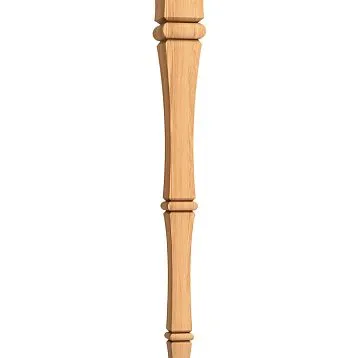
Turning is a method in which a blank rotates around its axis, and the craftsman uses chisels to give it the desired shape. Turning is used to create round or cylindrical elements—columns, balusters, rosettes—which are often used in corner framing.
Gypsum molding is a traditional method of creating decorative corner elements for interiors. A master mold maker creates a model from clay or plasticine, then makes a mold from gypsum or silicone into which gypsum slurry is poured. After hardening, the finished product is obtained, which can be further processed and painted.
Forging is a metalworking method in which a blank is heated to a plastic state and shaped by hammer blows. Forged corner elements are distinguished by high strength and artistic expressiveness. This method was widely used to create decorative corner brackets, grilles, and inlays.
Casting is a method of manufacturing metal corner elements by pouring molten metal into a mold. Cast parts can have complex shapes and fine detailing. This method was used to create bronze, brass, or cast iron decorative elements in Baroque, Rococo, and Empire styles.
Modern Manufacturing Technologies
With the development of technology, new manufacturing methods have emerged corner trimCNC milling – using computer-controlled machines to process various materials. A computer program controls the movement of the milling cutter, enabling the creation of complex shapes with high precision and repeatability. This method is widely used for manufacturing wooden, MDF, and plastic corner elements.
Extrusion – a process in which material (usually plastic or aluminum) is forced through a die to create a profile of the desired shape. This method allows for producing long, cross-sectionally uniform corner profiles. Extrusion is widely used for manufacturing PVC and aluminum corner elements.
Injection molding – a technology in which molten material (usually plastic or polyurethane) is injected under pressure into a mold. After cooling and solidifying, the finished product is obtained. This method allows for creating corner elements with complex shapes and high detail. It is widely used for manufacturing polyurethane decorative elements that imitate stucco.
Laser cutting – a technology using a laser beam to cut various materials. Laser cutting ensures high precision and clean processing, allowing for the creation of intricate, detailed elements. This method is used for manufacturing metal, acrylic, and wooden decorative corner elements.
3D printing – an additive technology in which an item is created by layer-by-layer material deposition. 3D printing allows for creating corner elements with complex shapes that are difficult or impossible to manufacture using traditional methods. This technology is especially useful for creating prototypes or small-batch items.
Mounting and fastening methods
Correct mounting
– an important stage that affects not only the appearance but also the durability of the structure: corner trim Adhesive method – the most common way to mount lightweight corner elements (made of polyurethane, PVC, MDF). A special mounting adhesive or liquid nails is applied to a cleaned and degreased surface, then the corner element is placed and held until the adhesive fully dries. This method ensures invisible mounting without damaging the surface integrity.
Mechanical fastening – using nails, screws, anchors, or special fasteners. This method is used for heavy corner elements (made of wood, metal, stone) or when extra secure mounting is required. Visible fasteners can be masked with decorative caps or putty.
Combined method – combining adhesive and mechanical fastening to ensure maximum reliability. The corner element is first secured with adhesive, then additionally fastened with mechanical fasteners. This method is especially relevant for large or heavy decorative elements.
Mounting on a frame – creating a special supporting structure to which corner elements are attached. This method is used for complex decorative compositions or when the main surface is unsuitable for direct mounting. The frame can be made of wood, metal, or special mounting profiles.
Welding – a method used for mounting metal corner elements. Parts are joined by heating to melting temperature and then cooling. Weld seams can be sanded and masked or left visible as a decorative element (characteristic of loft style).
Practical aspects of selection and care
Choosing corner trim for different types of rooms
should consider the functional features and aesthetic requirements of different types of rooms:
Choosing corner trim Residential rooms (living room, bedroom) – here a wide range of materials and styles can be used, depending on the overall interior concept. In classic interiors, wooden or polyurethane corner elements with decorative carving or stucco are appropriate. In modern interiors – minimalist profiles made of aluminum, MDF, or plastic. It is important to consider the room’s color scheme and compatibility with other decorative elements.
Kitchen and bathroom – rooms with high humidity and temperature fluctuations require a special approach to material selection. Moisture-resistant materials are recommended – PVC, aluminum, stainless steel, specially treated wood. Corner elements should be easy to clean and resistant to household chemicals. In design, functionality and practicality should be prioritized.
Children’s room – here safety and material eco-friendliness are paramount. Corner elements without sharp edges or small parts that may break off are recommended. Materials should be non-toxic and easy to clean. In design, bright colors, playful shapes, and age- and interest-appropriate themes can be used.
Office and public spaces – require corner trim that combines elegance with practicality. Durability, ease of maintenance, and alignment with corporate style are important. Depending on the type of facility, trim may be formal and minimalist (business centers) or more decorative (restaurants, hotels). Aluminum, steel, or MDF profiles with laminated finishes are often used.
Historic and restored buildings – require a special approach to corner trim selection. It is important to preserve or recreate the historical appearance of the room using authentic materials and techniques. Traditional methods such as wood carving, plaster molding, and metal forging are often used. If original materials cannot be used, modern alternatives that imitate historical samples may be applied.
Care and maintenance
corner trim
Proper care of allows maintaining its aesthetic and functional qualities for many years: Wooden corner elements require regular dusting with a soft cloth or brush. For more thorough cleaning, a slightly damp cloth with mild detergent can be used, followed by careful drying. Protective coating (varnish, oil, wax) should be renewed periodically (every 1–2 years). This prevents wood from drying out and cracking, protects against moisture and dirt.
Polyurethane and plastic corner elements are easily cleaned with a soft cloth dampened with warm water and neutral detergent. Abrasive cleaners and stiff brushes are not recommended, as they may scratch the surface. For stubborn stains, specialized plastic cleaners can be used.
Metallic corner elements require care depending on the type of metal and coating. Aluminum and chrome surfaces can be cleaned with a soft cloth using specialized metal cleaners. Brass and bronze elements may require periodic polishing to maintain shine. To prevent corrosion, avoid contact with moisture and aggressive chemicals.
Gypsum and plaster corner elements are cleaned of dust with a soft brush or vacuum cleaner with a soft attachment. For removing stains, dry cleaning with special rubber sponges or erasers can be used. Wet cleaning is not recommended, as gypsum can absorb moisture and lose strength. If needed, repaint using water-based acrylic paints.
Stone corner elements (marble, granite, limestone) require special care depending on the type of stone. Marble is sensitive to acids, so cleaners containing citric acid or vinegar are not suitable. For cleaning, specialized stone cleaners with neutral pH are recommended. Porous stones (limestone, travertine) may require periodic treatment with protective impregnations.
Stone corner elements (marble, granite, limestone) require special care depending on the type of stone. Marble is sensitive to acids, so cleaners containing citric acid or vinegar are not suitable. For cleaning, specialized stone cleaners with neutral pH are recommended. Porous stones (limestone, travertine) may require periodic treatment with protective impregnations.
Restoration and Repair
Even with the most careful maintenance, corner elements may require restoration or repair over time:
Wooden corner elements can be restored by removing minor damage—scratches, chips, cracks. For this, special wax pencils, wood putties, and stains are used. More serious damage may require replacing fragments or complete reconstruction of the element. It is important to select material as close as possible to the original in grain, texture, and color.
Polyurethane and plastic corner elements can be repaired with special plastic or polyurethane putties for minor damage. For serious damage, it is usually simpler and more economical to replace the entire element. It is important to precisely match the replacement by size, shape, and color.
Metal corner elements can be restored by removing corrosion, correcting deformations, and restoring the finish. Rust removal can be done mechanically (sandblasting, abrasive blasting) or chemically (rust converters). After cleaning, the surface is treated with anti-corrosion compounds and the decorative finish—chroming, nickel plating, or painting—is restored.
Gypsum and plaster corner elements can be repaired with gypsum putty or special repair compounds for minor damage. For serious damage, new elements may need to be fabricated based on surviving originals. This involves making a mold from the original, after which a new part is cast.
Stone corner elements are restored according to the specific characteristics of the stone type. Minor chips and cracks can be filled with special compounds matched to color and texture. More serious damage may require replacing fragments or the entire element. It is important to select stone as close as possible to the original in color, pattern, and texture.
Innovative Trends in Corner Trim
Integration of Technologies
Modern technologies open new possibilities for corner trim, adding functionality to traditional aesthetics:
Built-in lighting—corner elements with built-in LED strips or spotlights create interesting lighting effects and highlight architectural features of the room. Such a solution can serve as both primary and supplementary lighting, creating a cozy, relaxing atmosphere.
Smart systems—integrating corner elements with "smart home" systems allows control of lighting, changing the backlight color, and creating various lighting scenes depending on time of day or mood. This opens new possibilities for personalizing space.
Acoustic solutions—special corner elements with sound-absorbing properties help improve room acoustics, reduce noise and echo. Such solutions are especially relevant for home theaters, music studios, and conference rooms.
Climate systems—corner elements can be integrated with ventilation, air conditioning, or heating systems, concealing technical components and ensuring even distribution of airflows. This allows creating a comfortable microclimate without compromising interior aesthetics.
Ecological Trends
Modern corner trim is increasingly oriented toward ecological sustainability:
Use of recycled materials—corner elements made from recycled plastic, metal, or composite materials help reduce ecological footprint and give waste a second life. Modern technologies allow creating products from recycled raw materials that do not fall short in quality or aesthetics compared to traditional materials.
Biodegradable materials—a new generation of corner elements is made from materials that can be safely disposed of or composted at the end of their life cycle. These may include bioplastics based on corn or potato starch, composites with natural fibers (linen, hemp, jute).
Certified wood—for wooden corner elements, wood from responsibly managed forests, certified by international standards (FSC, PEFC), is increasingly used. This guarantees that production does not harm the environment and contributes to preserving forest resources.
Natural finishing materials—for finishing corner elements, environmentally friendly water-based paints, varnishes, and oils that do not contain harmful chemicals are used. Such materials are safe for human health and the environment.
Personalization and Customization
Modern technologies allow creating unique, personalized solutions for corner trim:
3D modeling and printing—allow creating corner elements according to individual design, taking into account the specific features of a particular space and the client’s preferences. This technology is especially useful for restoring historical buildings, where it is necessary to recreate lost decorative elements.
Digital printing—a technology that allows applying any images onto corner elements—from imitating various materials (marble, wood, bronze) to original drawings, photographs, and text. This opens new possibilities for interior personalization.
Modular systems—allow creating various combinations from standard elements, adapting the design to specific needs and preferences. This approach combines individuality with economy and practicality.
Interactive surfaces—corner elements with touch-sensitive