Article Contents:
- Historical Heritage of Ceiling Decoration: From Palaces to Modern Interiors
- Solid Wood: The Nobility of Material and Craftsmanship
- Architectural Composition: Harmony of Upper Space
- Stylistic Solutions: From Classicism to Modernity
- Examples of Ceiling Compositions Using STAVROS Products
- Practical Aspects: Selection, Installation, Maintenance
- Conclusion: Investment in the Aesthetics and Architecture of Space
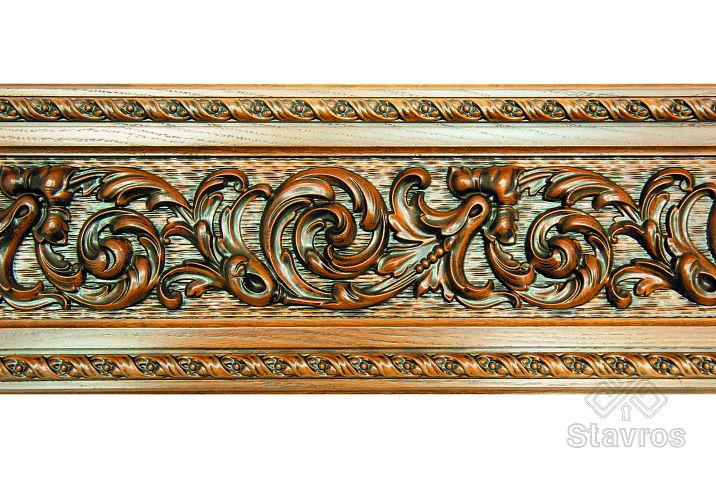
The ceiling is not merely a structural element separating one floor from another. In interior architectural composition, it plays the role of a kind of sky, defining the atmosphere and character of the entire room. Ceiling Framing — is that final touch that transforms an ordinary space into a work of art, giving it depth, character, and individuality. Like a picture frame, properly chosen framing can highlight the strengths of a room, conceal its flaws, and create a harmonious composition in which every element is in its proper place.
In the world of modern design, where minimalism often coexists with a penchant for classical forms, ceiling decoration acquires special significance. It becomes not merely a decorative element, but a means of architectural expression, allowing the creation of a unique space that reflects the taste and status of the owner. STAVROS Company, with its long-standing experience and impeccable reputation, offers a wide range of solutions for those who value quality, aesthetics, and a personalized approach to interior design.

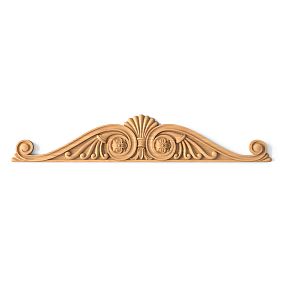

Historical Heritage of Ceiling Decoration: From Palaces to Modern Interiors
The history of architectural ceiling decoration spans millennia. Already in ancient Egypt and Mesopotamia, ceilings of temples and palaces were adorned with complex reliefs and paintings reflecting cosmogonic beliefs and religious convictions. However, the true golden age of ceiling decoration came during the Renaissance, when architects and artists turned to the heritage of antiquity, reinterpreting it in accordance with new aesthetic and philosophical ideals.
Renaissance ceilings impress with their complexity and thoughtfulness. Coffered structures adorned with carved rosettes and ornaments created the impression of infinite space stretching upward. Wooden beams decorated with carving and gilding not only fulfilled a structural function but also became an important element of artistic decoration. Ceiling painting, often employing techniques of illusionistic perspective, transformed the ceiling into a window to another world inhabited by gods and heroes.
Baroque brought dynamism and theatricality to ceiling decoration. Complex multi-level structures with stucco, sculpture, and painting created the impression of movement and transformation of space. The ceiling was no longer perceived as a flat surface — it became a complex three-dimensional composition in which architectural elements interacted with painted and sculptural ones, creating a unified artistic whole.
Classicism, with its striving for clarity and rationality, introduced order and symmetry into ceiling decoration. Cornices and moldings for ceilings became more restrained and geometrically correct, yet did not lose elegance or expressiveness. Special attention was paid to proportions and rhythmic composition, creating a sense of harmony and balance.
In the 19th century, with its eclecticism and historicism, designers and architects freely combined elements of various styles, creating new, often unexpected combinations. Ceiling decorative elements of this period are distinguished by a variety of forms and motifs, from neo-Gothic to neo-Renaissance, from Moorish to Byzantine. This was a time of experimentation and exploration, when traditional techniques and materials were used to create new artistic solutions.
Often turns to historical styles, reinterpreting them in accordance with new technologies and aesthetic perceptions. Classical cornices and moldings, carved rosettes and coffers find their place in 21st-century interiors, creating a link between the past and the present, tradition and innovation.
Modern Ceiling Framing Often refers to historical styles, reinterpreting them in accordance with new technologies and aesthetic perceptions. Classical cornices and moldings, carved rosettes and coffered ceilings find their place in 21st-century interiors, creating a link between the past and the present, tradition and innovation.




Solid Wood: The Nobility of Material and Craftsmanship
In a world where synthetic materials are becoming increasingly prevalent, natural wood retains its unique appeal. Solid wood trim, used for ceiling decoration, possesses several indisputable advantages that make it a choice of true connoisseurs of quality and aesthetics.
Firstly, it is eco-friendliness. Wood is a renewable resource that, with proper forest management, does not harm the environment. Solid wood products do not emit harmful substances, create a favorable microclimate in the room, and contribute to natural humidity regulation. For those who care about their health and the well-being of the planet, wooden ceiling decoration becomes a conscious choice combining aesthetics and ecological responsibility.
The second important advantage is durability. Properly processed and installed wooden finishes can serve for decades without losing their aesthetic and functional qualities. Unlike many modern materials, wood does not degrade with age but develops a noble patina that only enhances its beauty. Solid wood decorative cornices and moldings from STAVROS, manufactured according to all technological requirements, become not merely interior elements but heritage that can be passed on to future generations.
The third advantage is aesthetic value. Each wood species has its unique grain pattern, color, and texture, making each item unique. Oak with its expressive texture and warm golden hue, walnut with its deep chocolate color, ash with its elegant light tone — the choice of wood species for ceiling decoration becomes an important design decision, defining the character of the entire interior.
STAVROS Company, specializing in the production of solid wood products, offers a wide range of ceiling decorative elements, from classic cornices and moldings to complex carved compositions. Each item is the result of combining traditional craftsmanship with modern technologies, ensuring impeccable quality and precision of execution.
STAVROS pays special attention to wood processing. All products undergo a multi-stage drying process, eliminating the possibility of deformation or cracking during use. The surface is carefully sanded, ensuring perfect smoothness and highlighting the natural beauty of the texture. Upon request, items can be coated with varnish, oil, or paint, expanding possibilities for integration into various interior solutions.
An important aspect is also the eco-friendliness of production. STAVROS uses only legally sourced wood from certified sources, guaranteeing compliance with high environmental standards. All production processes are organized to minimize environmental impact, from economical use of raw materials to waste disposal.
For those who value a personalized approach, STAVROS offers services for manufacturing custom-made items based on the client’s sketches. This allows creating unique interior solutions, in which Ceiling Framing becomes not just a decorative element, but an expression of the owner's personality and taste.
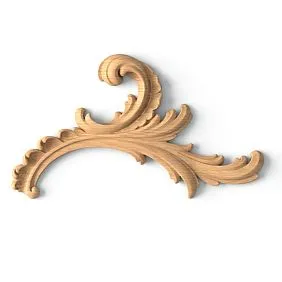
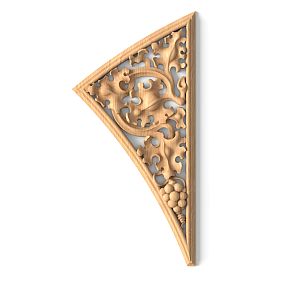
Our factory also produces:
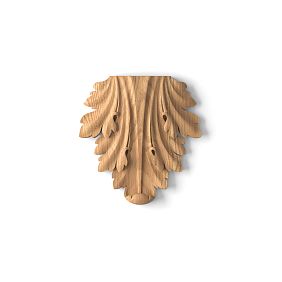


Architectural Composition: Harmony of Upper Space
Ceiling composition is not just a set of decorative elements, but a complete architectural system in which each detail has its place and significance. Properly designed Ceiling Framing can visually alter the proportions of the room, create a certain mood, and emphasize the stylistic unity of the interior.
The ceiling composition is usually based on a cornice — a profiled element located at the junction of the wall and ceiling. It not only conceals the technological seam, but also creates a smooth transition between vertical and horizontal planes, softening the angle and giving the interior a finished look. Cornices and ceiling moldings can have various profiles — from simple rounding to complex multi-level forms with ornamental elements.
In a classical interior, the cornice is often complemented by a ceiling plinth or frieze — a horizontal band running along the perimeter of the ceiling. The frieze may be smooth or decorated with relief ornamentation, creating an additional level of detail and complexity in the architectural composition. In particularly luxurious interiors, the frieze may include narrative reliefs or even sculptural elements.
The central element of the ceiling composition is often a rosette — a circular or polygonal decorative element located in the center of the ceiling. Historically, the rosette served as the base for a chandelier, but today it can be used as a standalone decorative element. Carved ceiling elements in the form of rosettes may have varying degrees of complexity — from a simple geometric pattern to an elaborate floral composition.
In more complex ceiling compositions, coffered panels — recessed panels, often square or polygonal in shape — are used to create a relief, structured ceiling effect. Coasters can be either structural elements formed by intersecting beams or decorative elements created using applied components. The interior space of coffered panels is often decorated with carved rosettes or ornamental inserts, creating an effect of depth and complexity.
To create a more dynamic composition, curved elements called coves — connecting the wall and ceiling — may be used. Coves create a smooth, flowing transition between planes, which is particularly characteristic of baroque or rococo interiors. They may be smooth or decorated with stucco or carving, depending on the overall stylistic solution.
In modern interiors, multi-level ceiling structures are increasingly used, in which the architectural treatment of the ceiling becomes a complex three-dimensional composition. Different levels may be emphasized using moldings and cornices, creating a play of light and shadow that enhances the spatial effect. Such solutions allow not only to decorate the ceiling, but also to zone the space, highlighting functional areas and creating different lighting scenarios.
STAVROS Company offers a wide range of elements for creating ceiling compositions of any complexity. This includes classical cornices of various profiles, decorative moldings, carved rosettes, and elements for creating coffered ceilings. All items are made from high-quality solid wood, ensuring their durability and aesthetic value.
STAVROS pays special attention to the compatibility of different elements. All items are designed to be combinable, creating harmonious compositions. This allows designers and architects to realize the most daring ideas, without being limited to standard solutions.
Get Consultation
Stylistic Solutions: From Classicism to Modernity
A ceiling in the classical style is an embodiment of harmony, proportionality, and elegance. It is characterized by symmetrical composition, use of traditional architectural elements, and restrained color palette. Classical ceiling decoration usually includes a cornice with profiled cross-section, often with ornamental elements such as Ionic, Ovate, or Meander motifs. The central part of the ceiling may be decorated with a rosette or medallion, from which molding rays radiate, forming a geometric pattern.
The color palette of a classical ceiling is usually light — white, cream, light gray. This creates a sense of lightness and airiness, and also serves as a neutral background for more vibrant interior elements. In particularly luxurious versions, gold leaf may be used to accentuate individual details, giving the interior a special solemnity and status.
Neoclassical style, being a modern interpretation of classicism, retains the main principles of classical decoration, but makes them more concise and adapted to modern interiors. Cornices and moldings become less bulky, ornamental elements — more restrained, but the overall structure and proportionality are preserved. This makes neoclassical style an ideal choice for those who appreciate the elegance of classicism, but prefer a more modern, less formal approach to interior decoration.
Art Deco style, which reached its peak in the 1920s-30s, offers a bolder and more decorative approach to ceiling decoration. It is characterized by geometric patterns, stepped forms, contrasting color combinations, and use of expensive materials. Ceiling decoration in the Art Deco style may include multi-level structures with lighting, mirrored inserts, metallic accents. Wooden elements are often dark in color and have a glossy surface, creating an effect of luxury and sophistication.
Minimalism, as a stylistic direction, implies maximum simplification of forms and rejection of decorative excesses. However, this does not mean complete absence of ceiling framingIn a minimalist interior, simple, concise cornices and moldings may be used, creating clear lines and emphasizing the geometry of space. They are often white, blending with the ceiling and walls, but still creating a subtle play of light and shadow. This approach allows maintaining the purity and simplicity of minimalism, while avoiding the feeling of incompleteness and emptiness.
Scandinavian style, with its love for natural materials and light shades, offers its own approach to ceiling decoration. Here, wooden beams are often used, which can be both a structural element and decorative. They are usually natural in color or painted white, creating a sense of lightness and airiness. Cornices and moldings in Scandinavian style are usually simple and concise, without excessive ornamentation. Their main function is to create a clear boundary between different planes and emphasize the structure of space.
Eclecticism, as a stylistic direction, allows freely combining elements of different styles, creating unique, individual solutions. In an eclectic interior Ceiling Framing can combine classical cornices with modern lighting fixtures, traditional rosettes with minimalist furniture. The key in eclecticism is to maintain balance and harmony, so that different elements do not conflict with each other, but create a cohesive composition.
STAVROS Company offers a wide range of products for ceiling decoration in various styles. This includes classical cornices with profiled cross-sections, minimalist moldings for modern interiors, and carved elements for more decorative solutions. All items are made from high-quality solid wood, ensuring their durability and aesthetic value.
Examples of Ceiling Compositions Using STAVROS Products
Let us consider several specific examples of ceiling decoration using STAVROS products, to better understand how theoretical principles are embodied in real interior solutions.
First example — a classical living room interior in a country house. Here, the ceiling composition is based on the K-043 cornice made of solid oak, featuring a complex profile with multiple levels and ornamental elements. The cornice is installed around the perimeter of the room, creating a clear boundary between walls and ceiling. The central part of the ceiling is decorated with the R-024 rosette, from which M-018 moldings radiate, forming a geometric pattern of squares and rectangles. All elements have a unified color scheme — they are painted white with a light gold patina on protruding details, giving the interior elegance and status. The chandelier suspended from the center of the rosette becomes a natural focal point of the composition, and its classical design with crystal pendants harmonizes with the ceiling decoration.
Second example — a modern dining room interior in an urban apartment. Here, a more minimalist approach to ceiling decoration is used. The composition is based on the K-021 cornice made of solid ash, featuring a simple yet elegant profile without ornamental elements. The cornice is painted the same color as the walls, creating an effect of a unified space. The central part of the ceiling is decorated with a minimalist rosette R-008, from which thin M-005 moldings radiate toward the cornice, forming a radial composition. All elements have a matte surface, which corresponds to modern aesthetics. Lighting is organized using built-in fixtures located around the perimeter of the ceiling and a pendant lamp above the dining table. This solution creates a sense of lightness and space, without overloading the interior with decorative elements.
Third example — an office interior in the Art Deco style. Here, the ceiling composition becomes an important element of the overall stylistic solution. The K-035 cornice made of solid walnut is used, featuring a geometric profile with characteristic stepped forms of Art Deco. The cornice has a dark color with a glossy surface, creating an effect of luxury and sophistication. The central part of the ceiling is decorated with M-027 moldings forming a complex geometric pattern of hexagons and rhombuses. In the center of the composition is the R-017 rosette with an abstract geometric ornament. All elements have a unified color scheme, creating a cohesive composition. Lighting is organized using built-in fixtures located at the nodes of the geometric pattern, and a central Art Deco-style chandelier with metallic elements and matte glass shades.
These examples demonstrate how STAVROS products can be used to create ceiling compositions in various styles. Thanks to a wide range and high quality of execution, they allow implementing the most diverse design ideas, from classical to modern.
Practical aspects: selection, installation, maintenance
Choosing the right ceiling framing — is an important stage in creating a harmonious interior. When selecting, several key factors must be considered: interior style, room proportions, color scheme, materials, and budget.
The interior style determines the overall aesthetic and character of the ceiling decoration. For classic interiors, cornices and moldings with profiled sections and ornamental elements are suitable. For modern interiors, more minimalist and geometric forms are preferred. It is important that the ceiling decoration harmonizes with other interior elements, from furniture to wall finishes.
Room proportions also play an important role. In rooms with high ceilings, more substantial cornices and complex multi-level compositions can be used. In rooms with low ceilings, it is better to choose lighter and more compact elements that will not visually "press" on the space. Properly selected Ceiling Framing can visually alter the proportions of the room — making it appear higher, wider, or more cozy.
The color scheme should match the overall color palette of the interior. Traditionally, ceiling elements are white or light-colored, creating a sense of lightness and airiness. However, in modern interiors, contrasting color schemes are increasingly used — dark cornices on light ceilings or vice versa. This approach allows for a more dynamic and expressive composition.
The material of ceiling elements is also important. Solid wood in ceiling finishes is a choice for those who value naturalness, eco-friendliness, and durability. Wooden elements can have a natural color, highlighting the beauty of the texture, or be painted to match the overall color scheme of the interior.
Budget, of course, is also an important factor. Solid wood items are usually more expensive than their synthetic counterparts, but they offer undeniable advantages — durability, eco-friendliness, and aesthetic value. This makes them not just an expense, but a long-term investment in the quality and comfort of living space.
Installing ceiling decorative elements is a process requiring certain skills and tools. Although many elements can be installed independently, for complex compositions it is recommended to consult professionals. This ensures proper installation, guaranteeing the longevity and aesthetic appeal of the ceiling decoration.
The installation process typically includes several stages: surface preparation, marking, mounting elements, and finishing. Surface preparation includes cleaning, leveling, and priming. Marking involves drawing lines along which cornices and moldings will be installed. Mounting elements can be done in various ways — using adhesive, nails, screws, or special fastening systems. Finishing includes filling joints, sanding, and painting if necessary.
Maintenance of wooden ceiling elements is relatively simple. Regular dust cleaning with a soft brush or vacuum cleaner with a brush attachment, periodic wet cleaning using specialized wood care products — this is all that is required to keep them in good condition. If necessary, you can renew the varnish or paint finish, which will help preserve the original appearance of the items for many years.
STAVROS company provides detailed installation and maintenance instructions for its products, as well as consultative support at all stages — from selection to installation and use. This allows customers to be confident in their choice and the quality of the final result.
Conclusion: investment in the aesthetics and architecture of space
Ceiling Framing — is not just a decorative element, but an important component of the interior's architectural composition. Properly selected and installed, it can transform the space, give it character and individuality, and create a sense of harmony and completeness.
Choosing ceiling decorative elements made of solid wood from STAVROS means investing not only in the aesthetics of your home, but also in its eco-friendliness, comfort, and durability. This is a choice that will delight you and your loved ones for many years, creating an atmosphere of coziness and well-being.
STAVROS' wide range of products allows you to realize any design ideas, from classic to modern, from minimalist to luxurious. High-quality materials and craftsmanship guarantee the longevity and aesthetic appeal of ceiling decoration, while professional support at all stages — from selection to installation — ensures an ideal result.
Do not postpone transforming your interior. Visit the STAVROS website, browse the product catalog, and choose ceiling decorative elements that will become the perfect finishing touch for your interior. Invest in beauty and quality that will delight you every day.