












































































Article Contents:
- Historical evolution of facade framing
- From antiquity to the Middle Ages
- Renaissance and Baroque: the peak of decorative framing
- Classicism and Eclecticism: from strictness to diversity
- Modernism and Modern: new approaches to framing
- Materials for facade framing
- Natural stone: eternal classic
- Wood: warmth and eco-friendliness
- Artificial stone and fiber-cement
- Metal: strength and expressiveness
- Facade framing elements
- Coffers and Panels
- Mouldings and portals
- Pilasters and Columns
- Rusts and pilasters
- Manufacturing and installation technologies
- Traditional methods of material processing
- Modern manufacturing technologies
- Installation and mounting of framing elements
- Stylistic solutions in facade framing
- Classical styles
- National and regional styles
- Modern trends
- Practical aspects of selection and maintenance
- Choosing framing for different types of buildings
- Care and Maintenance of Various Types of Framing
- Restoration and Rehabilitation of Historical Framing
- Conclusion
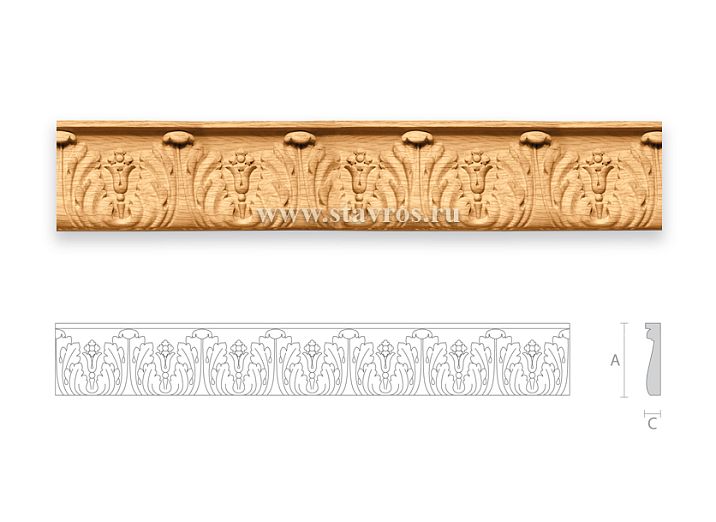
In the world of architecture and construction, there are many elements that not only perform practical functions but also give buildings a unique appearance. One of such important elements is facade framingwhich, like a picture frame, highlights the beauty of the architectural solution, protects the structure from external influences, and creates a complete image of the building.
facade framing Facade framing is not just a decorative element, but a whole complex of architectural details that form the external appearance of a building, protect it from atmospheric influences, and give it individuality. In this article, we will delve into the fascinating world of facade framing, examine its historical development, diversity of materials and styles, technological aspects, and modern trends.


Historical evolution of facade framing




From antiquity to the Middle Ages
History facade framing dates back to millennia. Already in ancient Greece, architects paid special attention to the design of temple and public building facades. The classical Greek order, with its columns, capitals, friezes, and cornices, became the first systematic form of facade framing. The Doric, Ionic, and Corinthian orders differed not only in the shape of their capitals but also in the proportions of all framing elements.
Roman architecture inherited and developed Greek traditions, adding new elements — arches, vaults, domes. The Romans created the composite and Tuscan orders, enriching the palette of architectural solutions. Special attention was paid to decorative finishes — stucco, bas-reliefs, sculptural groups, which became an indispensable part of facade framing.
In the Middle Ages with the spread of Romanesque and Gothic styles facade framing acquired new features. Romanesque architecture is characterized by massive walls with small windows framed by simple moldings. Gothic style, on the contrary, aimed for lightness and upward aspiration—pointed arches, delicate rose windows, numerous turrets and pinnacles created the unique silhouette of cathedrals.
Our factory also produces:


Renaissance and Baroque: the flourishing of decorative framing
The Renaissance era returned to classical ideals, but reinterpreted them in accordance with new conceptions of harmony and proportions. facade framing became more refined and mathematically precise. Renaissance architects widely used pilasters, columns, cornices, and pediments to create harmonious compositions. Special attention was paid to the design of doorways and windows—they were framed by complex moldings, sashings, and volutes.
Baroque brought dynamism and expressiveness to architecture. Facade framing became more plastic, rich in details, often asymmetrical. Curved cornices, broken pediments, ornate moldings, sculptural groups—all created an effect of movement and theatricality. Baroque tendencies were especially vivid in church architecture, where facades transformed into complex multi-tiered compositions.
Get Consultation
Classicism and Eclecticism: from strictness to diversity
Classicism returned to classical models, but interpreted them more strictly and rationally. facade framing In classical buildings, lines are distinct, symmetry is emphasized, and decoration is restrained. Porticos with columns, triangular pediments, cornices with modillions were widely used. Special attention was paid to proportions and rhythm of elements.
The 19th century, with its eclecticism and historicism, brought unprecedented diversity to facade framing. Architects freely combined elements from various historical styles—from neo-Gothic to neo-Baroque. Facades were adorned with pilasters, columns, cornices, moldings, rustication, ornamental details. Industrial development allowed the use of new materials—cast iron, steel, cement—which expanded the possibilities of decorative treatment.
Modernism and Modernism: new approaches to framing
The Art Nouveau (Modern) style at the turn of the 19th–20th centuries proposed a new aesthetic based on flowing, fluid lines and plant motifs. facade framing acquired organic, natural forms. Ceramic inserts, majolica, stained glass, wrought iron elements were widely used. Each building became a unique work of art.
Modernism of the 20th century radically reevaluated the approach to architecture, abandoning ornamentation in favor of functionality. The slogan 'form follows function' led to the minimization of facade framing. Pure geometric forms, large glazed surfaces, absence of decorative elements—these are the characteristics of modernist architecture. However, even in this style, framing did not disappear entirely, but transformed into structural elements—window frames, eaves, parapets.
Materials for facade framing
Natural stone: eternal classic
Natural stone—one of the oldest and most durable materials for facade framingIts strength, resistance to atmospheric effects, and natural beauty make it an ideal choice for creating monumental, status buildings.
Granite—an extremely strong and durable material, resistant to abrasion and aggressive environments. The variety of colors and textures allows for diverse architectural solutions. Granite is used for making foundations, portals, columns, cornices, moldings. Its drawback is high cost and difficulty in processing.
Marble—a softer and more malleable material, allowing for complex decorative elements. It is valued for its variety of patterns and color tones. However, marble is less resistant to atmospheric effects, especially in polluted urban environments, and requires regular maintenance.
Limestone and sandstone—relatively soft rocks that are easy to process. They were widely used in historical architecture for carved details, cornices, moldings. These materials have a warm, natural color, but require protection from moisture and pollution.
Wood: warmth and eco-friendliness
Wood—a traditional material for facade framingespecially in regions with abundant forest resources. It is valued for its eco-friendliness, warmth, ease of processing, and natural texture beauty.
Oak—one of the strongest and most durable wood species. Oak framing elements can serve for decades with proper processing and maintenance. Oak has a beautiful texture and develops a noble silver-gray hue over time.
Larch—distinguished by high resistance to moisture and decay due to high resin content. This makes it ideal for outdoor use. Larch has a beautiful golden color, which darkens over time to honey-brown.
Spruce and pine—more accessible species widely used for facade framing in budget segments. With proper treatment using antiseptics and protective coatings, they can serve for a long time.
Wooden facade framing requires regular maintenance—renewing protective coatings, checking for pests and rot. However, its advantages—eco-friendliness, aesthetics, restorability—make wood a popular material even in modern architecture.
Artificial stone and fiber-cement
Modern technologies have enabled the creation of materials that imitate natural stone but surpass it in certain characteristics.
Artificial stone is a composite material based on cement with the addition of pigments and modifiers. It is lighter than natural stone, easier to process and install, and has more stable properties. Modern technologies allow creating artificial stone that is virtually indistinguishable from natural stone in appearance.
Fiber-cement is a cement-based material reinforced with fibers (cellulosic, mineral, synthetic). It is characterized by high strength, moisture resistance, and UV resistance. Fiber-cement panels and elements are used to create modern facade trim — cornices, moldings, decorative elements.
These materials allow creating facade framing any complexity at relatively low cost. They require no special maintenance and retain an attractive appearance for decades.
Metal: strength and expressiveness
Metal has been used in facade trim since ancient times, but gained particular popularity in the 19th-20th centuries with the development of industrial technologies.
Cast iron was used to create decorative elements in 19th-century architecture. Cast iron allowed for mass production of complex ornamental details. However, cast iron is susceptible to corrosion and requires regular protective treatment.
Steel is a stronger and more ductile material widely used in modern architecture. Steel elements can be painted, galvanized, or coated with protective compounds to prevent corrosion.
Aluminum is a lightweight, corrosion-resistant metal that does not require additional protection. Aluminum profiles and panels are widely used in modern facade trim, especially in high-rise construction.
Copper and bronze are noble metals that develop a patina over time, acquiring a characteristic greenish or brownish hue. They are used to create exclusive decorative elements that highlight the status of a building.
Facade trim elements
Crown mouldings and mouldings
Cornices are horizontal projecting elements that serve to divert rainwater from building walls and simultaneously act as an important decorative element. In classical architecture, a cornice consists of several profiled parts forming a complex silhouette.
Crowning cornice is located at the top of the building, at the junction of the wall and roof. It protects the facade from water dripping from the roof and visually completes the building's composition.
Interfloor cornice divides the facade horizontally, emphasizing the building's tiered structure. It may have varying degrees of projection and decorative detailing.
Window cornice is located under windows and serves to divert water away from window openings. It is often combined with window moldings and other decorative elements.
Moldings are profiled elements used to divide facades, frame openings, and create decorative panels. They can have various profiles — from simple rectangular to complex curved.
facade framing Using cornices and moldings allows creating expressive play of light and shadow, emphasizing the building's architectural style, and visually correcting its proportions.
Moldings and portals
Moldings are decorative framing of window openings that serve both aesthetic and practical functions, protecting the junction between the window frame and wall from moisture penetration.
In classical architecture, moldings can be very complex, including pilasters, columns, sashings, and pediments. In folk architecture, wooden moldings were often adorned with carving, becoming true works of art.
Portals are decorative framing of entrance doors that emphasize the importance of the entrance and create a transitional zone between the exterior space and interior. Portals may include columns, pilasters, pediments, cornices, sculptural elements.
facade framing Using moldings and portals allows creating accents on important building elements, emphasizing its functional structure, and adding decorative elements.
Pilasters and columns
Pilasters are flat vertical projections on the wall surface, imitating columns. They have the same proportions and details as columns of the corresponding order — base, shaft, capital. Pilasters are used for vertical division of facades, creating rhythmic structure, and framing openings.
Columns are freestanding vertical supports that can be structural or decorative. In facade trim, columns are often used to create porticos, balconies, and galleries. They can be executed in various architectural orders — Doric, Ionic, Corinthian, Composite.
facade framing Using pilasters and columns gives the building a monumental quality, creates expressive play of light and shadow, and emphasizes vertical lines.
Rusts and moldings
Rusts are decorative surface treatment of walls, imitating masonry of large stones with pronounced joints. Rusting can be done in stone, plaster, or concrete. It gives the facade massiveness, texture, and creates play of light and shadow.
Several types of rusts are distinguished:
- Quadrangular rusts – imitate masonry made of regular rectangular blocks with clear horizontal and vertical joints.
- Diamond rusts – have a convex, faceted surface resembling gemstone cutting.
- Board rusts – imitate masonry made of long horizontal blocks with pronounced horizontal joints.
Fillet panels – recessed or protruding panels on the wall surface, framed by profiled borders. They are used for decorative facade division, creating rhythmic structure, and placing ornamental or sculptural inserts.
facade framing Using rusts and fillets allows avoiding monotony of smooth walls, creating an interesting play of light and shadow, and emphasizing the architectural style of the building.
Manufacturing and Installation Technologies
Traditional methods of material processing
Traditional methods of element manufacturing facade framing Based on manual material processing and passed down from generation to generation.
Stone carving – one of the oldest methods of creating decorative elements. The master stonemason, using special tools (chisels, hammers, wedges), carves the required shape from a stone block. This process requires high skill and takes much time, but allows creating unique, irreplaceable elements.
Wood carving – a traditional method of decorating wooden facade elements. Several types of carving are distinguished:
- Flat (relief) – the pattern is selected on the surface of the wood, creating a raised design.
- Through (perforated) – the background is completely removed, creating an openwork pattern.
- Three-dimensional – sculptural carving in three dimensions.
Stucco – manufacturing decorative elements from plaster, lime, or cement. Traditionally, stucco was made by hand directly on the facade or cast in molds. This method allowed creating complex ornamental and sculptural compositions.
Forging – manufacturing decorative metal elements by plastic deformation of heated metal. Forged elements are characterized by strength, durability, and artistic expressiveness.
Modern Manufacturing Technologies
Modern technologies have allowed automating and accelerating the manufacturing process of elements facade framing, making them more accessible and diverse.
CNC processing – using computer numerical control machines to create decorative elements from various materials (stone, wood, plastic). Computer modeling allows creating complex shapes with high precision and repeatability.
3D printing – an additive technology allowing to create volumetric elements by layer-by-layer material deposition. This technology is especially effective for creating prototypes and small-batch items of complex shape.
Polymer concrete casting – a technology in which decorative elements are cast from a mixture of polymer resins and mineral fillers. Polymer concrete products are lighter than traditional stone, but mimic their appearance and possess high strength and durability.
Extrusion – a technology of obtaining products by forcing material through a forming aperture. This method is widely used for producing plastic and metal profiles, which can then be used in facade framing.
Installation and mounting of framing elements
Correct installation of elements facade framing is crucial for their durability and aesthetic appeal.
Wet method – a traditional method in which framing elements are mounted directly onto the wall using mortar (cement, lime, gypsum). This method ensures a strong connection but requires high skill from the workers and takes much time.
Mechanical mounting – using various fastening elements (anchors, dowels, self-tapping screws) to fix framing details. This method is faster and allows easily replacing individual elements if necessary.
Adhesive bonding – using modern adhesive compositions to mount lightweight decorative elements. This method is simple to execute but requires careful surface preparation and selection of the appropriate adhesive.
Combined systems – combination of different mounting methods to ensure maximum reliability. For example, heavy stone elements can be mounted using mechanical anchors with additional use of adhesive or mortar.
When installing elements facade framing it is necessary to consider thermal deformation of materials, ensure waterproofing of joints, and provide ventilation to prevent moisture accumulation.
Stylistic solutions in the context of facades are based on ancient traditions and evolved over several centuries. They are characterized by harmonious proportions, symmetry, and the use of the order system.
Classic styles
Classical styles facade framing Renaissance – characterized by clear composition, harmonious proportions, and moderate decoration. Typical elements include rusticated ground floors, pilasters and columns of classical orders, arched windows with keystone stones, cornices with modillions, and pediments above windows.
Baroque – characterized by dynamism, plasticity of forms, and abundance of decoration. Typical elements include curved cornices, broken pediments, volutes, cartouches, ornate moldings, and sculptural groups.
Neoclassicism – characterized by strictness, restraint, and rationality. Typical features include clear symmetry, use of ancient orders, triangular pediments, and restrained decoration.
Empire – a monumental style developed from Neoclassicism. It is characterized by massive forms, military symbolism (laurel wreaths, eagles, lions), and use of Egyptian motifs.
National and regional styles
National and regional styles
National and regional styles facade framing Reflect cultural traditions and climatic characteristics of various regions.
Russian style – includes elements of ancient Russian architecture and folk architecture. Typical features include pointed arches, kokoshniks, ornamentation, polychrome finishes, and carved window casings.
Gothic style – characterized by verticality, delicacy, and abundance of vertical lines. Typical elements include pointed arches, rose windows, pinnacles, buttresses, and stained glass.
Moorish style – characterized by use of horseshoe arches, delicate latticework, geometric ornamentation, and polychrome finishes.
Scandinavian style – characterized by simplicity of forms, functionality, use of natural materials (wood, stone), and minimal decoration.
Modern trends
Modern trends in facade trim Reflect new technological capabilities, ecological requirements, and aesthetic preferences.
Minimalism – characterized by simplicity of forms, absence of decoration, use of clean lines and planes. Facade framing reduces to constructive elements – window frames, eaves, parapets.
High-tech – characterized by use of modern materials (glass, metal, composites), open structures, and technological elements as decoration.
Ecological style – characterized by use of natural materials, integration of the building into the natural environment, and application of green technologies (vertical greening, solar panels).
Parametric architecture – based on computer modeling of complex curved forms. Facade framing becomes part of a unified sculptural composition, without clear distinction between functional and decorative elements.
Choosing corner trim for different types of rooms
Choice of framing for different types of buildings
Choosing facade framing Should consider the building’s functional purpose, architectural style, surrounding development, and climatic conditions.
Residential buildings – require framing that creates a cozy, home-like atmosphere. For private homes, wooden, stone, or molded elements matching the overall house style are suitable. For multi-family buildings, it is important to choose durable materials that require minimal maintenance.
Public buildings – require impressive, expressive framing that highlights their status and function. Classical elements – columns, pilasters, cornices – are often chosen for administrative buildings, museums, and theaters. Innovative materials and forms are suitable for modern public centers.
Industrial buildings – require functional, practical framing that protects structures from atmospheric influences and provides an aesthetically acceptable appearance. Simple, geometric forms made from durable, pollution-resistant materials are often used.
Historical buildings – during restoration, it is necessary to preserve or recreate original framing using authentic materials and techniques. This requires careful study of historical documents, photographs, and analogs.
Care and maintenance of different types of framing
Proper care of Facade framing Allows maintaining its aesthetic and functional qualities for many years.
Stone framing – requires regular cleaning from dust and pollutants. Special cleaning agents are used for different types of stone. Porous stones (limestone, sandstone) require periodic hydrophobization to protect against moisture. Marble is sensitive to acids, so cleaning agents containing citric acid or vinegar are not suitable.
Wooden framing – requires protection from moisture, ultraviolet radiation, and biological pests. Protective coatings (varnish, paint, oil) must be renewed regularly, and checks for rot and pests must be performed; damaged elements must be replaced promptly.
Metal framing – requires protection against corrosion. Black metals (cast iron, steel) require regular painting or other anti-corrosion treatments. Colored metals (copper, bronze) may develop a patina that protects against further corrosion and creates a decorative effect.
Stucco molding is sensitive to mechanical damage and moisture. It must be regularly inspected for cracks and flaking, and repairs should be carried out promptly. To protect against moisture and dirt, stucco can be coated with special hydrophobic compounds.
Restoration and recovery of historical molding
Historical restoration facade framing – a complex process requiring specialized knowledge, skills, and materials.
Research and documentation – the first stage of restoration, including the study of historical documents, photographs, and similar buildings from the same period. It involves a detailed examination of preserved elements, recording their dimensions, shape, material, and manufacturing technique.
Conservation – a set of measures aimed at preserving the existing condition of molding elements, preventing further deterioration. Includes cleaning from contaminants, strengthening the material structure, and protection against atmospheric effects.
Restoration – restoration of lost or damaged elements while preserving the historical appearance. Traditional materials and techniques, as close as possible to the original, are used. If exact replication is not possible, modern materials imitating historical ones may be used.
– must be carried out under the supervision of specialists in architectural heritage protection, in compliance with all regulatory requirements.
Historical restoration facade framing must be carried out under the supervision of specialists in architectural heritage protection, in compliance with all regulatory requirements.
Conclusion
facade framing – it is not merely a decorative element, but an important component of a building’s architectural appearance, serving both aesthetic and practical functions. The choice of materials, style, and quality of execution of the molding affects not only the building’s appearance but also its durability, energy efficiency, and comfort for occupants.
In modern architecture facade framing – continues to evolve, combining traditional forms with new technologies, responding to the challenges of the time – ecological requirements, energy efficiency, individualization. It remains an important means of expressing architectural ideas, creating the character of a building, and integrating it into the urban environment.
STAVROS offers a wide range of high-quality products for facade framing – moldings, cornices, pilasters, and door and window casings made from various materials. Years of experience, modern equipment, and skilled specialists enable the creation of items of any complexity, from classical to innovative.
STAVROS delivers products to any region of the Russian Federation, ensuring the preservation of items and adherence to deadlines. Individual approach to each client, specialist consultations, and quality guarantee – all of this makes STAVROS a reliable partner in creating expressive, long-lasting facade molding for your building.





