Article Contents:
- Historical Evolution of Door Frame Design
- From Functionality to Art: The Birth of Tradition
- Middle Ages and Renaissance: The Peak of Ornamentation
- Baroque, Rococo, and Classicism: Evolution of Styles
- Modern Trends and Return to Tradition
- Materials for Creating Door Frames
- Wood: Traditional Classicism
- Stone and Its Imitations
- Metal: From Classicism to Avant-Garde
- Polymer Materials and Composites
- Stylistic Solutions in Door Frame Design
- Classic Styles: From Antiquity to Neoclassicism
- Ethnic and regional styles
- Modern and Avant-Garde Solutions
- Manufacturing and installation technologies
- Traditional Handcrafted Methods
- Modern manufacturing technologies
- Features of Installing Different Types of Door Frames
- Practical aspects of selection and maintenance
- Choosing Framing for Different Types of Rooms
- Care and restoration
- Integration with Other Interior Elements
- Innovative Approaches and the Future of Door Frames
- Technological Innovations
- Eco-Trends
- Personalization and customization
- Conclusion
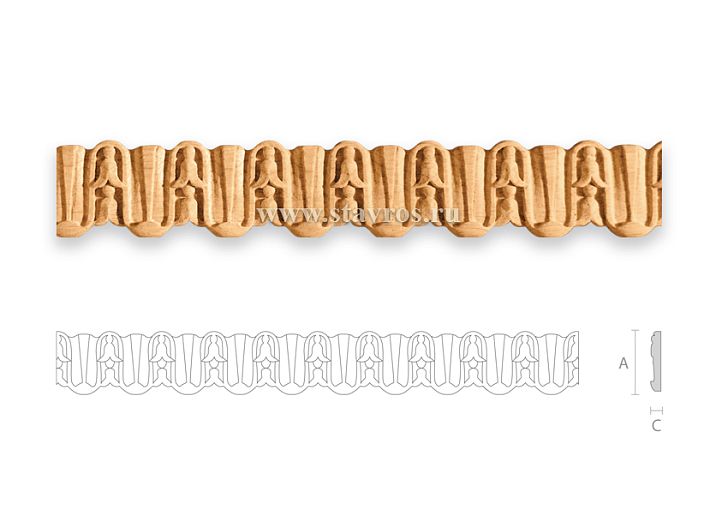
In architecture and interior design, there are elements that, despite their apparent secondary nature, play a decisive role in forming the overall appearance of a space. One such key element is Door Frame Installation – a detail that combines functionality with aesthetics and is capable of radically transforming the perception of space.
Door Frame Installation – it is not merely a decorative element, but also an important structural component that protects the edges of the opening from damage, conceals technological gaps between the wall and the door frame, and serves as a transitional element between different rooms. A properly selected frame can emphasize the architectural style of the interior, create visual accents, and even visually alter the proportions of the space.
In this article, we will delve into the multifaceted world of door frames: we will study their historical development, examine the variety of materials and styles, become familiar with manufacturing and installation technologies, and also offer practical recommendations for choosing the optimal solution for different types of interiors. Whether you are restoring a historic building or designing a modern living space, this information will help you make an informed choice and achieve the desired result.
Historical Evolution of Door Frame Design




From Functionality to Art: The Birth of Tradition
History Door opening framing It spans millennia and is closely linked to the development of architecture and construction technologies. In the earliest structures of Mesopotamia and Egypt, door openings already had primitive frames, serving primarily a structural function – they reinforced the edges of the opening and prevented their destruction.
In ancient Greece, door frames acquired a more complex form and became an important element of architectural order. The Greeks developed a system of proportions and decorative elements used in the design of openings. Antabments, friezes, and cornices emerged, which later became canonical elements of classical architecture.
The Romans, inheriting Greek traditions, further developed them, adding new decorative elements and complicating profiles. It was in Roman architecture that door portals first began to be used as a means of expressing the status and prestige of the building's owner. The richer and more complex the Door Frame Installationthe higher the social status of the owner.
Our factory also produces:




Middle Ages and Renaissance: The Peak of Ornamentation
In the Middle Ages, door frames acquired a new symbolic meaning. In Romanesque and Gothic cathedrals, portals became not just entrances to buildings, but also a kind of boundary between the secular and sacred spaces. They were adorned with complex sculpture telling biblical stories and conveying religious symbols.
In secular architecture of this period Door Frame Installation Also played an important role. In castles and palaces, it emphasized the transition between different functional zones and was often adorned with heraldic symbols indicating the room's affiliation with a particular family.
The Renaissance brought a return to classical forms and proportions. Architects of this period studied ancient models and creatively reinterpreted them. Door portals became more harmonious and balanced, with clear proportions and elegant details. Complex profiles, pilasters, columns, and pediments emerged, creating an impression of monumentality and grandeur.
Get Consultation
Baroque, Rococo, and Classicism: Evolution of Styles
in the Baroque period Door Frame Installation Reached unprecedented opulence and ornamentation. Portals were adorned with volutes, cartouches, broken pediments, and sculptural compositions. They became not merely functional elements but also crucial components of the overall theatrical space of baroque interiors.
Rococo brought lighter, playful forms. Door frames of this period featured asymmetry, curved lines, and an abundance of botanical motifs. They were often complemented by mirrors, creating an illusion of infinite space.
Classicism returned to stricter, symmetrical forms inspired by antiquity. Door portals of this period featured clear lines, restrained ornamentation, and harmonious proportions. They often included columns or pilasters supporting an entablature with frieze and cornice.
Modern Trends and Return to Traditions
The 19th century, with its eclecticism and historicism, brought free mixing of various styles and eras. Architects and designers of this period drew inspiration from historical heritage, creating neo-Gothic, neo-Renaissance, neo-baroque, and other stylistic interpretations. Door Frame Installation Became an important element of this stylistic game.
Modernism at the turn of the 19th-20th centuries brought a new aesthetic based on smooth, organic lines and botanical motifs. Door frames of this period often had asymmetrical shapes and were decorated with stylized natural elements.
Mid-20th century modernism rejected ornamentation in favor of functionality and purity of form. Door openings became minimalist, often entirely lacking frames or featuring only simple geometric shapes.
In the last decades, there has been a return of interest in traditional forms Door opening framing. Modern designers and architects reinterpret historical heritage, creating interpretations of classical styles adapted to contemporary materials and technologies. At the same time, new approaches are also developing, based on experiments with form, materials, and lighting.
Materials for Creating Door Frame Openings
Wood: Traditional Classicism
. Its natural beauty, warmth, and eco-friendliness make wooden framing especially attractive for residential interiors. Door opening framing. It possesses natural beauty, warmth, and a unique texture that cannot be precisely reproduced artificially. Moreover, wood is easily workable, allowing for the creation of complex profiles and decorative elements.
Various types of wood are used to manufacture door frames, each with its own characteristics:
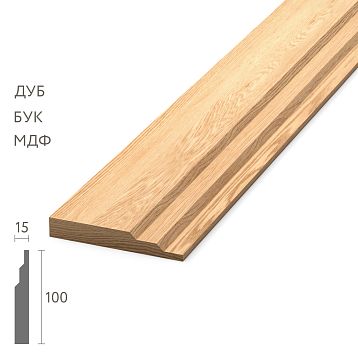
Oak – a traditional material for manufacturing door frames in European architecture. It is characterized by high strength, durability, and expressive texture. Oak frames acquire a noble patinated appearance over time, making them even more valuable.
Spruce – a more accessible material, yet possessing good service characteristics. Spruce frames have a light tone and distinct annual ring pattern. They are easily painted or stained, allowing them to be adapted to various interior styles.
Larch – distinguished by high resistance to moisture and decay due to natural resins. Larch frames have a beautiful golden hue and darken over time, acquiring a more saturated color.
Walnut – a noble wood with rich dark-brown coloring and complex texture. Walnut frames appear luxurious and elegant, making them an ideal choice for classical and neoclassical interiors.
Exotic woods (teak, wenge, mahogany) – used to create exclusive door frames. They are distinguished by unusual texture, color, and high resistance to external influences.
Stone and its imitations
Stone – a material associated with monumentality and durability. Stone Door opening framing was widely used in ancient and Renaissance architecture, and today it is primarily used in luxurious and prestigious interiors.
Marble – a classic material for manufacturing door portals. It is distinguished by its noble appearance, variety of colors and patterns. Marble frames can be monolithic or assembled, with inlays of other stone types.
Granite – a stronger and more resistant material to external influences. Granite frames appear solid and substantial, making them suitable for entrance areas and prestigious rooms.
Limestone and sandstone – softer stone types that are easier to work with. They are often used to create frames with relief decoration.
In modern construction, stone imitations – artificial stone, polymer concrete, gypsum with stone aggregate – are also widely used. These materials allow creating frames visually indistinguishable from natural stone, but lighter, easier to install, and more affordable.
Metal: from classic to avant-garde
Metallic Door opening framing They can be both traditional and ultra-modern. In classical architecture, bronze and cast iron were predominantly used, allowing the creation of complex decorative elements with high detail.
Bronze is a noble metal with a warm golden hue. Bronze frames were often adorned with relief images and ornaments. Over time, bronze develops a patina, which gives it a unique depth and expressiveness.
Cast iron is a strong and durable material widely used in 19th-century architecture. Cast iron frames were distinguished by their monumentality and rich decoration.
In modern design, frames made of stainless steel, aluminum, and other lightweight alloys are also popular. They can have both traditional forms and avant-garde designs with clean geometric lines.
Polymer materials and composites
The development of technologies has led to the emergence of new materials for manufacturing Door opening framing, which combine practicality, accessibility, and aesthetic qualities.
Polyurethane is a lightweight and strong material that allows creating frames with complex relief decoration. Polyurethane elements are resistant to moisture, do not deform or crack. They can imitate various materials—from wood to stone.
MDF (Medium Density Fiberboard) is a material based on wood fibers, characterized by dimensional stability and smooth surface. MDF is well-suited for milling and painting, allowing the creation of frames of various shapes and styles.
Composite materials combine the properties of different components. For example, wood-polymer composites (WPC) combine the strength and aesthetics of wood with the moisture and rot resistance of plastic.
Stylistic solutions for door openings
Classical styles: from antiquity to neoclassicism
Classical styles Door opening framing They are based on principles of symmetry, proportionality, and use of traditional architectural elements. They create a sense of harmony, elegance, and timeless beauty.
The classical style is characterized by the use of the order system—columns or pilasters supporting an entablature with frieze and cornice. Door portals in this style are distinguished by strict lines and clean forms.
The Renaissance style develops ancient traditions, adding more complex profiles and decorative elements. Characteristic features include arched finishes, medallions, garlands, and other classical motifs.
The Baroque style is distinguished by opulence, dynamism, and theatricality. Door frames in the Baroque style often have complex shapes with curved lines, broken pediments, volutes, and sculptural elements.
Rococo is a lighter and more playful style, characterized by asymmetry, curved lines, and an abundance of floral motifs. Door frames in the Rococo style often have the shape of a cartouche or shell.
Classicism and Empire return to more strict, symmetrical forms inspired by antiquity. They are characterized by clear lines, restrained decoration, and the use of military symbolism (in Empire).
Neoclassicism is a modern interpretation of classical styles, preserving their basic principles while adapting them to modern materials and technologies.
Ethnic and Regional Styles
Different cultures and regions of the world have developed their unique approaches to door frame, reflecting local traditions, climatic conditions, and available materials.
The Russian style is characterized by the use of carved wooden door casings with rich ornamentation, including both geometric and floral motifs. Traditional Russian door casings not only decorated door openings but, according to beliefs, also protected the house from evil spirits.
The Eastern style (Arab, Persian, Indian) is distinguished by the use of complex geometric patterns, arabesques, and calligraphy. Door portals in this style often have a horseshoe or pointed arch shape.
The Mediterranean style (Italian, Spanish, Greek) is characterized by the use of arched forms, textured plaster, ceramic tiles, and wrought iron elements.
The Scandinavian style is characterized by simple forms, minimalist decoration, and the use of light-colored woods. Door frames in this style usually have clean lines and a minimalist design.
Modern and avant-garde solutions
Modern design offers new approaches to door frame, which go beyond traditional styles and experiment with form, materials, and lighting.
Minimalism is characterized by the rejection of ornamentation in favor of clean lines and functionality. Door frames in this style may be practically invisible or have the form of a simple geometric frame.
High-tech is distinguished by the use of modern materials (metal, glass, composites) and technological solutions. Door frames in this style may include built-in lighting, automated systems, and other innovative elements.
Eco-style focuses on using natural materials and creating a connection with nature. Door frames in this style are often made from untreated wood, stone, or other natural materials.
Fusion is a style that freely mixes elements from various cultures and eras. Door frames in this style may combine traditional and modern motifs, creating a unique and eclectic look.
Manufacturing and Installation Technologies
Traditional handcraft methods
Traditional manufacturing methods Door opening framing Based on the handiwork of a master carpenter or stonemason. These methods require high skill and significant time investment, but allow for creating unique, individual pieces with high detail.
Wood carving is one of the oldest methods of decorating door frames. The craftsman uses various chisels and gouges to create relief patterns and ornaments on the wood surface. There are several types of carving: flat relief, sunk relief, incised, sculptural, each with its own characteristics and applications.
Turning is a method in which the blank rotates around its axis, and the craftsman uses special chisels to give it the desired shape. This method is used to create columns, balusters, and other cylindrical elements of door frames.
Stone carving is the art of creating relief images on the surface of stone. The master stonemason uses various tools — from simple chisels to pneumatic and electric chisels — to give the stone the desired shape and create decorative elements.
Molding is a method of creating decorative elements from plastic materials (clay, plaster, wax). The craftsman manually shapes the model, which can then be cast in plaster or another material. This method was widely used to create complex decorative elements in Baroque and Rococo styles.
Modern Manufacturing Technologies
With the development of technology, new manufacturing methods have emerged Door opening framingthat allow for increased precision, speed, and efficiency in production.
CNC milling — using computer-controlled machines to process wood, MDF, and other materials. A computer program controls the movement of the milling bit, allowing for the creation of complex profiles and patterns with high precision and repeatability.
Laser cutting and engraving — a technology in which a laser beam is used to process the material. It allows for creating very thin and complex patterns that are inaccessible with traditional processing methods.
3D printing — an additive technology in which the item is created by layer-by-layer material buildup. It opens up new possibilities for creating complex shapes and structures that are impossible or very difficult to manufacture using traditional methods.
Casting and molding — technologies that allow for creating multiple identical items using molds or matrices. They are widely used for manufacturing decorative elements from polyurethane, plaster, and other materials.
Features of installing different types of frames
Installation Door opening framing — a critical stage requiring precision and care. The method of installation depends on the type of frame, wall material, and other factors.
Wooden frames are usually attached to the wall using nails, screws, or special adhesive. It is important to correctly calculate dimensions and account for possible wall irregularities. Joints between frame elements (e.g., corner joints of casing) must be executed carefully, using appropriate carpentry techniques — "in the notch," "in quarter," etc.
Stone frames can be monolithic or assembled. Monolithic portals are installed during construction and are part of the load-bearing structure. Assembled frames are mounted on finished walls using special fastening systems and construction mortars.
Polyurethane and plaster frames are usually attached to the wall using special mounting adhesive. The lightweight nature of these materials simplifies installation and does not require additional fasteners. It is important to ensure tight fitting of elements to the wall surface and to each other.
Metal frames are attached to the wall using welding, bolts, or special fastening systems, depending on their construction and weight. It is important to ensure secure fastening, especially for heavy elements.
Choosing corner trim for different types of rooms
Choosing framing for different types of rooms
Choosing Door opening framing must consider the functional features and aesthetic requirements of different types of rooms.
Entrance area (hall, foyer) — the first space seen by those entering the home, so the door frame here often serves a representative function. It is recommended to choose strong, durable materials resistant to dirt and mechanical damage. Stylistically, the entrance door frame sets the tone for the entire interior, so it must harmonize with the overall design concept.
Living room — the central space of the home, where the door frame can be more decorative and expressive. In classical interiors, elaborate portals with columns, pilasters, and cornices are appropriate; in modern interiors — minimalist yet refined solutions. It is important that the frame harmonizes with other architectural elements — moldings, cornices, baseboards.
Bedroom — an intimate space where the door frame should contribute to creating an atmosphere of calm and relaxation. Soft, rounded shapes, muted colors, natural materials are recommended. It is important to consider the sound insulation properties of the structure.
Kitchen and bathroom — rooms with high humidity and temperature fluctuations, requiring a special approach to selecting materials for the door frame. Water-resistant materials — plastic, composites, specially treated wood, ceramic — are recommended. The design must consider functionality and ease of maintenance.
Children's room — a space where safety and practicality are paramount. The door frame should not have sharp corners or small details that may break off. Materials must be eco-friendly, non-toxic, and easy to clean. The design can be bright, playful, age- and interest-appropriate for the child.
Office and public spaces — require door frames that combine representativeness with practicality. Durability, ease of maintenance, and alignment with corporate style are important. Depending on the type of institution, the frame may be formal and minimalist (business centers) or more decorative (restaurants, hotels).
Care and restoration
Proper care of doorway framing allows to preserve its aesthetic and functional qualities for many years. Care methods depend on the material used:
Wooden framing requires regular cleaning of dust with a soft cloth or brush. For more thorough cleaning, a slightly damp cloth with mild detergent can be used, followed by careful drying. It is recommended to renew the protective coating — varnish, oil, or wax — periodically (every 1-2 years). This prevents wood from drying out and cracking, protects against moisture and dirt.
Stone frames (marble, granite) should be cleaned with specialized products designed for the specific type of stone. Marble is sensitive to acids, so products containing citric acid or vinegar are not suitable. For porous stones (limestone, travertine), periodic treatment with special sealants is recommended to prevent moisture and contamination absorption.
Metal frames require regular cleaning from dust and fingerprints. Special products suitable for stainless steel and aluminum not only clean but also create a protective film. Brass and bronze may require polishing to maintain shine or, conversely, special treatment to create a patina.
Polyurethane and plaster frames are easily cleaned with a damp cloth and mild detergent. It is important not to use abrasive materials that may scratch the surface. Periodically, it is recommended to refresh the painted surface to maintain a fresh appearance.
Restoration is a complex process requiring specialized knowledge and skills, especially when dealing with historical objects. Door opening framing may be required in case of serious damage or natural wear. Restoration methods depend on the material and nature of the damage:
Wooden frames may require sanding to remove scratches and wear, filling cracks and chips with special compounds, repainting or varnishing. In case of serious damage, replacement of individual elements may be required.
Stone framing may require grinding to remove scratches, filling cracks with special compounds, and re-polishing. In case of serious damage, individual elements may need to be replaced or reconstruction using artificial stone.
Metal framing may require corrosion removal, polishing, and re-coating (chroming, nickel plating, gilding). In case of serious damage, repair using welding or replacement of individual elements may be required.
Polyurethane and gypsum framing, in case of damage, usually requires replacement, as restoration of these materials is complex and not always effective.
Integration with other interior elements
Door Frame Installation It should harmoniously combine with other interior elements, creating a cohesive composition. It is important to consider the following aspects:
Combination with door panels – the framing and door should form a unified whole, matching each other in style, color, and material. In classical interiors, doors and framing are typically made from the same material and in a unified style. In modern interiors, bolder combinations are possible, such as a minimalist door with decorative framing or vice versa, a decorative door with simple framing.
Combination with other architectural elements – the framing should match the overall architectural style of the room and harmonize with other decorative elements – moldings, cornices, baseboards, and rosettes. It is important to maintain unity in proportions, profiles, and decorative motifs.
Combination with furniture and finishes – the framing should harmonize with furniture and finishing materials in style, color, and texture. In classical interiors, the principle of ensemble is often used, where all elements are executed in a unified style. In modern interiors, freer combinations based on contrast or nuance are possible.
Lighting – properly selected lighting can highlight the beauty of the door framing and create interesting lighting effects. To accentuate decorative elements, directional lighting, built-in fixtures, or LED strips can be used.
Innovative approaches and the future of door framing
Technological Innovations
The development of technologies opens new opportunities for creating Door opening framingwhich were previously unavailable.
Smart materials – materials that can change their properties in response to external influences (temperature, humidity, lighting). For example, thermochromic materials change color with temperature changes, photochromic materials – with lighting changes. These materials can be used to create interactive door framing that adapts to environmental conditions.
Integrated technologies – embedding various technological elements into door framing – lighting, sensors, access control systems. For example, framing may include LED backlighting that activates upon approach of a person, or hidden sensors that control access to the room.
Modular systems – development of modular framing that can be easily adapted to different door opening sizes and interior styles. These systems allow creating individual solutions without the need to manufacture each element to order.
Ecological trends
In the modern world, ecological aspects of construction and design are gaining increasing importance. This is reflected in the approaches to creating Door opening framing.
Sustainable materials – use of materials with minimal environmental impact. This may include wood from responsibly managed forests, recycled materials, biodegradable composites.
Energy efficiency – development of framing that contributes to energy savings. For example, framing with built-in insulation that prevents heat loss through door openings.
Circular economy – an approach where materials and products are reused or recycled rather than discarded. In the context of door framing, this may mean using restored historical elements, recycling old materials, or designing new framing with consideration for future recyclability.
Personalization and Customization
Modern consumers increasingly value individuality and the possibility of personalizing interiors. This creates demand for unique, customized Door opening framing.
Digital design – use of computer programs to create individual designs that take into account the specific features of a particular interior and the client’s preferences. Modern programs allow visualizing various options and making real-time changes.
Additive manufacturing – use of 3D printing to create unique decorative elements that are impossible or very difficult to manufacture using traditional methods. This technology allows bringing the most daring design ideas to life.
Collaborations with artists and designers – involving creative professionals to create unique, original framing that becomes not just a functional element, but a work of art.
Conclusion
Door Frame Installation Door framing is not just a decorative element, but an important architectural detail that plays a key role in shaping the interior’s appearance. The choice of style, material, and manufacturing technology for framing affects not only the aesthetic perception of the space, but also its functionality, durability, and alignment with the overall design concept.
The history of door framing spans millennia, and over this time, numerous styles and approaches have been developed – from strict classicism to avant-garde experiments. Modern technologies expand the possibilities for designers and architects, allowing them to create framing that combines traditional aesthetics with innovative solutions.
When choosing Door opening framing It is important to consider not only its appearance, but also practical aspects – compliance with the functional requirements of the room, durability, ease of maintenance. Properly selected framing will become not only a decoration of the interior, but also a durable, functional element that will delight you for many years.
STAVROS offers a wide range of solid wood products for door framing decoration – moldings, cornices, baseboards, door casings, and other decorative elements. All products are made from high-quality materials using modern technologies and traditional handcrafting methods. Thanks to the long experience and professionalism of the craftsmen, STAVROS products are distinguished by high quality, durability, and aesthetic appeal.
STAVROS delivers its products to any region of the Russian Federation, making them accessible to customers throughout the country. Regardless of where you are located, you can order STAVROS products and receive them in the shortest possible time. The company also provides consultations on selecting and installing framing, helping customers create an ideal interior that matches their tastes and needs.
STAVROS is a combination of tradition and innovation, quality and accessibility, individual approach and wide possibilities. Choosing STAVROS products means choosing reliability, beauty, and durability.