Article Contents:
- History of Door Frame Development
- From Antiquity to the Renaissance
- Baroque, Rococo, and Classicism
- Eclecticism, Modernism, and Contemporary Design
- Types and Elements of Door Frame
- Main Components of the Frame
- Stylistic Variations
- Functional aspects
- Materials for Manufacturing Door Frames
- Wood and Wood-Based Materials
- Stone and Artificial Stone
- Metal and Glass
- Manufacturing and Installation Technologies
- Traditional manufacturing methods
- Modern Technologies
- Installation process
- Care and restoration
- Regular Maintenance of Door Frames
- Restoration and repair
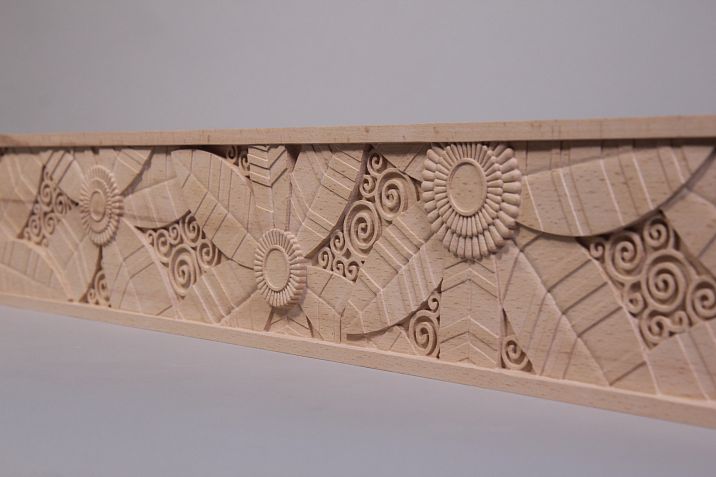
In the world of architecture and interior design, there are numerous elements that may seem secondary at first glance, but it is precisely these elements that create the coherence and completeness of space. One of such important elements is door framewhich not only serves a decorative function but also acts as a connecting element between various interior components, emphasizing the style of the room and giving it individuality.
door frame It is a complex of architectural-decorative elements surrounding the door opening and creating visual and functional unity with the door leaf. It includes casings, cornices, moldings, pilasters, rosettes, and other decorative elements that may vary depending on the interior style and the owner's preferences.
In this article, we will delve into the fascinating world of door frames, examining their historical development, diversity of styles and materials, technical aspects of manufacturing and installation, as well as modern trends in this field. Whether you are a professional designer, a master carpenter, or simply an admirer of beautiful interiors, this information will help you better understand the significance and possibilities of door frames in creating a harmonious space.

History of Door Frame Development




From Antiquity to the Renaissance
History door frame dates back to millennia and is closely linked to the development of architecture and construction technologies. In ancient civilizations such as Egypt, Greece, and Rome, door openings were already adorned with various decorative elements that not only served an aesthetic function but also had symbolic significance.
In ancient Egypt, entrances to temples and pharaohs' tombs were framed by massive stone portals decorated with hieroglyphs and relief images. These frames not only emphasized the importance of the structure but also served as a symbolic boundary between the secular and sacred spaces.
Ancient Greece introduced the concept of order into architecture, which had a profound impact on the further development of door frames. Greek architects created a system of proportions and decorative elements, including columns, entablature, and pediment. Door openings in temples were often framed as porticos with columns, creating a majestic and harmonious appearance.
Ancient Rome developed and complicated Greek traditions. Roman architects added arches, half-columns, pilasters, and rich sculptural decoration to door frames. Particularly impressive were triumphal arches, which were monumental door frames commemorating the military victories of emperors.
During the Middle Ages, with the spread of Christianity, door portals of cathedrals and churches became an important element of religious architecture. Romanesque and Gothic portals were adorned with complex sculpture depicting biblical scenes, saints, and allegorical figures. These frames served not only decorative purposes but also educational functions, telling illiterate populations stories from the Holy Scripture.
The Renaissance marked a return to classical antiquity forms. Architects such as Brunelleschi, Alberti, and Palladio created door frames based on Roman models, but with a new understanding of proportions and harmony. During this period door frame became an important element of architectural composition, emphasizing the status and taste of the building's owner.
Our factory also produces:


Baroque, Rococo, and Classicism
The Baroque era (17th century) brought dynamism, expressiveness, and theatricality into architecture. Door frames of this period were characterized by opulence, complexity of forms, and richness of decoration. Baroque architects such as Bernini and Borromini created impressive portals with broken pediments, volutes, cartouches, and sculptural groups. Materials used for such frames included marble, bronze, and gilded wood.
The Rococo style (18th century) further complicated and refined Baroque forms. Door frames in this style are characterized by asymmetry, curved lines, abundance of plant motifs, and rocaille (shell-shaped ornaments). The color palette became lighter and pastel, often using gold leaf and silvering.
Neoclassicism (second half of the 18th – early 19th century) returned to more rigorous and rational forms of antiquity. Door frames in the classical style are characterized by symmetry, clear proportions, and restrained decoration. Typical elements include triangular or semicircular pediments, pilasters with capitals, modillions, and triglyphs. Materials used were stone, plaster, and wood, painted in white or pastel tones.
In Russia, classicism developed particularly during the reigns of Catherine II and Alexander I. Architects such as Bazhenov, Kazakov, and Rossi created majestic palaces and mansions with refined door frames, which still impress with their beauty and harmony.
Get Consultation
Eclecticism, Modernism, and Contemporary Design
The second half of the 19th century marked the era of eclecticism, when architects freely combined elements of various historical styles. Door frames from this period could combine features of Renaissance, Baroque, Rococo, and Classicism, creating rich and diverse compositions. Particularly popular were Neo-Baroque and Neo-Renaissance, which reproduced forms of past eras with a new understanding and technical capabilities.
The Modern style (late 19th – early 20th century) brought a new aesthetic to architecture, based on smooth, flowing lines inspired by natural forms. door frame In the Modern style, it is characterized by organic forms, asymmetry, and the use of plant motifs. Materials such as wrought iron, stained glass, and ceramic tiles were often used. Outstanding representatives of this style were Antoni Gaudí in Spain, Victor Horta in Belgium, and Fedor Shekhtel in Russia.
Modernism of the 20th century rejected historical styles and ornamentation in favor of functionality and purity of form. Door frames in modernist architecture became minimalist or entirely disappeared, giving way to simple geometric forms and new materials such as concrete, steel, and glass.
Postmodernism (1970s–1980s) revived interest in historical styles, but with an ironic and playful approach. Postmodern architects such as Robert Venturi and Michael Graves created door frames that referenced classical forms, but in exaggerated or distorted ways.
In contemporary architecture and interior design door frame is experiencing a new flourishing. Designers freely use elements of various historical styles, adapting them to modern requirements and technologies. Neo-classical and minimalist frames are especially popular, creating an elegant and restrained look.
Types and Elements of Door Frames
Main Components of the Frame
door frame consists of several key elements, each performing a specific function and contributing to the overall composition.
Sill plates are decorative strips installed around the perimeter of the door opening, covering the gap between the door frame and the wall. Sill plates can be simple and minimalist or richly decorated with carving, moldings, and other decorative elements. They not only serve an aesthetic function but also protect the wall from damage during door opening and closing.
Cornices are horizontal profiled elements installed above the door opening. Cornices can be straight or curved, simple or complex, depending on the interior style. They provide a visual completion to the upper part of the door opening and can serve as a base for additional decorative elements.
Moldings are profiled strips with various cross-sections used to create frames, panels, and other decorative elements in the door frame. Moldings can have simple or complex profiles, with convex and concave elements that create play of light and shadow.
Pilasters are flat columns installed on either side of the door opening. Pilasters have a base, shaft, and capital, like real columns, but protrude only slightly from the wall. They give the door frame a monumental and classical character.
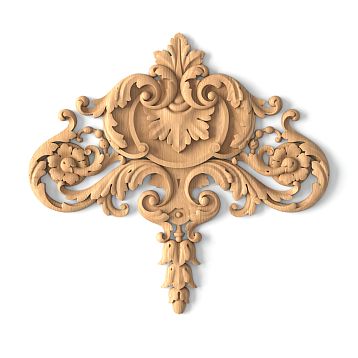
Rosettes are round or oval decorative elements installed in the corners of the door frame or in the center of the cornice. Rosettes can be decorated with plant motifs, geometric patterns, or other ornaments.
Keystone elements are decorative elements installed at the top of an arched door opening, imitating the keystone of an arch. Keystone elements can be simple or decorated with carving, mascarons, or other decorative elements.
Stylistic Variations
Style door frame must correspond to the overall interior style and architectural style of the building. Let us consider the main stylistic directions and their characteristic features.
Classical style – characterized by symmetry, proportionality, and use of elements of ancient architecture. Door frames in the classical style often include pilasters with capitals, pediments, cornices with modillions, and other traditional elements. The color palette is usually restrained – white, beige, light gray.
Baroque and Rococo – distinguished by opulence, dynamism, and rich decoration. Door frames in these styles may include volutes, cartouches, broken pediments, sculptural elements, and abundant gilding. The color palette includes rich colors – gold, burgundy, dark blue, as well as pastel tones in the Rococo style.
Gothic style – characterized by verticality, pointed arches, and complex decoration. Door frames in the Gothic style may include pinnacles, crockets, tracery, and other characteristic elements. The color palette is usually dark – dark brown, burgundy, black.
Renaissance – distinguished by harmony, proportionality, and use of classical motifs. Door frames in the Renaissance style often include semicircular arches, pilasters with Corinthian capitals, medallions, and garlands. The color palette includes natural tones of stone and wood.
Modern style – characterized by smooth, flowing lines inspired by natural forms. Door frames in the Modern style may include plant motifs, asymmetrical compositions, and unusual materials such as wrought iron and stained glass. The color palette includes muted, natural tones – olive, terracotta, lilac.
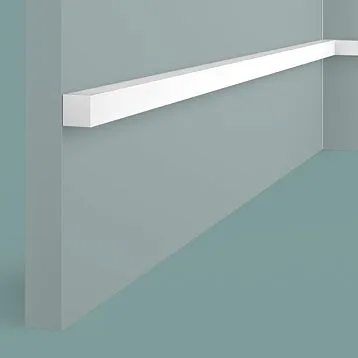
Minimalism – distinguished by simplicity of form, absence of decoration, and purity of lines. Door frames in the minimalist style are usually simple frames without unnecessary details. The color palette includes neutral colors – white, gray, black.
Country and Provence – characterized by simplicity, coziness, and use of natural materials. Door frames in these styles are often made of wood with visible texture, may have wear and traces of time. The color palette includes pastel and natural tones – beige, blue, olive.
Functional Aspects
In addition to aesthetic function, door frame Performs a number of practical tasks that must be considered when designing and installing it.
Wall protection – casings and other framing elements protect walls from damage during door opening and closing, as well as from furniture and other object impacts.
Gap concealment – framing hides technological gaps between the door frame and the wall, creating a neat and finished look.
Sound insulation – properly installed framing can improve room sound insulation, reducing noise penetration through gaps around the door frame.
Thermal insulation – especially important for entrance doors, where framing helps prevent cold air from entering the room.
Visual space correction – framing can visually alter the proportions of the door opening, making it appear taller or wider, or conversely, reducing its visual size.
Accentuation – door framing can serve as an accent element in interior design, drawing attention and creating a focal point.
Stylistic unity – framing helps create stylistic unity in interior design, harmoniously linking various decorative and furniture elements.
Materials for manufacturing door framing
Wood and wood-based materials
Wood is one of the most traditional and popular materials for manufacturing door frameIt possesses natural beauty, warmth, and eco-friendliness, as well as good workability and carving properties.
Solid wood – this is solid timber, distinguished by strength, durability, and natural texture. Various wood species are used for manufacturing door framing:
- Oak – a hard and durable wood with a distinctive texture. Oak is resistant to moisture and mechanical damage, making it an ideal material for long-lasting framing. Oak framing can be painted in various colors or coated with transparent varnish, highlighting the natural beauty of the wood.
- Beech – a hard wood with uniform structure and light pinkish hue. Beech is easy to work with and paint, allowing for the creation of framing in various styles and colors.
- Ash – a strong and elastic wood with an attractive texture. Ash is easy to bend, making it ideal for creating curved framing elements.
- Spruce – a soft wood with a characteristic grain and resin inclusions. Spruce is easy to process and cheaper than hardwoods, making it a popular choice for budget projects.
- Exotic species (redwood, wenge, rosewood) – used to create exclusive and luxurious framing. These species are distinguished by unusual texture, color, and high cost.
MDF (medium-density fiberboard) – a composite material made from wood fibers bonded with synthetic resins under high pressure. MDF has several advantages:
- Dimensional and shape stability, resistance to deformation under changes in humidity and temperature.
- Smooth surface, which is well-suited for painting, laminating, and routing.
- Uniform structure without knots or other defects typical of natural wood.
- Lower cost compared to solid wood.
MDF is often used to create framing in modern and neoclassical styles, where a smooth surface and clean lines are required.
Laminated MDF – MDF covered with a thin layer of natural wood (veneer). This material combines the stability of MDF with the natural beauty of real wood. Laminated MDF allows creating framing that looks like solid wood but costs less and is less prone to deformation.
Stone and artificial stone
Stone is a noble and durable material that gives door framing monumentality and luxury. It is often used in classical and historical styles, as well as in high-end modern interiors.
Natural stone:
- Marble – a classic material for doorways and framing. Marble is distinguished by its beautiful pattern, variety of colors, and ability to be polished to a mirror finish. However, it is relatively soft and porous, making it susceptible to scratches and stains.
- Granite – a harder and more durable stone than marble. Granite is resistant to scratches, moisture, and temperature fluctuations. It has a characteristic granular structure and is available in various colors – from light gray to black, from pink to green.
- Limestone – a soft and porous stone that is easy to process and carve. Limestone has a warm, sandy color and is often used to create framing in Mediterranean and rustic styles.
- Travertine – a type of limestone with a characteristic porous structure. Travertine has a warm beige or cream color and is often used in classical and Mediterranean interiors.
Artificial stone:
- Acrylic stone (Corian, Hi-Macs) – a composite material consisting of acrylic resins and mineral fillers. Acrylic stone can imitate natural stone or have a uniform color. It is non-porous, hygienic, and easy to process, allowing for the creation of complex-shaped frames.
- Quartz aggregate (Caesarstone, Silestone) – a composite material consisting of quartz (about 90%) and polymer resins. Quartz aggregate is stronger than natural stone, resistant to scratches and stains, and available in a wide color range.
- Gypsum – a traditional material for making molded elements of door frames. Gypsum is easily shaped, quickly hardens, and can reproduce the finest details. Gypsum elements are usually painted or gilded.
Metal and glass
Metal and glass – modern materials that allow creating light, elegant, and technologically advanced door frames. They are often used in contemporary, high-tech, and minimalist interiors.
Metal:
- Aluminum – a lightweight, strong, and corrosion-resistant metal. Aluminum profiles can be anodized (with a protective oxide layer) or painted in various colors. Aluminum is often used to create minimalist and high-tech frames.
- Steel – a strong and durable material that can be painted, chrome-plated, or have special coatings imitating bronze, brass, or other metals. Steel is often used in industrial and loft styles.
- Brass and bronze – noble metals with a warm golden hue. They can be polished to a high shine or have a patina creating an aged effect. Brass and bronze are often used in classical, art deco, and vintage interiors.
- Wrought iron – a traditional material for creating decorative elements of door frames. Wrought iron can have complex patterns and shapes crafted by hand. It is often used in Gothic, Romanesque, and rustic styles.
Glass:
- Transparent glass – creates an effect of lightness and airiness. It can be flat or curved, with beveled edges or without them.
- Matte glass – has a rough surface that scatters light and creates a soft glowing effect. Matte glass can be completely opaque or semi-transparent.
- Colored glass – available in various shades and can create interesting light effects. Colored glass is often used in stained glass, which can be part of a door frame.
- Glass with pattern – has a textured surface with various patterns and textures. Such glass creates interesting light and tactile effects.
Manufacturing and installation technologies
Traditional Manufacturing Methods
Traditional manufacturing methods door frame Based on manual work by a master carpenter or stonemason. These methods require high skill, time, and attention to detail, but allow creating unique, individual pieces of the highest quality.
Carpentry work:
- Marking and cutting – the first stage of manufacturing wooden frames. The master marks the blanks on boards or beams, taking into account the direction of wood grain and presence of defects. Then, cutting is performed using hand or electric saws.
- Sanding – the process of leveling and smoothing the wood surface. Traditionally, various types of planes are used – a rough plane for coarse work, a smoothing plane for leveling, and a jointer plane for final finishing.
- Profiling – creating a profile on the edge or surface of a blank. Special profiling planes, routers, or chisels are used for this. Profiling allows creating various decorative elements – moldings, ovals, capitals, and others.
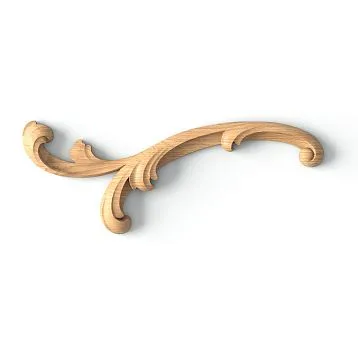
- Wood carving – creating three-dimensional patterns and ornaments on the wood surface. Various types of chisels, knives, and other tools are used for this. Carving can be flat relief, raised relief, or openwork.
- Turning work – creating round or cylindrical frame elements such as columns, balusters, and rosettes. The blank rotates on a lathe, and the master, using special cutters, gives it the required shape.
- Inlay and marquetry – techniques of decorating the surface with inserts of other materials. Inlay involves inserting pieces of another material (mother-of-pearl, bone, metal) into recesses on the surface of the base material. Marquetry involves creating images from thin veneers of various wood species, which are glued onto the base.
Stonemasonry work:
- Stone processing – the process of giving stone the required shape and size. Traditionally, various types of hammers, chisels, and other tools are used. Modern stonemasons also use electric and pneumatic tools.
- Stone carving – creating three-dimensional patterns and ornaments on the stone surface. Special chisels, burins, and other tools are used for this. Stone carving requires great skill and patience, as stone is a hard and brittle material.
- Stone polishing – the process of giving the stone surface smoothness and shine. Various abrasive materials of different grits, from coarse to very fine, are used for this. Polishing can be matte, semi-matte, or mirror-like.
Modern technologies
Modern technologies allow significantly speeding up and simplifying the manufacturing process door frame, while maintaining high quality and precision. They also open up new possibilities for design and creating complex shapes.
CNC machining (Computer Numerical Control) – a technology that allows automating the manufacturing process of framing parts. A computer program controls the movement of the cutting tool, which processes the blank according to the specified drawing. CNC machines can perform various operations – milling, drilling, threading, engraving, and others.
Advantages of CNC machining:
- High precision and repeatability.
- Ability to create complex shapes and patterns that are difficult or impossible to achieve manually.
- High productivity and speed of manufacturing.
- Minimal material waste.
3D printing – an additive technology that allows creating volumetric parts by layer-by-layer material deposition. 3D printers can work with various materials – plastic, resin, metal, ceramic, and others. 3D printing is especially useful for creating prototypes and small-batch items of complex shape.
Advantages of 3D printing:
- Ability to create parts of virtually any shape and complexity.
- No need for special tools and fixtures.
- Rapid prototyping and iterative design.
- Minimal material waste.
Laser cutting and engraving – technologies that use a laser beam for cutting and engraving materials. Laser cutting allows creating parts with very high precision and clean cuts. Laser engraving allows applying various images, patterns, and text onto the material surface.
Advantages of laser processing:
- High precision and quality of cutting.
- Ability to work with various materials – wood, plastic, metal, glass, and others.
- No mechanical impact on the material, which eliminates deformations and damage.
- High processing speed.
Waterjet cutting – a technology that uses a stream of water mixed with abrasive material for cutting. Waterjet cutting is especially effective for working with hard materials such as stone, metal, and ceramic. It allows creating parts of complex shape with high precision and cutting quality.
Advantages of waterjet cutting:
- Ability to cut virtually any material, including very hard and brittle ones.
- No thermal impact on the material, which eliminates deformations and property changes.
- High precision and quality of cutting.
- Ecological purity of the process.
Installation process
Installation door frame – a responsible process requiring precision, attention to detail, and understanding of construction technologies. Proper installation ensures not only an aesthetic appearance but also the longevity and functionality of the framing.
Preparation works:
- Measuring the door opening – precise measurement of the opening’s width, height, and depth, as well as checking its geometry (squareness, verticality, horizontality).
- Wall preparation – leveling, cleaning from dust and dirt, and, if necessary, priming or other treatments.
- Preparation of materials and tools – checking the availability of all necessary framing parts, tools, and consumables.
Installation of main elements:
- Installation of door frame – if not previously installed. The frame must be aligned vertically and horizontally and securely fastened in the opening.
- Installation of trim – trim is attached to the wall or door frame using nails, screws, or special adhesive. It is important to ensure tight fitting of the trim to the wall and frame, as well as correct corner joints (usually at a 45-degree angle).
- Installation of cornices and other decorative elements – these elements are attached to the wall or trim using nails, screws, or adhesive. It is important to ensure correct positioning and alignment of these elements.
Finishing work:
- Filling gaps and joints – filling gaps between framing and wall, as well as between individual framing elements, using putty, sealant, or another suitable material.
- Sanding – smoothing the framing surface, removing burrs, unevenness, and other defects.
- Painting or other finishing – applying paint, varnish, stain, or other finishing material to the framing surface. It is important to ensure even coverage and protection against moisture and other influences.
- Installation of hardware – if necessary, installing door handles, locks, hinges, and other hardware.
Installation specifics for different materials:
- Wooden walls – framing can be directly attached to wooden walls using nails or screws. It is important to consider possible movement of wood due to changes in humidity and temperature.
- Brick and concrete walls – for attaching framing to such walls, anchors and screws are typically used. It is important to correctly select the type and size of anchors depending on the wall material and framing weight.
- Gypsum board walls – for attaching heavy framing elements to gypsum board, use special anchors or attach them to the wall frame. Light elements can be attached using special adhesive.
Maintenance and restoration
Regular maintenance of door framing
Proper care of door framing allows maintaining its beauty and functionality for many years. Maintenance methods depend on the framing material and finish type.
Wooden framing:
- Regular dust cleaning – using a soft cloth or brush. Avoid abrasive materials that may scratch the surface.
- Wet cleaning – wiping the surface with a slightly damp cloth if needed. After wet cleaning, always wipe the surface with a dry cloth to prevent moisture from penetrating the wood.
- Use of special products – for wooden surfaces, there are special polishes and waxes that not only clean but also nourish the wood, protecting it from drying out and cracking.
- Protection from sunlight – direct sunlight can cause fading and darkening of wood. Whenever possible, protect the framing from prolonged exposure to sunlight.
- Maintaining optimal humidity – excessively dry air can cause wood to dry out and crack, while overly humid air can cause swelling and deformation. Optimal air humidity for wooden items is 40–60%.
Stone framing:
- Regular dust cleaning – using a soft cloth or brush. Avoid abrasive materials that may scratch the surface.
- Wet cleaning – wiping the surface with a slightly damp cloth and neutral detergent. Avoid using acidic or alkaline cleaners that may damage stone.
- Stain removal – for removing stains from stone surfaces, use specialized products designed for the specific type of stone. Test the product on a small, inconspicuous area before application.
- Protection from moisture – some types of stone (e.g., marble and limestone) are porous and can absorb moisture and contaminants. For such stones, use special impregnations and sealants.
- Polishing – to maintain the shine of polished stone, periodically polish using specialized products.
Metal framing:
- Regular dust cleaning – using a soft cloth or brush. Avoid abrasive materials that may scratch the surface.
- Fingerprint and stain removal – wipe the surface with a slightly damp cloth using a neutral cleaning agent. For shiny surfaces, use specialized metal cleaning agents.
- Corrosion protection – to prevent corrosion of metal elements, use specialized protective agents such as waxes, lacquers, or anti-corrosion sprays.
- Polishing – to maintain the shine of polished metal, periodically polish using specialized agents.
Restoration and Repair
Over time door frame may lose its original appearance due to wear, damage, or changes in interior style. In such cases, restoration or repair of the frame may be required.
Restoration of wooden framing:
- Cleaning old finish – removal of old paint, lacquer, or other coatings using chemical agents (strippers) or mechanical methods (sandblasting). This stage requires caution to avoid damaging the wood.
- Repair of damage – filling cracks, chips, and other damages with wood putty, epoxy resin, or wooden inserts. For restoring carved elements, the work of a woodcarver may be required.
- Sanding – leveling the surface and preparing it for a new finish. Sanding is performed using abrasive paper of various grits, from coarse to fine.
- Staining – changing the color of wood using a stain or other dye. This stage allows achieving the desired shade and uniforming the color of different areas.
- Applying new finish – protecting wood using varnish, oil, wax, or paint. The finish not only protects the wood but also gives it the desired appearance – matte, semi-gloss, or glossy.
Restoration of stone framing:
- Cleaning – removal of dirt, efflorescence, and other deposits from the stone surface. Special cleaning agents, steam cleaners, or abrasive methods (sandblasting) may be used.
- Repair of damage – filling cracks, chips, and other damages using special compounds matched in color and texture to the original stone. For restoring carved elements, the work of a stonemason may be required.
- Strengthening – porous and deteriorating stones may require strengthening using special compounds that penetrate the stone structure and increase its strength.
- Protective treatment – application of special impregnators and sealants to the stone surface to protect it from moisture, dirt, and other effects.
Restoration of metal framing:
- Cleaning from corrosion – removal of rust and other corrosion products from the metal surface. Chemical agents (rust converters) or mechanical methods (sandblasting, abrasive blasting) may be used.
- Repair of damage – correcting deformations, filling cracks and other damages using welding, soldering, or special metal putties.
- Applying protective coating – protecting metal from corrosion using primer, paint, varnish, or other coatings. For some metals (brass, bronze), patination may be applied – creating an artificial patina that gives the item an aged appearance.