Article Contents:
- 1. History of Curved Furniture Legs
- 1.1 Origins of the Curved Leg Concept
- 1.2 Development of Technologies during the Renaissance
- 1.3 Classic XVIII–XIX Centuries: The Era of Luxury
- 1.4 Modern Era: Synthesis of Traditions and Innovations
- 2.1 Traditional Handcrafted Methods
- 2.2 Modern Automated Processes
- 2.3 Ecological Sustainability in Production
- 3.1 Aesthetic Expressiveness and Artistic Value
- 3.2 Enhanced Stability and Longevity of Construction
- 3.3 Universality and Design Adaptability
- 3.4 Ecological Safety and Sustainability
- 4.1 Tables and Coffee Tables
- 4.2 Chairs and Sofas
- 4.3 Consoles, Chests, and Other Furniture Items
- 4.4 Examples of Application in Interior Design
- 5.1 Finding a Reliable Supplier
- 5.2 Key Selection Criteria
- 5.3 Consultations and Custom Orders
- 6.1 Price-to-Quality Ratio
- 6.2 Family Heritage and Cultural Significance
- 6.3 Ecological Sustainability
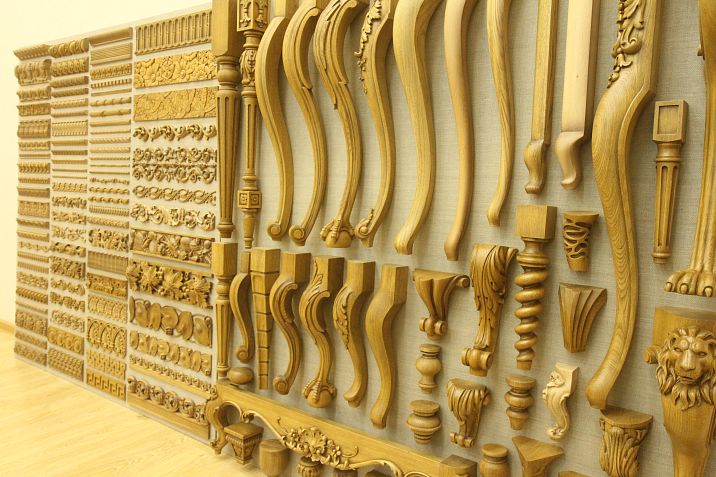
Curved furniture legs are one of the most unique and sought-after elements in modern furniture design. They are elegant supports made of natural wood, capable of transforming the appearance of any item, bringing a sense of lightness, dynamism, and refinement to the interior. This article covers all aspects related to curved furniture legs: their origin, manufacturing methods, technological processes, design, functional and aesthetic advantages, as well as practical applications in various types of furniture. Special attention is given to ecological production and innovative solutions used in creating these decorative supports. For more detailed information on the product range, we recommend visiting the section dedicated to this product on the manufacturer’s website.Bent Furniture Legs.


1. History of Bent Furniture Legs




1.1 Origin of the Idea of Bent Legs
The history of bent legs for furniture traces back to ancient times. Even in antiquity, craftsmen sought methods of wood processing that would allow them to create items with elegant curves. Bent legs first appeared in the era of Ancient Greece and Rome, where they were used in architectural and furniture elements. Craftsmen of those times experimented with wood processing methods, striving to give objects a harmonious combination of strength and beauty. These early methods laid the foundation for creating bent legs, which today remain a symbol of refined taste and high craftsmanship.
Our factory also produces:


1.2 Development of Technologies in the Renaissance
The Renaissance became a turning point in the history of furniture production. During this period, craftsmen significantly improved wood processing methods. Steam treatment, which softens wood and makes it more flexible, became the main stage in manufacturing bent legs. Craftsmen used traditional hand-bending techniques, then fixed the resulting shape using special adhesive compounds and presses. It was precisely during this period that the first items with curved legs appeared, distinguished not only by functionality but also by aesthetic expressiveness. These technologies allowed the creation of furniture with smooth lines, emphasizing harmony and refinement, which became an important stage in the development of the classical style.
Get Consultation
1.3 Classic XVIII–XIX Centuries: Era of Luxury
In the 18th and 19th centuries, bent legs became an indispensable part of luxurious furniture. In aristocratic homes and palaces across Europe, tables, chairs, consoles, and beds adorned with curved legs were symbols of high status and impeccable taste. Craftsmen used traditional artisanal methods to create refined decorative elements — hand-carving, moldings, inlays — which gave each leg individuality and uniqueness. Items from this period were characterized by high strength and durability, as well as aesthetic appeal, which remains a benchmark in the world of furniture design.
1.4 Modern Era: Synthesis of Traditions and Innovations
At the beginning of the 20th century, technologies for manufacturing bent legs underwent significant changes. Today, traditional handcrafting methods are combined with modern technologies such as laser cutting, computer modeling, and automated quality control systems. This synthesis allows creating bent legs with ideal, smooth curves, high precision, and reproducibility of decorative elements. Modern bent legs for furniture retain the soul and character of traditional items, yet meet all requirements of modern production. The use of eco-friendly materials and energy-efficient technologies makes them not only beautiful but also environmentally safe.
2. Technologies for Manufacturing Bent Legs
2.1 Traditional Handcraft Methods
Manufacturing bent legs for furniture begins with careful selection of natural solid wood. Craftsmen apply steam treatment, which softens the wood and makes it flexible. Afterward, the material is placed in special press machines, where the desired shape is achieved through manual bending. This process requires high skill and craftsmanship, as each detail must be processed with particular precision. Hand-carving, used to create decorative elements, gives legs individuality and artistic expressiveness, making each item unique.
2.2 Modern Automated Processes
In modern production of bent legs, automated technologies are actively used, allowing for increased precision and efficiency in manufacturing. Laser cutting is used to form complex decorative patterns, while computer modeling helps create three-dimensional models that meet specified parameters. Automated quality control systems allow monitoring every stage of the production process, ensuring consistent compliance with high standards.
Modern technologies do not replace traditional artisanal methods but complement them, enabling craftsmen to achieve an ideal balance between artistic expressiveness and functional strength. As a result, bent legs for furniture are not only aesthetically appealing but also extremely strong, making them ideal for use in any furniture item.
2.3 Environmental Sustainability in Production
An important component of modern production is environmental responsibility. The natural wood used to manufacture bent legs is harvested in accordance with sustainable development principles, ensuring minimal impact on the environment. Eco-friendly processing technologies, use of natural oils, waxes, and safe dyes preserve the natural beauty of wood and ensure the safety of finished products for consumer health.
Producers oriented toward sustainable development optimize their processes to minimize waste and reduce energy consumption, making the final product eco-friendly and long-lasting. If you want tobuy bent legs for furniturecontact companies that pay special attention to environmental sustainability to ensure the quality and safety of the purchased product.
3. Advantages of Bent Legs for Furniture
3.1 Aesthetic Expressiveness and Artistic Value
Bent legs for furniture are true works of art. Their curved lines and smooth bends give furniture a unique charm and elegance. Each bent leg, crafted using traditional artisanal methods, reflects a high level of craftsmanship and artistic expressiveness. Such legs can transform any piece of furniture into a unique item that attracts attention and becomes a central element of interior design.
Effective decorative elements such as carving, moldings, and inlays create a sense of movement and lightness, which is especially relevant for classical and modern interiors. Bent legs allow introducing a dynamic element into strict, heavy constructions, making furniture visually more refined and sophisticated.
3.2 Enhanced Structural Stability and Longevity
One of the key advantages of bent legs is their ability to evenly distribute load on furniture. Thanks to this, tables, chairs, and other furniture items equipped with bent legs exhibit enhanced stability and longevity. Supports shaped as bent legs help ensure that furniture remains stable even under intensive use. This is especially important for items used daily, where structural reliability directly affects user comfort and safety.
Even load distribution helps avoid deformation and damage to the structure, ensuring the preservation of the item’s aesthetic appeal and functionality for many years. Such high-quality solutions are especially in demand in modern interiors, where both visual expressiveness and practicality are important.
3.3 Universality and Design Adaptability
Bent legs for furniture possess high versatility, allowing them to easily fit into any interior style. Whether it’s strict classicism, modern minimalism, or even eclecticism, such legs can highlight the individuality of each piece of furniture. They can be used to create tables, chairs, consoles, armchairs, and even beds, becoming a striking accent or subtle addition to the overall design.
The versatility of curved legs allows designers to experiment with shapes and textures, creating unique solutions that reflect refined taste and the individuality of the owner. Furniture legs shaped as smooth, curved lines give interiors a sense of lightness and airiness, which is especially important in small spaces where every square centimeter counts.
3.4 Environmental Safety and Sustainability
Production of curved legs for furniture is carried out using solid natural wood, ensuring the ecological safety of the products. Processing of wood using environmentally friendly technologies, natural oils, and waxes allows preserving the natural beauty of the material and protecting it from negative environmental impacts. Such an ecological approach makes curved legs not only aesthetically appealing but also safe for health, which is an important aspect for modern consumers seeking eco-friendly and high-quality products.
4. Application of Curved Legs for Furniture in Interior Design
4.1 Tables and Coffee Tables
Curved legs for tables give these items an elegant and refined appearance. For example, tables with curved legs become the central element of a dining area or living room, where their smooth lines create a sense of dynamism and lightness. Such a table not only serves a utilitarian function but also becomes a true work of art, attracting attention with its originality.
An example is the item presented in the catalog, where curved legs emphasize the artistic expressiveness of the table, making it the focal point in the interior. Such tables fit perfectly into both classic interiors and modern minimalist spaces, where they create a harmonious blend of functionality and aesthetics.
4.2 Chairs and Sofas
Curved legs for chairs and sofas give them a distinctive character, making each seat not only comfortable but also an expressive decorative element. Curved legs ensure even load distribution, enhancing the structural stability and promoting comfortable use of the furniture. Such chairs and sofas are ideal for dining areas, living rooms, and office spaces, where they serve not only as functional elements but also as interior decor.
Designers often use curved legs to create furniture that becomes a striking accent in a room, highlighting individuality and high manufacturing quality. These elements can be crafted using hand-carving and decorative finishes, making them unique and irreplaceable.
4.3 Consoles, Chests, and Other Furniture Items
Curved legs are widely used not only in tables and chairs but also in other furniture items such as consoles, chests, side tables, and even beds. Consoles with curved legs, for example, can serve as central elements in hallways or living rooms, adding elegance and lightness to the space. Decorative elements crafted using traditional artisanal methods add refinement to the furniture and serve as a striking accent in the interior.
These items allow creating a cohesive furniture ensemble, where each detail contributes to the overall impression of harmony and style. Curved legs for furniture, executed in a unified style, can unite various interior elements into a single composition reflecting refined taste and artistic expressiveness.
4.4 Examples of Application in Interior Design
Modern interiors demonstrate how curved legs for furniture can become a striking accent in various zones. In the living room, they can be used to create coffee tables that attract attention with their original shape, while in the dining room — for dining tables, giving them lightness and elegance. In office spaces, such elements contribute to creating a dynamic and modern atmosphere, where traditional motifs harmoniously blend with innovative solutions.
Examine examples of products such asTable Versaillesto see how curved legs transform furniture, making it the focal point of the interior. These solutions demonstrate how curved legs can be used to create unique furniture compositions that become true works of art.
5. Practical Recommendations for Purchasing Curved Legs for Furniture
5.1 Finding a Reliable Supplier
If you have decidedbuy bent legs for furnitureFirst, it is important to find a reliable supplier who guarantees high-quality products. Reliable manufacturers use only solid natural wood, strictly adhere to ecological standards, and apply modern processing technologies. Before purchasing, it is recommended to review customer reviews, familiarize yourself with the portfolio of work, and, if possible, visit demonstration halls to personally verify the product quality.
5.2 Key Selection Criteria
When selecting curved legs for furniture, pay attention to the following aspects:
● Material. High-quality natural wood should be free of knots and defects to ensure strength and durability.
● Manufacturing Technology. Find out whether traditional bending methods, steam treatment, and hand-carving are used, as well as modern technologies such as laser cutting, to achieve perfect precision.
● Decorative Finishing. Evaluate the artistic expressiveness of decorative elements — hand-carving, moldings, inlays should be executed neatly and with high detail.
● Compatibility. Ensure that the selected furniture legs match in size and style with the other elements of your interior, ensuring harmonious combination and functionality.
5.3 Consultations and Custom Orders
To make the optimal choice, it is recommended to consult with professional interior designers. They will help select items that perfectly fit your space, provide recommendations on combining them with other furniture elements, and offer options for custom orders. The ability to order curved legs according to individual specifications allows creating unique items fully meeting your requirements. Such a personalized approach guarantees that every detail of your interior will be executed according to your preferences and high aesthetic standards.
6. Economic efficiency and investment attractiveness
6.1 Price-to-quality ratio
Investing in bent legs for furniture is an investment in quality that will delight you for many years. Despite the higher initial cost, items made using solid natural wood and modern technologies retain their appeal and functionality for decades. High-quality materials, durability, and the uniqueness of decorative elements ensure a stable return on investment, making the purchase worthwhile and justified.
6.2 Family heritage and cultural significance
Bent legs for furniture, crafted using traditional artisanal methods, can become true family heirlooms. They convey the spirit of centuries-old traditions and cultural heritage, becoming part of your family’s history. Such items are capable of retaining their value and appeal over the years, passing from generation to generation. They are not only interior decoration but also symbols of stability, refined taste, and love for traditions that remain timeless.
6.3 Ecological sustainability
By choosing bent legs, you are investing in eco-friendly and safe products. The use of natural wood and eco-friendly processing technologies allows creating furniture that does not harm the environment and meets modern sustainability requirements. This approach is especially important for today’s consumers who strive to make choices in favor of environmentally responsible and durable solutions.
Conclusion
Bent legs for furniture are not just functional supports, but works of art capable of adding elegance, dynamism, and individuality to an interior. They embody centuries-old artisan traditions combined with modern technologies, making them not only beautiful but also reliable, durable, and ecologically safe. Items such as tables, chairs, consoles, and other furniture equipped with bent legs become central elements of the interior, highlighting the owner’s refined taste and sophistication.
If you dream of creating a unique space filled with light, harmony, and timeless beauty, consider the possibilitybuy bent legs for furniture from trusted manufacturers. Examine examples of items such asTable Versailles andConsole Versaillesto ensure the high quality and artistic expressiveness of the bent legs.
Choose quality furniture legs, bent furniture legs, and furniture supports, and let every detail of your interior reflect your refined taste, pursuit of perfection, and respect for traditions. Bent legs for furniture are your opportunity to create a space where every detail is thought out to the smallest detail, where artisan traditions and modern technologies unite into a single whole, giving your home a unique charm, elegance, and stability.
Bent furniture legs: Art, Technology, and Application in Modern Furniture Design | Company Stavros