Article Contents:
- Anatomy of perfection: how wooden supports are created
- Wood selection: the art of discernment
- Technological nuances of processing
- Morphology of wooden supports: variety of forms and functions
- Geometric forms: mathematical precision in wood
- Artistic forms: sculpture in functional execution
- Technical perfection: parameters and characteristics
- Dimensional scale: from miniature to monumental
- Strength characteristics of various species
- Tolerances and manufacturing accuracy
- Style directions: from classic to avant-garde
- Classic styles: eternal elegance
- Modern directions: innovation within traditions
- Production technologies: traditions and innovations
- Traditional Processing Methods
- Modern technological solutions
- Fastening systems: reliability of connections
- Threaded Connections
- Flanged fastenings
- Innovative fastening systems
- Finishing and protection: beauty for centuries
- Traditional finishing types
- Modern protective coatings
- Ergonomic aspects: comfort in details
- Height and proportions
- Stability and safety
- Ecological aspects: responsible production
- Sustainable forestry
- Ecologically clean technologies
- Trends in development: looking into the future
- Integration with "smart" technologies
- Personalization and customization
- New materials and composites
- Selection criteria: how to avoid mistakes
- Suitability for purpose
- Stylistic compatibility
- Quality Characteristics
- Additional Key Phrases and Relevant Pages
- Care and Maintenance: Extending the Life of Furniture
- Daily care
- Periodic maintenance
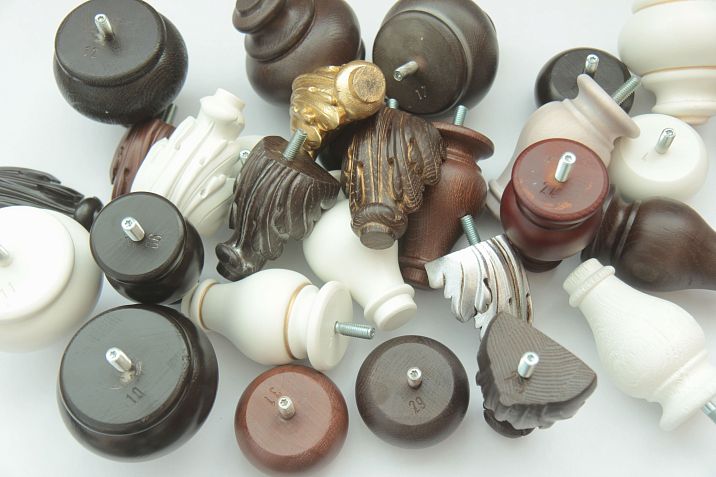
What transforms ordinary furniture into a work of art? What imbues a simple interior item with soul and character? The answer lies in details, often overlooked, but precisely these details shape the overall impression of the space. Wooden legs — this is the very detail that can radically change the perception of furniture, turning a functional item into a high-level design element.
In the age of mass production and synthetic materials, natural wood returns as a symbol of authenticity and quality. Each wooden leg carries a story — from the first sprout to the moment when the master’s skilled hands give it its final form. This is not merely a support for furniture, but a embodiment of natural beauty encapsulated in functional form.


Anatomy of Perfection: How Wooden Legs Are Born
The process of creating a high-quality wooden leg from solid wood begins long before the first tool touches the timber. It all starts with selecting the raw material — this cornerstone upon which all subsequent work is built.




Wood Selection: The Art of Distinguishing
Not every tree can become the basis for creating an ideal leg. Master carpenters develop intuition over years, allowing them to instantly assess the potential of each plank. Density of fibers, direction of growth rings, absence of internal stresses — all these factors influence the final quality of the product.
Oak — the king among wood species for furniture legs. Its dense structure and expressive texture make each leg unique. Oak legs can withstand colossal loads while maintaining elegant forms.
Beech — the embodiment of stability and reliability. This species has a uniform structure, enabling the creation of legs with ideal geometry. Beech legs are distinguished by exceptional bending strength, which is critically important for tall constructions.
Ash — a dynamic species with a contrasting grain pattern. Ash legs bring energy and movement into interiors, creating visual accents even in the most minimalist forms.
Walnut — the aristocrat of the furniture world. Its noble chocolate tone and refined texture make walnut legs an ideal choice for premium furniture.
Our factory also produces:


Technological Nuances of Processing
Transforming a raw wooden plank into an elegant furniture leg requires the highest level of craftsmanship. Each processing stage affects the final quality of the product.
Drying — the primary process determining the longevity of the future leg. The moisture content of the wood must be reduced to optimal 8-10%, preventing deformation and cracking during use.
Cutting — the moment when the craftsman decides how best to utilize each section of the wood. The direction of the fibers must ensure maximum strength with minimal material waste.
Turning — the art of shaping. Modern CNC machines allow achieving micron-level precision, but the master’s experience remains indispensable in creating truly unique forms.
Get Consultation
Morphology of Wooden Legs: Variety of Forms and Functions
The world of wooden furniture legs is astonishing in its variety of forms, each carrying a specific functional and aesthetic load. From strict geometry to refined curves — each form has its purpose.
Geometric Forms: Mathematical Precision in Wood
Cylindrical legs — the classic of the genre, time-tested. The simplicity of the form conceals complex execution: achieving perfect roundness along the entire length of the leg requires exceptional craftsmanship.
Conical legs — a dynamic solution that visually lightens furniture construction. The smooth transition from a wider base to a narrower lower part creates a sense of upward movement.
Square and rectangular legs — the embodiment of minimalism and functionality. Sharp edges and strict angles fit perfectly into modern interiors, emphasizing the architectural quality of the space.
Artistic Forms: Sculpture in Functional Execution
Cabriole — an elegant S-shaped curve, originating from the Baroque and Rococo eras. This form demands virtuoso craftsmanship and turns each leg into a miniature sculpture.
Balloons — architectural elements transferred into furniture production. Complex profiling with alternating convex and concave sections creates a play of light and shadow.
Carved legs — the pinnacle of furniture art, where functionality combines with decoration. Botanical ornaments, geometric patterns, stylized forms transform the leg into a work of art.
Technical Perfection: Parameters and Characteristics
Creating quality wooden legs requires precise adherence to technical parameters, each of which affects the functionality and longevity of the product.
Size range: from miniature to monumental
The height of furniture legs is determined by the functional purpose of the furniture item:
- 50-100 mm — compact supports for low furniture: side tables, chests, beds
- 150-300 mm — medium legs for tables, chairs, armchairs
- 400-600 mm — tall supports for bar counters, consoles, shelves
- 700+ mm — special legs for floor lamps, high tables, designer furniture
The diameter or cross-section of the leg is directly related to the expected load:
- 20-40 mm — light structures with minimal load
- 50-80 mm — standard supports for most types of furniture
- 90-120 mm — reinforced legs for heavy items
- 150+ mm — special supports for heavy furniture
Strength characteristics of various wood species
|
Wood species |
Density (kg/m³) |
Compressive strength (MPa) |
Bending strength (MPa) |
|
Oak |
690-720 |
52-58 |
88-95 |
|
Beech |
650-680 |
48-52 |
85-92 |
|
Ash |
660-690 |
49-54 |
90-98 |
|
Walnut |
630-660 |
46-50 |
82-88 |
Tolerances and manufacturing accuracy
Modern production of wooden legs requires strict tolerances:
- Diameter deviation: ±0.2 mm for cylindrical forms
- Height deviation: ±0.5 mm regardless of total length
- End perpendicularity: no more than 0.1 mm per 100 mm of length
- Surface roughness: Ra 1.6–3.2 μm depending on finish class
Style directions: from classic to avant-garde
Wooden legs made from natural solid wood have an amazing ability to adapt to any style direction, while preserving their individuality and natural beauty.
Classic styles: eternal elegance
Baroque and Rococo require opulence and ornamentation. Legs in this style feature complex profiling, curved forms, and rich carving. Each support becomes an independent artistic element.
Neoclassicism demands monumentality and formality. Straight lines, clear geometry, minimal decoration — legs in the neoclassical style emphasize the seriousness and dignity of furniture.
English classicism prefers restrained elegance. Elegant proportions, noble wood species, delicate finishes create an atmosphere of aristocratic refinement.
Modern directions: innovation within tradition
Scandinavian minimalism values simplicity and functionality. Light wood species, sleek forms, natural texture — legs in Scandinavian style create a sense of lightness and freshness.
Loft embraces contrasts and unexpected combinations. Rough processing, deliberate simplicity of forms, preservation of natural wood defects highlight the industrial aesthetic of the style.
Eco-style emphasizes naturalness and eco-friendliness. Using wood with minimal processing, preserving its natural color and texture, turns each leg into a piece of living nature.
Production technologies: traditions and innovations
Modern Production wooden legs Represents a remarkable symbiosis of traditional craftsmanship techniques and the latest technological achievements.
Traditional finishing methods
Hand-turned woodwork remains unmatched in surface quality and profile precision. An experienced woodturner can create unique profiles impossible to replicate on automated equipment.
Wood carving is the oldest art, requiring years of training and continuous refinement of skills. Each carved element is made by hand, making it absolutely unique.
Traditional finishing methods include multi-layer lacquering with intermediate sanding, creating depth and richness of color unattainable with modern spraying techniques.
Modern technological solutions
CNC machines allow achieving incredible precision and repeatability when creating complex profiles. Computer control ensures identical details in each series.
Laser engraving opens new possibilities for decorating wooden legs. Laser precision allows creating the finest details of a pattern, inaccessible to traditional carving.
Modern lacquer coatings not only protect wood but also impart additional properties: water resistance, abrasion resistance, and antibacterial qualities.
Fastening systems: reliability of connections
The quality of attaching a furniture leg to the furniture body largely determines the longevity and reliability of the entire structure. There are several main types of fastening systems, each with its own advantages.
Threaded connections
M8 and M10 are the most common thread sizes for furniture legs. Metric threads ensure a secure connection and allow precise height adjustment.
Double-sided threading allows adjusting the leg height without unscrewing it from the furniture body. This is especially important for heavy furniture, where disassembly is problematic.
Left and right threads in one leg create a self-tightening connection, preventing accidental loosening during use.
Flange fasteners
Metal flanges provide the most reliable connection of the leg to the body. Load distribution over a large area prevents damage to the body material.
Wooden flanges preserve the aesthetic unity of the structure, especially important for solid wood furniture.
Innovative fastening systems
Quick-release connections allow easily removing legs for furniture transport or storage.
Shock-absorbing fasteners reduce vibration and impact loads transmission, which is especially important for tall furniture.
Finishing and protection: beauty for centuries
Finishing wooden furniture legs is not only an aesthetic concern but also a crucial factor in the longevity of the product. The right coating protects wood from moisture, temperature fluctuations, and mechanical damage.
Traditional finishing methods
Shellac finish — a classic finish creating deep gloss and highlighting the natural beauty of wood. Requires high application skill, but the result exceeds all expectations.
Wax finish gives wood a soft, velvety sheen and pleasant tactile quality. Easy to restore when needed, but requires regular maintenance.
Oil treatment deeply penetrates the wood structure, protecting it from within. Preserves the natural texture and allows the wood to 'breathe'.
Modern Protective Coatings
Polyurethane finishes provide exceptional resistance to mechanical impacts and moisture. Ideal for furniture subjected to heavy use.
Acrylic coatings combine eco-friendliness with high protective properties. They dry quickly and have no odor.
Nanocoatings create an invisible protective film that imparts additional properties to wood: self-cleaning, antibacterial, and increased wear resistance.
Ergonomic aspects: comfort in details
When creating furniture legs from natural wood, it is important to consider not only aesthetic and strength characteristics, but also ergonomic requirements that affect the comfort of furniture use.
Height and proportions
Correctly selected leg height determines the convenience of furniture use:
- Dining tables: 720-750 mm from floor to tabletop
- Work tables: 700-760 mm with adjustable height
- Coffee tables: 400-500 mm for comfortable access while seated
- Bar counters: 1050-1100 mm under bar stools
Stability and safety
The center of gravity of the structure should be located as low as possible, which is ensured by proper calculation of leg placement.
Anti-slip caps on the ends of legs prevent furniture from sliding on the floor and protect flooring from scratches.
All edge radii eliminate the possibility of injury from accidental contact.
Ecological aspects: responsible production
In today's world, ecological issues are becoming increasingly relevant, and the production of wooden furniture legs is no exception. A responsible approach to selecting raw materials and production technologies is not only a fashion statement but also a necessity for preserving natural resources.
Sustainable Forestry
FSC (Forest Stewardship Council) certification guarantees that the wood is sourced from responsibly managed forests. This means preserving biodiversity, sustainable ecosystems, and respecting the rights of local communities.
Local raw material sources reduce the product's carbon footprint by minimizing transportation costs and support local economies.
Zero-waste production implies using all wood fractions: large pieces are used for legs, medium-sized pieces for other furniture components, and small pieces for fuel or compost.
Ecologically clean technologies
Water-based varnishes and paints do not contain harmful solvents and are safe for both production staff and end users.
Energy-efficient equipment reduces electricity consumption and, consequently, environmental impact.
Air purification systems on the production line prevent wood dust from being released into the atmosphere.
Trends in development: looking toward the future
The world of design and technology is constantly evolving, and production wooden legs does not remain detached from these processes. Modern trends open new horizons for creativity and functionality.
Integration with "smart" technologies
Built-in sensors allow monitoring the load on furniture, which is especially important for expensive interior items.
Lighting systems are integrated directly into the legs, creating an eye-catching lighting effect from below.
Wireless charging is integrated into tabletops, and necessary electronics are placed within hollow legs.
Personalization and Customization
3D printing of mounting parts allows creating unique connecting elements for specific tasks.
Laser personalization allows engraving individual inscriptions, logos, or ornaments on each leg.
Modular systems allow users to combine different elements themselves, creating unique configurations.
New materials and composites
Thermally modified wood has increased dimensional stability and resistance to moisture.
Wood-polymer composites combine the beauty of natural wood with the practicality of modern materials.
Bio-composites based on natural fibers and biodegradable polymers open new possibilities for eco-friendly production.
Selection criteria: how to avoid mistakes
Choosing quality wooden legs for furniture is a task requiring a comprehensive approach and consideration of multiple factors. The right solution ensures durability, functionality, and aesthetic appeal of the furniture.
Suitability for purpose
The weight characteristics of furniture determine the strength requirements for legs. Lightweight decorative items may use elegant legs of small cross-section, whereas heavy furniture requires robust supports.
Intensity of use affects the choice of wood species and finish type. For everyday furniture, hardwoods with wear-resistant coatings are preferred.
Operating conditions determine requirements for moisture resistance and thermal stability of materials.
Stylistic compatibility
The overall interior concept should be reflected in the choice of leg shape, size, and finish.
The color scheme of the room determines the choice of wood species or finish type.
Room scale affects optimal leg sizes: in small rooms, elegant supports are preferred, while in spacious rooms, more substantial legs are suitable.
Quality characteristics
Absence of wood defects — knots, cracks, resin pockets — guarantees the longevity of the product.
Surface finish quality affects not only appearance but also tactile sensations.
Dimensional accuracy is critically important for ensuring furniture stability and ease of assembly.
Additional key phrases and relevant pages
Based on analysis of search queries and topic specifics, the following additional key phrases can be identified:
- Wooden furniture legs — relevant page: furniture legs
- Wooden furniture supports — relevant page: Wooden legs
- Solid wood legs — relevant page: Solid Wood Items
- Carved wooden legs
- Turned wooden products
- Wooden furniture hardware
- Wooden furniture supports
Care and maintenance: extending the life of products
Proper care of wooden furniture legs is the key to their longevity and preservation of their original appearance. Natural wood requires gentle handling and regular maintenance.
Daily Care
Dry wiping with a soft cloth removes dust and prevents its accumulation in carved recesses or wood grain textures.
Avoiding direct sunlight prevents fading and cracking of the lacquer finish.
Humidity levels in the room should be maintained at 45-60% to prevent wood deformation.
Periodic maintenance
Reapplying the finish every 3-5 years, depending on usage intensity, maintains the protective properties of the coating.
Fasteners should be checked regularly, especially for furniture subjected to dynamic loads.
Professional restoration, when needed, allows the item to regain its original appearance even after significant damage.
The Art of Creation wooden legs Represents a remarkable synthesis of traditional craftsmanship and modern technologies. Each leg is not merely a functional element, but a work of art embodying the warmth of human hands and the beauty of living nature.
In today's world, where individuality and authenticity are increasingly valued, wooden furniture legs become a way to express one's personality through surrounding objects. They transform ordinary furniture into unique pieces capable of being passed down through generations.
Choosing high-quality legs made of natural wood is an investment not only in the beauty of your interior, but also in the future — for natural wood only becomes more beautiful over time, acquiring a noble patina of age.
STAVROS Company is a recognized leader in producing items from natural wood, where centuries-old traditions combine with innovative technologies. Every leg created by STAVROS masters undergoes strict quality control and meets the highest standards of the furniture industry. STAVROS guarantees that your furniture will serve for decades, delighting the eye and soul with its unique beauty.