Article Contents:
- Why Wooden Wall Decor is Relevant in 2025
- Ecological Renaissance: Returning to Nature
- Tactile Experience: A Counterpoint to the Digital World
- Individuality and Character: The Uniqueness of Each Interior
- Variety of Wooden Wall Decor: From Classic to Avant-Garde
- Wooden Panels: Elegance and Functionality
- Decorative Wooden Elements: Accents That Create Character
- 3D Wooden Panels: Volume and Expressiveness
- Decorative Panels: Art on the Wall
- Choosing Wood Species: The Character and Soul of the Interior
- Exotic Hardwoods: Durability and Character
- Exotic Species: Uniqueness and Character
- Softwoods: Accessibility and Warmth
- Woodworking Techniques: From Tradition to Innovation
- Natural Beauty: Minimal Processing
- Wood Carving: Art Tested by Time
- Pyrography and Engraving: Designs with Fire and Tool
- Modern Technologies: New Possibilities
- Wooden Wall Decor in Various Interior Styles
- Scandinavian Style: Natural Simplicity
- Modern Minimalism: Focus on Form
- Eco-Style: Harmony with Nature
- Loft: industrial aesthetics
- Classic style: Eternal elegance
- Practical Aspects of Using Wooden Wall Decor
- Ecological Benefits: Health and Well-being
- Acoustic Properties: Harmony of Sound
- Practicality and Durability: An Investment in the Future
- Caring for Wooden Wall Decor: Preserving Beauty for Years
- Regular Cleaning: Simple Rules
- Protection from Moisture and Sun: Preventing Damage
- Updating Protective Coating: Periodic Necessity
- Conclusion: Creating a unique space with wooden wall decor
Have you ever noticed how the atmosphere of a room changes when natural wood elements appear in it? As if nature’s invisible hand touches the space, filling it with warmth, coziness, and a special energy. In a world of rapidly changing trends and technologies wooden wall decoration remains a timeless solution that never loses its relevance and appeal.
The year 2025 has brought new life to interior design, and wooden elements confidently occupy leading positions among trends. This is not merely a fashion statement, but a conscious choice made by those who strive to create in their homes a space filled with life, character, and individuality. In an era of ecological awareness and a desire for naturalness, wood becomes not just a material, but a philosophy of life, an expression of values and worldview.
Let’s explore together the wonderful world of wooden wall decor and learn how to create an interior that not only follows the latest trends but also reflects your individuality, creating a space where you want to live, create, and enjoy every moment.


Why wooden wall decor is relevant in 2025
In a world where trends change with kaleidoscopic speed, wooden wall cladding demonstrates remarkable resilience. This is not accidental — it is rooted in deep reasons related to changes in our perception of space and values.




Ecological Renaissance: Returning to Nature
Ecological awareness has ceased to be merely a fashionable trend and has become a lifestyle for many people. In 2025, biophilic design, which seeks to connect humans with nature, is at its peak of popularity. wooden wall decoration perfectly fits into this philosophy, bringing a piece of the natural environment into the home.
Modern consumers increasingly choose natural materials, caring not only about the exterior attractiveness of interiors but also about the health and well-being of their families. Wooden elements create a special microclimate in a room, regulate humidity, possess natural antibacterial properties, and, unlike synthetic materials, do not emit harmful substances.
Our factory also produces:


Tactile Experience: A Counterbalance to the Digital World
In the era of digital technology, when a significant part of our lives takes place in virtual space, there arises a natural need for tactile experience, for contact with real, tangible materials. Wood, with its warm, living texture, provides exactly such an experience.
Psychologists note that contact with natural materials reduces stress and anxiety levels, promotes relaxation, and helps restore emotional balance. In a world saturated with information and stimuli, a home decorated with wooden elements becomes a true sanctuary, a place where one can restore strength and find harmony.
Get Consultation
Individuality and Character: The Uniqueness of Each Interior
In 2025, standardized, faceless interiors are fading into the past. In their place come spaces with character, reflecting the individuality of their owners. Wooden wall decor offers boundless opportunities for self-expression thanks to the variety of species, textures, shades, and processing methods.
Each tree is unique, like a fingerprint, and this uniqueness is transferred to the interior, making it alive, dynamic, telling its own story. In a world of mass production, such individuality becomes true luxury.
Variety of Wooden Wall Decor: From Classic to Avant-Garde
The modern market offers an impressive variety of wooden wall cladding options, from traditional solutions to innovative designer finds. Let’s consider the main types and their features.
Wooden Panels: Elegance and Functionality
Wooden wall panels are experiencing a true renaissance in 2025. Unlike the standard siding of previous years, modern panels feature a variety of shapes, textures, and installation methods.
Panels with a clearly visible wood texture, preserving the natural features of the material — knots, growth rings, unique wood grain patterns — are especially popular. Such panels become not just a functional finishing element, but also a standalone decorative accent, attracting attention and creating a special atmosphere in the room.
A notable trend of 2025 is ribbed panels, which create a play of light and shadow on the wall surface. They add depth and volume to the interior, making the space more dynamic and expressive. Vertical lines of such panels visually increase ceiling height, which is especially valuable in modern city apartments.
Decorative Wooden Elements: Accents That Create Character
If full wall cladding with wood seems too radical a solution, you can pay attention to decorative elements that allow you to set accents and create an individual character for the interior.
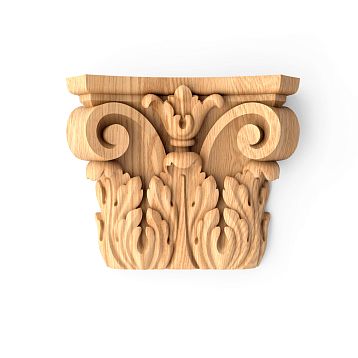
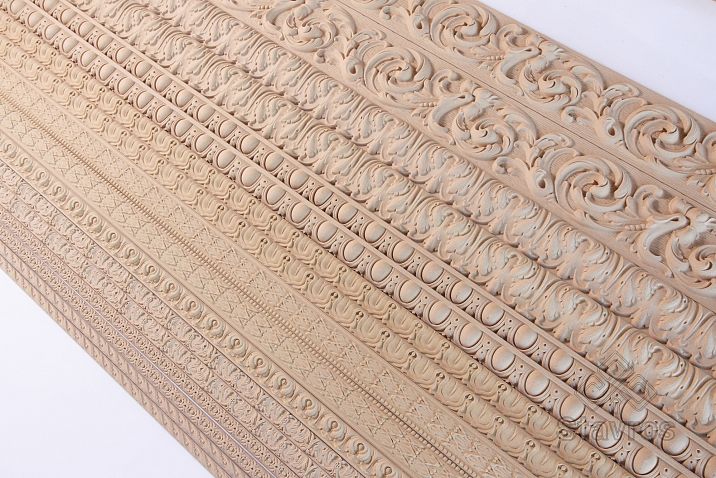
Carved panels, appliqués, moldings, cornices — these elements can become true works of art, bringing artistic value and uniqueness into the interior. They can reflect various styles and eras, from classical carving to modern abstract compositions.
In 2025, geometric shapes and minimalist designs are especially popular, fitting well into modern interiors. At the same time, traditional floral ornaments remain relevant, adding warmth and coziness to the space.
3D Wooden Panels: Volume and Expressiveness
Three-dimensional wooden panels are an innovative solution that allows creating complex volumetric compositions on walls. Such panels become the central element of the interior, attracting attention and setting the tone for the entire space.
3D panels can mimic various shapes and textures – from geometric patterns to natural landscapes. They create interesting visual and tactile effects, play with light and shadow, and add depth and multidimensionality to interiors.
Such panels look especially striking when combined with properly arranged lighting, which highlights volume and creates dramatic lighting effects.
Decorative panels: art on the wall
Decorative wooden panels are a compromise solution for those who want to add natural elements to the interior but are not ready for full wooden wall cladding. Panels can occupy either a small portion of the wall or a significant area, becoming a central compositional element.
The variety of designs is breathtaking: from abstract geometric compositions to complex artistic scenes, from minimalist monochromatic solutions to multicolored inlays. Panels can be made from wood slabs, carved elements, wooden mosaics, or combinations of various techniques.
A trend in 2025 has been panels combining wood with other materials – metal, glass, stone, epoxy resin. Such combinations create unexpected contrasts and textural effects, making the interior more complex and interesting.
Choosing wood species: character and soul of the interior
Choosing a wood species for decorative wall cladding is not only an aesthetic but also a practical matter. Different species have different characteristics that affect the appearance, durability, and performance of the cladding.
Luxurious hardwoods: durability and character
Oak, ash, beech, maple – these species are distinguished by high density, strength, and durability. They are ideal for creating elements that must retain their shape and appearance for many years.
Oak is a classic choice for decorative wall cladding. Its wood features a beautiful texture with distinct growth rings and a honey or golden hue. Oak symbolizes strength, reliability, and tradition – qualities it brings into the interior.
Ash is valued for its beautiful texture and high strength. Its wood has a light tone with a slight yellow or pinkish hue. Ash is easy to work with and polish, making it a popular choice for creating high-quality decorative elements.
Beech has a more uniform structure and a light, slightly pinkish tone. It is ideal for creating elements with fine detailing and complex geometry. Beech creates a light and fresh atmosphere in the interior.
Exotic species: uniqueness and character
Wenge, teak, rosewood, zebrawood – these and other exotic species attract with their unusual color and texture. They are used to create exclusive, designer decorative elements that become the focal point in the interior.
Wenge is an African species with a dark brown, almost black color and contrasting grain. Wenge items become striking accents in the interior, drawing attention with their unusual texture and deep, rich color.
Teak has a golden-brown color and high natural oil content, making it resistant to moisture and decay. Teak decorative elements can be used even in rooms with high humidity, such as bathrooms.
Rosewood has a rich reddish-brown color and a complex, expressive grain. Rosewood items look luxurious and elegant, becoming true ornaments of the interior.
Softwoods: accessibility and warmth
Spruce, fir, cedar, linden – these species are more affordable and possess a special charm that makes them a popular choice for decorative wall cladding.
Spruce is the most common species for wooden cladding. It has a beautiful texture with distinct growth rings and resin pockets, which create an interesting visual effect. Spruce brings a sense of warmth and coziness to the interior, associated with nature and naturalness.
Cedar is distinguished by its pleasant aroma and beautiful pinkish tone. Cedar decorative elements not only decorate the interior but also fill it with a pleasant, calming aroma that lasts for many years.
Linden is a traditional material for wood carving. Its wood has a uniform structure and light color, allowing for the creation of items with fine detailing. Linden creates a light and airy atmosphere in the interior.
Woodworking techniques: from tradition to innovation
Methods of wood processing for decorative wall cladding are diverse and allow for obtaining surfaces of completely different character and style.
Natural beauty: minimal processing
In 2025, minimal wood processing is especially popular, preserving its natural beauty and texture. This approach aligns with the overall trend toward naturalness and authenticity in interior design.
Wood can be treated with transparent oils or waxes that protect the surface without hiding its natural beauty. Such finishing allows you to see and feel all the material’s features – growth rings, knots, unique fiber patterns.
Surfaces with pronounced texture – brushed, aged, with a sawn effect – look especially striking. They create interesting tactile and visual effects, adding depth and character to the interior.
Wood carving: an art tested over centuries
Wood carving is one of the oldest techniques of decorative-applied art, which remains relevant even in 2025. It can be flat relief, when the pattern slightly protrudes from the surface, or deep, three-dimensional, creating complex compositions.
In modern interiors, carved elements can be used both in a traditional context — to decorate classical interiors — and in unexpected, avant-garde solutions that create interesting contrasts and accents.
Geometric carving is especially popular, as it fits well into modern minimalist interiors. Traditional floral ornaments also remain relevant, adding warmth and coziness to the interior.
Burnishing and engraving: drawing with fire and a tool
Burnishing and engraving are techniques that allow creating drawings and patterns on wooden surfaces. They can be simple, geometric, or complex, artistic, with fine detailing.
Modern technologies allow performing burnishing and engraving with high precision, creating images of photographic quality. This opens new opportunities for personalizing interiors — family photos, favorite quotes, or individual designs can be placed on wooden panels.
Combining burnishing or engraving with colored finishing — paint, stain, tinted oils — creates multi-colored compositions that become true works of art.
Modern technologies: new possibilities
Modern technologies open new possibilities for creating wooden decorative elements. Laser cutting and engraving allow creating items with incredible precision and detail. 3D milling enables realizing complex three-dimensional forms that would be difficult or impossible to create by hand.
Computer modeling allows designers to experiment with shapes and textures, creating unique, innovative items that still retain the warmth and naturalness of wood.
An interesting innovation is the use of thermotreatment technology, which changes the structure and color of wood, making it more stable and resistant to external influences. Thermowood has a deep, rich color and increased resistance to moisture and decay, expanding its application possibilities in interiors.
Wooden wall decor in various interior styles
wooden wall decoration Remarkably versatile and can fit organically into almost any interior style, from classical to ultra-modern.
Scandinavian style: natural simplicity
In Scandinavian interiors, wooden decorative elements are characterized by simplicity of form and naturalness. Light-colored woods such as birch, pine, and spruce dominate, creating a sense of light and space.
Decorative elements in the Scandinavian style often have minimal processing, preserving the natural grain and color of the wood. These may include simple panels with vertical or horizontal board arrangements, decorative battens forming geometric patterns, or individual accent elements — shelves, mirror and picture frames.
The color palette is predominantly light, with a predominance of white, beige, and light gray. Wooden elements can be left in their natural color or painted white or pastel tones, creating a sense of lightness and airiness.
Modern minimalism: focus on form
In minimalist interiors, wooden decorative elements are characterized by simplicity of form and clean lines. There is no room for excessive decoration: each element is functional and has a clear geometric shape.
Smooth, even surfaces with minimal detailing are characteristic of minimalism. Wooden panels may have hidden mounting systems, creating the impression of a monolithic surface. Popular are battens forming strict geometric patterns, and individual accent elements — for example, a wooden wall behind the headboard of a bed or in the TV zone.
The color palette is restrained, with a predominance of natural wood tones. Contrasting combinations are especially popular — for example, dark wood against light walls or light wood combined with black or gray elements.
Eco-style: harmony with nature
In eco-interiors, wooden decorative elements are key, creating an atmosphere of closeness to nature. Here, minimally processed materials are used: tree trunks, branches, twigs that retain their natural shape and texture.
Decorative elements in the eco-style often combine with other natural materials: stone, clay, rattan, creating a cohesive, harmonious composition. The color palette is predominantly natural: shades of brown, green, beige.
Panels made from tree trunks, walls from unprocessed boards with bark, decorative elements from roots and branches are especially popular in the eco-style. Such elements bring a sense of wild nature into the interior, creating a unique, irreplaceable space.
Loft: Industrial Aesthetic
In loft-style interiors, wooden decorative elements create an interesting contrast with rough concrete surfaces and metal structures. Here, large wooden beams on the ceiling, roughly processed shelves and countertops, and decorative elements made from old, "weathered" wood are popular.
Wood with pronounced texture and signs of age — cracks, knots, scratches — is characteristic of lofts. Such elements add warmth and coziness to the interior, softening the industrial harshness.
The color palette is predominantly dark, with a predominance of deep, rich brown tones. Contrasting combinations are also popular — for example, dark wood against white walls or light wood combined with black metal elements.
Classic style: eternal elegance
In classical interiors, wooden decorative elements play a key role, creating an atmosphere of luxury and elegance. Here, carved panels with floral motifs, cornices and moldings, decorative rosettes and appliqués are appropriate.
The use of valuable wood species — oak, walnut, mahogany — is characteristic of the classical style. Items often feature intricate floral carvings and are coated with varnish with a glossy or patina effect, creating an antique look.
The color palette is predominantly warm, with a predominance of golden, brown, reddish tones. Contrasting combinations are also popular — for example, dark wood against light walls or light wood combined with deep, rich colors of textiles and accessories.
Practical aspects of using wooden wall decor
Despite its aesthetic appeal, wooden wall decor also has practical advantages that make it the optimal choice for modern interiors.
Ecological advantages: health and well-being
Wood is one of the most ecologically clean materials for finishing. It does not emit harmful substances, does not accumulate static electricity, and possesses natural antibacterial properties.
Wooden surfaces create a unique microclimate in a room: they regulate humidity by absorbing excess and releasing it when deficient, which is especially important for respiratory health. Moreover, wood has good thermal insulation properties, helping to maintain a comfortable temperature in the room.
Some types of wood, such as cedar, emit phytoncides—natural antiseptics that purify the air and create an atmosphere conducive to health and well-being.
Acoustic properties: harmony of sound
Wooden surfaces have excellent acoustic properties: they absorb excess noise and create a comfortable acoustic environment in the room. This is especially valuable in modern city apartments, where noise is a significant issue.
Various types of wooden finishes—panels, planks, 3D elements—can serve as acoustic diffusers, dispersing sound waves and preventing echoes and resonance. This creates a more harmonious and comfortable acoustic environment in the room.
The acoustic properties of wood are especially valuable in rooms where sound quality is important—home theaters, music studios, living rooms where gatherings and conversations frequently occur.
Practicality and durability: an investment in the future
Quality wooden wall finishing is a long-term investment that does not lose its appeal over time. With proper care, wooden surfaces can retain their beauty and functionality for decades.
Wood is a material that can be easily refreshed or restored. If the surface has lost its original appearance, it can be sanded and re-coated with a protective finish, restoring its freshness and attractiveness.
Moreover, wooden wall finishes can conceal minor surface irregularities and technical utilities—wires, pipes, ventilation ducts—making it a practical solution for modern interiors.
Care for wooden wall decor: preserving beauty for years
Proper care of wooden decorative elements will help preserve their beauty and functionality for many years.
Regular cleaning: simple rules
Wooden decorative elements require regular cleaning from dust and dirt. Use a soft, dry cloth or special furniture brushes. Avoid using wet cloths or aggressive cleaning agents, which may damage the protective coating and the wood itself.
For more thorough cleaning, you can use a slightly damp cloth soaked in warm water with mild soap. After such cleaning, be sure to wipe the surface with a dry cloth to remove any remaining moisture.
Special cleaners exist for removing stains from wooden surfaces, selected depending on the type of contamination and the type of protective coating. Before using such cleaners, it is recommended to test their effect on a small, inconspicuous area.
Protection from moisture and sun: preventing damage
Wood is a living material that reacts to changes in the surrounding environment. To prevent deformation, cracking, or fading of wooden decorative elements, follow a few simple rules:
- Avoid placing wooden elements near heat sources (radiators, fireplaces) or in areas with high humidity.
- Protect wooden elements from direct sunlight, which may cause fading or cracking.
- Maintain optimal humidity levels (40-60%) in the room, using humidifiers or dehumidifiers as needed.
If wooden elements are located in rooms with high humidity (bathrooms, kitchens), they must have a special protective coating resistant to moisture.
Updating protective coating: periodic necessity
Over time, the protective coating on wooden decorative elements may wear down or dull. To preserve beauty and protective properties, this coating must be periodically renewed.
The frequency of renewal depends on the type of coating, intensity of use, and environmental conditions. On average, oil and wax coatings should be renewed every 1-2 years, while varnish coatings every 3-5 years.
Before applying a new coating, the surface must be thoroughly cleaned of dust and dirt, and lightly sanded with fine-grit sandpaper if necessary.
Conclusion: creating a unique space with wooden wall decor
wooden wall decoration It is not just a way to decorate the interior, but an opportunity to create a space that reflects your individuality, values, and attitude toward life. Wooden elements bring warmth, coziness, and a sense of connection to nature, which are so essential in our technologically advanced, rapidly changing world.
In 2025, as ecological awareness and the desire for naturalness become increasingly important values, wooden wall decor gains special significance. This is not merely a fashion trend, but a conscious choice in favor of quality of life, health, and harmony with the surrounding world.
Choosing wooden decorative elements for your interior not only creates a beautiful, stylish space, but also represents an investment in your well-being and comfort for many years. You are creating a home that will delight you every day, fill you with energy and inspiration, and serve as a true refuge from the stress and busyness of the outside world.
May your home become a reflection of your soul, a place where every detail matters and tells its own story. May wooden decorative elements become those touches that transform an ordinary space into something unique, full of life and individuality.
In a world where authenticity and connection to nature are increasingly valued, wooden wall decor becomes not just a design element, but a philosophy of life — a choice in favor of naturalness, harmony, and beauty that never goes out of style.