Article Contents:
- How to Combine Structured Surfaces
- Polyurethane Appliqués as Expressive Graphics
- Wood Panels - Basis of Texture and Depth
- Techniques of Visual Rhythm and Symmetry
- STAVROS Solutions Examples for Walls and Niches
- Questions and Answers
- Conclusion - Wall as a Work of Art

Wall in Interior - it is not just a vertical plane dividing space. It is a canvas for creating an artistic composition, where structure, texture, relief contribute to forming the character of the room.Polyurethane wall decorandwood panelsTwo tools that, in the hands of STAVROS professionals, transform a flat wall into a multi-layered composition. Polyurethane appliqués create relief graphics, classical ornaments, architectural accents. Wood panels introduce natural texture, tactile depth, warm authenticity of solid wood. Together they form structured surfaces, where smooth meets relief, natural meets artificial, traditional meets modern.
The philosophy of wall decoration is based on multi-layered perception. The first layer - the basic wall plane with its color and texture. The second layer - wood panels, creating a textured base, natural relief, warm background. The third layer - polyurethane appliqués, adding final accents, ornamental details, artistic refinement. This three-layer system creates depth, visual richness, interest for perception. The wall ceases to be flat and becomes a spatial composition.
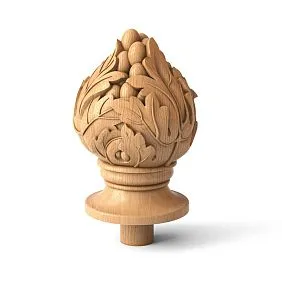


How to Combine Structured Surfaces
Combining different textures and reliefs on one wall - an art requiring understanding of visual balance. The main principle - contrast and complement. Smooth surfaces contrast with relief, enhancing expressiveness of both. Large wood texture is complemented by fine detailing of polyurethane molding. Horizontal lines of panels meet curved shapes of appliqués, creating geometric diversity.
Zoning the wall by texture creates structure. Classic solution - lower third of the wall, 90-120 cm high, clad with wood panels, creating practical and beautiful zone. Middle section - painted or wallpapered surface with polyurethane appliqués forming decorative accents. Upper section under ceiling - frieze or cornice, completing the composition. This three-part system organizes the wall vertically.
Frame composition uses wood panels as base. Wide wood panels are mounted on the wall, forming a rectangular frame. Inside the frame, the wall is painted contrastively or covered with wallpaper. On this background, polyurethane appliqués are placed - central large rosette and smaller side elements. Wooden frame organizes space, appliqués create final decoration.
Alternating materials creates rhythm. Vertical wood panels 40-60 cm wide alternate with painted wall sections of the same width. Vertical polyurethane appliqués are placed on painted sections. This creates rhythmic structure: wood - smooth with appliqué - wood - smooth with appliqué. This rhythm organizes perception of long walls.
Central accent zone concentrates decoration. On the wall, a central zone 120-150 cm wide is clad with wood panels featuring rich relief. On these panels, a large polyurethane appliqué with diameter 40-60 cm - compositional center - is placed. The rest of the wall is more restrained - simple paint or small appliqués. Central zone dominates, side zones support.
Horizontal division divides high walls. At height 100-120 cm, a horizontal band of wooden molding 80-100 mm wide runs. This band divides the wall into lower and upper parts, each of which may have its own texture and decoration. Lower part - wood panels, upper part - smooth with polyurethane appliqués. Horizontal line organizes space.
Corner accents emphasize room geometry. In room corners, vertical wooden pilasters or wide panels are placed, framing the corner. Polyurethane corner elements are installed on these panels. Corners become architectural accents, not just technical wall junctions.
Niches and wall recesses receive special treatment. Inner surface of niche is clad with wood panels, creating textured background. Wooden molding trim runs around the niche perimeter. In center of rear wall of niche, a polyurethane appliqué is placed. Niche transforms into decorative panel, architectural object.
Element scale correspondence is critical. Large wood panels 60-80 cm wide require large polyurethane appliqués with diameter 30-50 cm. Narrow panels 20-30 cm harmonize with delicate appliqués 15-25 cm. Scale mismatch creates imbalance - small decoration disappears against large texture.
Color coordination unites materials. Three strategies: contrasting - dark wood, light wall, white appliqués; tonal - light wood, beige wall, cream appliqués in one color palette; monochromatic - wood and appliqués painted in one color, distinguishable only by texture and relief.
Decoration density determines character. High density - wood panels cover large part of wall, many polyurethane appliqués - creates richness, baroque opulence. Medium density - panels in key zones, few appliqués - forms classic elegance. Low density - minimal panels and appliqués - creates modern restraint.
Lighting reveals structure. Side lighting creates shadows on relief of wood panels and polyurethane appliqués, maximally revealing texture. Frontal lighting smooths relief, making surface more calm. Under or over lighting creates dramatic effects. Lighting scenario is designed together with decoration.
Functional elements complement aesthetics. Wood panels protect walls from damage, improve sound insulation, add thermal insulation. Polyurethane appliqués mask irregularities, material joints, communication conduits. Beauty and practicality are unified.




Polyurethane Appliqués as Expressive Graphics
Polyurethane appliquésWork as expressive graphic elements on the wall, creating visual accents, rhythmic structure, artistic refinement. Unlike painting or photography, polyurethane appliqués create relief graphics - volumetric, changing with lighting, tactile. This is miniature sculpture integrated into wall architecture.
Appliqué shapes are diverse. Round rosettes 15-60 cm in diameter - classic shape, creating focal points. Oval medallions - elegant vertical or horizontal accents. Rectangular panels - for framing zones. Corner elements - for decorating room corners and frames. Vertical appliqué pilasters - for dividing walls. Horizontal friezes - for creating bands. Each shape solves its compositional task.
Ornaments reproduce historical styles. Classicism - symmetrical floral motifs, palmettes, meanders, geometric patterns. Baroque - lavish asymmetrical scrolls, acanthus, dynamic forms. Empire - military symbolism, laurel wreaths, eagles. Modern - flowing floral lines, stylized flowers. Rococo - light asymmetrical scrolls, shells. Each style creates its own atmosphere.
Placement of appliqués follows compositional principles. Central placement — a large appliqué in the geometric center of the wall or panel — creates a focal point. Symmetrical placement — identical appliqués on both sides of the axis — forms classical harmony. Asymmetrical placement — various elements in free composition — adds modern dynamism.
The number of appliqués determines the decoration density. One large appliqué on a wall — minimalist accent. Three appliqués — central large and two smaller side ones — classic triad. Five or more appliqués — rich baroque opulence. Multiple small appliqués across the entire wall — ornamental carpet of maximum decorative effect.
The rhythm of repeating elements creates musicality. A vertical row of identical appliqués at equal intervals forms a calm rhythm. Alternating large and small elements creates a more complex structure. Progression — gradual increase or decrease in size — creates directional movement.
Integration with functional elements enhances practicality. An appliqué above a switch hides its poor placement, transforming it into a decorative accent. An appliqué around a socket creates framing. Appliqués around the perimeter of a mirror or picture form an architectural frame. Function and beauty are unified.
Color treatment expands possibilities. White appliqués on colored walls — classic contrast, clear graphics. Appliqués in wall colors — delicate relief play, visible only under side lighting. Contrasting colored appliqués — bright accents on neutral backgrounds. Patination with gold, silver, bronze — palace luxury.
Installing appliqués is simple. The reverse side is flat and designed for gluing. Use polyurethane or quality acrylic adhesive. Clean the wall surface, apply adhesive to the appliqué, press for 2-3 minutes. After drying, it lasts for decades. Lightweight elements eliminate the risk of collapse.
Layering of composition is created by overlaying. First layer — background wall. Second layer — wooden panels or molding frames. Third layer — polyurethane appliqués over panels. This multi-layering creates depth, visual complexity, and interest for perception.
Scaling to space is critical. In a large room of 40 square meters, large appliqués 40-60 cm in diameter are used. In a small room of 15 square meters — delicate elements 15-25 cm. Scale must match wall size, otherwise imbalance occurs.
Stylistic consistency with the interior is mandatory. Classical ornamental appliqués harmonize with classical furniture and ceiling moldings. Minimalist geometric appliqués suit modern interiors. Mixing incompatible styles creates visual chaos.
The durability of polyurethane appliqués is 25-30 years. The material does not age, does not yellow, retains relief clarity. The only maintenance — dust wiping, possible repaint every 7-10 years. This makes appliqués a worthwhile long-term investment in interior beauty.
Our factory also produces:


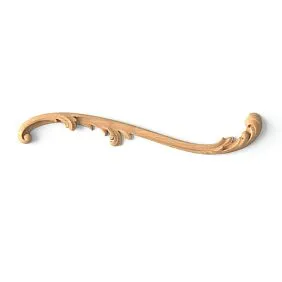
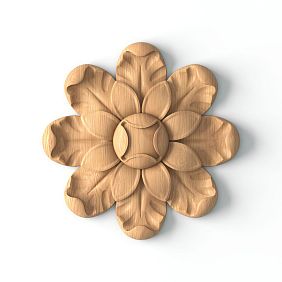
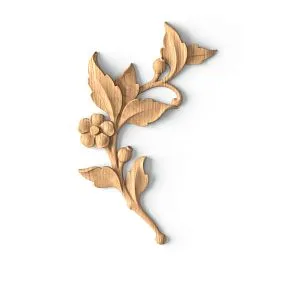


Wooden panels — the basis of texture and depth
Wooden panels on walls create a textured base — natural relief, tactile depth, warm organic quality impossible to replicate synthetically. Each panel is unique — natural grain patterns, fiber direction, color variations make it distinct from others. This natural variability creates visual richness, a living surface that changes with lighting.
Types of wooden panels differ in construction. Solid panels from whole wood 15-25 mm thick — maximum prestige and longevity. Glued panels from laminated strips — stable dimensions, no deformation. Veneered panels — MDF or plywood base, covered with natural veneer of valuable species — economical while preserving visual effect.
Panel sizes determine visual character. Large panels 60x120 cm or 80x150 cm create scale, suitable for large rooms. Medium panels 40x80 cm or 50x100 cm are universal, work in most interiors. Narrow vertical panels 20x100 cm or 30x150 cm create vertical graphics, visually raising the ceiling.
Edge profiling of panels adds relief. Smooth panels with straight edges create a modern minimalist look. Panels with beveled edges — sloped edges — form raised joints. Panels with decorative edges — carved profiles — create classic ornamentation. Profile determines the style.
Wood species for panels are chosen based on aesthetics and budget. Oak — prestige standard, expressive large-grained texture, noble tones from light to dark walnut. Suitable for classical and solid interiors. Ash — contrasting light structure, graphic quality, suitable for modern and Scandinavian interiors. Walnut — warm brown tones with purple undertones, luxury and coziness.
Surface treatment affects perception. Smoothly sanded surface under transparent oil or varnish showcases natural texture in full beauty. Brushed surface with emphasized annual rings creates expressive tactile relief. Roughly treated surface with saw or axe marks suits rustic, country styles, creating an authentic feel.
Color treatment expands the palette. Natural wood color under transparent finish — from light honey ash to dark chocolate walnut. Staining with stains creates more saturated or altered shades — wenge, stained oak, gray. Painting with enamels in white, gray, or colored integrates panels into any color scheme. Patination creates an antique effect.
Panel placement on walls creates various effects. Horizontal panel placement visually expands space, creates calmness. Vertical placement raises the ceiling, creates dynamism. Diagonal placement at 45 degrees adds activity, restlessness. Combined — vertical center, horizontal edges — creates complex composition.
Wall height covered with panels determines character. Low coverage 90-120 cm — classic panels, practical and beautiful. Medium coverage 150-180 cm — coziness, comfort. High coverage 200-240 cm almost to ceiling — maximum naturalness, wooden room. Full coverage from floor to ceiling — log cabin in modern interpretation.
Panel installation requires a frame. Horizontal or vertical 30x40 mm beams are mounted to the wall, creating a grid. Panels are attached to the grid with screws, nails, or hidden fasteners. A 20-30 mm ventilation gap remains between wall and panels, preventing moisture accumulation and allowing wood to breathe.
Sound insulation improves with wooden panels. Wood partially absorbs sound, especially high frequencies. Placing sound-absorbing materials — mineral wool, acoustic tiles — behind panels enhances the effect. A room with wooden panels has more comfortable acoustics.
Thermal insulation is added by wooden panels. Wood is a natural insulator. Air gap between wall and panels creates additional insulation. Placing insulation behind panels transforms decorative cladding into a functional insulation system.
Durability of hardwood panels is measured in decades. Oak, ash, walnut are practically eternal with proper care. Quality protective coating — oil, UV-filtered varnish — protects against fading and contamination. Periodic re-coating every 5-7 years extends panel life and preserves beauty.
Get Consultation
Principles of visual rhythm and symmetry
Rhythm in wall decor — repetition of elements, creating visual music, organizing perception of complex compositions. Regular rhythm — identical elements at equal intervals — forms calmness, order, classical harmony. Vertical row of identical polyurethane appliqués every 80 cm on wooden panels creates regular rhythm.
Progressive rhythm — gradual change in size or interval — creates directional movement. Appliqués 40 cm, 35 cm, 30 cm, 25 cm placed sequentially create a progression guiding the gaze. Or intervals 60 cm, 70 cm, 80 cm, 90 cm between elements form an accelerating rhythm.
Contrasting rhythm — alternation of different elements — creates complexity. Large appliqué — two small — large — two small creates contrasting rhythm. Wide wooden panel — narrow — wide — narrow forms rhythmic alternation. This complexity is interesting for perception.
Symmetry — fundamental principle of classical aesthetics. Mirror symmetry — left and right halves of the wall are identical relative to central vertical axis — creates solemnity, classical harmony. Central large appliqué on axis, identical wooden panels on both sides, and side appliqués form a symmetrical composition.
Asymmetry adds modernity, freedom, dynamism. Appliqués of different sizes are placed asymmetrically, creating visual tension. Wooden panels do not cover the wall symmetrically, but only part of it asymmetrically. This freedom from rigid rules is characteristic of modern interiors.
Centering key elements creates focal points. The central wall zone, 120-150 cm wide, is highlighted with wooden panels and large polyurethane appliqués — becoming the compositional center. Side zones are more restrained, supporting the center without competing with it.
Framed compositions use framing as an organizing element. A rectangular frame made of wooden moldings or panels creates a boundary. Inside the frame, a background — paint, wallpaper — and polyurethane appliqués are placed. The frame organizes chaos, creates order, and makes the composition understandable.
Modular systems divide the wall into sections. The wall is divided into identical squares or rectangles — modules. Each module receives its own treatment — one with wooden panels, an adjacent one with appliqués, another combined. Modularity creates rhythm, order, and a system.
Diagonals add dynamism. A diagonal line from the bottom-left corner to the top-right — a line of movement, activity. Placing elements along this diagonal creates directional movement, guiding the gaze. This breaks the static nature of verticals and horizontals, adding life.
The golden ratio — a mathematical proportion of 1:1.618 — creates visually pleasing proportions. Placing the main element not in the geometric center of the wall, but at the point of the golden section — at a distance of 38.2 percent from the edge — creates dynamic balance, more interesting than static centering.
Negative space — the emptiness between elements — is as important as the decor itself. Overloading with elements creates visual chaos. The correct proportion — 30-40 percent of decorated surface, 60-70 percent clean — creates elegance, allowing each element to breathe.
Scale gradation — changing the size of elements — creates visual depth. Large elements are perceived as closer, small ones as distant. Placing large panels and appliqués in the lower part of the wall, small ones in the upper part creates an illusion of perspective, visual depth of space.
STAVROS solutions for walls and niches examples
STAVROS offers systematic solutions for wall decoration, where polyurethane elements and wooden panels work in a harmonious ensemble. Design begins with an analysis of the room — dimensions, proportions, lighting, functional purpose, stylistic preferences of the client. The designer creates a concept, defining wall zoning, placement of panels and appliqués, color treatment.
Classic living room with wooden panels and molding. The lower part of the wall, 100 cm high, is clad with natural-oil-finished oak panels, 50x100 cm. Small polyurethane appliqués with classic rosettes, 20 cm in diameter, are mounted on the panels. The middle section is painted in warm beige. Against this background, a large appliqué with a 50 cm diameter is placed in the center. The upper part is finished with a ceiling cornice. Cost of decorating one 4x3 meter wall — 80,000–120,000 rubles.
Modern bedroom with accent wall. An accent composition is created behind the bed headboard. Vertical ash panels, 30 cm wide, from floor to ceiling, painted light gray, are placed at 50 cm intervals. The wall between panels is dark gray. On the central panel — a minimalist geometric appliqué. Subtle, modern, elegant. Cost of accent wall 3x2.7 meters — 45,000–70,000 rubles.
Library with wooden panels and rich molding. All walls up to 180 cm are clad with walnut panels with decorative edges. Multiple polyurethane appliqués — rosettes, corner elements, vertical pilasters — are placed on the panels, creating baroque opulence. Upper wall sections and ceiling are finished with classical molding. Bookshelves are integrated into the wooden cladding. Luxury, solidity, scholarly elegance. Cost of full library decoration (25 sq. meters) — 450,000–650,000 rubles.
Dining room with a buffet niche. The niche is 40 cm deep, 150 cm wide, and 220 cm high. The back wall of the niche is clad with wood panels featuring a brushed texture. Around the niche — a wooden molding frame 80 mm wide. In the center of the back wall — a large polyurethane appliqué with a 45 cm diameter. Inside the niche, lighting is installed. The buffet in the niche becomes an architectural object. Cost of niche decoration — 35,000–55,000 rubles.
Office with panels and business restraint. The wall behind the work desk is clad with dark-toned vertical oak panels up to 240 cm high. Narrow 25 cm panels with 30 cm intervals create vertical graphics. On the central panel — one restrained appliqué with a geometric ornament. Solid, serious, without excessive decoration. Cost of accent wall — 55,000–85,000 rubles.
Children's room with a cheerful composition. The wall is clad with light birch panels painted in pastel colors — blue, pink, yellow. Simple-shaped polyurethane appliqués — stars, flowers, geometric shapes — are placed in a free, asymmetrical composition. Cheerful, bright, safe. Cost of wall decoration — 35,000–55,000 rubles.
Entryway with practical panels. The lower part of the walls, 120 cm high, is clad with larch — a naturally moisture-resistant wood species. Panels protect walls from damage and dirt. On the panels — several classic appliqués, adding elegance. The upper part of the walls is painted. Practical and beautiful. Cost of decorating 6 sq. meters of entryway walls — 45,000–70,000 rubles.
Living room with fireplace. The wall with the fireplace receives special treatment. Wooden panels are installed around the fireplace portal, framing the fireplace. Above the fireplace — a large polyurethane appliqué or a composition of several elements. The fireplace becomes an architectural center of the room. Cost of decorating the fireplace wall — 65,000–95,000 rubles.
Bathroom with moisture-resistant decoration. Larch or thermally treated wood — moisture-resistant species — is used. Panels are installed in zones not directly contacting water. Polyurethane appliqués are completely moisture-resistant and can be placed freely. Luxury of natural wood in the bathroom. Cost of decorating 8 sq. meters of bathroom — 75,000–110,000 rubles.
Office with prestige. The wall behind the manager's desk is clad with premium-grade oak panels. A symmetrical composition with a central large appliqué with a 60 cm diameter and side elements creates solemnity. Status, solidity, authority. Cost of prestigious wall — 85,000–125,000 rubles.
Restaurant with thematic decoration.Wooden items with ornamentandMolded wall decorationCreate atmosphere. Carved wooden panels with national ornaments combine with polyurethane appliqués of classic forms. Each wall — a composition, creating a memorable interior. Cost of decorating a 100 sq. meter wall — 650,000–950,000 rubles.
Questions and answers
Can wooden panels and polyurethane appliqués be combined in one room?
Not only can they be combined, but this is one of the trends in modern design. Wooden panels create a textured base and natural warmth. Polyurethane appliqués add final decorative accents and classic ornaments. The key to success — proper proportions, color coordination, stylistic harmony. STAVROS has developed dozens of successful combination projects.
What is the optimal height for wooden panels?
Classic height 90–120 cm — practical and beautiful, protects the lower part of the wall from damage. Medium height 150–180 cm — creates intimacy and coziness. High cladding 200–240 cm — maximum naturalness. Choice depends on ceiling height, style, and budget. For standard 2.7-meter ceilings, 100–120 cm is optimal.
How much more expensive is wall decoration with panels and appliqués compared to simple painting?
For a 4x3 meter wall: simple painting — 8,000–15,000 rubles. With wooden lower panels and polyurethane appliqués — 60,000–100,000 rubles. 5–8 times more expensive. But the result is incomparable — instead of a flat painted surface, a multi-layered composition with texture, relief, and artistic value. Decoration also increases property value.
Can wooden panels be used in humid rooms?
It is possible with the right choice of species and treatment. Use moisture-resistant species—larch, teak, thermally treated wood. Quality protective oil treatment is mandatory for humid areas. Avoid direct contact with water—do not install panels in shower zones. With proper approach, wood lasts for decades in humid conditions.
How to care for wooden panels and polyurethane appliqués?
Care is simple. Wipe wooden panels with dry or slightly damp cloth, avoiding excess moisture. If treated with oil, renew the coating every 3–5 years. Polyurethane appliqués simply require dusting, no special care needed. Avoid aggressive cleaning agents. This takes minimal time.
Which wood species are best for panels?
Oak—standard of prestige, expressive texture, maximum hardness, 2500–4000 rubles per square meter. Ash—contrasting structure, modernity, 2000–3500 rubles. Walnut—warm tones, luxury, 3000–5000 rubles. Larch—moisture resistance, golden hues, 1500–2500 rubles. Choice depends on style, budget, and usage conditions.
Can it be installed by oneself or are professionals required?
Technically possible for someone with skills. Panels require a frame and precise mounting. Appliqués are easier to install. Without experience, there is a high risk of an imperfect result—uneven lines, gaps, poor joints. Professional installation by STAVROS guarantees quality—smooth panels, invisible appliqué joints, flawless finishing. 2-year warranty on work.
How long does it take to decorate one wall?
For a 4x3 meter wall: surface preparation—1 day, frame and panel installation—1–2 days, appliqué installation—1 day, finishing—1–2 days. Total: 4–6 working days. A team of 2 people works more efficiently. Complexity of composition and number of elements affect the timeline.
Will this solution become outdated in a few years?
It will not become outdated with classic execution. Wooden panels are elements with centuries of history, outside fashion trends. Classic moldings have been tested for centuries. Their combination creates timeless elegance. Avoid extremely trendy colors or forms. Choose classic proportions and quality materials. Such decoration remains relevant for decades.
Can I add decoration to an already finished interior?
Yes, it is common practice. Many first do basic renovation, then add decoration to enhance expressiveness. Panels are mounted on a frame, appliqués are glued onto painted walls. After installation, everything is repainted to unify elements. The key is to correctly match scale and style to the existing interior. STAVROS consults on adding decoration to finished spaces.
Final result—wall as a work of art
Combining polyurethane elements and wooden panels transforms a flat vertical surface into a multi-layered artwork, where texture, relief, and ornament contribute to the artistic value of the space. Wooden panels form a textured base—natural texture, tactile depth, warm organic mass. Polyurethane appliqués create relief graphics—expressive accents, classical ornaments, artistic refinement.
Principles of combination are based on contrast and complementation. Smooth and relief enhance each other. Natural wood and manufactured polyurethane create a material dialogue. Large panel texture is complemented by fine appliqué detailing. Horizontals meet verticals, circles meet rectangles, creating geometric diversity.
Visual rhythm and symmetry organize complex compositions. Repetition of elements creates musicality. Symmetry forms classical harmony. Asymmetry adds modern freedom. Golden section ensures visually pleasing proportions. These eternal principles of beauty transform decoration into art.
STAVROS offers a full spectrum of solutions for wall decoration. From consultations and 3D visualization design to delivery of high-quality solid wood panels and polyurethane appliqués, professional installation. Collections of appliqués in all historical styles, solid wood panels, custom manufacturing per project. Decades of experience, understanding of proportions, sense of style, attention to detail—foundation for creating walls that transform interiors into spaces with character, depth, artistic value, where every detail contributes to the perfection of the whole.