Article Contents:
- Technological Evolution of Decorative Materials
- Advantages of Polymer Decor Over Traditional Materials
- Lightweight and Durable
- Water resistance and durability
- Ease of processing and installation
- Variety of Forms and Stylistic Solutions
- Classic Motifs
- Modern solutions
- Avant-Garde Compositions
- Technical specifications and quality standards
- Features of Selection and Planning
- Installation Technology and Installation Features
- Maintenance and operation
- Economic Aspects of Usage
- Ecological Aspects and Safety
- Innovative Solutions and Development Trends
- Regional application specifics
- Professional Secrets of Designers
- The Future of Decorative Finishing

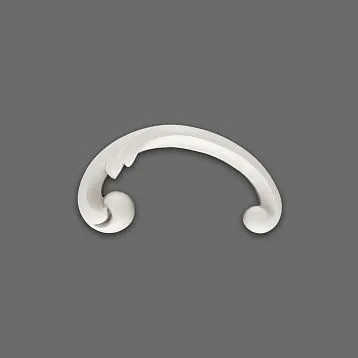
Interior design art has undergone revolutionary changes over the past decades. Not long ago, decorative elements were made exclusively from natural materials – plaster, stone, wood. However, technological progress has given us an amazing alternative that has captured the hearts of designers and homeowners around the world. This is about plastic applique decor, which has become a true breakthrough in architectural decoration.
What makes this material so attractive? The answer lies in the unique combination of aesthetic qualities and practical advantages. Modern polymer applique decorative elements retain the elegance of classical reliefs, while possessing characteristics unavailable to traditional analogs.



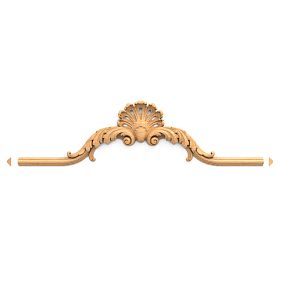
Technological Evolution of Decorative Materials
Polyurethane, which became the basis for producing modern plastic applique decor, is a high-tech polymer with exceptional properties. This material is obtained as a result of the reaction of polyols with isocyanates, creating a three-dimensional network structure with unique characteristics.
The production process begins with creating precise forms from high-quality steel with a fluoroplastic coating. Liquid polyurethane is injected under high pressure into these molds, hardening to take on the ideal geometry of the future decorative element. This technology ensures incredible accuracy in reproducing even the most delicate ornament details.
Modern production lines allow creating decorative elements of any complexity – from simple geometric forms to intricate baroque scrolls. At the same time, each item is produced absolutely identically, which is especially important when decorating large areas or creating symmetrical compositions.




Advantages of Polymer Decor Over Traditional Materials
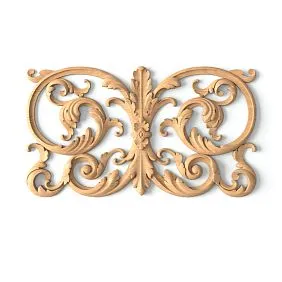
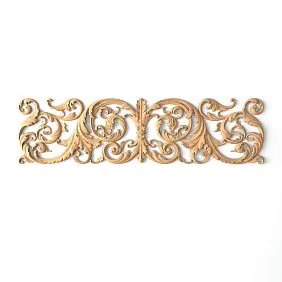
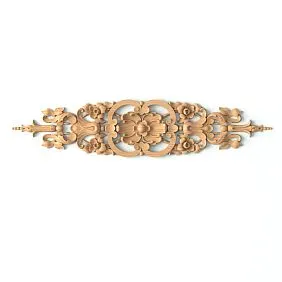
Our factory also produces:



Lightweight and Durable
One of the main advantages of polyurethane plastic applique decor is its low weight. Decorative elements weigh several times less than plaster analogs, significantly simplifying installation and reducing load on load-bearing structures. At the same time, the material's strength remains at the highest level – it does not crumble, does not crack, and can withstand significant mechanical impacts.
The elasticity of polyurethane allows elements to slightly deform without breaking, making them ideal for use in new buildings that may undergo shrinkage. Traditional plaster elements would inevitably develop cracks under such conditions.
Get Consultation
Moisture resistance and durability
Polymer materials do not absorb moisture, making them suitable for use in rooms with high humidity – bathrooms, kitchens, pools. Modern plastic applique decor is not susceptible to mold and mildew, which is especially important for maintaining a healthy microclimate in the home.
The service life of quality polyurethane decor is measured in decades. The material does not fade in sunlight, does not yellow over time, and retains its original shape throughout its entire service life.
Ease of processing and installation
Modern decorative elements can be easily cut with a standard saw, allowing them to be adjusted to any architectural features of the room. Installation is performed using special adhesives or fasteners, requiring no complex tools or special skills.
After installation, the surface can be painted with any type of paint, opening up endless creative possibilities. The elements hold paint well and allow creating both classic white compositions and vibrant color accents.
Variety of forms and stylistic solutions
The modern market offers an incredible variety of decorative elements made from polymer materials. From strict geometric forms in the minimalist style to luxurious baroque compositions with numerous fine details – everyone will find a solution for their interior.
Classic Motifs
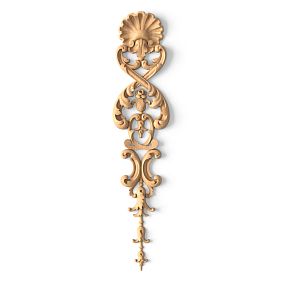
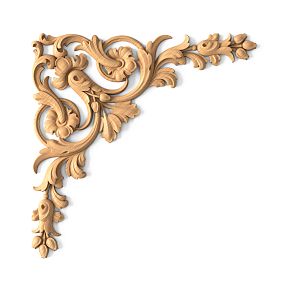
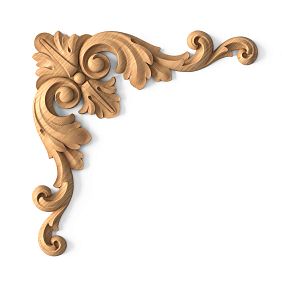
Those who love traditional interiors can choose plastic wall applique with classic ornaments. Rosettes with acanthus leaves, ornate moldings, elegant pilasters – all of this is available in a modern polyurethane execution. The detailing is so high that one can distinguish polymer decor from plaster only by weight.
Modern solutions
For lovers of modern design, manufacturers offer minimalist geometric forms that highlight the architectural lines of the room without overloading it with unnecessary details. Such elements fit perfectly into styles like high-tech, minimalism, and loft.
Avant-garde compositions
Especially bold designers can use avant-garde elements with unusual shapes and textures. Three-dimensional compositions that create play of light and shadow can turn an ordinary wall into a work of art.
Technical Specifications and Quality Standards
Quality polyurethane decor must meet strict technical requirements. The material density is usually between 300 to 700 kg/m³, ensuring an optimal balance of strength and weight. The operating temperature range varies from -40°C to +80°C, allowing use both indoors and on building facades.
Modern plastic wall applique It is produced from environmentally safe materials that do not emit harmful substances during operation. This is especially important for residential spaces, where occupant safety is a priority.
Geometric precision of the items is achieved through the use of high-precision equipment and quality control at every stage of production. Deviations from specified dimensions do not exceed fractions of a millimeter, ensuring perfect element alignment during installation.
Features of selection and planning
When selecting decorative elements, several important factors must be considered. First and foremost, room size and ceiling height. In small rooms, it is advisable to prefer more minimalist forms to avoid creating a sense of cluttered space.
It is also important to consider the overall interior style. Wall applique must harmoniously fit into the existing design, highlighting its strengths and masking its weaknesses. For example, horizontal moldings can visually expand a narrow room, while vertical elements add height to rooms with low ceilings.
Color selection plays an equally important role. Traditionally, decorative elements are painted white, which universally complements any interior color scheme. However, bold design solutions allow for the use of contrasting or accent colors.
Installation technology and installation specifics
Installation Process plastic applique decor is significantly simpler than installing traditional plaster elements. Due to the material's low weight, special polyurethane adhesive or liquid nails are sufficient for mounting.
Surface preparation includes cleaning from dust and dirt, as well as priming to improve adhesion. Elements are recommended to be acclimatized in the room at room temperature for several hours before installation.
When trimming elements, a standard fine-toothed hacksaw or electric jigsaw is used. Edges are sanded with sandpaper to achieve a perfectly smooth surface. Joints between elements are sealed with acrylic sealant, which becomes virtually invisible after drying.
Care and Maintenance
One of the most important advantages of polyurethane decor is ease of maintenance. The surface is easily cleaned with a damp cloth using regular cleaning agents. If needed, elements can be repainted, allowing interior updates without removing the decor.
Special attention should be given to the anti-static coating applied to some decorative elements. Such coating prevents dust accumulation on the surface, which is especially important for rooms with high ceilings where regular cleaning is difficult.
In case of mechanical damage, most defects can be easily repaired using automotive putty and subsequent painting. This significantly extends the service life of decorative elements and allows maintaining them in ideal condition.
Economic aspects of use
Although high-quality polyurethane decor may seem expensive at first purchase, its use is economically justified in the long term. The material's durability, ease of installation, and minimal maintenance costs make it more cost-effective compared to traditional materials.
Cost savings are already evident during delivery due to the lightweight nature of the items. Transportation costs are reduced several times compared to plaster analogs. Additionally, the absence of need for special tools and complex mounting systems further reduces the overall project cost.
When calculating costs, it is important to consider not only the price of the elements themselves, but also associated expenses: adhesive, primer, paint, and installation services. In most cases, the total project cost using polyurethane decor is lower than when using traditional materials.
Ecological aspects and safety
Modern plastic wall applique It is produced in accordance with the strictest ecological standards. The polyurethane used to manufacture decorative elements does not contain formaldehyde, heavy metals, or other harmful substances.
An important advantage is the absence of dusting during operation, which is especially important for people suffering from allergic conditions. The material does not support combustion and does not emit toxic gases when heated, ensuring additional safety for residents.
Polyurethane decor production is characterized by minimal waste due to the precision of the technological process. Production waste is fully recycled, aligning with circular economy and sustainable development principles.
Innovative solutions and development trends
The modern decor industry is constantly evolving, offering new solutions for interior decoration. One interesting direction is the creation of elements with integrated LED lighting, which transforms decor into a functional lighting element.
Another promising direction is the development of elements with changing surface texture. Special coatings allow creating effects of aging, patina, or imitation of various materials—from marble to wood.
Digital technologies open new possibilities for personalizing decor. 3D printing allows creating unique elements based on individual sketches, which is especially in demand in exclusive interior projects.
Regional application specifics
Climate conditions in different regions impose certain requirements on the choice of decorative materials. In areas with sharp temperature fluctuations, dimensional stability of elements is especially important. High-quality polyurethane decor maintains its geometric parameters over a wide temperature range.
In regions with high humidity, resistance to biological effects is critically important. Surface decor made from modern polymers is not susceptible to microorganisms and retains its properties even under prolonged exposure to moisture.
In seismically active zones, material elasticity becomes an additional advantage, allowing decorative elements to adapt to minor structural movements without losing integrity.
Professional Designers' Secrets
Experienced designers know many techniques that allow them to fully utilize the possibilities plastic applique decorOne such technique is creating false architectural elements that visually alter the proportions of a room.
Playing with lighting allows creating dramatic effects that highlight the relief of decorative elements. Properly positioned light sources can turn a simple molding into an expressive architectural accent.
Combining elements of different sizes and shapes opens up limitless creative possibilities. Professional designers create complex multi-level compositions that become true works of art.
The future of decorative design
Advancements in materials science and manufacturing technologies open exciting prospects for the decorative design industry. Smart materials with changing properties, integration with "smart home" systems, and use of renewable raw materials—all of this shapes the appearance of the decorative industry of the future.
Personalization has become the main trend in modern design. The ability to create unique elements tailored to specific projects makes each interior one-of-a-kind. Surface decor made from modern materials is ideal for realizing the boldest design concepts.
Integration with digital technologies opens new horizons. Augmented reality allows seeing the result even before work begins, while artificial intelligence helps find optimal solutions for each specific case.
STAVROS is a recognized leader in the production of high-quality decorative polyurethane. Thanks to years of experience and continuous improvement of technologies, STAVROS offers its clients products meeting the highest standards of quality and aesthetics. Each element undergoes strict quality control, ensuring long-term durability and flawless appearance of decor for many years of use.