Article Contents:
- 1.1 What is a furniture moodboard?
- 1.2 Why is a furniture moodboard so important?
- 2. Key stages of creating a furniture moodboard
- 2.1 Defining the concept and goals
- 2.2 Gathering sources of inspiration
- 2.2.1 Online resources
- 2.2.2 Traditional sources
- 3. Selection and Organization of Materials
- 3.1 Classification by categories
- 3.2 Selecting key elements
- 4. Arranging the furniture moodboard
- 4.1 Choosing the layout format
- 4.2 Composition principles
- Balance and Harmony
- Focal Points
- Contrast and Unity
- Iterative Approach
- 5. Practical tips and inspiration ideas
- 5.1 Selecting additional keywords
- 5.2 Ideas for creating a unique moodboard
- 5.3 Tips for improving the moodboard
- Conclusion
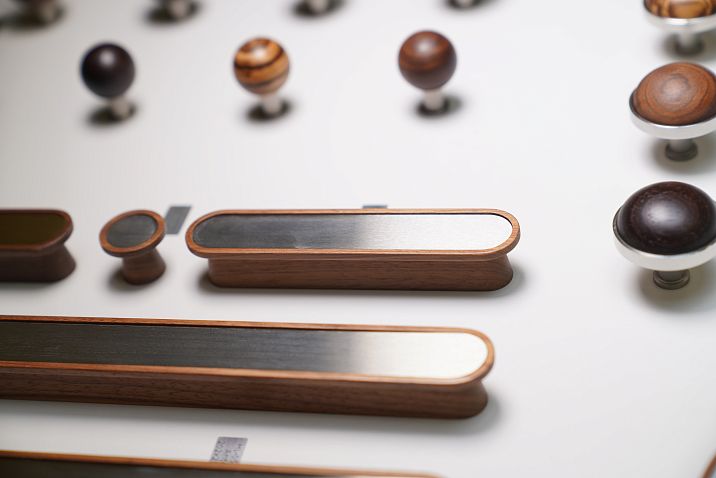
In the world of interior design, furniture holds a special place—it not only defines the functionality of a space but also sets its style, atmosphere, and even character. A furniture moodboard becomes a powerful tool for bringing your visions to life, allowing you to visualize ideas, select optimal materials, and create a unified, harmonious space. In this detailed article, we will examine what a furniture moodboard is, which key elements should be included, how to properly assemble it, and what ideas can be used to create a truly inspiring collage. We will also share practical tips, examples, and additional keywords such as furniture design, interior furniture, furniture style, furniture collage, material selection, color palette, textures, functionality, innovations, furniture design, interior decor.


1. Introduction to furniture moodboard




1.1 What is a furniture moodboard?
A furniture moodboard is a visual board that unites various elements related to furniture styling and design. It includes photographs of furniture items, texture samples, color palettes, fonts, graphics, and even inspirational quotes that reflect the style and concept of the project. Such a moodboard helps:
● Visualize the concept – see how individual elements combine into a unified image.
● Systematize ideas – gather all thoughts related to furniture design, from classic to innovative solutions.
● Ensure communication – show the client or team the overall concept and confirm key directions before starting implementation.
Our factory also produces:


1.2 Why is a furniture moodboard so important?
A well-crafted furniture moodboard can:
● Speed up the design development process. When an idea is presented as a clear visual plan, selecting furniture, finishing materials, and decorative elements becomes more targeted.
● Reduce time and budget expenses. Preliminary visual concept agreement helps avoid revisions at later project stages.
● Create a unique interior style. Thanks to the moodboard, you can experiment with innovative solutions and discover unexpected yet harmonious combinations.
Get Consultation
2. Key stages of creating a furniture moodboard
2.1 Defining the concept and goals
It is important to clearly define the main idea of the project before starting work:
● Define the furniture style:
Choose a direction, whether modern minimalism, classic, Scandinavian style, loft, or eclectic. Think about which style best matches your taste and functional requirements of the interior.
● Formulate goals:
What tasks should the furniture solve in your project? This could be creating a cozy corner for relaxation, a workspace, or a guest area.
● Write down key words:
Compile a list of words and phrases such as "innovative design", "convenience", "comfort", "ergonomics", "aesthetics", "functional furniture", "interior decor", which will guide your choice.
Tip: Keeping a creative journal or creating a short conceptual document will help you stay focused during the selection and material choice process.
2.2 Gathering sources of inspiration
2.2.1 Online resources
● Pinterest: Create thematic boards for "interior furniture", "furniture design", and "color palette". Save images that resonate with your vision.
● Instagram: Follow designer profiles, furniture brands, and interior bloggers using hashtags such as #furnituredesign, #interiorfurniture, #furnituredesign.
● Design portals (Behance, Dribbble): These platforms offer work from professionals, where you can find unique solutions and creative ideas.
2.2.2 Traditional sources
● Design magazines and catalogs: Printed publications often contain exclusive solutions, detailed descriptions, and high-quality furniture photographs.
● Museums and exhibitions: Visiting furniture exhibitions and design events can inspire you with new ideas and introduce you to the latest trends.
Tip: Don't forget to take notes and photograph interesting details, even if they seem insignificant. These observations can become a valuable source of ideas for your mood board.
3. Selection and Organization of Materials
3.1 Classification by categories
Break down the collected materials into separate groups:
● Color palette: Primary, secondary, and accent colors that will be used in the interior.
● Textures and materials: Fabric, wood, metal, glass, and other finishing material samples.
● Furniture images: Photographs of furniture items, decorative details, and design samples.
● Graphic elements: Fonts, logos, illustrations, decorative elements.
Practical tip: Use digital folders or physical containers to sort materials. This will simplify finding the needed element when creating the final composition.
3.2 Selection of key elements
Review all collected materials and select those that best reflect your concept:
● Emotional perception: Which colors and textures evoke the desired associations? Which images accurately convey the idea of comfort and functionality?
● Compatibility: Check how well the selected elements combine with each other.
● Functionality: Ensure that the materials meet the practical requirements of the project, for example, they are durable and easy to maintain.
Tip: Don't be afraid to remove unnecessary details. A concise mood board with highlighted key elements will be clearer and more inspiring for all project participants.
4. Furniture layout
4.1 Choosing the format for layout
Decide on the format you will work in:
● Digital moodboard: Tools such as Canva, Milanote, Adobe Spark, or Photoshop will allow you to quickly move elements, experiment with their placement, and share the result with your team.
● Physical moodboard: Create a collage on a large sheet of paper or in a special album. A physical board allows you to feel the tactile properties of materials and see them at actual scale.
Tip: If possible, combine both approaches — create a digital prototype, then transfer it to physical form for final review.
4.2 Composition Principles
When creating the final furniture moodboard composition, adhere to the following principles:
Balance and Harmony
● Element balance: Arrange images, samples, and textures so they complement each other without overwhelming the composition.
● White space: Leave room for 'breathing' — this allows the eye to rest and makes the overall moodboard appear more refined.
Focal points
● Main focal points: Identify central elements that should immediately capture attention. These may be vibrant furniture images or key texture samples.
● Hierarchy: Arrange elements so that viewers immediately grasp the main idea, while supporting details reinforce it.
Contrast and Unity
● Contrast: Play with combinations of bright and neutral colors, smooth and textured surfaces. Contrast helps highlight important details.
● Style unity: Despite the variety of elements, all should work within a single stylistic key, reflecting the overall furniture design concept.
Iterative approach
● Experimentation: Don't be afraid to rearrange elements. Often, the best option emerges through multiple iterations and changes.
● Save intermediate versions: If working digitally, save different moodboard variations for later comparison.
5. Practical tips and inspiration ideas
5.1 Selecting additional keywords
When creating a furniture moodboard, use additional keywords to strengthen your concept:
● Furniture design
● Interior furniture
● Fashion moodboard
● Furniture style
● Furniture collage
● Material selection
● Color palette
● Textures
● Functionality
● Innovations
● Furniture design
● Interior decor
These keywords can be used both for seeking inspiration and describing your concept in documents and presentations.
5.2 Ideas for creating a unique moodboard
● Create thematic sections: Divide the moodboard into blocks, for example, upper and lower sections, where each zone displays different aspects — from functionality to aesthetics.
● Add graphic elements: Use schemes, lines, geometric shapes that highlight the architectural features of the furniture.
● Include inspiring quotes: Add short phrases that will support emotional perception and set the tone for the entire project.
● Integrate examples of successful projects: Compare your moodboard with examples from designers' portfolios to emphasize your uniqueness and the relevance of your solutions.
5.3 Tips for improving your moodboard
● Regularly update: Design trends change, so don’t forget to periodically review your moodboard, add new ideas, and remove outdated elements.
● Get feedback: Share your moodboards with colleagues, clients, and friends. Diverse opinions will help you see the project from different angles and improve it.
● Experiment with formats: Try combining digital and physical approaches. Sometimes creating a physical moodboard helps better feel the tactile properties of materials.
6. Conclusion
A well-crafted furniture moodboard is not just a collection of beautiful images, but a carefully thought-out tool that allows you to structure your creative process, visualize ideas, and create a harmonious concept for your future interior. From clearly defining the concept to gathering, organizing, and composing materials — each stage requires attention to detail and a creative approach.
Let your moodboard become a source of inspiration, a reflection of your individuality, and a foundation for realizing the boldest ideas in the world of furniture design. Create boldly, experiment, and don’t be afraid to seek new solutions — that’s how true masterpieces are born.
If you dream of creating a unique interior design with an incomparable selection of furniture and finishing materials, trust professionals. STAVROS — your reliable partner in the world of design, helping to turn abstract ideas into real masterpieces.
STAVROS offers comprehensive solutions for interior design, branding, and implementation of projects of any complexity. Their innovative approach, deep understanding of current trends, and attention to every detail will help you create a moodboard that becomes the starting point for achieving your goals.
Let every one of your furniture moodboards reflect your creative energy, be a source of inspiration, and the first step on the path to creating the perfect interior. Create, experiment, and design a space that will delight the eye and inspire the soul!