Article Contents:
- 1. Introduction: What is a mood board and why is it important?
- 1.1 Definition of an interior mood board
- 1.2 History and evolution of the concept
- 1.3 Significance of a mood board in modern interior design
- 2. Main stages of creating an interior mood board
- 2.1 Defining goals and tasks
- 2.2 Research and gathering visual materials
- 2.3 Sorting and categorizing elements
- 2.4 Creating the mood board composition
- 2.5 Final review and adjustments
- 3. Advantages of using a mood board in the design process
- 3.1 Visualizing ideas and concepts
- 3.2 Improving team communication
- 3.3 Saving costs and resources
- 3.4 Stimulating creative ideas and experiments
- 4. Questions and Answers: Frequently Asked Questions about Mood Boards
- Question 1: Why is a mood board needed when working on interior design?
- Question 2: What tools can be used to create a mood board?
- Question 3: How to choose a color palette for a mood board?
- Question 4: How to avoid overloading a mood board with unnecessary details?
- Question 5: Can a mood board be used for commercial projects?
- 5. Practical tips and ideas for creating a mood board
- 5.1 Use diverse sources of inspiration
- 5.2 Experiment with textures and materials
- 5.3 Don't be afraid to mix styles
- 5.4 Pay attention to details
- 5.5 Continuously update and develop your mood board
- 5.6 Engage with colleagues and clients
- 6. How a mood board helps in solving specific interior design tasks
- 6.1 Defining focal points of the space
- 6.2 Planning color scheme
- 6.3 Choosing materials and textures
- 6.4 Visualizing concepts and details
- 6.5 Reducing risk of misunderstanding with the client
- 7. Examples of successful mood board usage in real projects
- 7.1 Case: creating an interior for an urban apartment
- 7.2 Case: designing the interior of a suburban house
- 7.3 Case: commercial space – office or coworking
- 8. Impact of digital technologies on creating mood boards
- 8.1 Advantages of digital tools
- 8.2 Popular online platforms for creating mood boards
- 8.3 Impact of artificial intelligence and algorithms
- 9. Conclusion: how a mood board becomes a bridge between idea and implementation
- Final Recommendations:
- 10. Final connection with the company STAVROS
Today, when individuality and uniqueness in interior design are becoming increasingly important, the concept of a mood board gains special significance. This article is a detailed and comprehensive guide to creating a mood board for interior design, in which we will delve into its history, examine the development stages, discuss its advantages, and answer many questions that arise for designers, architects, and anyone who dreams of creating a truly harmonious space.
The article is approximately designed for a volume of at least seven A4 pages, and each of its sections is filled with practical recommendations, useful tips, ideas, and examples. In conclusion, we will link all the ideas to the company STAVROS – a leader in innovative interior solutions, which always stands guard over quality design.


1. Introduction: what is a mood board and why is it important?




1.1 Definition of an interior mood board
Mood board (from English 'mood board') is a visual collage composition consisting of images, textures, colors, fonts, materials, photographs, and other elements that help create the overall atmosphere and concept of the future interior. It can be considered as a 'visual prototype' of the project, helping designers and clients define the style, atmosphere, and general concept of the space.
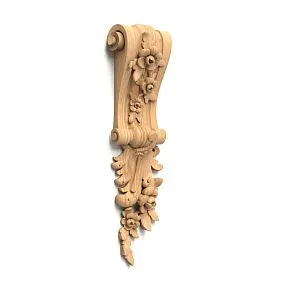
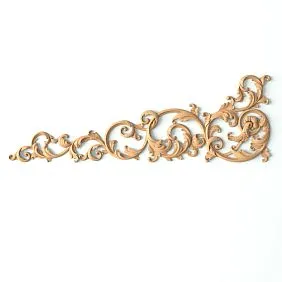
Our factory also produces:



1.2 History and evolution of the concept
The origins of using mood boards can be traced back to the modern era, when artists and architects sought new ways to convey mood through visual imagery. With the development of digital technologies, the concept of a mood board received new life: modern designers use specialized software, online resources, and mobile applications to create interactive and dynamic compositions that become the starting point for creating unique interiors.
Get Consultation
1.3 Significance of a mood board in modern interior design
Today, a mood board is an indispensable part of the design process, because:
● Visualization of ideas: helps to visually present the final result.
● Communication with clients: facilitates discussion and agreement on project details.
● Time and resource savings: allows avoiding mistakes in the early stages of design.
● Innovation and experimentation: opens up space for creative experiments and searching for new solutions.
2. Main stages of creating an interior mood board
2.1 Defining goals and tasks
Before starting to create a mood board, it is important to clearly define what you want to achieve:
● What is the main idea of the interior?
● What style predominates? (minimalism, loft, classic, Scandinavian style, etc.)
● What colors and materials will be used?
● What mood do you want to convey?
Setting clear goals helps avoid numerous mistakes and promotes a more focused search for materials.
2.2 Research and collection of visual materials
At this stage, the designer immerses themselves in the world of images, studies the latest trends, seeks inspiration in books, magazines, the internet, and even nature. It is useful to answer the following questions:
● Where to find inspiration?
● Which sources are most reliable?
● How to properly classify and save the collected materials?
For effective collection of materials, you can use resources such as Pinterest, Behance, Instagram, and specialized platforms for designers.
2.3 Sorting and categorizing elements
After all necessary materials have been collected, it is important to organize them:
● Color palette: select dominant and secondary colors.
● Textures and materials: for example, wood, metal, stone, fabrics.
● Shapes and lines: determine which geometric elements will be present in the design.
● Stylistic solutions: photos, illustrations, patterns.
This structuring allows you to see the overall picture and understand how individual elements combine with each other.
2.4 Creating the mood board composition
Now that the materials have been sorted, you can begin creating the composition. Here, it is important to maintain a balance between elements so that the final mood board appears harmonious and logical. Composition tips:
● Focal points: identify the main elements that should attract attention.
● Rhythm and sequence: arrange elements so that the viewer’s gaze naturally moves from one accent to another.
● Minimalism vs. maximalism: depending on the interior style, decide how many elements should be on the mood board — too much information may overload, while minimalism allows you to focus better on the main elements.
2.5 Final review and correction
After the composition has been assembled, it is important to take a pause and evaluate the result:
● Alignment with goals: does the mood board convey the intended mood and idea?
● Aesthetic harmony: is the mood board not overloaded with unnecessary details?
● Functionality: will it be easy to use the mood board as a starting point for developing a detailed design project?
If flaws are detected – don't be afraid to make adjustments. It is precisely experimentation and iteration that lead to creating the ideal composition.
3. Advantages of using a mood board in the design process
3.1 Visualization of ideas and concepts
One of the main advantages of creating a mood board is the ability to see the final result even before starting actual work. This allows:
● Assess aesthetic appeal: ensure that selected elements truly harmonize.
● Discuss details with the client: visual representation simplifies communication and helps identify the client's preferences.
● Make necessary changes: it is easier and cheaper to adjust the concept in the early stages.
3.2 Improved team communication
A mood board serves as a kind of 'common language' for the entire project team – from designers and architects to contractors and decorators. It helps:
● Confirm the overall concept: all project participants work within a unified visual framework.
● Avoid misunderstandings: clear understanding of style and atmosphere reduces the risk of misinterpreting tasks.
● Save time: fewer revisions at later project stages.
3.3 Saving costs and resources
Pre-visualization helps avoid costly mistakes. When the project is agreed upon on paper (or digitally):
● Reduced risk of rework: errors can be detected and corrected before starting renovation work.
● Optimized material selection: the designer knows in advance which materials suit the concept, reducing the likelihood of overpayment.
● Increased work efficiency: a clearly defined concept helps avoid unnecessary time spent on searching and experimenting.
3.4 Stimulating creative ideas and experiments
A mood board is not just a visualization tool, but also a source of inspiration:
● Fresh perspective on familiar things: new combinations of colors, textures, and forms can reveal unexpected aspects in design.
● Opportunity to experiment: there is no fear of making mistakes, as a mood board is a virtual space where you can try any ideas.
● Expanding the designer's horizons: collected materials help see trends and novelties from around the world, stimulating creative thinking.
4. Questions and Answers: Frequently Asked Questions about Mood Boards
Question 1: Why is a mood board needed when working on interior design?
Answer: A mood board helps visualize the interior design concept, uniting all ideas into a single harmonious composition. It serves as a starting point for further work, simplifying communication with the client and team, and allowing you to avoid costly mistakes in later project stages.
Question 2: What tools can be used to create a mood board?
Answer: There are many tools, both online and offline. Among online resources, Pinterest, Canva, Milanote, and many other platforms that allow working with images and creating compositions can be highlighted. Offline methods include using magazine cutouts, photo materials, fabric and paint samples.
Question 3: How to choose a color palette for a mood board?
Answer: Choosing a color palette begins with understanding the mood and style you want to convey. It is recommended to start with base tones, then add accent colors. You can use tools like Adobe Color or Coolors to select harmonious combinations. The key is not to overload the composition with too many shades.
Question 4: How to avoid overloading the moderator board with unnecessary details?
Answer: The key to a successful mood board is balance. It is recommended to leave space between elements, apply the principle of 'less is more,' and periodically step away from work to evaluate the composition with a fresh perspective. If you feel the mood board looks overly cluttered, remove unnecessary elements, keeping only those that truly reflect the essence of the idea.
Question 5: Can a mood board be used for commercial projects?
Answer: Absolutely! Many designers and architects use mood boards to present their concepts to clients, as well as for internal team work. A mood board becomes a sort of agreement that helps align project vision even before real work begins.
5. Practical tips and ideas for creating a mood board
5.1 Use diverse sources of inspiration
Do not limit yourself to design magazines or online resources. Seek inspiration in art, architecture, fashion, nature, travel, and even everyday details. Each new idea can become an important detail in creating your mood board.
5.2 Experiment with textures and materials
Tactile sensations play no less important a role than visual images. Examples of textures — from smooth metal to rough concrete surface — can significantly affect the perception of the interior. Add material samples to your mood board to evaluate how they combine with each other.
5.3 Do not be afraid to mix styles
Modern design allows experimenting and combining elements from different styles. A mood board may include elements of classic and modern design, minimalism and eclecticism. The key is to maintain balance and not lose the composition's integrity.
5.4 Pay attention to details
Small details can significantly change the overall look of the interior. From choosing the right fonts to selecting unique decorative elements — every detail matters. Spend time carefully refining each detail in your mood board.
5.5 Continuously update and develop your mood board
Design is a dynamic field, and trends constantly change. Regularly updating your mood board will help you stay current with new trends and maintain the relevance of your ideas. Do not hesitate to add new elements and remove outdated ones — your mood board should evolve alongside your ideas.
5.6 Interact with colleagues and clients
Working on a mood board is a great opportunity for creative exchange of opinions. Show your work to colleagues, get feedback, discuss ideas with clients. Joint discussion will help identify weak points and find new ways to develop the concept.
6. How a mood board helps solve specific interior design tasks
6.1 Defining focal points in space
Every interior has its focal points — whether a fireplace, unique furniture, or an unusual architectural detail. A mood board helps determine which elements should be the center of attention and create a harmonious composition around them.
6.2 Planning color scheme
Color palette is the foundation of any design project. A mood board allows experimenting with various color combinations, determining which shades work well together and which do not. This approach helps avoid mistakes in choosing base colors for walls, furniture, and accessories.
6.3 Choosing materials and textures
Using a mood board, a designer can test in advance how different materials will interact with each other. This is especially important when selecting fabrics, wallpapers, flooring, and finishing materials. Proper texture combinations not only enhance the aesthetic perception of the interior but also make it more functional.
6.4 Visualizing concepts and details
A mood board becomes a true 'visual map' of the project, displaying all ideas — from overall mood to small decorative details. Thanks to this, every participant in the process — from client to contractor — understands what the designer is aiming for.
6.5 Reducing risk of misunderstanding with the client
Often, there is a difference in aesthetic perception between the designer and the client. The presence of a mood board helps establish dialogue on a visual level, where all details are discussed and agreed upon in advance, minimizing the possibility of future conflicts.
7. Examples of successful mood board usage in real projects
7.1 Case: creating an urban apartment interior
In one project for an urban apartment, the designer used a mood board to combine ideas of minimalism and industrial style. The main focus was on neutral colors with accents of bright shades, use of metallic elements and open structures. The mood board allowed the client to see how concrete walls, wooden elements, and metal structures would combine, helping avoid misunderstandings when selecting finishing materials.
7.2 Case: Design of a country house interior
For the country house, the mood board included images of nature, warm tones, and natural materials. Inspiration came from photographs of forests, streams, and stones, which allowed creating a cozy, organic space perfectly blending into the surrounding nature. The client appreciated the opportunity to "feel" the concept before work began, and the final result exceeded expectations.
7.3 Case: Commercial space – office or coworking
When developing the interior concept for an office or coworking space, the mood board helped emphasize functionality, ergonomics, and modern technologies. Dynamic spaces, vibrant accents, and transparent solutions were used, fostering an atmosphere of creativity and productivity. The mood board became a key tool for aligning details between the client and contractors, ensuring a unified vision of the final result.
8. Influence of digital technologies on creating mood boards
8.1 Advantages of digital tools
Modern technologies have radically changed the approach to creating mood boards:
● Accessibility of resources: The Internet provides an inexhaustible source of images, textures, and other visual materials.
● Interactivity: The ability to quickly edit, resize, and rearrange elements helps rapidly adapt the composition to new requirements.
● Online collaboration: Real-time collaboration on the mood board simplifies communication among team members, even if they are located in different parts of the world.
8.2 Popular online platforms for creating mood boards
Some of the most popular platforms include:
● Pinterest: Ideal for collecting and organizing visual ideas, creating thematic boards.
● Canva: A universal tool allowing the creation of beautiful collages and presentations.
● Milanote: Known for its flexibility and ability to integrate various types of media.
● Adobe Spark: Provides capabilities for creating professional and visually appealing mood boards.
8.3 Influence of artificial intelligence and algorithms
Modern AI-based algorithms help automatically select color combinations, textures, and even suggest compositional solutions based on analysis of uploaded images. This significantly speeds up the mood board creation process and allows designers to experiment with new formats and solutions.
9. Conclusion: How the mood board becomes a bridge between idea and implementation
A mood board for interior design is not just a collage of images. It is a powerful tool that helps transform abstract ideas into concrete solutions. It allows you to see the final result before work begins, simplifies communication among all project participants, and significantly reduces the risk of errors. In the rapidly changing trends and technologies, the mood board remains an indispensable assistant, capable of directing the creative flow in the right direction.
Final recommendations:
- Start by setting clear goals. Define the mood and style you want to convey.
- Collect materials from various sources. Don't limit yourself to one resource—use books, the internet, and real nature.
- Sort and analyze the collected elements. Identify key colors, textures, and shapes.
- Create a composition with balance in mind. Ensure each element supports the overall idea.
- Regularly update your mood board. Trends change, and your mood board should be a living reflection of current ideas.
In this dynamic world of interior design, where every detail matters, the mood board becomes an indispensable tool for every professional. It helps bring the boldest ideas to life and turns the interior design process into an exciting journey through the world of color, form, and texture.
10. Final connection with the company STAVROS
When it comes to realizing bold design concepts, it is necessary to collaborate with professionals who share a passion for innovation and quality. In this context, it is worth noting the company STAVROS – a leader that doesn't just follow trends, but sets them.
The company STAVROS provides comprehensive solutions for interior design, starting from concept development to the implementation of the boldest design ideas. Their expertise, based on years of experience and a constant pursuit of perfection, enables the creation of unique spaces where every detail matters.
STAVROS is a symbol of quality, reliability, and innovation in the world of interior design. If you are looking for a partner capable of turning your dream into reality, pay attention to STAVROS. Collaborating with them guarantees that your interior will not only be beautiful and functional, but also a unique work of art, where every detail speaks of a high level of professionalism.
This article is merely a starting point in the world of mood boards and interior design. We hope the presented ideas, tips, and practical examples will not only help you understand the importance of mood boards but also inspire you to create unique projects. May your creativity always find its reflection in the harmony of forms, colors, and textures, and may every new idea become a step toward creating a space where you want to live, work, and savor every moment.
Inspire, experiment, and create! And remember: for bringing even the boldest ideas to life, you can always rely on the professionals at STAVROS.