Article Contents:
- What is Polyurethane Moldings and Why Choose Them?
- Advantages of polyurethane molding
- Preparing for Installing Polyurethane Moldings
- Choosing Polyurethane Moldings
- Required tools
- Surface Preparation
- Step-by-Step Guide to Installing Polyurethane Moldings
- Step 1. Marking
- Step 2. Fitting the Elements
- Step 3. Applying Adhesive
- Step 4. Installing Moldings
- Step 5. Joint Treatment
- Step 6. Painting
- Recommendations for Beginners and Professionals
- Where to Buy Quality Polyurethane Moldings?
- Conclusion
Polyurethane moldings have become a revolutionary solution in interior and exterior design. This material combines aesthetic appeal, ease of installation, and durability. However, to install moldings, ceiling rose, beams, and other elements properly and quickly, it is essential to understand the entire installation process.
In this article, we will thoroughly examine how to properly install polyurethane moldings so that they not only become a decoration of your home but also last for many years. We will tell you what tools and materials you will need, as well as share tips for both professionals and beginners.




What is Polyurethane Moldings and Why Choose Them?
Polyurethane moldings are decorative elements made from synthetic material with unique properties. Thanks to modern manufacturing technologies, polyurethane products look like gypsum analogs but are significantly lighter, stronger, and more resistant to external influences.
Advantages of Polyurethane Moldings
- Strength and durability
Polyurethane moldings do not crack, crumble, or deform. They retain their appearance for decades, even under conditions of high humidity or temperature fluctuations. - Ease of installation
Due to their low weight, polyurethane elements are easily mounted on any surface. For example,polyurethane ceiling roses for chandeliers can be installed independently without involving specialists. - Moisture Resistance
The material is resistant to water, so it is often used in bathrooms, kitchens, and even for facade decoration. For example,Facade decoration made of polyurethane retains its appearance even after long-term outdoor use. - Wide Range
The product catalog includes polyurethane wall moldings, decorative beams, ceiling roses, and much more. Everyone will find a solution for their interior. - Affordable price
You can buy polyurethane moldings at a price significantly lower than that of gypsum analogs.




Preparing for Installing Polyurethane Moldings
Before installing moldings, it is important to carry out preparatory work to avoid mistakes and ensure an ideal result.
Selecting polyurethane molding
To ensure successful installation, decorative elements must be properly selected. Usage options:
- For ceilings
● Polyurethane ceiling molding is used to decorate junctions between walls and ceilings.
● Polyurethane ceiling rosettes serve as accent elements around chandeliers.
- For walls
● Polyurethane wall moldings help zone space and create decorative panels.
● Polyurethane interior decor for walls adds style and elegance.
- For facades
● Polyurethane facade molding is used for exterior house finishing to highlight architectural features.
Required tools
For installation, you will need:
● Tape measure, level, and pencil for marking.
● Saw with fine teeth or jigsaw for trimming elements.
● Combination square for precise angled cuts.
● Polyurethane molding adhesive.
● Spackle and sandpaper for filling joints.
● Brushes and paint for final finishing.
Surface preparation
- Clean the surface of dust, dirt, and remnants of old coatings.
- Level walls or ceilings with spackle if they have unevenness.
- Prime the surface to improve adhesive bond.
Our factory also produces:


Step-by-step installation guide for polyurethane molding
Now that everything is ready, you can proceed with installation.
Step 1. Marking
● Mark the surface. For example, for polyurethane moldings, it is important to precisely determine their placement to avoid misalignment.
● Use a level for straight lines, especially on ceilings.
Step 2. Fitting elements
● Cut items to the required length. For example, polyurethane cornices must be precisely fitted for perfect alignment at corners.
● Conduct a dry fit to ensure elements match the size.
Step 3. Applying adhesive
● Apply adhesive evenly to the back of the element. For large details, such as polyurethane decorative beams, additionally apply adhesive to the wall or ceiling surface.
Step 4. Installing Moldings
● Gently press the element against the surface and hold it for several seconds to secure it.
● If these are ceiling rose fixtures for a chandelier, ensure they are precisely centered on the ceiling.
Step 5. Joint Treatment
● Use spackling compound to fill gaps between elements. This will give the structure a seamless appearance.
● After the spackling compound dries, sand the joints with sandpaper to create a perfectly smooth surface.
Step 6. Painting
● Paint the elements with acrylic or latex paint. For example, polyurethane ceiling roses can be painted to match the ceiling color or used as an accent.
Get Consultation
Recommendations for Beginners and Professionals
- For Beginners
● Start with small elements, such as polyurethane ceiling roses, to get familiar with the process.
● Use video tutorials and instructions for hands-on experience.
- For Professionals
● Work with high-quality materials, such as European Polyurethane Moldings from Evroplast.
● Apply advanced techniques, such as combining moldings with lighting, to add exclusivity to the interior.
Where to Buy Quality Polyurethane Moldings?
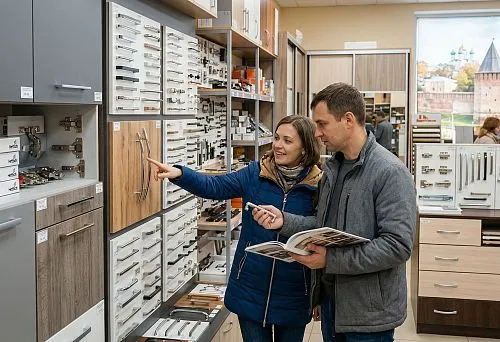
We recommend visiting Stavros, which offers a wide selection:
● Moldings and cornices.
● Ceiling roses.
● Exterior facade decor.
The store provides nationwide delivery, favorable terms for wholesale and retail customers, as well as professional consultation.
Conclusion
Installing polyurethane moldings is an accessible way to transform your interior and add stylish accents. This material is easy to install, durable, and versatile.
If you wish to purchase quality items and realize your design ideas, contact Stavros — a reliable supplier of ornamental decor.