Article Contents:
- What are moldings and trim, and why are they needed?
- Types of moldings and trim: how to choose the perfect decor for your interior?
- Characteristics of classical moldings:
- Where to use classical moldings and trim?
- Features of modern moldings:
- How can modern moldings be used?
- Which moldings are suitable for minimalism?
- Where to apply minimalist moldings?
- How to use moldings and trim in interior design?
- Which furniture items can be decorated with moldings?
- What effects do moldings on furniture create?
- How to use moldings on walls?
- What effects do moldings on walls create?
- How can moldings be used on doors?
- What effects do moldings on doors create?
- How can trim be used on ceilings?
- What effects do trim create on ceilings?
- How to use moldings and trim in interior design?
- What materials are used for moldings?
- Tips for installing moldings and trim
- 1. Moldings and trim
- 2. Carved appliqués
- 3. Furniture hardware for decoration
- 1. High-Quality Materials
- 2. Wide assortment
- 3. Durability and reliability
- 4. Delivery across Russia
- 5. Ease of installation
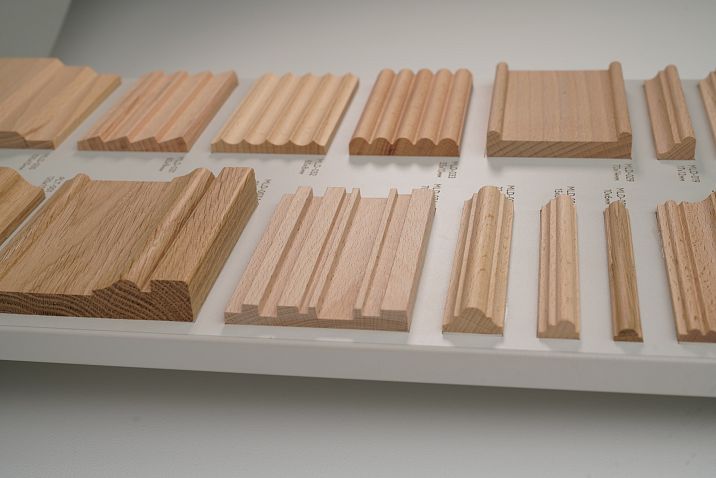


What are moldings and trim, and why are they needed?
Moldings and trim are decorative elements used to decorate furniture, walls, doorways, and ceilings. They serve both aesthetic and functional purposes, helping to create a harmonious design and highlight the interior style.
Main functions of moldings and trim:
● Create a three-dimensional effect – allows furniture to appear more expressive and refined.
● Protect furniture from damage – prevents mechanical defects and masks possible unevenness.
● Space division – helps zone the interior, highlighting specific elements.
● Decorative finishing – gives furniture completeness, emphasizing style and design.
Using moldings and cornices is especially popular in classical interiors, but they can also be adapted to modern and minimalist styles. Depending on shape, size, and material, they can serve as a primary decorative element or complement other furniture elements.




Types of moldings and cornices: how to choose the ideal decor for the interior?
Moldings and cornices are not just decorative elements, but important architectural details that give furniture and space volume, structure, and completeness. Depending on the interior style, they can be luxurious and refined, strict and minimalist, or barely noticeable yet creating an effect of purity and elegance.
When choosing moldings and cornices, it is important to consider the style of the room, materials, texture, and dimensions of the elements. Let's examine the main types of decorative moldings and cornices, their features, applications, and role in the interior.
1. Classical moldings and cornices
Classical moldings and cornices distinguish themselves by refined forms, complex ornaments, and rich decoration. They are ideally suited for interiors in the Baroque, Empire, Classicism, Provence, and Renaissance styles, where refinement, elegance, and aristocracy are important.
Our factory also produces:


Key features of classical moldings:
✔ Floral patterns and scrolls. Decorative elements with floral motifs, scrolls, garlands, and rosettes give furniture a noble appearance.
✔ Three-dimensional forms. Wide, substantial moldings and cornices create a sense of depth, visually enlarging furniture and space.
✔ Curved and smooth lines. Such moldings do not have sharp angles, and their shape resembles vintage European interiors.
Get Consultation
Where to use classical moldings and cornices?
● Decorating cabinet, chest, and display shelf facades. Decorative moldings give furniture solidity and status.
● Decorating doorways and fireplaces. A classical interior cannot be imagined without carved moldings decorating doors, arches, and fireplaces.
● Wall decoration. In classical interiors, moldings are used to create wall panels, frames, and relief compositions.
Classical moldings and cornices highlight the luxury and elegance of the interior, making furniture more expressive and refined.
2. Modern moldings and cornices
Modern moldings and cornices distinguish themselves by geometric shapes, minimalism, and strict lines. They are ideally suited for modern, Scandinavian, and minimalist interiors, as well as for high-tech, modern, and art deco styles.
Distinctive features of modern moldings:
✔ Straight lines and geometric shapes. Minimal decorative elements emphasize the strict aesthetics of modern design.
✔ Uniform color and texture. Such moldings are usually painted white, gray, black, or natural wood tones.
✔ Compatibility with modern materials. Wooden moldings look naturally combined with concrete, metal, glass, and ceramic.
How can modern moldings be used?
● To create clear lines on furniture facades. Modern moldings give cabinets, tables, and chests structure.
● In combination with natural materials. Decorating with wooden moldings combined with metallic elements gives the interior a stylish and harmonious look.
● For ceiling and wall trim. Modern moldings can be used to create unusual accent zones, decorate niches and partitions.
Modern moldings are suitable for both spacious and small rooms, allowing you to create a light, airy, and stylish interior without excessive decoration.
3. Minimalist moldings and cornices
Minimalist moldings and cornices Distinguished by simplicity, elegance, and functionality. They are intended for those who wish to create a clean and concise interior, where decorative elements do not distract but rather complement the overall composition.
Which moldings are suitable for minimalism?
✔ Narrow, thin moldings with simple lines. They do not overload the space but add neatness and structure.
✔ Monochromatic cornices without complex decoration. In minimalist interiors, moldings are often painted white, light gray, or wood tones.
✔ Functional elements that zone the space. Minimalist moldings are used not only as decoration but also as tools for structuring rooms.
Where to apply minimalist moldings?
● In Scandinavian style. Simple wooden moldings look great on furniture made of natural materials.
● In loft style. Minimalist moldings can be used to decorate walls, creating an effect of light zoning.
● In modern modern style. Clear shapes and monochromatic moldings help create a structured interior.
Minimalist moldings and cornices emphasize the simplicity, functionality, and lightness of the interior, creating a neat and thoughtfully designed look.
Moldings and cornices are universal elements that can be used in both classic and modern interiors. They allow furniture to gain expressiveness, create harmonious space zoning, and highlight the overall style of the room.
When choosing moldings, it is important to consider:
✔ Interior style – classic requires complex patterns, while minimalism demands simplicity.
✔ Texture and color – wooden moldings can be painted in desired shades, coordinating with furniture.
✔ Size and shape – wide moldings suit large rooms, narrow ones – small spaces.
If you want to purchase high-quality, stylish, and durable moldings and cornices, pay attention to STAVROS products. The catalog features:
Choose ideal decorative elements to create a harmonious and stylish interior that highlights your taste and makes the space cozy and elegant.
How to use moldings and cornices in interior design?
Moldings and cornices are universal decorative elements used not only for furniture decoration but also for creating a cohesive interior solution. They allow you to emphasize architectural features of the room, structure the space, conceal wall and ceiling flaws, and add expressiveness to any interior. Let’s consider the main ways to apply moldings and cornices in interior design.
1. Furniture facade decoration
Using moldings and cornices on furniture facades allows you to create an expressive and stylish design, giving items a finished and elegant look.
Which furniture items can be decorated with moldings?
● Cabinets and chests of drawers. Moldings help make their facades voluminous and visually luxurious.
● Kitchen cabinets. Adding crown moldings to cabinet doors adds aesthetics and individuality to the kitchen.
● Cabinets and bedside tables. Decorative elements give furniture a harmonious look, especially in classical interiors.
● Buffets and display cases. Using moldings creates a handcrafted effect and adds status to the furniture.
What effects do moldings create on furniture?
✔ Emphasize interior style, adding expressiveness.
✔ Create a sense of depth and dimensionality of facades.
✔ Allow furniture restoration, giving it a new look.
✔ Unify furniture into a cohesive ensemble if multiple items in the room share identical decorative elements.
2. Wall Decoration
Moldings can be used not only on furniture but also in wall decoration. This helps create clear visual zones, make walls more dimensional, structure space, and conceal possible surface irregularities.
How to use moldings on walls?
● Creating wall panels. Moldings form rectangular or square panels that can be painted to match wall color or contrast with it.
● Space division. Crown moldings and moldings help create zoning within a room, for example, separating a relaxation area from a work area.
● Decorating niches and built-in shelves. They help emphasize architectural elements, making them more noticeable.
● Wall decoration in classical style. In baroque, empire, or classical interiors, moldings are used to create complex ornaments and patterns.
What effects do moldings create on walls?
✔ Add depth and dimension to the interior.
✔ Create visual boundaries between different zones of the room.
✔ Conceal wall imperfections, such as unevenness or cracks.
✔ Help create a "luxury" look without significant expense.
3. Doorway Decoration
Doorways often look too simple and monotonous. Moldings and crown moldings help make them more elegant and expressive, creating a sense of spatial unity.
How can moldings be used on doors?
● Decorating the door frame. Crown moldings and moldings allow creating a decorative frame around the doorway, making it a focal point in the interior.
● Adding decorative panels to the door. This helps transform an ordinary door into a design element.
● Decorating arches and wide openings. In homes with high ceilings, moldings help emphasize spatial boundaries and make the space more refined.
● Concealing doorway imperfections. Decorative elements help mask defects, unevenness, and gaps between the door and wall.
What effects do moldings create on doors?
✔ Highlight architectural features of the interior.
✔ Create a sense of a cohesive and thoughtfully designed space.
✔ Allow transforming an ordinary door into an elegant interior element.
✔ Visually increase the height of the door opening.
4. Creating ceiling cornices
Cornices are one of the most popular ways to decorate the transition between the wall and the ceiling. They help visually expand the space, make the ceiling appear higher, and conceal seams between different finishes.
How can cornices be used on the ceiling?
● Decorating junctions between the wall and the ceiling. Allows creating a smooth transition and hiding surface irregularities.
● Creating multi-level ceiling structures. In gypsum board ceilings, cornices help add depth and dimension.
● Dividing space in large rooms. Ceiling moldings can be used for room zoning.
● Creating decorative compositions. In classical interiors, cornices combine with stucco, rosettes, and other elements.
What effects do ceiling cornices create?
✔ Visually increase the height of the room.
✔ Give the interior elegance and completeness.
✔ Hide imperfections of the ceiling and walls.
✔ Create harmonious space zoning.
Moldings and cornices are not just decorative elements, but important tools that allow highlighting the interior style, structuring space, and adding expressiveness to furniture and architectural details.
How to use moldings and cornices in interior design?
- Decorate furniture facades, making them more expressive and stylistically complete.
- Use on walls for zoning and creating striking decorative panels.
- Decorate doorways, emphasizing architectural features of the room.
- Create ceiling cornices that help conceal irregularities and make the interior more harmonious.
Using moldings and cornices is one of the simplest and most accessible ways to refresh the interior without major renovation, giving it a stylish and refined look.
Installation tips and material selection
Material selection and proper installation play an important role in the longevity and aesthetics of moldings and cornices.
What materials are used for moldings?
- Wood – a classic option, distinguished by high strength, eco-friendliness, and natural texture. Wooden moldings can be finished with varnish, stain, or paint.
- Polyurethane – a lightweight material that is easier to install but less durable than wood.
- MDF and plastic – used in budget solutions, but may lose shape and color over time.
Installation tips for moldings and cornices
✔ Before installing moldings, it is important to properly mark the surface to avoid unevenness.
✔ For securing wooden moldings, it is better to use carpenter's glue or self-tapping screws.
✔ When installing cornices on walls, it is important to consider the overall interior style to ensure the elements match the furniture.
✔ After installing moldings, you can additionally treat them with varnish or paint to extend their service life.
Where to buy moldings and cornices for furniture?
Choosing quality moldings and cornices is an important stage in furnishing furniture and interiors. Decorative elements must not only be aesthetically pleasing but also durable, easy to install, and harmoniously match the other interior details. If you are looking for reliable, stylish, and sturdy moldings and cornices, pay attention to STAVROS products.
STAVROS is a leading manufacturer of wooden decorative elements, specializing in producing moldings, cornices, carved appliqués, and furniture hardware. The brand's products are known for high quality, wide assortment, and stylish design suitable for various interior solutions—from classic to modern minimalism.
What moldings and cornices can be purchased at STAVROS?
The STAVROS catalog features a diverse range of products for furnishing furniture, doors, walls, and ceilings. All items are made from natural wood species—oak, beech, ash—which guarantees their strength, durability, and aesthetic appeal.
1. Molding and Cornices
Moldings and cornices — these are universal decorative elements that can be used for:
● Decorating furniture facades—cabinets, chests, kitchen sets.
● Decorating walls—creating stylish panels and zoning space.
● Decorating door openings—cornices give doors an elegant and finished look.
● Creating ceiling structures—moldings and cornices help define the boundaries between ceiling and walls.
The catalog features both classic and modern moldings, allowing you to select the perfect solution for any interior.
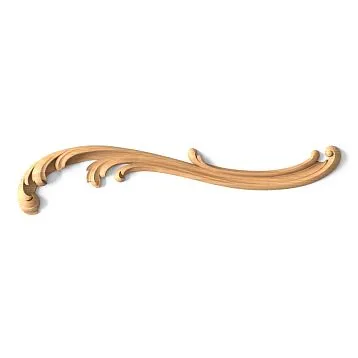
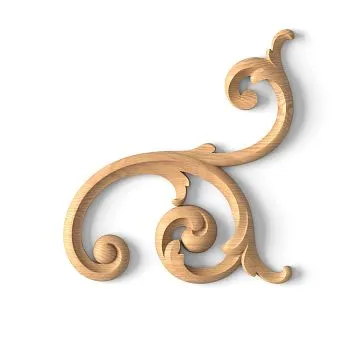
2. Carved appliqués
carved appliqués — these are decorative elements that complement moldings and create a unified, harmonious style for furniture and interiors.
Where can carved appliqués be used?
✔ On furniture facades—cabinets, chests, display cases.
✔ For decorating door panels and openings.
✔ In combination with moldings and cornices to give furniture a finished look.
Carved appliqués emphasize the rich style of classic interiors and add elegance to furniture.
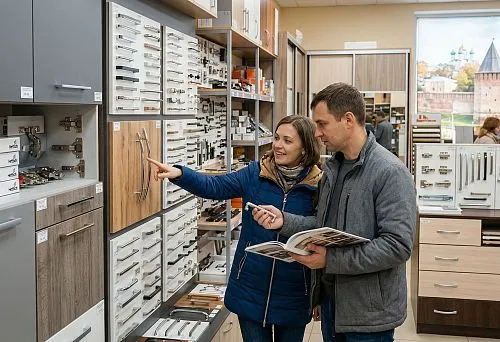
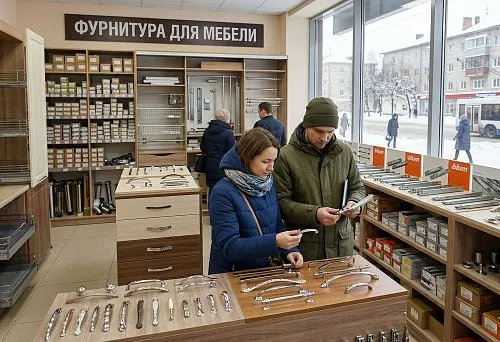
3. Furniture decoration hardware
Furniture decoration hardware — these are important details that complete the look of furniture and give it aesthetic finish.
The catalog features:
✔ Decorative wooden furniture handles.
✔ Elements for decorating moldings.
✔ Connecting and fastening elements.
Hardware allows furniture to have an elegant appearance and makes it more convenient to use.
Why choose STAVROS moldings and cornices?
When purchasing moldings and cornices, it is important to consider the quality of materials, strength, and durability of the products. STAVROS offers products that meet high quality standards and have several advantages.
1. High-quality materials
All moldings and cornices are made from solid natural wood—oak, beech, ash—which guarantees:
● Durability and resistance to damage.
● Eco-friendliness and safety.
● Aesthetically pleasing texture and natural tones.
Unlike plastic or MDF alternatives, wooden moldings retain their shape and appearance for decades.
2. Wide range
In the STAVROS catalog, you can find moldings for any interior style:
● Classic models with patterns, scrolls, and three-dimensional details.
● Modern moldings with clean lines and geometric shapes.
● Minimalist options for decorating furniture facades and walls.
A wide selection of designs allows you to choose the perfect solution for your home.
3. Durability and reliability
STAVROS wooden moldings and cornices have high wear resistance and retain their original appearance even with prolonged use. Due to their resistance to moisture and temperature fluctuations, they are suitable for both residential and public interiors.
4. Delivery across Russia
STAVROS company delivers to any region of Russia, including major cities and remote areas.
Available in:
● Major cities: Moscow, Saint Petersburg, Kazan, Yekaterinburg, Chelyabinsk, Ufa, Samara, Rostov-on-Don, Novosibirsk, and others.
● Remote regions: Kamchatka Krai, Chukotka, Sakhalin, Yakutia, Magadan Oblast, Republic of Komi, and others.
No matter where you are, STAVROS moldings and cornices can be ordered with convenient delivery directly to your city.
5. Easy installation
STAVROS moldings and cornices are designed to be easily installed without professional skills. Wooden items can be glued, screwed with self-tapping screws, or secured using special mounting brackets.
How to place an order?
To purchase high-quality moldings and cornices for furniture, follow these simple steps:
- Go to the STAVROS catalog via the link:
○ Furniture decoration hardware
- Select the required decorative elements.
- Place your order, specifying the delivery address.
- Receive your product in the shortest time and transform your interior.
If needed, STAVROS company managers will help you select suitable items that will perfectly match your interior.
Conclusion
If you want to purchase high-quality, stylish, and durable moldings and cornices, STAVROS products will be an excellent choice.
✔ Wide selection of moldings, cornices, overlays, and hardware.
✔ High-quality materials – only natural wood.
✔ Delivery throughout Russia, including remote regions.
✔ Easy installation and long-lasting products.
Browse the STAVROS moldings and cornices catalog and create a unique interior that will delight you for many years!