Article Contents:
- Philosophy of Wooden Moldings in Modern Interior Design
- Aesthetic Value of Natural Wood
- Technical Specifications and Varieties of Profiles
- Geometric Features of Profiles
- Size Range and Its Impact on Perception
- Material Science: Choosing Wood Species
- Oak: the standard of strength and nobility
- Beech: Stability and Versatility
- Ash: modern classic
- Design solutions and stylistic directions
- Classic style: grandeur and solemnity
- Neoclassic: Reserved Elegance
- Modern Minimalism: Geometric Clarity
- Installation Technology: From Design to Final Finishing
- Preparation Stage: Measurements and Calculations
- Fastening Systems and Their Features
- Final Finishing: Protection and Decoration
- Integrated Solutions: Moldings in Interior Decoration Systems
- Integration with Baseboards and Crown Molding
- Combination with Furniture Elements
- Restoration and Reconstruction of Historical Interiors
- Replication of Historical Profiles
- Modern Materials in Historical Interiors
- Innovative Technologies in Molding Production
- Digital Design Technologies
- Automated Production
- Ecological aspects and sustainable development
- Certified wood
- Health safety
- Economic Aspects: Investment in Long-Term Quality
- Added Value of Real Estate
- Repairability and durability
- Custom Solutions: From Sketch to Realization
- Design Tailored to a Specific Interior
- Author Design as a Competitive Advantage
- Regional Characteristics and Local Traditions
- Russian Traditions of Wood Carving
- European Schools of Craftsmanship
- About the Company STAVROS
- Frequently Asked Questions

When it comes to creating a truly luxurious and refined interior,wooden wall moldingsthey become an indispensable tool for designers. These elegant decorative elements can dramatically transform any room, giving it the character of aristocratic refinement and the nobility of natural material.


Philosophy of Wooden Moldings in Modern Interior Design
What makes wooden moldings so attractive to discerning homeowners? The secret lies in the unique ability of thesewooden decorative moldingsto create visual depth and architectural expressiveness where previously there were only flat wall surfaces.
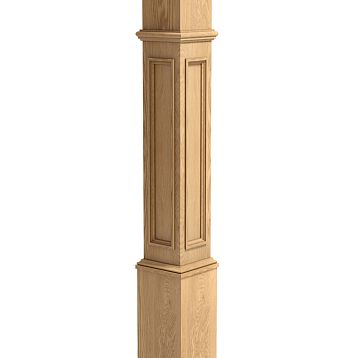
Wooden moldings are profiled strips of various cross-sections, made from solid noble wood species. Their use in interior design dates back centuries, but modern manufacturing technologies allow the creation of items of unprecedented precision and beauty.




The aesthetic value of natural wood
The living texture of wood, its unique grain pattern and natural warmth create a special atmosphere of coziness and harmony in the room.Wooden moldingsThey have the ability to 'breathe' together with the interior, changing their tone depending on the lighting and time of day.
Each wood species brings its own unique energy into the interior. Oak radiates strength and reliability, beech offers a sense of stability and comfort, while ash adds notes of modern elegance. This natural individuality makes every project unique.
Our factory also produces:


Technical characteristics and varieties of profiles
The classification includes dozens of different shapes and sizes, each designed to solve specific design tasks.molding productsModern protective compositions allow significantly extending the service life of restored elements without compromising their historical authenticity. New wood treatment technologies make it possible to create coatings that are visually indistinguishable from historical ones but surpass them in performance characteristics.
Get Consultation
Geometric features of profiles
Simple rectangular profiles are ideal for creating minimalist, modern interiors. Their clean lines and strict geometry emphasize the architectural logic of the space without overloading it with decorative elements.
Profiles with complex cross-sectional configurations can transform an ordinary wall into a work of art. The play of light and shadow on the relief surface creates a dynamic image that changes throughout the day as lighting conditions change.
Size range and its impact on perception
The width of the molding plays a key role in forming the overall impression of the interior. Narrow strips, 20-40 mm wide, create a delicate accent without drawing excessive attention. They are ideal for small rooms where every square centimeter of space counts.
Wide moldings of 80 mm and more become a dominant decorative element, capable of radically changing the proportions of the room. They are suitable for spacious rooms with high ceilings, where they can fully realize their decorative potential.
Wood Science: Choosing Wood Species
The choice of wood species for manufacturing moldings is determined not only by aesthetic preferences but also by technical requirements for the finished product. Each species has a unique set of physical and mechanical properties that affect durability and performance characteristics.
Oak: The Standard of Strength and Elegance
Oak moldings are rightfully considered the standard of quality in the world of wooden decor. The dense wood structure ensures exceptional strength and longevity of the products, while the expressive texture with characteristic growth rings creates a unique visual effect.
The color palette of oak ranges from light golden tones of young wood to rich brown shades of mature wood. This natural variability allows selecting the optimal solution for any interior design style.
Beech: stability and versatility
Beech wood has a uniform structure and a fine, barely noticeable grain pattern. These qualities make beech an ideal material for creating moldings with complex geometry, where precision in detailing is crucial.
The natural color of beech ranges from delicate pink to rich reddish tones, offering wide possibilities for color solutions in interior design.Profile made of woodBeech wood is easily stained and painted, allowing it to be adapted to any design concept.
Ash: modern classic
Ash moldings embody a harmonious blend of classical traditions and modern trends. The expressive contrasting texture with clearly defined growth rings creates an eye-catching play of light and dark stripes.
The high strength and elasticity of ash wood allow creating moldings with complex configurations without the risk of cracking or deformation. This is especially important when manufacturing long or non-standard shaped items.
Design Solutions and Stylistic Directions
The use of wooden moldings in interior design opens up boundless opportunities for creative self-expression. Each design style dictates its own rules for using decorative elements, but the designer's skill lies in the ability to adapt these rules to the individual characteristics of a specific space.
Classic style: grandeur and solemnity
In classic interiorwooden wall moldingsThey become the basis of architectural composition. Complex multi-profile constructions with cornices, pilasters, and rosettes create an impression of palace luxury.
The traditional layout scheme involves dividing the wall into several levels using horizontal bands. The lower part is finished with panels featuring vertical moldings, the middle section remains free for placing paintings or wallpaper, and the upper part is completed with a frieze and cornice.
Neoclassicism: Reserved Elegance
The neoclassical style requires a more delicate approach to using decorative elements. Here, simple profiles with soft rounded shapes are appropriate, creating a sense of lightness and airiness.
The color scheme tends toward light, pastel tones. White or light gray moldings against soft wall shades create a harmonious composition where each element complements and highlights the beauty of the others.
Modern minimalism: geometric clarity
In a minimalist interior, wooden moldings serve as architectural accents, emphasizing the geometry of the space. Simple rectangular profiles create clear lines that organize and structure the space.
The technique of creating hidden panels, where moldings are used to frame recesses in the wall, has gained particular popularity. This solution adds depth and volume to the interior while maintaining the characteristic minimalism of the style.
Installation technology: from design to final finishing
Successful implementation of a project using wooden moldings requires careful planning and professional execution of each stage of work. The quality of the final result depends not only on the skill of the executor but also on the correct selection of materials and technologies.
Preparation stage: measurements and calculations
Accuracy of measurements is the foundation of a successful project. Each wall must be carefully measured, taking into account all irregularities and deviations from vertical. Creating a detailed plan for the placement of moldings allows optimizing material cutting and minimizing waste.
Special attention should be paid to calculating corner joints. Complex profiles require precise fitting, which is impossible without pre-fabricated templates.Wooden profileComplex configurations may require an individual approach to each joint.
Fastening systems and their features
The method of attaching moldings depends on the weight of the items, the material of the walls, and the conditions of use. Lightweight profiles of small cross-section can be attached using adhesive or finishing nails, concealed under a layer of putty.
Heavy moldings require more secure attachment using screws driven into pre-drilled holes. Screw heads are countersunk into the wood and masked with wooden plugs or putty matching the wood color.
Final finishing: protection and decoration
Protective treatment of wooden moldings is a mandatory step, ensuring longevity and preservation of the original appearance of the items. Modern lacquer coatings not only protect wood from moisture and mechanical damage but also highlight its natural beauty.
The choice of final finish depends on the interior style and functional purpose of the room. Transparent varnishes preserve the natural color and texture of the wood, tinted finishes allow adjusting the shade, and opaque paints offer opportunities to create color accents.
Comprehensive solutions: moldings in the system of interior decoration
Wooden moldings are rarely used as standalone decorative elements. The greatest effect is achieved when they are used in combination with other molding elements. Harmonious combination of different profiles creates a cohesive architectural composition.
Integration with baseboards and ceiling cornices
Wooden skirting boardsBaseboards and ceiling cornices must harmonize with wall moldings in style, color, and scale. A unified design concept creates a sense of completeness and thoughtful interior design.
Transitions between different elements require special attention to details. Joints must be perfectly fitted, and profiles must logically connect with each other. Mastery lies in creating the impression that all elements were originally conceived as a single whole.
Combination with furniture elements
Furniture corniceFurniture elements and other decorative elements of built-in furniture should correspond with the architectural decoration of the walls. This creates a unified stylistic space where each element supports and enhances the overall concept.
A particularly effective solution is when built-in furniture is styled in harmony with the architectural decoration. Wardrobes, bookshelves, and other large items seem to blend into the architecture of the room, creating an illusion of a single space.
Working with historical interiors requires a special approach to selecting and manufacturing moldings. The restorer's task is not only to recreate the appearance of lost elements but also to preserve the authenticity of the technological solutions.
Replicating historical profiles
Recreating antique profiles often requires custom manufacturing of knives and milling cutters. Modern technologies allow high-precision reproduction of even the most complex historical forms, inaccessible for mass production.
Particular difficulty lies in selecting wood matching the age and characteristics of the historical material. Sometimes, wood from dismantled historic buildings or specially aged planks must be used.
Modern materials in historical interiors
Modern protective coatings allow significantly extending the service life of restored elements without compromising their historical authenticity. New wood treatment technologies make it possible to create finishes indistinguishable in appearance from historical ones, yet superior in performance characteristics.
Modern protective compositions allow significantly extending the service life of restored elements without compromising their historical authenticity. New wood treatment technologies make it possible to create coatings that are visually indistinguishable from historical ones but surpass them in performance characteristics.
Innovative technologies in molding production
Modern production of wooden moldings actively uses advanced technologies that allow achieving surface quality and geometric precision previously unattainable. CNC machines ensure perfect profile repeatability along the entire length of the product.
Digital design technologies
Three-dimensional modeling allows previewing how moldings will look in a specific interior. The client can evaluate the aesthetic qualities of different profile variants and select the optimal solution even during the design stage.
Parametric design opens opportunities to create individual profiles precisely matching the architectural features of a specific object. This approach is especially valuable when working with non-standard rooms or implementing original designer concepts.
Automated Production
Modern production lines allow processing wood with precision down to fractions of a millimeter. This ensures perfect fit of elements during installation and eliminates the need for additional fitting on-site.
The automatic quality control system rejects items with even minor defects, guaranteeing delivery of only flawless products.Wooden planksand other trim items undergo multi-stage inspection at every stage of the production process.
Ecological aspects and sustainable development
Modern society is increasingly paying attention to ecological aspects of construction and finishing. In this regard, wooden moldings have undeniable advantages over synthetic analogs, being fully renewable and biodegradable materials.
Certified Wood
Responsible manufacturers use wood from forests managed according to sustainable forestry principles. International FSC and PEFC certifications guarantee that raw material harvesting is conducted in strict compliance with ecological standards.
Traceability of wood origin allows tracking the material's path from the harvesting site to the finished product. This ensures transparency of the production chain and confirms ecological responsibility of all participants in the process.
Safety for health
Natural wood does not emit harmful chemical compounds and contributes to creating a healthy microclimate in the room. Moreover, some wood species possess antiseptic properties and are capable of purifying air from pathogenic microorganisms.
Using environmentally friendly water-based paints and coatings eliminates the release of toxic volatile compounds into the air. Modern coatings provide reliable protection for wood without impairing its ability to 'breathe'.
Economic aspects: investment in long-term quality
Despite their apparent high initial cost, wooden moldings represent a profitable long-term investment. Their exceptional durability and the possibility of multiple renewals make the overall cost of ownership significantly lower than alternative solutions.
The added value of real estate
High-quality architectural decoration significantly increases the market value of real estate. Potential buyers are willing to pay a premium for thoughtful design using high-quality natural materials.
Professionally executed finishing with wooden moldings creates an impression of a luxurious, upscale interior. This is especially important for luxury real estate, where every detail influences the overall perception of the property.
Repairability and longevity
Unlike synthetic analogs, wooden moldings are easily restorable when needed. Minor damages are repaired by sanding and re-coating, while major defects are addressed by replacing individual sections without dismantling the entire structure.
Properly installed and maintained wooden moldings can serve for decades, preserving their original beauty and functionality. Their appearance only improves over time, acquiring a noble patina of age.
Individual solutions: from sketch to realization
Creating a unique interior requires an individual approach to each project. The ability to manufacture moldings according to custom sketches opens up limitless opportunities for creative self-realization for designers and architects.
Design tailored to a specific interior
Each room has its own unique characteristics – proportions, lighting, functional purpose. Standard solutions do not always fully reveal the potential of the space. Individually designed moldings take into account all nuances of a specific object.
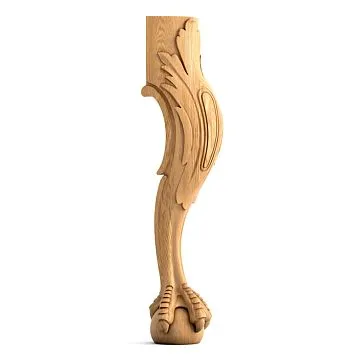
Modern technologies enable the realization of the most daring design concepts. Complex curved shapes, non-standard sizes, unique profiles – all of this becomes accessible thanks to advanced equipment and the expertise of specialists.
Author design as a competitive advantage
In a world where standardization is becoming the norm, individuality acquires special value. Unique moldings created according to original sketches become the hallmark of an interior, its distinctive feature.
This approach is especially important for commercial properties – restaurants, hotels, office centers, where atmosphere directly affects business success. Original decor helps create a memorable image that distinguishes the establishment from competitors.
Regional characteristics and local traditions
Woodworking in different regions has its own unique traditions and characteristics. Local wood species, historically developed processing techniques, regional stylistic preferences – all of this shapes the unique appearance of national schools of decorative arts.
Russian traditions of wood carving
Russian masters have developed unique woodworking techniques over centuries. Traditional motifs of Russian carving find modern embodiment in architectural decoration adapted to the requirements of contemporary life.
Using traditional ornaments in modern interiors creates a connection across time, highlights cultural identity and national character. This approach is especially relevant when decorating country houses and cottages.
European Schools of Craftsmanship
Each European country has contributed to the development of decorative woodworking art. French elegance, German precision, Italian artistic flair – these traditions continue to influence modern design trends.
Studying and applying the best achievements of world culture enables creating interiors of world-class quality, meeting the most demanding requirements of clients.
About the company STAVROS
STAVROS holds leading positions in the market for producing elite wooden trim items. Decades of experience working with noble wood species, modern technologies, and the highest quality standards make the company's products a benchmark in their field.
STAVROS offers a full range of services – from consultations on selecting optimal solutions to manufacturing unique items according to individual projects. A team of experienced specialists is ready to bring the most daring design concepts to life, ensuring flawless quality at every stage of work.
Frequently asked questions
Which wood species is best suited for making moldings?
The choice of wood depends on the specific requirements of the project. Oak offers maximum strength and expressive texture, beech provides dimensional stability and uniform structure, ash combines strength with an elegant appearance. For optimal decision-making, consultation with specialists is recommended.
Can wooden moldings be installed in humid rooms?
Modern protective treatment technologies allow using wooden moldings even in high-humidity conditions. Special moisture-resistant coatings reliably protect wood from steam and condensation. However, for such rooms, it is recommended to choose stable species and enhanced protective systems.
How long do quality wooden moldings last?
With proper installation and appropriate care, wooden moldings can last for decades. Their longevity depends on the quality of the original material, manufacturing technology, and operating conditions. Periodic renewal of protective coatings extends service life and preserves the original appearance.
Is it possible to manufacture moldings to custom sizes and profiles?
Modern technologies allow manufacturing moldings of virtually any complexity according to individual drawings and sketches. This opens up limitless possibilities for implementing unique design solutions and adapting standard profiles to specific architectural features of the object.
What tools are needed for installing wooden moldings?
For quality installation, a standard carpentry toolset is required: a circular saw or miter gauge for precise cutting of angles, a drill for preparing holes for fasteners, a level for controlling geometry, a tape measure and pencil for marking. Professional installation is recommended to be entrusted to specialists.
How to properly care for wooden moldings?
Regular care includes dry and damp cleaning with soft cloth, avoiding use of aggressive cleaning agents, periodic inspection of protective coating condition. In case of damage, timely restoration is recommended to prevent defect development.