Article Contents:
- 1. What is self-adhesive decorative molding?
- 1.1. Definition and essence of the product
- 1.2. Main features
- 2.1. Time and labor savings
- 2.2. Cleanliness and neatness
- 2.3. Universality of application
- 2.4. Possibility of removal and updating
- 2.5. Economic efficiency
- 3.1. Wall and ceiling decoration
- 3.2. Framing door and window openings
- 3.3. Furniture decoration
- 3.4. Interior design of commercial spaces
- 4.1. Quality of adhesive base
- 4.2. Material and finish
- 4.3. Dimensions and profile
- 5.1. Speed of installation
- 5.2. Time and cost savings
- 5.3. Universality
- 6.1. Specialized stores for finishing materials
- 6.2. Online Stores
- 6.3. Custom orders
- 7.1. Surface Preparation
- 7.2. Marking and fitting
- 7.3. Installation
- 7.4. Final touches
- 8.1. Daily care
- 8.2. Protection from moisture and temperature fluctuations
- 8.3. Restoration
- 9.1. Walls and Ceilings
- 9.2. Door and Window Openings
- 9.3. Furniture
- 10.1. Classic Interior
- 10.2. Modern Minimalism
- 10.3. Loft and Industrial Style
- 10.4. Provence and Country
- 11.1. Innovative production technologies
- 11.2. Combination of materials
- 11.3. Environmental responsibility
- 12.1. Project Planning
- 12.2. Style and Color Selection
- 12.3. Consultations and Testing
- 12.4. Budget Optimization
- 13.1. Aesthetic Significance
- 13.2. Functional Value
- 13.3. Creating Harmonious Composition
- 14.1. Innovative Production Technologies
- 14.2. Eco-Friendly and Sustainable Materials
- 14.3. Personalization and Custom Orders
- 15.1. Classic Interior
- 15.2. Modern Minimalism
- 15.3. Loft and Industrial Style
- 15.4. Provence and Country Style
- 16.1. Create a Detailed Plan
- 16.2. Define Style and Concept
- 16.3. Consult Professionals
- 16.4. Monitor Quality and Certification
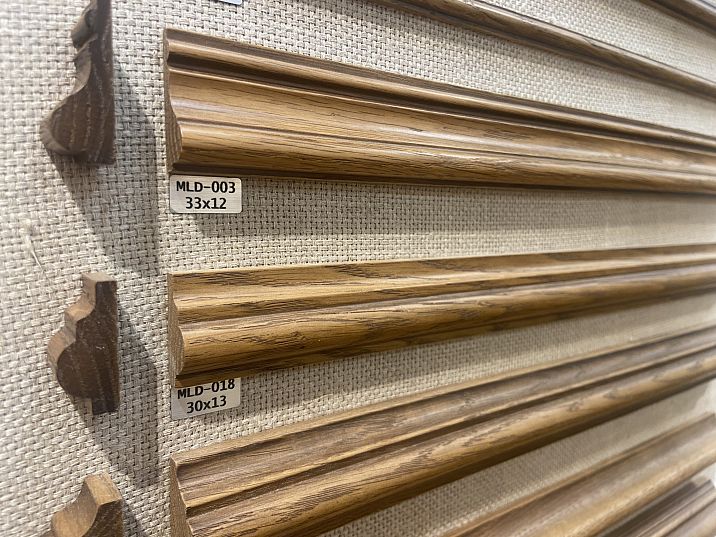
In the modern world of interior design, details play a decisive role in creating a cozy, harmonious, and functional space. One such detail is decorative molding, which can transform any room by adding elegance and expressiveness. Especially popular today isself-adhesive decorative molding — an innovative product that combines ease of installation, high quality, and stylish appearance. In this article, we will thoroughly examine what self-adhesive molding is, its main advantages, areas of application, installation technologies, care features, and modern trends in interior design.


1. What is self-adhesive decorative molding?




1.1. Definition and Essence of the Product
Self-adhesive decorative molding is a ready-to-install decorative element made from high-quality materials such as wood, MDF, or polyurethane, with an adhesive base. This technology allows avoiding the use of additional fastening means, such as screws, nails, or construction glue. Self-adhesive molding is intended for quick and neat finishing of surfaces such as walls, ceilings, doorways, and even furniture facades.
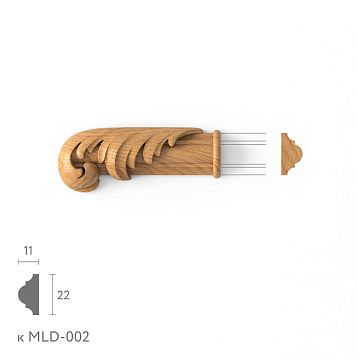
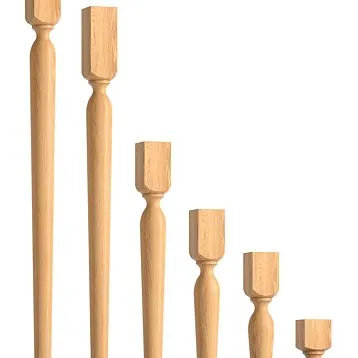
Our factory also produces:

1.2. Main Features
● Ease of Installation. Thanks to the adhesive base, the molding can be easily attached to a flat and clean surface, which reduces the time and effort required for renovation.
● Universality. Self-adhesive molding is suitable for various surfaces, whether smooth plaster, painted walls, or even laminated surfaces.
● High-quality finish. The product has a neat profile, even coating, and aesthetically pleasing appearance, making it an indispensable element of modern interiors.
● Easy removal. If necessary, self-adhesive molding can be carefully removed without damaging the surface, which is an advantage for those who like to frequently update their interiors.
2. Advantages of Using Self-Adhesive Moldings
Get Consultation
2.1. Time and Labor Savings
One of the main advantagesself-adhesive decorative molding lies in its ease of installation. The absence of need for screws, nails, or glue significantly reduces installation time and allows even beginners without special skills to achieve a professional result.
2.2. Cleanliness and neatness
Self-adhesive molding ensures even adhesion to the surface, allowing you to avoid visible seams and unevenness. This is especially important for modern interiors, where every detail must be executed with maximum precision and neatness.
2.3. Universality of application
Such molding is suitable for decorating numerous interior elements:
● Walls and ceilings. Use it to create accent zones or decorative panels.
● Doorways. Self-adhesive molding can serve as an excellent frame for doors, emphasizing architectural lines and creating a sense of completion.
● Furniture. It can be used to decorate cabinet, chest, and other furniture facades, giving them individuality and style.
2.4. Possibility of removal and updating
Another advantage is the possibility of easy removal. If you decide to update the interior or change the concept, self-adhesive molding can be carefully removed without damaging the surface. This provides freedom to experiment with design and adapt it to new trends.
2.5. Economic efficiency
Purchasing self-adhesive moldings allows you to save not only time but also materials. The absence of need to purchase additional fasteners reduces the overall project cost, making this type of finishing accessible even for budget repair options.
3. Areas of application of self-adhesive moldings
3.1. Wall and ceiling decoration
Self-adhesive moldings are often used to create decorative lines on walls and ceilings:
● Ceiling moldings. Installing molding along the junction of the ceiling and wall creates a "floating" ceiling effect, adding additional depth to the room.
● Wall panels. Moldings can divide walls into several sections, creating decorative panels, which is especially relevant for large rooms.
● Accent inserts. Use moldings to highlight specific areas, such as around mirrors or paintings, to draw attention to key interior elements.
3.2. Framing door and window openings
Decorative molding for doors and windows helps create a harmonious transition between the wall and the opening. This approach not only emphasizes architectural lines but also makes the room more complete.
Furniture styling
Self-adhesive moldings are actively used to decorate furniture facades:
● Kitchen cabinets. Moldings can frame cabinet doors, creating an effect of elegance and luxury.
● Tables and chests. Framing side surfaces or top edges of furniture gives the item a finished look and makes it more refined.
● Built-in furniture. Moldings can be used to create decorative elements inside built-in cabinets or partitions, helping to zone the space.
3.4. Interior decoration of commercial spaces
In offices, hotels, restaurants, and other commercial spaces, decorative moldings are used to create a prestigious and stylish image:
● Corporate interiors. Moldings can be used to decorate meeting rooms, lobbies, and reception areas, emphasizing the professionalism and status of the company.
● Exhibition halls. Decorative moldings help decorate exhibits, making them more attractive and harmonious.
● Retail spaces. Moldings on display cases and stands contribute to creating a cohesive brand style.
4. Features of self-adhesive moldings
4.1. Adhesive base quality
When choosingself-adhesive decorative molding It is important to pay attention to the quality of the adhesive base. It should be strong enough to ensure reliable adhesion to various surfaces, but at the same time not leave marks or damage when removed.
● Check the adhesive layer. Before purchasing, it is advisable to check how evenly the adhesive is applied to the product. Uneven distribution of adhesive may lead to peeling off the molding over time.
● Type of adhesive. High-quality self-adhesive moldings use specialized adhesive compositions that ensure a long service life and resistance to moisture.
4.2. Material and finish
Self-adhesive moldings are produced from various materials, including natural wood, MDF, and polyurethane. The choice of material depends on the interior style and requirements for durability:
● Natural wood. Adds warmth, naturalness, and elegance to the interior. Suitable for classic and eco-interiors.
● MDF. A more affordable option, allowing to imitate the texture of natural wood, but with greater dimensional stability.
● Polyurethane. Lightweight and moisture-resistant, ideal for humid areas such as kitchens and bathrooms.
The finish of the molding also plays an important role:
● Natural finish (varnish, oil). Preserves the texture and tone of the material.
● Painting. Allows choosing any color that emphasizes the overall interior concept.
● Patina and brush effects. Give the item an aged appearance, which is especially relevant for vintage interiors.
4.3. Dimensions and profile
The size of the decorative molding should correspond to the proportions of the room and furniture. When choosing, pay attention to:
● Thickness and width of the profile. They should harmonize with ceiling height and wall dimensions.
● Geometry and shape. Straight lines suit modern interiors, while decorative profiles are appropriate for classic solutions.
● Compatibility with other elements. The molding should match baseboards, window casings, and other decorative elements, creating a unified composition.
5. Advantages of self-adhesive moldings
5.1. Ease of installation
Self-adhesive moldings significantly simplify the installation process:
● No additional fasteners. Thanks to the adhesive base, installation can be done quickly without using screws or nails.
● Minimal tools required. For installation, it is usually sufficient to simply mark the surface, peel off the protective film, and carefully apply the molding.
● Removal without damage. If interior renovation is needed, the self-adhesive molding can be carefully removed without damaging the wall or furniture surface.
5.2. Time and cost savings
Fast installation and the absence of need for additional materials (such as mounting adhesive or fasteners) significantly reduce both time and financial costs. This is especially relevant for large-scale projects or interior renovations in commercial spaces.
5.3. Versatility
Self-adhesive moldings can be used on various surfaces, including:
● Smooth walls (painted, wallpapered);
Ceilings;
Door openings;
Furniture facades.
This makes them a universal solution that easily adapts to any tasks and interior styles.
6. Whereself-adhesive decorative molding to buy: Review of the best options
6.1. Specialized stores for finishing materials
In large cities, there are specialized stores and showrooms featuring decorative moldings from various manufacturers. Advantages of purchasing in such stores:
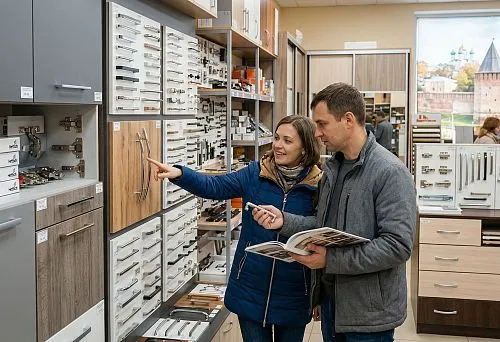
● Opportunity to see the product "in person" and assess its quality;
● Consultation with specialists who will help choose the optimal option;
● Possibility to order custom manufacturing if standard solutions do not suit.
6.2. Online stores
Modern online platforms offer a wide variety of self-adhesive moldings:
● self-adhesive decorative molding The website "Solid Wood Molding" is one of the proven options. Here you can select items by material, profile, and finish, compare prices, and read customer reviews.
● Convenient delivery and the possibility of returning the product make online purchases reliable and economically advantageous.
● Online stores often run promotions and sales, allowing you to purchase quality moldings at reduced prices.
6.3. Custom orders
If you aim for exclusivity, you can order decorative moldings from private craftsmen or carpentry workshops:
● This approach allows creating an item according to your sketches, with unique patterns and profiles.
● Custom orders may include non-standard sizes, combined materials, and original decorative elements.
● Although the cost of a custom order is usually higher, the result justifies the investment if exclusive decoration is required.
7. Installing self-adhesive moldings: step-by-step guide
7.1. Surface preparation
Before installing self-adhesive moldings, ensure the surface is clean, dry, and level:
● Clean walls, ceilings, or door openings from dust and dirt.
● If there are old finishing materials, remove them to ensure the molding’s adhesive base adheres properly.
● If necessary, level the surface using putty.
7.2. Marking and fitting
Use a level and tape measure for accurate marking of molding attachment points. This will help ensure a level and symmetrical installation. Try the molding in place to confirm correct positioning and absence of gaps.
7.3. Installation
- Removing protective film. Carefully remove the protective film from the adhesive base of the molding before applying it.
- Applying. Start from one edge, gently pressing the molding onto the surface. Use a level to ensure the item lies flat.
- Fixation. If the surface is uneven, you can use temporary clamps or painter's tape for additional fixation until the adhesive fully cures.
- Remove clamps. After the adhesive has fully dried, remove all temporary fasteners and check that the molding does not peel off.
7.4. Final Touches
● Check seams and corners; fill small gaps with sealant if necessary.
● If needed, gently sand mounting areas and remove excess adhesive.
● Enjoy the smooth, neat line of the decorative molding that has transformed your interior.
8. Care for Self-Adhesive Molding
8.1. Daily Care
Self-adhesive moldings require minimal care:
● Regularly wipe them with a soft dry cloth to remove dust.
If necessary, use a slightly damp cloth, avoiding aggressive cleaning agents that may damage the finish.
8.2. Protection from Moisture and Temperature Fluctuations
To maintain the longevity of moldings:
● Maintain stable humidity in the room (40–60%).
● Avoid placing moldings in areas exposed to direct sunlight or near heat sources.
● If humidity issues arise, you can additionally treat moldings with special protective compounds.
8.3. Restoration
If moldings develop scratches or scuffs:
● Lightly sand the damaged areas.
● Refresh the finish (varnish or paint) to restore the original appearance.
● If necessary, fill small cracks with sealant or wood putty.
9. Combining Self-Adhesive Molding with Other Interior Elements
9.1. Walls and Ceilings
Self-adhesive moldings can be used to decorate wall-ceiling junctions, create decorative lines and cornices:
● Ceiling cornices. Moldings installed along the junction create a 'floating' ceiling effect, adding visual depth to the space.
● Wall panels. Use moldings to create decorative panels that divide walls into zones or add dimension.
● Accent inserts. Moldings can highlight specific wall areas, creating a focal point for a decorative element.
9.2. Door and Window Openings
Decorating doors and windows with moldings helps create a harmonious composition:
● Moldings can serve as framing for doors, window frames, and casings, unifying them into a cohesive whole.
● This approach helps visually separate openings from walls and gives the room a finished look.
9.3. Furniture
Decorative moldings for furniture can be used for:
● Framing cabinet, chest, and table facades, giving them an elegant appearance.
● Creating decorative inserts on furniture bodies, allowing you to emphasize style and individuality.
● Combinations with other finishing elements (e.g., baseboards or door casings) to form a unified decorative row.
10. Examples of successful projects
10.1. Classic Interior
In a classic interior, decorative moldings play a key role. In one living room project, moldings made of natural wood with rich carving framed the ceiling and created decorative panels on the walls. The result — an elegant, refined interior where every detail emphasizes traditional motifs and high aesthetics.
10.2. Modern minimalism
In a modern interior, where clean lines and minimal details are valued, self-adhesive moldings with a simple, straight profile fit perfectly into the overall concept. In one apartment, the minimalist design of walls and ceilings was enhanced by thin moldings painted in a neutral tone, creating an effect of surface continuity and adding lightness to the space.
10.3. Loft and industrial style
Loft-style interiors are often characterized by the combination of industrial materials with elements of warm wood. In one office space, moldings with an aged effect were installed on brick walls. This combination created a contrast between harsh concrete and natural wood, adding character and individuality to the space.
10.4. Provence and country style
In a cozy interior in the Provence style, decorative moldings with patina finish became a key element, imparting romance and rustic charm to the space. The use of soft pastel tones and light decorative patterns created an atmosphere of warmth and comfort, perfectly suited for bedrooms, living rooms, and hallways in the country style.
11. Modern trends and innovative solutions
11.1. Innovative production technologies
Modern wood processing methods, such as laser carving and 3D modeling, allow creating decorative moldings with high precision and complex patterns. This opens new possibilities for designers:
● Moldings with unique ornaments, previously available only in elite interiors.
● Possibility to create individual projects tailored to specific client preferences.
11.2. Combining materials
One of the fashionable trends is mixing natural wood with other materials:
● Wood and metal. Moldings with metal inserts add a modern and industrial accent, especially relevant for loft and high-tech interiors.
● Wood and glass. Using glass elements together with wooden moldings creates an effect of lightness and transparency, highlighting modern design trends.
● Wood and acrylic. Combined solutions allow adding vibrant color accents while preserving the natural wood texture.
11.3. Environmental responsibility
With growing attention to eco-friendly materials, more consumers prefer products made from wood sourced from sustainable sources. When choosing decorative moldings, it is important to pay attention to environmental certifications (e.g., FSC or PEFC), which guarantee that the product meets modern standards and does not harm the environment.
12. Practical recommendations for successful project implementation
12.1. Project planning
Beforebuy decorative moldings, create a detailed plan:
● Determine where the moldings will be installed (walls, ceiling, door openings, furniture facades).
● Conduct precise measurements and create a layout plan.
● Calculate the required material amount, accounting for trimming allowances and possible deviations.
12.2. Selection of style and color
Combine decorative moldings with the overall interior style:
● If the interior is designed in a classic style, choose moldings with rich carving and elegant detailing.
● For modern and minimalist spaces, choose sleek, straight profiles in neutral tones.
● Do not be afraid to experiment with colors: contrasting solutions can highlight architectural features, while tonal ones create a sense of unity.
12.3. Consultations and Testing
Consult specialists if you are unsure about your choice:
● Interior designers can help determine which type of molding best fits your concept.
● Store consultants will provide information on technical specifications and installation features.
● Order samples to personally assess the finish quality and select the optimal option.
12.4. Budget Optimization
When planning your budget, consider:
● The cost of moldings, their mounting elements, and consumables.
● Possible discounts when purchasing in bulk or promotions in online stores.
● Delivery costs and, if necessary, professional installation services.
13. Role of Decorative Moldings in Creating a Unique Interior
13.1. Aesthetic Significance
Decorative moldings are not just finishing elements, but true works of art capable of transforming any room. They:
● Give the space a finished look;
● Add depth and dimension through a "layering" effect;
● Highlight the interior’s individuality and make it more expressive.
13.2. Functional Significance
In addition to aesthetics, moldings perform important practical functions:
● Conceal joints between different materials (e.g., between wall and ceiling);
● Help zone the space, making the interior more structured;
● Protect surfaces from mechanical damage and dirt.
13.3. Creating a Harmonious Composition
When used properly, decorative moldings can unify all interior elements:
● By repeating lines and patterns in furniture, baseboards, and window casings, they create a unified visual scheme.
● Properly selected moldings can become an accent, drawing attention to specific zones and adding a unique touch to the interior.
14. Modern Trends in the World of Decorative Moldings
14.1. Innovative Manufacturing Technologies
Modern technologies allow creating moldings with incredible precision and complex patterns:
Laser cutting and 3D modeling allow achieving high detail and reproducibility of complex ornaments.
Computer-aided design ensures uniform product quality, which is especially important in mass production.
14.2. Eco-friendly and sustainable materials
With growing attention to ecology, more consumers prefer natural and eco-friendly materials. Wooden moldings made from certified wood not only possess unique aesthetics but are also environmentally safe.
14.3. Personalization and custom orders
More and more designers and homeowners strive for interior uniqueness, making custom decorative moldings especially in demand:
● Ability to create an exclusive design taking into account all client preferences.
● Ordering moldings based on custom sketches allows obtaining a product that truly reflects your taste and style.
● A personalized approach helps create unique compositions that perfectly complement the architectural features of the room.
15. Examples of successful projects
15.1. Classic interior
In a classic living room, moldings play a key role in creating an elegant and refined look. In one project, decorative moldings with rich carvings were used to decorate the ceiling and walls, giving the room a palace-like luxury atmosphere. Every detail, from carved patterns to smooth lines, contributed to creating a harmonious and finished interior.
15.2. Modern minimalism
In modern interiors, moldings with simple, minimalist shapes are an excellent complement to clean lines and neutral colors. For example, in a minimalist apartment, decorative moldings were used to frame the ceiling, creating a smooth transition between walls and ceiling, and visually enlarging the space through straight, continuous lines.
15.3. Loft and industrial style
In a loft, decorative moldings can serve as a contrasting element, softening the coldness of industrial materials such as concrete and metal. In one office interior, moldings with a weathered wood effect were used, which perfectly matched brick walls, creating a harmonious balance between industrial style and the warmth of natural wood.
15.4. Provence and country style
In Provence-style interiors, decorative moldings are often finished in light pastel tones with a patina effect, giving the room coziness and romance. In a cozy bedroom or living room, moldings were used to create decorative panels, enhancing the atmosphere of home warmth and traditional elegance.
16. Practical tips for successful project implementation
16.1. Create a detailed plan
Before beginning to decorate the interior with decorative moldings, it is important to clearly define where they will be installed and how they will coordinate with other elements. Create a plan indicating where moldings will be placed on walls, ceilings, or furniture, conduct precise measurements, and calculate the required length.
16.2. Define the style and concept
The selection of decorative moldings should be thoughtful:
● Define the overall style of your interior: classic, modern, minimalism, loft, Provence, or eclectic.
● Select items that will harmonize with other finishing elements: baseboards, door casings, ceiling cornices, and furniture.
● Coordinate color schemes and textures to create a unified composition.
16.3. Consult professionals
Do not hesitate to seek advice from designers and specialists in specialized stores:
● They will help you choose the optimal decorative moldings based on the size, style, and functional requirements of your interior.
● The advice received will help avoid installation errors and ensure the long-term durability of the product.
16.4. Monitor quality and certification
When selecting decorative moldings, pay attention to the quality of materials and the presence of eco-certifications (e.g., FSC, PEFC for wooden products). This ensures that the product is manufactured according to modern standards and meets high requirements for durability and safety.
17. Conclusion
Decorative moldings for furniture are a universal solution capable of transforming any space. They add completeness, structure, and elegance to interiors, making every detail harmonious and thoughtfully designed. If you plan tobuy decorative moldings to decorate furniture, walls, or ceilings, remember the following key points:
● Interior style. The choice of moldings should match the overall style of the room, whether classic, modern minimalism, loft, or Provence.
● Sizes and proportions. Proper proportion of molding sizes to room, furniture, and other decorative elements is key to harmonious design.
● Material quality. Pay attention to eco-friendliness, durability, and finish quality of the product.
● Ease of installation. Self-adhesive or easily mounted moldings allow you to reduce installation time and achieve a neat result.
● Cost-effectiveness. Properly selected moldings can significantly enhance the visual perception of the interior without overloading the renovation budget.
Decorative moldings are not just finishing elements, but true works of art capable of highlighting the individuality of your space and creating an atmosphere where every detail contributes to a harmonious, cozy, and stylish interior. Modern processing technologies, innovative materials, and eco-friendly coatings allow designers to realize the boldest ideas, creating unique compositions that will delight you and your guests for years.
If you wish to create an interior reflecting your refined taste and pursuit of perfection, do not miss the opportunity to use decorative moldings. They will help unify all elements of your design into a cohesive composition, making the space more structured and harmonious. Remember, attention to details is the key to any design project’s success, and high-quality decorative moldings will be your reliable ally in creating a unique look for your home, office, or any other space.
Investing in decorative moldings means choosing durability, style, and quality that will serve you as a reflection of your unique taste and professional approach to interior design. Let every element of your space tell a story filled with comfort, harmony, and aesthetic perfection.