Article Contents:
- 1. New Era of Selection: What Are Material Mockups?
- 2. Behind the Scenes Technology: Tools and Methods for Creating Mockups
- 3. Creative Experimentation: Advantages and Possibilities of Material Mockups
- 3.1 Visualization Without Boundaries
- 3.2 Time and Cost Savings
- 3.3 Flexibility and Adaptability
- 4.1 Interior Design
- 4.2 Architectural Design
- 4.3 Material Production and Development
- 5. From Tradition to Innovation: How the Perception of Materials Has Changed
- 6.1 Start with Research
- 6.2 Use the Right Tools
- 6.3 Involve the Client
- 6.4 Document the Process
- 7. Vision of the Future: Trends and Prospects
- Conclusion: Material Mockups as the Key to Digital Creativity
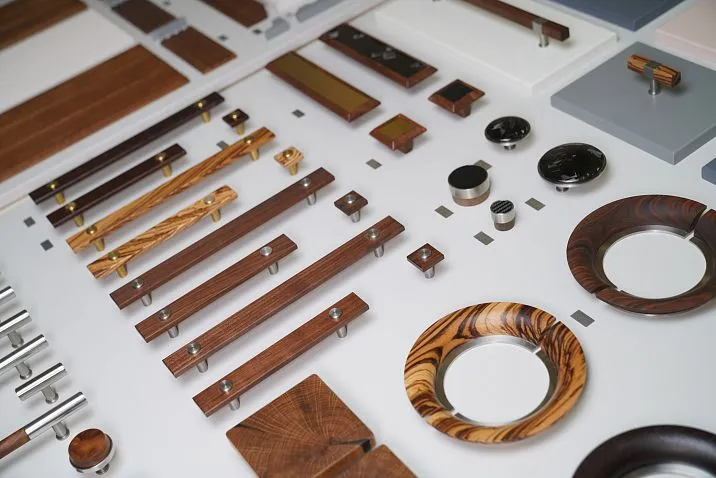
Imagine a moment when a designer stands before an infinite array of finishing options, textures, and color solutions. Before making a final decision, they immerse themselves in the world of virtual samples—material mockups—where every detail, every texture, and every nuance is refined down to the finest details. This is not merely computer graphics, but a full philosophy of visual experimentation, allowing one to evaluate how any given material will appear in reality.
In this article, we will examine what material mockups are, why they have become an indispensable tool in modern creative processes, and how their use changes the perception of design. We will delve into the intricacies of working with digital textures, discuss the latest technological solutions, and share practical recommendations that will help transform a concept into a compelling visual prototype.



1. New Era of Selection: What Are Material Mockups?
Material mockups are digital models that reflect the physical properties of real materials, whether fabric, metal, wood, or innovative composites. Their primary purpose is to allow one to see how any given material will appear in a specific space, under certain lighting conditions, and in combination with other interior elements.
Unlike traditional samples, mockups allow experimentation with an infinite number of variations without the need for physical prototype production. This is like a digital texture album, where each image is the result of complex calculations of light, shadow, reflections, and highlights.




2. Behind the Scenes Technology: Tools and Methods for Creating Mockups
Modern designers use specialized software packages that enable them to achieve remarkable realism in material mockups. Here, digital modeling becomes an art:
● 3D modeling with a focus on microelements. Today, developing a mockup is not just about creating a surface, but refining the smallest details. Every crack, every reflection of light can influence the perception of the material.
● Photorealistic rendering. Programs such as V-Ray or Corona Renderer allow for precise transmission of the characteristics of the selected texture. This creates an illusion of a 'living' material that can be almost touched through the screen.
● Interactive platforms. Mockups transform into interactive presentations, where the user can change parameters—from color to gloss level—in real time, testing various solutions.
Thus, modern technologies make material mockups a powerful tool for selection and testing, allowing one to minimize the risk of errors even at the conceptual stage.
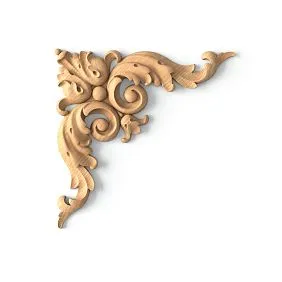
Our factory also produces:




3. Creative Experiment: Advantages and Possibilities of Material Mockups
Get Consultation
3.1 Visualization without boundaries
Thanks to material mockups, designers can "try on" various solutions almost instantly. This eliminates the need to purchase samples, wait for deliveries, and conduct lengthy experiments. Imagine being able to compare several finishing options for the same surface and choose the optimal solution in minutes.
3.2 Time and cost savings
Eliminating costly physical prototypes significantly reduces expenses. Every change or adjustment can be made in a digital environment, allowing focus on the creative process rather than production logistics.
3.3 Flexibility and adaptability
Material mockups are not static images. Thanks to interactivity, users can change lighting conditions, viewing angles, even combine materials with others. This allows simulating real usage scenarios, making the final solution more accurate and aligned with the client's expectations.
4. Application of material mockups in various industries
4.1 Interior design
In modern interior design, material mockups are used to select optimal textures for walls, floors, ceilings, and furniture. Photorealistic visualization helps clients see how the chosen material palette will interact with each other, creating a harmonious space.
4.2 Architectural design
Architects actively use mockups to demonstrate building exteriors. Mockups allow evaluating how materials will appear from different viewing angles and under various lighting conditions, significantly affecting the overall perception of the architectural object.
4.3 Material production and development
Not only designers, but also engineers and R&D specialists use mockups to test new composites and coatings. Prototyping in a digital environment allows optimizing material properties before launching it into mass production.
5. From tradition to innovation: How the perception of materials has changed
Once, material selection was limited by physical samples and subjective assessments. Today, digital technologies allow recreating even the finest nuances of natural textures. Material mockups are the result of synthesizing traditional knowledge and the latest technological advancements.
● Innovative coatings. Modern technologies allow not only replicating but also enhancing the properties of natural materials, creating coatings with unique characteristics — from increased durability to self-cleaning effects.
● Synergy of natural and artificial. In digital space, designers experiment with combinations of natural textures and synthetic elements, creating solutions that are difficult to achieve using traditional methods.
● Sustainable development. Using material mockups helps reduce waste during development and production, aligning with modern ecological requirements.
6. Practical advice for specialists: From concept to realization
6.1 Start with research
Before creating a mockup, study the material's characteristics: its physical properties, color variations, interaction with lighting. Collect references — photos, samples, scientific articles. This will help set the correct direction for your work.
6.2 Use the right tools
Choose software that will allow you to accurately convey the texture and behavior of the material. Don't be afraid to experiment with rendering settings — it is in the details that the secret of photorealism lies.
6.3 Involve the client
Interactive mockups are an excellent way to attract client attention. Allow them to change parameters, ask questions, and make suggestions. This approach not only increases trust but also makes the collaboration process more productive.
6.4 Document the process
Maintaining a detailed report of each stage of mockup creation helps not only analyze the work done but also demonstrate professionalism to potential partners or investors.
7. Vision of the future: Trends and prospects
The digital revolution is not standing still. We are observing increasing integration of material mockups into production and design processes. The development of artificial intelligence, machine learning algorithms, and virtual reality opens new horizons:
● Texture selection automation. Today, algorithms can recommend optimal material combinations by analyzing millions of options and predicting trends.
● Enhanced VR solutions. Virtual showrooms and interactive platforms allow clients to "immerse" themselves in a future space where every material comes alive in digital reality.
● Sustainability and resource efficiency. Reducing physical prototypes lowers material and energy consumption, aligning with principles of sustainable development.
Conclusion: Material mockups as the key to digital creativity
Material mockups today are not just a trendy term. They are a tool that changes the rules of the game in design, architecture, and manufacturing. They enable the creation of detailed visions of the future, experimentation with ideas, and the proposal of solutions that meet not only aesthetic but also functional requirements of modernity.
Each mockup contains the potential to see not just an image, but the full potential of the material — its texture, gloss, warmth, and even its emotional impact. This virtual platform becomes the bridge between an abstract idea and its real embodiment, allowing us to gradually approach the ideal.
In a world where digital technologies define the future of design, companies that combine innovation with a deep understanding of traditions become industry leaders. STAVROS (in all capital letters) confidently occupies leading positions, offering integrated solutions for creating material mockups. Thanks to continuous investments in new technologies and a pursuit of perfection, STAVROS demonstrates how a virtual prototype can become the starting point for creating unique projects in design and architecture.
Choosing STAVROS, you get not just visualization, but a comprehensive approach that transforms abstract ideas into tangible and inspiring solutions, setting new standards of quality and innovation in the market.