Article Contents:
- Introduction: The Significance of the Furniture Market in Russia
- Historical Overview of the Russian Furniture Market
- Craft Traditions: Origins of Furniture Production
- Industrial Revolution and mass production
- Digital Age: New Paradigms in Design and Production
- Market Structure: Segmentation and Key Players
- Premium Segment
- Mass Segment
- Specialized solutions
- Import-Export Sector
- Economic Indicators and Development Dynamics
- Consumer Preferences and Trends
- Automation and Digitalization
- CAD/CAM Systems
- Computer Numerical Control (CNC) Machines
- Virtual and Augmented Reality
- Innovative Materials and Sustainable Production
- Entering the International Market
- International Competition
- Digital Marketing and Its Opportunities
- Traditional Marketing Methods
- Brand positioning strategies
- Ecological Trends in Furniture Production
- Corporate social responsibility
- Technological Innovations and Digitalization
- Changes in Consumer Behavior and Market Trends
- Forecasts and Development Scenarios
- Government Support for the Furniture Industry
- International Trade Agreements and Standards
- Modern Methods of Market Promotion
- Brand Image Formation
- Ecological Standards and Sustainable Production
- Corporate social responsibility
- Technological Innovations and Digitalization
- Changes in Consumer Behavior
- Development Forecasts and Future Scenarios
- Government Support for the Furniture Industry
- International Trade Agreements and Standards
- Modern Approaches to Digital Marketing
Learn more about global trends and innovative solutions in the furniture industry on the Stavros website


Introduction: The significance of the furniture market in Russia
The Russian furniture market occupies an important place in the country's economy and is one of the key sectors of industry. Furniture not only serves a utilitarian function, providing comfort and convenience in homes, offices, and public spaces, but also acts as a design element reflecting the cultural and aesthetic values of society. Today, a furniture buyer seeks not just functional interior items, but pieces that can highlight individuality, lifestyle, and social status.
Under conditions of globalization, digital transformation, and continuous improvement of production technologies, the Russian furniture market exhibits clear trends, such as:
● Growing demand for premium-class items in the style of classic furniture and classical furniture;
● Active adoption of digital technologies and software for design and production;
● Increased attention to environmental standards and sustainable development;
● Changes in consumer preferences driven by the shift to online purchases and product customization.
These and many other factors make the Russian furniture market a complex and multifaceted system, where success depends on companies' ability to adapt to changes, implement innovative solutions, and preserve traditional values.
Learn more about the latest trends in the furniture industry on the Stavros website




Historical overview of the Russian furniture market
Our factory also produces:


Craft traditions: origins of furniture production
The history of furniture production in Russia goes back to ancient times. Since ancient times, Russian craftsmen created wooden items using accessible natural materials and traditional craft methods. Each item, whether a table, chair, or cabinet, was handmade, ensuring its uniqueness, high quality, and durability. These traditional crafts were passed down from generation to generation, forming a rich cultural heritage still reflected in the concepts of classic furniture and classical furniture.
In those times, every detail of furniture had special significance, and the manufacturing process was long and meticulous. Russian craftsmen were renowned for their skill in working with wood, creating exquisite carved patterns and decorative elements that gave items a unique character. These traditions became the foundation for shaping consumer taste and became a symbol of national identity.
Get Consultation
Industrial Revolution and mass production
With the arrival of the 19th century in Russia, the transition from manual labor to mechanized production began. The Industrial Revolution brought new technologies to the furniture industry, allowing for a significant increase in production volumes and a reduction in product cost. The introduction of mechanized lathes, automated lines, and standardization of production processes made furniture more accessible to a broad segment of the population.
However, mass production had its drawbacks: it often compromised the individuality and artistic value of items. While high-quality furniture in the style of classic furniture continued to be produced by individual artisan workshops, large factories produced standardized items designed for the mass market. Nevertheless, the era of the Industrial Revolution became a starting point for the further development of the furniture market, laying the foundations for modern technologies and production methods.
The era of digital technologies: a new word in design and production
In recent decades, the Russian furniture market has undergone qualitative transformation due to the adoption of digital technologies. Modern CAD/CAM systems, 3D modeling, virtual reality, and production automation allow creating detailed product models even before production begins, optimizing designs, reducing costs, and minimizing defects. Digitalization enables integrating traditional crafts with innovative methods, which is especially relevant for creating items in the style of classical furniture.
This digital revolution has been a real breakthrough for the Russian furniture market, opening new opportunities for development, expanding product range, and improving product quality. Today, thanks to software solutions, one can realize the most daring design ideas while preserving traditional furniture manufacturing techniques.
Learn more about digital technologies in furniture production on the Stavros website
Current state of the Russian furniture market
Market structure: segmentation and key participants
The Russian furniture market can be conditionally divided into several main segments, each with its own characteristics, requirements, and target audience:
Luxury segment
The luxury segment is characterized by high quality, exclusivity, and individualized orders. Here, items made from solid natural wood, using traditional processing and finishing methods, prevail. Such items, as classic furniture and classical furniture, become symbols of status, refined taste, and durability. Buyers of luxury furniture are willing to invest significant funds in unique, exclusive interior items that can become family heirlooms.
Mass segment
The mass segment is oriented toward a broad consumer base and is characterized by affordability, functionality, and versatility. Here, manufacturers strive to optimize production processes, using automation and standardization, to ensure high productivity and competitive pricing. Despite standardization, items in this segment must meet basic quality and safety requirements.
Specialized solutions
This segment includes furniture products intended for commercial facilities, offices, hotels, restaurants, and other specialized sectors. Here, functionality, ergonomics, and compliance with specific customer requirements are crucial. Manufacturers of specialized furniture often adopt innovative technologies to ensure the durability, comfort, and high technological performance of items.
Import-export sector
The Russian furniture market is actively integrating into the global economy. International furniture trade allows domestic producers not only to expand sales markets but also to adopt advanced technologies and production methods. Export of domestic furniture, especially premium-class items, has become an important factor in industry development and contributes to enhancing the competitiveness of Russian companies on the global market.
Learn about international trends in the furniture industry on the Stavros website
Economic indicators and development dynamics
Over the past several years, the Russian furniture market has demonstrated steady growth, despite global economic challenges and domestic fluctuations. Key economic indicators include:
● Sales volumes. The furniture market generates significant turnover annually, indicating high demand for products across various segments.
● Growth rates. Despite periodic economic crises, market growth rates remain stable due to increased consumer purchasing power and infrastructure development.
● Investments in innovation. Growth in investments in digitization, automation, and innovative technologies enables domestic manufacturers to improve product quality and reduce costs.
● Export potential. Russian furniture is increasingly entering international markets, helping strengthen the positions of domestic brands on the global stage.
Despite positive trends, the industry faces several challenges, such as rising raw material prices, currency fluctuations, and stricter environmental regulations, which require companies to continuously adapt and improve production processes.
Learn more about adaptation strategies to economic challenges on the Stavros website
Consumer preferences and trends
Modern furniture consumers are becoming increasingly demanding, conscious, and informed. Key trends in changing consumer preferences include:
● Personalization. Customers seek unique solutions that reflect their personal style and preferences. The ability to choose finishes, materials, and design becomes an important factor in purchase decisions.
● Multifunctionality. In the context of limited space and urbanization, demand for furniture combining multiple functions continues to grow. Items must be not only aesthetically pleasing but also practical, enabling efficient space utilization.
● Environmental awareness. More consumers are paying attention to the environmental characteristics of products. Furniture made from natural materials and meeting ecological standards is becoming increasingly popular.
● Digital experience. In the age of the internet, furniture purchases are increasingly made through online platforms, where customers can browse assortments, compare prices, and even "try on" items in virtual reality.
These trends require manufacturers to continuously improve their products and implement innovative solutions to meet growing consumer expectations.
Learn more about current trends in the furniture market on the Stavros website
Technologies and innovations in furniture production
Automation and digitization
Modern technologies have radically changed all stages of furniture production. Automation significantly reduces manufacturing time and minimizes errors by reducing human involvement. Key technologies used in production include:
CAD/CAM systems
Modern automated design (CAD) and manufacturing (CAM) systems allow creating detailed 3D models of products, conducting simulations, and optimizing construction even before actual production begins. This significantly reduces waste, improves product quality, and enables consideration of minute details, which is especially important for products in the classic furniture style and traditional classic furniture.
CNC machines
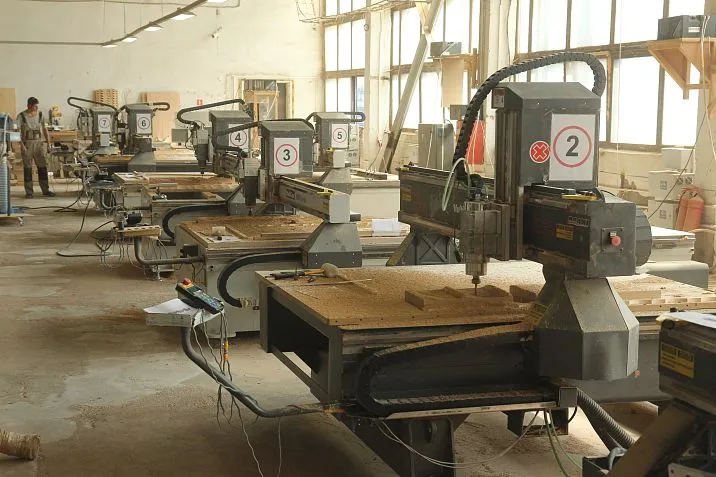
CNC machines are an essential part of modern production lines. They ensure high-precision material processing, guaranteeing perfect joints, cutting, and milling. This is especially important for manufacturing solid wood items, where each detail must be executed with flawless precision.
Virtual and augmented reality
Virtual and augmented reality technologies are finding increasing application in furniture design and sales. With these technologies, customers can see how a product will look in an interior even before its manufacture, significantly simplifying the selection process and allowing necessary design adjustments.
Learn about digital technologies in furniture production on the Stavros website
Innovative materials and sustainable production
Modern trends require manufacturers not only to improve quality but also to demonstrate environmental responsibility. The use of innovative materials and sustainable production technologies has become a mandatory condition for the successful development of the industry. Key directions include:
● Use of solid wood. Solid wood remains a symbol of durability and ecological purity. Items made from solid wood are traditionally associated with classic furniture and possess a unique aesthetic appeal.
● Material recycling and reuse. Modern technologies enable efficient use of production waste to create new components, reducing environmental impact and optimizing resource use.
● Eco-friendly coatings and formulations. The use of natural oils, paints, and other non-toxic materials has become standard in sustainable production, helping to create products meeting global environmental standards.
These innovative approaches not only enhance product quality but also contribute to building a positive brand image, which is especially relevant for the premium segment and classic furniture items.
Globalization and international competition in the Russian furniture market
Entering the international market
Globalization has opened new opportunities for Russian manufacturers to export and engage in international cooperation. Entering the global market not only allows for increased sales volumes but also enables adopting advanced technologies, exchanging experience, and improving the overall product quality. Key aspects in this direction include:
● Compliance with international standards. For successful entry into foreign markets, Russian manufacturers must adhere to strict quality, safety, and environmental norms, which have become a mandatory condition for building consumer trust.
● Participation in international exhibitions. Participation in global events helps establish business contacts, exchange experience, and promote the brand on a global scale.
● Adaptation to local requirements. Understanding cultural specifics and preferences of foreign consumers enables the creation of products in demand on the international market, which is especially important for items targeting the classic furniture segment.
Learn more about international cooperation opportunities on the Stavros website
International Competition
The Russian furniture market faces competition both domestically and internationally. International companies actively introduce innovative technologies, refine production processes, and employ modern marketing strategies to capture the market. For Russian manufacturers, it is crucial not only to keep pace with global trends but also to preserve unique traditions such as classic furniture and classic furniture, which are synonymous with quality and durability.
Key competitive strategies include:
● Innovative development. Continuous introduction of new technologies and refinement of production processes enables the creation of products that outperform competitors.
● Effective branding. Building a strong brand based on traditions, high quality, and personalized approach to customers helps gain consumer trust.
● Production flexibility. The ability to quickly adapt production lines to changing market demands becomes a crucial competitive advantage.
Learn about international competition strategies on the Stavros website
Marketing strategies in the Russian furniture market
Digital marketing and its opportunities
In today's world, digital marketing has become a key tool for promoting furniture products. Using SEO, content marketing, social media, and PPC advertising allows Russian companies to effectively attract target audiences, build brand image, and increase sales. Key aspects of digital marketing include:
● Website optimization and SEO. Careful selection of keywords such as 'furniture market', 'furniture manufacturing technology', 'classic furniture', 'classic furniture', and others allows achieving high positions in search engines.
● Content marketing. Creating high-quality and engaging content that tells stories about traditions, innovations, and uniqueness of products helps build an emotional connection with consumers.
● Social media. Active presence on social media, regular updates, interactive contests, and product reviews help attract attention and strengthen audience loyalty.
● Virtual showrooms. Online platforms where customers can view products in 3D, learn detailed specifications, and even 'try on' items in a virtual interior have become an important tool for the modern furniture industry.
Learn more about modern marketing strategies on the Stavros website
Traditional Marketing Methods
In addition to digital channels, traditional marketing methods still play an important role. Participation in exhibitions, organizing demonstration showrooms, print advertising, and PR events help convey the unique features of products, highlight their quality and traditional values. These methods are especially effective for promoting classic furniture items, where functionality is important, but aesthetic value is equally crucial.
Brand positioning strategies
Effective brand positioning in the Russian furniture market requires a comprehensive approach combining traditional and modern promotion methods. To achieve this, it is necessary:
● Develop a unique selling proposition (USP). Determine what distinguishes your product from competitors: material quality, unique design, innovative technologies, and environmental safety.
● Create an emotional connection with the consumer. Share the brand’s story, traditions, and values embedded in each product. Classic furniture items evoke special admiration due to their rich cultural heritage.
● Use high-quality content. Videos, photos, articles, and interviews with artisans help demonstrate the production process and highlight the uniqueness of the products.
Learn more about branding strategies on the Stavros website
Environmental Sustainability and Social Responsibility
Eco-trends in furniture manufacturing
Modern consumers are increasingly paying attention to the ecological aspect of purchased furniture. For Russian manufacturers, this means the need to adopt sustainable technologies, use natural materials, and reduce negative impact on the environment. Key measures include:
● Use of eco-friendly materials. Natural solid wood, recycled materials, and non-toxic coatings are becoming guarantees of creating safe and durable products.
● Optimization of production processes. Implementing energy-efficient technologies and automation allows reducing energy consumption and minimizing waste.
● Compliance with international ecological standards. Certification of products according to global norms helps build consumer trust and expand export opportunities.
Corporate Social Responsibility
Ethical business practices, support for local communities, development of crafts, and transparency of production processes — all of these are becoming important aspects of successful positioning in the Russian furniture market. Companies that can demonstrate their social responsibility gain additional competitive advantages and win the trust of discerning audiences.
Learn about social initiatives in the furniture industry on the Stavros website
Prospects for the development of the Russian furniture market
Technological Innovations and Digitalization
The future of the furniture market in Russia directly depends on the adoption of innovative technologies and further digitization of production processes. In the coming years, one can expect:
● Expansion of CAD/CAM system capabilities. Modern software solutions will allow creating even more accurate and detailed 3D product models, reducing development time and optimizing designs.
● Intensified automation development. Robotic lines, CNC machines, and AI-based quality control systems will significantly reduce defect rates and increase productivity.
● Integration of virtual and augmented reality. These technologies will open new opportunities for product presentation and customer interaction, allowing visualization of products even before their manufacture.
● Adoption of eco-friendly technologies. Using sustainable materials and energy-efficient solutions will become mandatory for the industry’s successful development under global ecological challenges.
Changes in consumer behavior and market trends
Modern lifestyle trends, rising purchasing power, and changing values influence demand for furniture products in Russia. Key development directions include:
● Product customization. Consumers increasingly choose unique and personalized solutions that highlight their individuality.
● Growing demand for quality and durable products. Despite the desire to reduce prices, many buyers are willing to invest in premium products that combine aesthetics, functionality, and ecological safety.
● Active use of digital sales channels. E-commerce, online configurators, and virtual showrooms are becoming an essential part of manufacturers' marketing strategies.
● Increased attention to ecological characteristics. Ecological awareness stimulates demand for furniture made using sustainable technologies and standards.
Forecasts and development scenarios
Experts identify several scenarios for the development of the Russian furniture market:
- Optimistic scenario. Active adoption of innovations, growth of export potential, and steady increase in purchasing power contribute to rapid industry growth. Companies able to adapt to new conditions will occupy leading positions in the market.
- Conservative scenario. Under moderate economic growth, the market stabilizes, and competition forces companies to optimize processes and reduce costs. Development will be gradual but sustainable.
- Pessimistic scenario. Under global economic instability and rising costs, the industry will face slowed growth rates, requiring major reforms and rethinking of development strategies.
Role of the state and international organizations
State support for the furniture industry
Under conditions of economic instability and global challenges, the state plays an important role in supporting the furniture market. State support measures include:
● Tax incentives and subsidies. Assistance to enterprises in the form of tax preferences and subsidies for investments in innovation and modernization of production processes.
● Export support programs. State initiatives aimed at expanding international cooperation and entering foreign markets.
● Investment programs. Financing projects aimed at developing digital technologies, automation, and eco-friendly production methods.
These measures contribute to strengthening the industry, creating a favorable business environment, and enhancing the competitiveness of Russian manufacturers in the global market.
International trade agreements and standards
To successfully enter the global market, Russian companies must comply with international quality and safety standards. International trade agreements, participation in exhibitions, and cooperation with foreign partners facilitate the exchange of advanced technologies and production methods, enabling the creation of products meeting the highest requirements.
Learn about international cooperation in the furniture industry on the Stavros website
Marketing Strategies and Branding
Modern market promotion methods
Effective promotion on the Russian furniture market requires the use of comprehensive marketing strategies combining digital and traditional channels. Key directions include:
● SEO and content marketing. Selecting keywords such as "furniture market," "furniture manufacturing technology," "classic furniture," "classic style furniture," and others allows achieving high positions in search engines and attracting target audiences.
● Social media and SMM. Active presence on social media, regular content updates, and conducting interactive campaigns and contests contribute to building a positive brand image and increasing customer loyalty.
● Online consultations and virtual showrooms. Interactive platforms allow customers to view products in 3D, receive professional consultations, and make informed decisions.
● Print advertising and participation in exhibitions. Traditional marketing methods remain effective for demonstrating product quality and building consumer trust.
Brand image formation
To successfully position on the market, it is necessary to create a strong and recognizable brand associated with quality, innovation, and traditional values. Key branding elements include:
● Unique Selling Proposition (USP). Defining distinctive features of your product — whether exclusive design, high-quality materials, or innovative manufacturing technologies.
● Brand history. Emotional connection with the consumer is formed through stories about traditions, craftsmanship, and innovations underlying product creation. This is especially relevant for products in the classic furniture style.
● Continuous improvement. Regularly updating the product range, introducing new technologies, and adapting to changing trends help strengthen the brand’s position in the market.
Learn about branding strategies in the furniture industry on the Stavros website
Environmental Sustainability and Social Responsibility
Environmental Standards and Sustainable Production
Modern consumers increasingly pay attention to the ecological aspect of purchased goods. In the context of global ecological challenges, Russian manufacturers must adopt sustainable technologies and use eco-friendly materials. Key directions include:
● Use of natural solid wood and eco-friendly materials. Products made from natural wood are considered symbols of durability and ecological safety, which is especially important for products in the classic furniture style.
● Energy-efficient technologies. Optimizing production processes, automation, and using modern control systems allow reducing energy consumption and minimizing waste.
● Compliance with international ecological standards. Certification of products according to global standards increases consumer trust and contributes to strengthening the brand image.
Corporate Social Responsibility
Ethical business practices are becoming an important competitive advantage. Russian companies engaged in furniture production are increasingly investing in social projects, supporting local communities, and creating favorable working conditions for employees. These measures not only improve the brand image but also foster long-term relationships with consumers.
Learn about social initiatives in the furniture industry on the Stavros website
Prospects for the development of the Russian furniture market
Technological Innovations and Digitalization
The future of the furniture market in Russia directly depends on the adoption of new technologies. The following changes are expected in the coming years:
● Increased digitalization. Expanding the use of CAD/CAM systems, 3D modeling, and virtual reality will significantly improve the design and production process, reduce errors, and optimize material usage.
● Production automation. Robotic lines and quality control systems based on artificial intelligence will help increase the accuracy and stability of product manufacturing.
● Innovative materials. Developing new, eco-friendly materials and waste recycling technologies will become a key direction for enhancing production sustainability.
● Product customization. Modern systems enable creating items tailored to individual client requirements, which is especially relevant for premium segments and classic furniture style products.
Changes in consumer behavior
The modern consumer is becoming increasingly conscious, demanding, and informed. Key changes include:
● Growing demand for exclusive items. Customers seek to purchase unique interior items reflecting their personal style.
● Shift to online purchases. E-commerce and digital platforms make the selection and purchase of furniture more convenient and transparent.
● Emphasis on ecological safety. Consumers increasingly prefer products manufactured in accordance with ecological standards and principles of sustainable development.
Focus on quality and durability. Despite mass production, many buyers are willing to invest in items capable of lasting not just one decade, which is characteristic of classic furniture.
Learn about current consumer behavior trends on the Stavros website
Development forecasts and future scenarios
Experts predict that the Russian furniture market will continue to grow, despite periodic economic fluctuations. The following scenarios are possible:
- Optimistic scenario. Active implementation of innovations, growth of export potential, and increased purchasing power contribute to rapid industry growth. Companies able to quickly adapt to new conditions will occupy leading positions.
- Conservative scenario. With moderate economic growth, the market stabilizes, and competition forces companies to optimize production processes, reduce costs, and improve product quality.
- Pessimistic scenario. Under conditions of global economic instability and rising costs, the industry will face slowed growth rates, requiring major reforms and reevaluation of strategies.
The key factor for success remains the ability of companies to quickly respond to changes, implement new technologies, and preserve traditional values such as proven quality, characteristic of classic furniture.
Learn about market development forecasts on the Stavros website
Role of the state and international factors
State support for the furniture industry
The state plays an important role in stabilizing and developing the furniture market in Russia. Support measures include:
● Tax incentives and subsidies. State support helps enterprises invest in new technologies, modernize production, and enhance competitiveness.
● Export support programs. State assistance in entering foreign markets contributes to increased export turnover and strengthens the position of domestic producers.
● Investment initiatives. Financing projects aimed at digitization, automation, and environmentally friendly technologies helps create favorable conditions for industry development.
International trade agreements and standards
Russian companies need to comply with international quality and safety standards to successfully enter the global market. International trade agreements, participation in exhibitions, and cooperation with foreign partners allow exchanging advanced technologies and improving product quality. This is especially important for items targeting the classic furniture segment.
Learn about international cooperation in the furniture industry on the Stavros website
Marketing strategies and branding in the furniture market
Modern approaches to digital marketing
Digital marketing is a key tool for promoting furniture in the modern economy. Effective use of online channels allows:
● Attract new audiences. Using SEO, content marketing, social media, and PPC advertising helps achieve high positions in search engines and attract target customers.
● Build brand image. High-quality content, interesting stories, video materials, and photo reports help convey to the audience the brand's values based on tradition, innovation, and high quality.
● Optimize the sales process. Online platforms and virtual showrooms make the selection and purchase of furniture more convenient.