Article Contents:
- Introduction: The Significance of Furniture Elements
- Classification of Furniture Elements
- 1. Functional Furniture Elements
- Frame and Construction
- Hardware
- Transformation Mechanisms
- 2. Decorative Furniture Elements
- Appliances and Molding
- Handles and Decorative Hardware
- Inlay and Decorative Carving
- 3. Innovative Decorative Elements
- LED Lighting
- Decorative Inserts from Composite Materials
- Integration of smart technologies
- Traditional Crafts
- Modern Digital Technologies
- Innovative materials
- Creating Focal Points
- Combining Styles and Materials
- Improving Functionality
- 1. Define the Overall Interior Concept
- 2. Study the Market Range
- 3. Compare Prices and Purchase Conditions
- 4. Consult Professionals
- 5. Consider Individual Project Features
- Traditional Stores and Specialized Centers
- Online stores and e-commerce platforms
- Recommendations for Choosing a Reliable Supplier
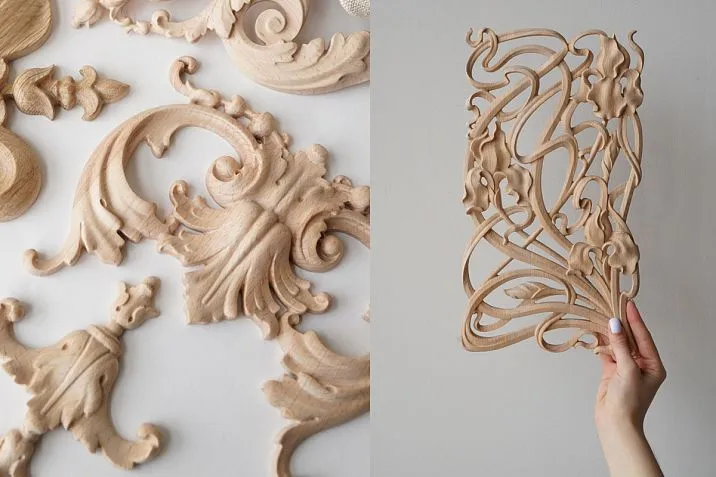
In the world of modern furniture, every detail plays a decisive role in creating a unique interior. Today, as requirements for functionality and aesthetics rapidly increase, high-qualityfurniture elements to buy become an indispensable part of the process of modernizing and updating the interior. From basic structural components to exquisite elements of the furniture facade – all this comes together as a single work of art, reflecting the taste and individuality of the owner.
In this article, we will thoroughly examine the topic of furniture elements. We will discuss what furniture elements are, how they affect the overall appearance of furniture and interiors, and also provide practical recommendations for selecting, purchasing, and installing such elements. Special attention will be given to three main requests:
● Furniture furniture elements
This article will help you make an informed choice and create an interior in which every detail contributes to your comfort, functionality, and aesthetics.


Introduction: The Significance of Furniture Elements
Furniture is not just functional items, it is an expression of style, character, and culture. Eachfurniture element is a building block, from which the harmony and thoughtfulness of the interior depend. Functional components, decorative overlays, handles, fasteners, and other small details can radically transform the appearance of furniture, make it convenient to use, and highlight the individuality of the space.
In the context of modern life's pace, when every minute counts, the ability to quickly and qualitatively update furniture using specialized components becomes especially important. At the same time, modern technologies and innovative materials allow creating items that not only meet the highest quality standards but are also true works of art.




Classification of Furniture Elements
Our factory also produces:


1. Functional Furniture Elements
Functional elements are the foundation of any furniture. They ensure the structural reliability, ease of use, and longevity of the items.
Frame and Structure
The frame is the core of any piece of furniture. It is precisely its strength that determines the stability and durability of the entire structure. When selectingFurniture furniture elements for the frame, it is important to pay attention to the quality of materials and precision of processing.
Hardware
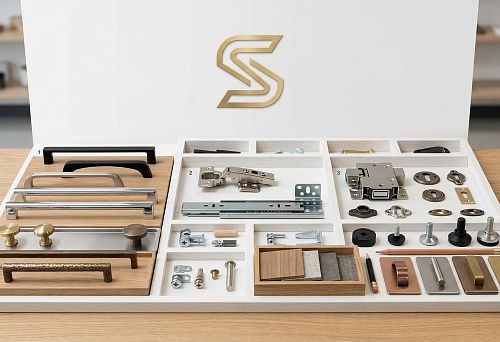
Hardware includes hinges, closers, drawer guides, transformation mechanisms, and fasteners. These components not only perform utilitarian functions but can also serve as decorative accents. For example, modern hinges with closers ensure smooth door opening, giving furniture a refined and practical look.
Transformation Mechanisms
Modern interiors require multifunctional solutions. Transformation mechanisms allow easily adapting furniture to changing needs — convertible sofas, transformable tables, and cabinets with pull-out elements are a clear example of this approach.
Get Consultation
2. Decorative Furniture Elements
Decorative elements are those small details that give furniture individuality, exclusivity, and character. They can be made in various styles and forms, creating unique compositions that cannot be reproduced using standard methods.
Inlays and Molding
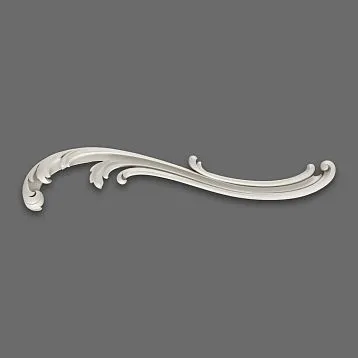
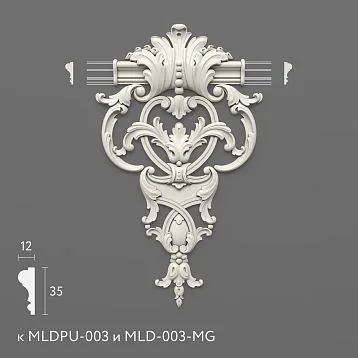
Decorative inlays and molding are used to finish furniture surfaces. They conceal joints, giving the item a sense of completeness and elegance. For example, thin molding with carved elements can emphasize a classic style, while minimalist inlays can add a modern charm.
Handles and Decorative Hardware
Handles are one of the most noticeable decorative elements. They not only make furniture easier to use but can also become a central accent in the interior. Decorative handles made from various materials (metallic, wooden, forged) allow varying the appearance of furniture and selecting solutions that perfectly match the overall style of the room.
Inlay and Decorative Carving
are not only utilitarian but also decorative parts of the item that set the tone for the entire interior. Thanks to the proper combination of decorative elements, you can create an interior that reflects your taste and individuality.
Facade furniture elements It is not only a utilitarian but also a decorative part of the item, setting the tone for the entire interior. Thanks to the proper combination of decorative elements, you can create an interior that reflects your taste and individuality.
3. Innovative Decorative Elements
Modern technologies allow incorporating innovative decorative solutions into furniture that not only beautify but also enhance functionality.
LED Lighting
Built-in LED systems allow not only to create an impressive lighting effect but also to highlight the shapes and lines of furniture. This is especially relevant for modern interiors, where every detail should contribute to creating a harmonious space.
Decorative Inserts from Composite Materials
Using modern materials, you can create decorative elements that imitate natural textures and surfaces. Such solutions allow achieving high precision and originality, combining the lightness and strength of composites with the aesthetic value of traditional materials.
Integration of smart technologies
Furniture becomes part of the "smart home" system, and decorative elements in this case may include sensors, touch controls, and even remote control components. This not only enhances functionality but also adds a modern, technological accent to the interior.
Technologies for manufacturing furniture decorative elements
Traditional Crafts
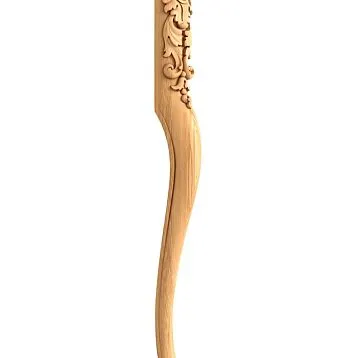
Handcrafting has always held great importance in creating decorative elements. Crafts such as wood carving, inlay, and molding are passed down from generation to generation. Masters with high skill levels create unique pieces, each with its own history and soul. These techniques require patience and meticulousness, making every detail unique.
Modern digital technologies
With the development of digital technologies, the world of furniture design is undergoing a true revolution. The use of 3D modeling, laser cutting, and CNC machines allows for the creation of decorative elements with unparalleled precision. These methods ensure high quality and uniformity of products, which is especially important for mass production.
● 3D modeling allows creating accurate virtual prototypes, in which designers can experiment with shape, texture, and details.
● Laser cutting provides ideal material processing, allowing to create complex patterns and decorative ornaments.
● CNC machines automate the manufacturing process, reducing the likelihood of errors and speeding up production.
Innovative materials
Modern manufacturers actively introduce innovative materials into the process of creating decorative elements. High-quality composites, plastics, as well as eco-friendly coatings allow creating items that combine durability and aesthetic value. Natural wood and MDF remain favorites due to their warm texture and versatility, although new materials open additional opportunities for experimenting with shape and color.
Role of decorative elements in interior design
Creating focal points
Decorative elements often become the central accent in the interior. They can draw attention to specific zones, create focal points, and set the overall tone of the space. For example, originalplastic decorative furniture elements can become a facade decoration, transforming an ordinary cabinet or table into a true work of art.
Combining styles and materials
Properly selected decorative elements help unite different stylistic directions and materials, creating a harmonious whole. Combining classic carved inserts with modern minimalist overlays can create a unique interior where traditions meet innovations.
Improving Functionality
In addition to aesthetic functions, decorative elements can also perform practical tasks. Overlays and moldings can conceal joints, improve thermal insulation, and protect furniture surfaces from wear. Decorative hardware not only adds elegance but also ensures smooth and silent operation of the item.
Practical recommendations for choosing decorative elements
1. Define the overall interior concept
Before choosing decorative elements, it is important to clearly define the style and atmosphere you want to create in your interior. Consider whether you want your home to be designed in a classic, modern, minimalist, or eclectic style. This will help you determine the choice of materials, forms, and color solutions.
2. Study the market assortment
The modern market offers a wide variety of decorative elements. Study the assortment, pay attention to technical specifications, materials used, and finishing features of the products. Do not forget about the possibility ofbuying furniture decorative elements online, which will allow you to quickly and conveniently review offers.
3. Compare prices and purchase conditions
When choosing decorative elements, it is important to find the optimal price-to-quality ratio. Compare offers from different suppliers, taking into account not only cost but also warranty obligations, delivery conditions, and presence of quality certificates. This will allow you to make an informed choice andbuying furniture decorative elementsthat will serve you for many years.
4. Consult with professionals
If you have questions or doubts, do not hesitate to seek professional advice. Designers, furniture craftsmen, and finishing specialists will help you select optimal solutions, suggest ideas for updating the interior, and provide recommendations for installing decorative elements. A professional approach will help avoid mistakes and achieve maximum effect from the selected items.
5. Consider the individual features of the project
If you plan to update the interior or create a unique design project, it is important to consider all nuances: furniture dimensions, room characteristics, functional requirements, and style preferences. The possibility to orderplastic decorative furniture elements Customizable options will allow you to create an interior that fully matches your expectations.
Where to buy furniture decorative elements
Traditional Stores and Specialized Centers
For those who prefer to personally inspect the product before purchasing, traditional stores and specialized centers are an excellent choice. Here you will be able to see the products in person, evaluate the finish quality, receive expert consultations, and select optimal solutions for your interior.
Online stores and online platforms
online, this will allow you to save time and choose the optimal solution from a wide range of options.buying furniture decorative elements online, which will allow you to save time and choose the optimal solution from a wide range of options.
Recommendations for choosing a reliable supplier
When choosing a supplier, pay attention to the following aspects:
● Reputation and experience. Reliable companies with a long history and positive reviews guarantee high product quality.
● Wide range and customization options. A good supplier offers not only standard items but also the possibility to order elements according to individual specifications.
● Warranty obligations and after-sales service. The presence of a warranty and prompt support are important indicators of reliability.
● Delivery conditions and order processing. Fast and convenient delivery, as well as clear purchase terms, will help make the process as comfortable as possible.
If you want to learn more about modern trends andbuying furniture decorative elements, visit trusted online platforms and specialized centers that will help you create the perfect interior.
Conclusion: Art in Every Detail
plastic decorative furniture elements Decorative elements are an essential part of modern interiors, combining aesthetic expressiveness, functionality, and innovative solutions. From classic appliqués and moldings to modern decorative inserts — each detail can transform the space, add individuality, and make it truly unique.
Investing in quality decorative elements not only allows you to refresh the appearance of furniture but also to create a harmonious space that will delight you every day. Use modern technologies, experiment with materials and forms, order items according to individual specifications, and create the interior of your dreams.
If you aim for your home, office, or commercial space to reflect your taste, style, and pursuit of perfection, turn to trusted suppliers andbuy furniture decorative elements already today. Visit the sitestavros.ru and learn more about the latest trends, receive professional consultations, and take the first step toward creating an interior where every detail is a true work of art.
Thus, furniture decorative elements play a key role in creating a stylish, functional, and harmonious interior. From selecting the right materials and technologies to individual customization — every detail contributes to your inspiration and comfort. Invest in quality, stay updated with modern trends, and create a space that reflects your unique personality and aesthetic taste.