Article Contents:
- Introduction: The Role of Decorative Elements in Modern Interior Design
- History and Evolution of Furniture Decorative Elements
- From Ancient Crafts to Modern Technologies
- 1. Decorative Appliqués and Mouldings
- 2. Decorative Hardware
- 3. Decorative Inserts and Wood Carving
- 4. Modern Decorative Elements from Composite Materials
- Aesthetics as the Foundation of a Harmonious Interior
- Functionality Hidden Behind Beauty
- Space Personalization
- Traditional Crafts
- Modern Digital Technologies
- Innovative materials
- Time and cost savings
- Durability and Quality
- Design Universality and Flexibility
- Ease of Interior Modernization
- Minimalism and clean lines
- Ecological and Natural Materials
- Innovative Technologies and Digital Design
- Customization and Personalization
- Synergy of Traditions and Innovations
- 1. Define the Purpose and Style of the Interior
- 2. Study the Range and Characteristics
- 3. Compare Offers from Different Suppliers
- 4. Consult with Experts
- 5. Consider Modern Trends
- Traditional Stores and Specialized Centers
- Online stores and e-commerce platforms
- Recommendations for Choosing a Supplier
Furniture is not merely functional items filling space, but a whole world of creativity, engineering craftsmanship, and aesthetic perfection. It is precisely in the small details that the secret of a unique design lies, which can radically transform the appearance of a room.furniture decorative elements They play a key role in creating a harmonious interior, combining the functions of decoration, accent, and even practical modification of basic structures. In this article, we will delve into the multifaceted world of decorative elements, examining their history, classification, manufacturing technologies, modern trends, and practical tips for selection and purchase.


Introduction: The Role of Decorative Elements in Modern Interior Design
Modern interiors strive not only to be functional but also aesthetic, individual, reflecting the character and style of the owner. Every detail matters, andfurniture decorative elements — these are the little touches that can turn an ordinary space into a work of art. They are capable of adding uniqueness even to the most standard furniture, becoming an accent or a subtle addition to the overall design.
Decorative elements perform several tasks:
● Aesthetic function. They give furniture a finished look, make it visually appealing, and highlight the interior style.
● Functional role. Sometimes decorative details serve as hardware, ensuring ease of use, durability, and even improving the ergonomics of furniture.
● Individualization. The ability to choose unique decorative solutions allows creating exclusive interiors that reflect personal taste and preferences.
Thus, understanding how to properly use and combinefurniture decorative elementsbecomes the key to creating an interior that will delight the eye and serve as a source of inspiration for many years.




History and evolution of furniture decorative elements
Our factory also produces:


From ancient crafts to modern technologies
The history of furniture design spans thousands of years. In ancient civilizations such as Egypt, Greece, and Rome, furniture was already adorned with carving, inlays, and gilding, highlighting the status and wealth of its owners. These first decorative elements were not only a means of expressing aesthetics but also symbols of cultural heritage.
Over time, material processing technologies significantly improved. In the Middle Ages, craftsmen created massive wooden pieces adorned with hand-carved details, which retained their value until today. The Renaissance brought to furniture art elegance of lines, symmetry, harmony, and new methods of processing wood and metal.
In the 20th century, with the development of industrial production and the emergence of new materials, decorative elements became more diverse. Modern technologies such as laser cutting and computer modeling allow creating complex patterns and unique constructions that were previously considered impossible. Todayfurniture decorative elements represent a synthesis of traditional crafts and innovative technologies, making them popular worldwide.
Get Consultation
Classification of furniture decorative elements
1. Decorative appliqués and moldings
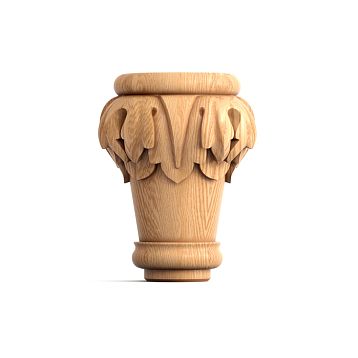
Decorative appliqués and moldings are elements that serve to give furniture a finished look. They can conceal joints, create visual lines, and emphasize the overall style of the piece. Moldings come in various forms: from classic ones with elegant curves to ultra-modern straight lines. Thanks to their versatility, they easily combine with other decorative elements.
2. Decorative hardware
Hardware is an indispensable part of any furniture, serving both functional and decorative roles. Here we can distinguish:
● Handles and locks. They can be made of metal, forged, enameled, or even using glass. Properly chosen handles can emphasize interior style and become a striking accent.
● Hinges and closers. Modern solutions allow making the process of opening and closing furniture smooth and silent, and the design of such elements can vary from minimalist to ornate.
3. Decorative inserts and wood carving
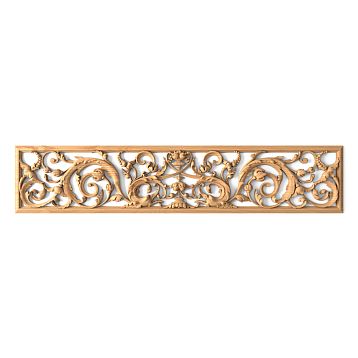
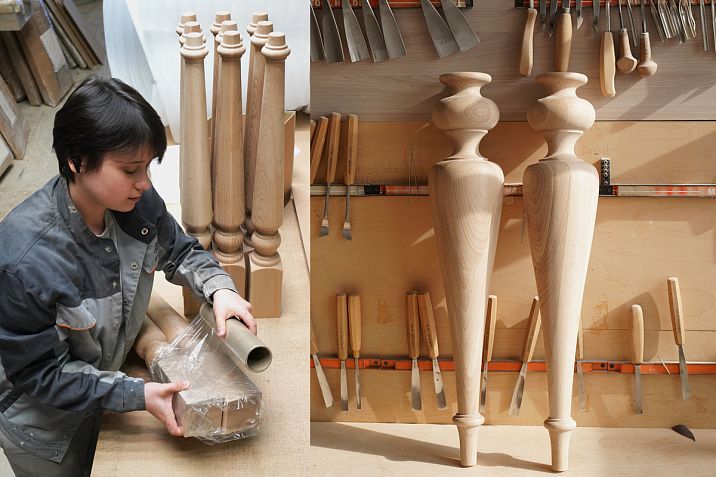
Wood carving is one of the oldest techniques for decorating furniture. Handcrafted work by masters transforms an ordinary item into a true work of art. Decorative wooden inserts, executed in classic or modern styles, can become a central element of the interior, giving it a unique charm and individuality.
4. Modern decorative elements made of composite materials
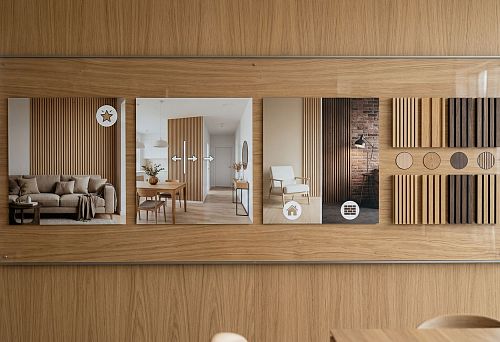
With the emergence of new technologies, designers are aided by composite materials and high-quality plastics. They allow creating lightweight yet durable decorative elements capable of imitating natural textures and surfaces. Such items are ideal for minimalist interiors, where every detail matters.
Significance of furniture decorative elements in modern design
Aesthetics as the foundation of a harmonious interior
Modern interior design is based on principles of harmony, balance, and wholeness. Eachfurniture element must be thought out in detail to collectively form a unified whole. Decorative elements help emphasize style, add individuality, and create visual accents that attract attention and set the tone for the entire space.
Functionality hidden behind beauty
In addition to aesthetic function, decorative elements also perform practical roles. For example, decorative appliqués can conceal joints, and decorative hardware can improve the usability of furniture. Thus,furniture decorative elements combine beauty and functionality, transforming ordinary items into masterpieces of modern design.
Personalization of space
with unique characteristics allows to realize even the most daring design ideas and create a unique image of your home or office.order a furniture element With unique features, it allows you to realize even the most daring design ideas and create a unique look for your home or office.
Manufacturing Technologies of Furniture Decorative Elements
Traditional Crafts
Handmade work and craft traditions remain an indispensable part of the production of decorative elements. Masters with years of experience use traditional carving, inlay, and finishing techniques, creating items that are distinguished by their uniqueness and artistic value. Such elements will always be in demand for their unique charm and high quality of execution.
Modern digital technologies
In modern production of decorative elements, digital technologies are actively used. Computer modeling (CAD) allows creating accurate 3D models of products, while CNC machines and laser cutting ensure high precision and perfect repeatability of details. This not only speeds up the manufacturing process but also allows creating items with unique decorative patterns that cannot be reproduced using traditional methods.
Innovative materials
With the development of technologies, new materials appear that allow creating decorative elements with innovative properties. Composites, high-quality plastics, and modern coatings enable imitation of natural material textures while improving the strength and durability of the items. Such solutions are used both in mass production and in custom orders, where each detail is created according to specific requirements and preferences of the customer.
Advantages of Using Furniture Decorative Elements
Time and Cost Savings
Using ready-made decorative elements allows significantly reducing the time required to create and update the interior. Instead of waiting for a custom order, you can purchase standard items that will fit perfectly into any design. This is especially relevant for those who want to quickly transform their space without spending time on lengthy renovations.
Durability and quality
High-quality decorative elements, manufactured according to strict standards, can serve for many years, retaining their original appearance and functionality. Modern technologies allow minimizing the likelihood of defects and ensuring high quality of each item. This means that even under intensive use, decorative elements will retain their beauty and strength.
Versatility and Design Flexibility
Furniture decorative elements provide wide opportunities for creativity. They allow adapting standard furniture items to individual interior requirements. Combining different materials, textures, and colors enables creating unique compositions that reflect modern style and the owner's individuality.
Ease of Interior Modernization
Replacing individual decorative elements can radically change the appearance of furniture without the need to replace the entire item. This allows updating the interior as tastes and preferences change, while preserving the base furniture. Investments in quality decorative elements pay off due to their longevity and the possibility of partial modernization.
Modern Trends in the World of Furniture Decorative Elements
Minimalism and Clean Lines
Modern interiors often strive for simplicity, minimalism, and functionality. Minimalist decorative elements with clean lines and neutral colors allow creating a sense of lightness and space. Such solutions are especially popular in high-tech, Scandinavian design, and contemporary minimalist interiors.
Ecological and Natural Materials
With growing environmental awareness, more consumers prefer items made from natural materials. Wood, natural stone, eco-friendly varnishes and paints have become the basis for creating decorative elements that are not only beautiful but also safe for health. furniture decorative elements Made from natural wood and MDF with wood grain imitation remain in demand for their warm and cozy appearance.
Innovative Technologies and Digital Design
New technologies such as 3D modeling, laser cutting, and digital printing allow creating unique decorative patterns and complex compositions. These innovative methods expand designers' possibilities, enabling them to realize the most daring ideas. Modern decorative elements can combine high functionality with aesthetic refinement, which is especially important for creating individual interiors.
Customization and personalization
Modern consumers increasingly seek uniqueness. The ability to order decorative elements according to individual parameters allows creating furniture that fully corresponds to personal preferences and interior specifics. Individual solutions, executed according to precise measurements, materials, and design concepts, become an important element of exclusive interiors.
Synergy of Traditions and Innovations
Combining traditional crafts and modern technologies becomes the key to creating unique decorative elements. Hand carving, inlay, traditional finishing techniques combined with digital technologies allow creating items with unique aesthetics and high quality of execution. Such synergy enables preserving historical heritage while adapting it to modern requirements.
Practical Tips: How to Choose and Where to Buy Furniture Decorative Elements
1. Define the purpose and style of the interior
Before choosing decorative elements, it is important to clearly define what role they should play in the interior. If your goal is to create an accent element, pay attention to bright and original solutions. For creating harmony and completeness of the image, more restrained and universal options are suitable. Knowing furniture decorative elements will help you navigate the vast assortment.
2. Study the assortment and characteristics
Study technical descriptions, materials of manufacture, and design features of the offered items. Pay attention to the quality of processing, wear resistance, and durability. Modern manufacturers pay great attention to details, so it is worth choosing items made according to strict quality standards.
3. Compare offers from different suppliers
Do not limit yourself to one source. Compare prices, delivery conditions, warranty obligations, and customer reviews. Reliable online stores such as stavros.ruThey offer a wide range, allowing you to find the optimal price-to-quality ratio.
4. Consult with experts
If you have any doubts or questions, do not hesitate to consult with specialists. Professional designers and consultants will help you select items that perfectly fit your interior and highlight its individuality. Orderfurniture decorative elements according to individual parameters to create a truly unique space.
5. Consider modern trends
Stay updated with new trends in interior and design. Today, minimalism, eco-friendly materials, innovative technologies, and customization are in vogue. Choose decorative elements that not only meet your functional requirements but also reflect current trends, making your interior fresh and stylish.
Where to buy furniture decorative elements
Traditional Stores and Specialized Centers
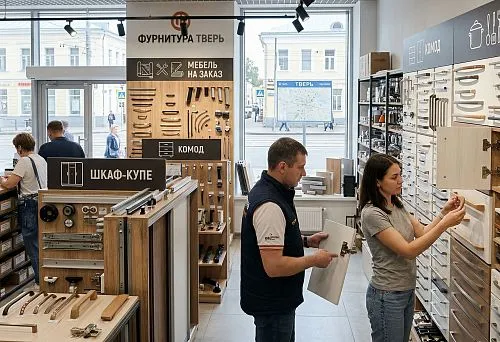
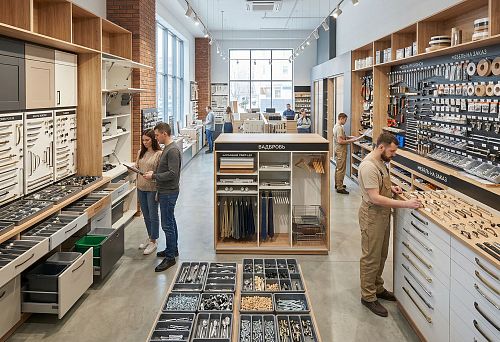
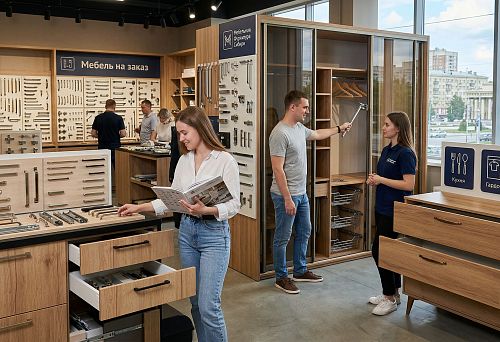
Many designers and furniture craftsmen prefer to turn to specialized centers, where a wide range of decorative furniture elements is presented. Such stores allow you to see the products in person, assess the finish quality, and receive professional recommendations.
Online stores and online platforms
Modern technologies allow you to easilybuy furniture decorative elements online. On the websites of verified suppliers, you will find detailed descriptions, photos, customer reviews, and technical specifications of the items. This enables you to make an informed choice, compare offers, and place an order in just a few clicks.
Supplier Selection Recommendations
When choosing a store, pay attention to the following aspects:
● Reputation and experience. Reliable suppliers with a long history of operation and positive reviews guarantee product quality.
● Warranty obligations. The presence of a warranty on decorative elements is an indicator of the supplier's confidence in the quality of their products.
● Range and customization options. Choose stores that offer not only standard solutions but also the possibility to order items according to individual parameters.
● Delivery and service conditions. Prompt delivery and professional support will help make the purchasing process comfortable and secure.
If you are looking for where tobuy furniture decorative elementsPay attention to specialized online stores that regularly update their inventory and offer the best prices.
Conclusion: Furniture decorative elements – the key to a unique interior
furniture decorative elements play a decisive role in creating a harmonious, stylish, and functional interior. They not only give furniture a finished look but also help highlight the uniqueness of the space, making it truly distinctive. From classic appliqués and handles to innovative design solutions – every detail can transform your home, office, or commercial space.
Using modern technologies and materials, manufacturers create items that meet the highest quality standards. Regardless of whether you want to update old furniture, restore antiques, or create a new design, the right choice of furniture decorative elements will be the key to the success of your project.
If you aim for your interior to reflect your unique style, turn to trusted suppliers andorder furniture decorative elements according to individual parameters. Visitstavros.ru and learn more about the latest trends, innovative solutions, and wide product range.
Invest in quality, experiment with new ideas, and create an interior where every detail serves your inspiration and comfort. After all, true art lies in the details, and furniture decorative elements can turn any space into a true masterpiece.
Thus, furniture decorative elements are an indispensable part of modern interior design, combining functionality, aesthetics, and innovation. They allow you to create unique spaces that reflect your taste, style, and pursuit of perfection. From traditional craftsmanship to digital technologies, from classic to minimalist – every detail plays its part in creating a harmonious interior that will delight you every day. Visitstavros.ru today and take the first step toward creating the interior of your dreams, where every detail is a work of art.