












































































Article Contents:
- Architecture of Choice: Fundamental Principles
- Mathematics of Space
- Stylistic Harmony: Creating a Cohesive Look
- Color solutions
- Material Science: Foundation of Durability
- Natural Wood
- Composite materials
- Functional Planning: Maximum Utility
- Transformable Furniture
- Storage systems
- Specific Selection for Different Zones
- Bedroom: Intimacy and Peace
- Bedroom: oasis of peace
- Kitchen: Center of Family Life
- Office Furniture: Productivity and Health
- Work Desk
- Office Chair
- Ecological Safety
- Quality Certifications
- Coating finishes
- Modern Trends in Furniture Design
- Technological Innovation
- Eco-Friendly Materials
- Minimalism and Functionality
- Budget Planning and Cost Optimization
- Purchase Prioritization
- Alternative options
- Care and Extending Lifespan
- General Care Guidelines
- Preventive Maintenance
- Psychology of Space and the Impact of Furniture
- Color Psychology
- Forms and Lines
- Regional characteristics and climate
- Humid climate
- Dry Climate
- Sharp Temperature Fluctuations
- The Future of the Furniture Industry
- Personalization
- Sustainable development
- Conclusion
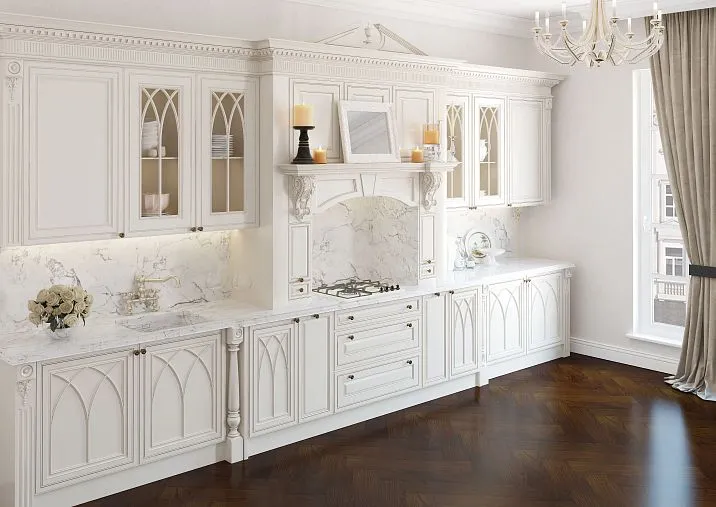
Every home tells the story of its inhabitants through its atmosphere. And do you know that the art of how to choose furniture has become a true science? In an era when interior solutions determine not only comfort but also the quality of life, the ability to choose the right furniture has become a fundamental skill for modern people.
Furniture is not just a set of items filling space. It is the unique DNA of your home, reflecting your character, preferences, and life principles. The energy of the space, productivity, and emotional state of everyone within it depend on how well the furnishings are chosen.


Architecture of Choice: Fundamental Principles
A thoughtful approach to choosing furniture begins with understanding that every decision must be justified. Impulsive purchases of beautiful but unsuitable items turn a home into a chaotic pile of incompatible elements.
The modern market offers an incredible variety of solutions: from mass-produced items to exclusive designer creations. However, the richness of choice can become a trap for inexperienced buyers. Understanding basic principles will help navigate this diversity and make informed decisions.




Mathematics of Space
The primary task is to create an accurate floor plan of the room, indicating all dimensions. Many make a critical mistake by relying on visual estimation of dimensions. The result is predictable: purchased items either do not fit in the allocated space or appear disproportionate.
Measure not only the length and width of the room, but also the height of the ceiling, dimensions of door and window openings. Take into account the placement of radiators, outlets, and switches. These, seemingly minor details, can significantly affect furniture arrangement.
When planning, be sure to provide passages between furniture items. The minimum width of a passage should be 60-80 cm for comfortable movement. Near functional zones — beds, desks, chairs — additional space should be left for convenient use.
Our factory also produces:


Stylistic Harmony: Creating a Cohesive Look
Choosing a stylistic direction determines the character of the entire interior. Each style has its own features that must be considered when selecting furniture.
Minimalism requires extreme simplicity in form and color solutions. Here, furniture with clean geometric lines and no decorative excesses is appropriate. The color palette is limited to neutral shades: white, gray, black, beige.
Classic style implies the use of natural materials, traditional forms, and time-tested solutions. Furniture made of solid wood with carved, gilded, or patinated elements creates an atmosphere of nobility and respectability.
Modern style allows experimenting with forms, materials, and colors. Here, glass and metal, wood and plastic combine organically, creating dynamic and functional compositions.
Get Consultation
Color Solutions
The color of furniture should harmonize with the overall color scheme of the interior. There are several approaches to color planning:
Monochromatic approach is based on using various shades of one color. This solution creates a calm, soothing atmosphere, but requires mastery of nuances.
Contrast approach is built on combining opposite colors from the color wheel. Bright accents enliven the space, but require careful dosing.
Analogous scheme uses adjacent colors from the color wheel, creating soft, natural transitions.
Material Science: The Foundation of Durability
Material selection determines not only the appearance of furniture but also its performance characteristics. Understanding the properties of different materials will help make an informed choice.
Natural wood
Solid wood remains the benchmark for quality and eco-friendliness. Different types of wood have unique characteristics:
Oak is a symbol of strength and longevity. Furniture made of oak can serve for centuries, acquiring a unique noble patina with age.
Beech has a uniform structure and is easy to process. It is ideal for making chairs and tables.
Spruce is an affordable option among coniferous species. Easy to work with, but requires protective coating against moisture and mechanical damage.
Walnut is valued for its beautiful texture and high strength. Furniture made of walnut always looks respectable and expensive.
Composite materials
Modern composite materials offer an optimal price-to-quality ratio:
MDF is made from wood fibers pressed under high pressure. The material has a uniform structure and holds hardware well.
Laminated particleboard is a wood-based panel with a laminated finish. A wide range of decorative options allows them to imitate any material.
Birch plywood is characterized by high strength and eco-friendliness. Often used for making frames of soft furniture.
Functional Planning: Maximum Utility
Modern furniture should not only be beautiful but also maximally functional. This is especially relevant for small spaces, where every square meter must be used with maximum efficiency.
Transformable Furniture
Transformable furniture solves the problem of space shortage, allowing one item to perform several functions:
Sofa-bed — a classic solution for a living room that is occasionally used as a guest bedroom.
The transformable table can adjust its size depending on the situation: from a compact coffee table to a full-sized dining table.
The bed-closet frees up room space during the day and transforms into a full-sized sleeping area at night.
Storage systems
Well-organized storage is the foundation of order in the home. When choosing storage systems, consider:
Built-in solutions maximize space usage, especially in niches and under stairs.
Modular systems allow creating configurations of any complexity and easily adapt to changing needs.
Multi-functional items combine storage with other functions: ottomans with internal volume, beds with drawers, tables with shelves.
Specific selection criteria for different zones
Each room in the house has its own characteristics that must be considered when choosing furniture.
Living room: the heart of the home
The living room is a place where the whole family gathers, so the furniture should be comfortable and encourage conversation. The sofa is usually the centerpiece. When choosing a sofa, consider:
The size should match the room's area. In a small room, a compact two-seater sofa is suitable; in a spacious living room, a large corner or modular sofa is better.
The transformation mechanism affects usability. A European-style sofa is suitable for daily use, while an accordion-style sofa is better for occasional use.
The upholstery should be practical and match the family's lifestyle. Families with children will benefit from fabrics with stain-resistant properties.
Bedroom: oasis of peace
In the bedroom, the main item is the bed. Its quality affects sleep quality and, consequently, health and productivity. When choosing a bed, consider:
The sleeping space size should ensure comfort for everyone who will sleep on it. Standard sizes: single — 90×200 cm, double — 120×200 cm, queen — 160×200 cm or 180×200 cm.
Height affects usability. The optimal height is 45–50 cm from the floor to the top of the mattress.
The frame material determines the durability of the structure. A metal frame is stronger than a wooden one, but wood creates a more cozy atmosphere.
Kitchen: the center of family life
Kitchen furniture must withstand high humidity, temperature fluctuations, and intensive use. Key requirements:
Water resistance is a mandatory property for kitchen furniture. Facades must have protective coatings that prevent moisture absorption.
Heat resistance is especially important for elements located near the stove and oven.
Ease of maintenance — surfaces should be easy to clean and not absorb odors.
Office furniture: productivity and health
Choosing office furniture affects employee productivity and health. When selecting furniture for a workstation, consider ergonomic principles.
Work desk
The desk height should match the user's height. A standard height of 75 cm is suitable for people 170–180 cm tall. For other height categories, adjustable desks are preferable.
The size of the work surface depends on the nature of the activity. For document work, a 120×60 cm desk is sufficient; for drafting, a larger surface is needed.
The desk top material should be resistant to mechanical damage and easy to maintain.
Office chair
A quality office chair is an investment in spinal health. Key parameters:
Height adjustment allows the chair to be adapted to the user's height.
Lumbar support reduces strain on the spine during prolonged work.
The quality of mechanisms determines the longevity of the chair. The gas lift should operate smoothly and securely fix the height.
Oak skirting boards are an indispensable element of classic interior styles. In the English style, oak skirting boards with rich carving emphasize the aristocracy and solidity of the space. Dark wood tones harmonize beautifully with traditional materials — natural stone, leather, bronze.
Modern consumers are paying more attention to the eco-friendliness of furniture. When choosing, pay attention to:
Quality Certificates
Formaldehyde emission class is an important indicator for furniture made of composite materials. Class E1 is considered safe for residential spaces.
FSC certification guarantees that the wood comes from sustainably managed forests.
Ecolabels from various countries confirm that the product meets ecological standards.
Paint and varnish coatings
Prefer water-soluble varnishes and paints that do not contain volatile organic compounds. Avoid furniture with strong chemical odors — this is a sign of using low-quality materials.
Modern Trends in Furniture Design
Furniture trends, like fashion in clothing, are constantly evolving. Knowing current trends will help create a modern and stylish interior.
Technological Innovation
Smart furniture is becoming increasingly popular. Tables with wireless gadget charging, cabinets with LED lighting, beds with built-in USB ports — technologies are seamlessly integrated into familiar items.
The Internet of Things allows remote control of furniture. Massage chairs with smartphone apps, temperature-controlled mattresses, tables with scheduled height adjustment.
Eco-Friendly Materials
The trend toward eco-friendliness has led to the emergence of new materials:
Recycled plastic is used to manufacture outdoor and children's furniture.
Bamboo is a fast-renewable material with excellent performance characteristics.
Hemp fiber is used to make upholstery fabrics.
Minimalism and functionality
Modern furniture tends toward minimalist forms and maximum functionality. Scandinavian style, with its simplicity and naturalness, remains one of the most popular directions.
Budget planning and cost optimization
The right approach to choosing furniture allows you to create a stylish interior even with a limited budget.
Prioritizing purchases
Start with basic items: beds, sofas, dining tables. Decorative elements can be added gradually.
Invest in quality for items used daily. A good mattress, a comfortable office chair, quality kitchen cabinetry will justify the cost with long-term service.
Alternative Options
Transformable furniture replaces several items, which is economically advantageous.
Modular systems allow you to start with a basic configuration and expand as needed.
DIY-style furniture can become an interesting hobby and a way to save money.
Care and extending lifespan
Proper care of furniture not only preserves its appearance but also extends its lifespan.
General care rules
Regular cleaning prevents the accumulation of dirt. Use specialized products for each material type.
Protection from direct sunlight prevents fading of upholstery and wooden surfaces.
Humidity control is especially important for wooden furniture. Optimal humidity — 40-60%.
Preventive maintenance
Joint tightening should be performed regularly, especially for furniture that is frequently used.
Updating finishes will help maintain an attractive appearance for many years.
Replacing hardware can dramatically refresh the appearance of furniture at minimal cost.
Psychology of space and the influence of furniture
Furniture affects not only the functionality of space but also the psychological state of people. Understanding these mechanisms will help create a harmonious atmosphere.
Color psychology
Warm colors (red, orange, yellow) stimulate activity and create a cozy atmosphere.
Cool colors (blue, green, purple) calm and prepare for focused work.
Neutral colors (white, gray, beige) create a backdrop for other interior elements.
Shapes and lines
Smooth lines soothe and relax.
Clear geometric shapes organize space and prepare for work.
Asymmetry creates dynamism and attracts attention.
Regional characteristics and climate
When selecting furniture, regional climatic conditions must be taken into account.
Humid climate
In regions with high humidity, pay special attention to the moisture resistance of materials. Prefer furniture with protective coatings.
Dry climate
In arid regions, wooden furniture may crack. Additional protection of wood and control of room humidity are necessary.
Sharp temperature fluctuations
In regions with a continental climate, furniture is subjected to significant temperature loads. Choose stable materials that are not prone to deformation.
The future of the furniture industry
The furniture industry is rapidly developing, offering new solutions.
Personalization
3D printing allows creating unique items according to individual parameters.
Virtual reality helps assess how furniture will look in the interior before purchase.
Artificial intelligence analyzes user preferences and suggests optimal solutions.
Sustainable development
Circular economy implies multiple use of materials and minimization of waste.
Biodegradable materials will become an alternative to traditional composites.
Local production will reduce carbon footprint and support local economy.
Conclusion
The ability to correctly Choose furniture It is an art that can and should be learned. The foundation lies in basic principles: understanding needs, proper space planning, knowledge of materials and technologies. But equally important are intuition, sense of style, and understanding that a home should reflect the personality of its inhabitants.
The modern market offers limitless opportunities to create unique interiors. From budget solutions to exclusive designer projects — everyone can find furniture that suits their needs and possibilities. The key is to approach selection thoughtfully, considering all factors: from functionality to eco-friendliness.
Furniture is an investment in quality of life. Properly chosen furnishings serve for decades, creating comfort and pleasing the eye. In today’s world, where the home has become a multifunctional space for work, rest, and creativity, the value of quality furniture is hard to overestimate.
STAVROS Company understands the importance of proper furniture selection and offers its clients not just quality products, but also expert support at every stage of creating the dream interior. Because every home is unique, just like the people who live in it.





