Article Contents:
- Philosophy of English style: tradition as value
- Aristocracy without pretentiousness
- Functionality and Comfort
- Respect for craftsmanship
- Color palette of English style: depth and nobility
- Dark green: the color of English hills
- Burgundy: the color of aged wine
- Brown: from walnut to mahogany
- Blue: from navy to gray-blue
- Materials of English style: wood, leather, textiles
- Dark wood: walnut, mahogany, stained oak
- Leather: upholstery with character
- Textiles: wool, velvet, chintz
- Furniture for the English study: the heart of the home
- Writing desk: the workstation
- Bookcases: floor to ceiling
- Chesterfield armchair: an icon of English style
- Fireplace: architectural and emotional centerpiece
- Furniture for the English living room: coziness and formality
- Sofa: the centerpiece
- Armchairs: paired or single
- Sideboard or buffet: storage for formal dinnerware
- Dining table: for family meals
- Interior decor of English style: panels and moldings
- Wooden panels: English tradition
- Moldings and cornices: wall architecture
- Ceiling beams: creating structure
- Lighting in English interiors: soft and multi-layered
- Chandeliers: classic forms
- Table lamps: localized lighting
- Floor Lamps: Reading Light
- Sconces and Candles: Additional Sources
- How STAVROS Creates an English Interior
- Study Furniture
- Furniture for the Living Room
- Interior decoration
- Custom Design
- Frequently Asked Questions
- What's the Difference Between English and French Style?
- What Wood is Best for English Furniture?
- Is Leather Upholstery Mandatory in English Style?
- Can You Create an English Style Without a Fireplace?
- What Wall Color to Choose for an English Study?
- Are Rugs Needed in an English Interior?
- How to Care for Wooden Furniture in English Style?
- How Much Does It Cost to Create an English Study?
- Can You Mix English Style with Modern?
- Where to Buy Authentic English Furniture in Russia?
- Conclusion: English Style as a Lifestyle

Rain outside the window. The crackling of logs in the fireplace. The scent of leather and aged wood. A Chesterfield armchair by the fire, a book in hand, a glass of whiskey on the side table. This is not a set piece; it's English style—a way of life, a philosophy of coziness where luxury doesn't shout but whispers. Where quality matters more than quantity, where tradition isn't museum-like but alive.
English Style Furniture—these are not just interior items; they are witnesses to history. Every armchair remembers generations, every bookcase holds not only volumes but also the atmosphere of leisurely evenings when time flows slowly, when the main thing is not to hurry but to be. English style was born in manor houses, where homes were built for centuries, where furniture was passed from father to son, where quality was not a choice but the only standard.
Today, English style is the choice of those tired of fashion trends that change every season. It's a style for people who value constancy, reliability, and the nobility of materials.Classic Furniturein the English spirit does not age morally because it is beyond fashion. It was relevant a hundred years ago, is relevant now, and will be relevant in a hundred years. Because it is based on principles, not trends.



Philosophy of English Style: Tradition as a Value
English style evolved over centuries, absorbing influences from different eras: Georgian (18th century, symmetry, classical proportions), Victorian (19th century, eclecticism, blending styles), Edwardian (early 20th century, simplification, elegance). But common threads run through all eras: respect for wood, love for leather, the cult of the fireplace, a library-like atmosphere.




Aristocracy Without Pomposity
English aristocracy differs from French or Italian. French luxury is demonstrative, Italian is expressive, English is restrained. An English lord does not flaunt wealth—he knows it exists, and that is enough. Furniture is sturdy but not flashy. Fabrics are expensive but in muted tones. Decor is present but does not dominate.
This restraint creates a special atmosphere: dignity without arrogance, confidence without aggression, comfort without laxity. An English living room with a fireplace is a place where it's pleasant to spend an evening, but posture remains straight, conversation is quiet, laughter is restrained. This is not coldness; it's upbringing, respect for the space, for those present, for tradition.
Our factory also produces:


Functionality and Comfort
English style is practical. Furniture is beautiful, but the main thing is that it is functional. An armchair is not just a decorative object but a place where it's comfortable to read for hours. A writing desk is not just a surface but a workstation with drawers, compartments, and thoughtful ergonomics. A bookcase is not just storage but an organized system where every volume is in its place.
Comfort in English style does not mean softness. An English armchair is firmer than an Italian one, the back is straighter, the armrests are higher. But this is the comfort of posture, support, and long sitting without fatigue. English furniture doesn't lull you into a doze (like French furniture) but keeps you in a state of wakeful repose—you read, write, think, but do not sleep.
Get Consultation
Respect for Craftsmanship
English furniture is made by hand by craftsmen passing down skills through generations. Mortise and tenon joints (without nails, using wood glue), hand carving (each element is unique), multi-layer finishing (oil, wax, patina, hand polishing). This is slow work requiring patience, precision, and a feel for the material.
Result: furniture that lasts for centuries. English antique pieces from the 18th-19th centuries are still functional, not loose, not warped. Because they were made correctly, from the right materials, using the right methods. ModernEnglish Style Furnitureinherits these methods, does not cheapen the technology, does not sacrifice quality for speed or economy.
Color palette of the English style: depth and nobility
The English style avoids bright colors. The palette is dark, saturated, noble: shades of brown, green, burgundy, blue. The colors are muted, as if faded by time, patinated by history.
Dark green: the color of English hills
Dark green (hunter green, forest green) is a characteristic color of English interiors. The color of moss, old oaks, hills after rain. Dark green walls in a study create intimacy, concentration, a library atmosphere. Dark green upholstery on a sofa or armchair is a classic of the English living room.
Green in the English style is not bright, not acidic, not lime green. It is a deep, almost black green that reads as green in daylight and as dark gray under artificial light. Green pairs with brown wood (oak, walnut), burgundy textiles, and brass hardware.
Burgundy: the color of old wine
Burgundy (burgundy, claret) is the color of wine, old leather bindings, velvet drapes. Burgundy walls in a dining room create solemnity, an evening atmosphere, and appetite (red shades stimulate appetite). Burgundy upholstery on chairs, a burgundy carpet are classic elements of English interior.
Burgundy is not scarlet, not vermilion, not crimson. It is a dark, muted red with a brown undertone. A color that does not shout but glimmers, creating depth, richness without vulgarity. Burgundy pairs with dark wood, golden patina, cream walls.
Brown: from walnut to mahogany
Brown is the base color of the English style, the color of wood. But not just any wood, but noble species: walnut (rich dark brown with a reddish hue), mahogany (deep brown with a red sheen), stained oak (medium-brown, with pronounced grain).
Brown furniture in the English style is not painted, but stained: the wood grain is visible, emphasized, alive. The staining is deep, multi-layered: stain impregnation, sanding, re-staining, oil, wax, hand polishing. The result: a color that does not sit on the surface but emanates from within the wood.
Blue: from dark blue to gray-blue
Blue in the English style is the color of aristocracy (royal blue, navy blue). Dark blue walls in a living room create evening elegance, depth, an association with the night sky. Gray-blue (wedgwood blue) is the color of famous English porcelain, softer, lighter, for bedrooms, boudoirs.
Blue pairs with white (classic English combination: dark blue + white molding), with brown (blue walls + brown furniture), with brass (blue + golden metal). Blue in textiles: velvet blue cushions, blue drapes, a blue carpet with a pattern.
Materials of the English style: wood, leather, textiles
Materials in the English style are natural, expensive, durable. No substitutes, imitations, cheap alternatives. English furniture is made from solid wood, upholstered in genuine leather, draped in wool.
Dark wood: walnut, mahogany, stained oak
EnglishClassic Furnituretraditionally made from dark wood. Walnut is a favorite of English cabinetmakers, valued for its rich color, strength, and ability for fine workmanship. Mahogany is an exotic species, imported to England since the 18th century, becoming a symbol of Victorian luxury. Stained oak is a classic, a universal species, colored in dark tones (wenge, bog oak).
Wood in the English style is processed to smoothness but retains its grain (not hidden by enamel). Finish: oil-wax (penetrates the wood pores, protects, emphasizes the grain, creates a matte surface, pleasant to the touch) or shellac (traditional English varnish from lac insect resin, creating a deep shine, patinated by time).
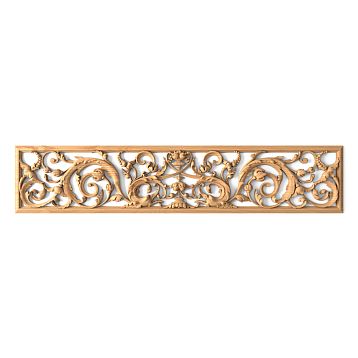
Carving in English furniture is restrained: geometric patterns (guilloche, fluting), stylized plant motifs (oak leaves, acorns, grapevines), heraldic (lions, shields, crowns). Ornate Baroque carving is avoided (too continental, not English).
Leather: upholstery with character
Leather is an essential material in English interiors. Leather upholstery on armchairs, sofas, chairs creates tactile luxury, scent (genuine leather smells noble), visual depth (leather patinates over time, acquiring individuality). English leather is thick (1.5-2 mm), tanned with vegetable tannins (traditional method, long, expensive, but creating strength, elasticity).
Leather color: brown (from light brown cognac to dark brown chocolate), burgundy (oxblood, the color of dried blood, a classic of English clubs), dark green (rare but aristocratic). Leather often features button tufting (capitonné, button tufting) – upholstery with recessed buttons, creating relief, depth, the recognizable texture of a Chesterfield armchair.
Leather does not age over time, but becomes refined. Wear on armrests, patina on the back, small scratches are not defects, but evidence of life, giving the furniture character, history. English furniture is not afraid of use; it is made for it.
Textiles: wool, velvet, chintz
Textiles in English interiors are natural, textured. Wool – for blankets (tartan plaids, thick, warm, draped over the back of a chair), for drapes (heavy woolen curtains, blocking cold, creating intimacy). Velvet – for upholstering armchairs, cushions (soft, deep, noble, in dark green, burgundy, blue). Chintz – for light curtains, bed linen (cotton with printed patterns, flowers, stripes, checks).
Textile patterns: tartan (symbol of clan affiliation, became a classic of English style), stripe (regatta, classic blue-white or red-white stripe), floral (chintz, with roses, peonies, characteristic of English cottages), damask (classical repeating pattern, for drapes).
Textiles are layered: heavy drapes + light sheer curtains, a bedspread on the bed + decorative cushions, a carpet on the floor + a blanket on the armchair. Layering creates coziness, warmth, protection from drafts (relevant for the humid English climate).
Furniture for the English Study: The Heart of the Home
The study is the heart of the English home. Here, the master of the house works, reads, receives guests, and holds business meetings.Study designIt requires careful thought: furniture is functional, lighting is task-oriented, and the atmosphere is focused yet cozy.
Writing Desk: The Workstation
An English writing desk is substantial (width 150-180 cm, depth 80-90 cm, height 75-76 cm), made of dark wood, with numerous drawers. A typical option is a pedestal desk (two pedestals on the sides, each with 3-4 drawers, connected by a top). The desktop is leather (an insert of natural leather in a wooden frame, embossed with a gold border around the perimeter) or wooden (solid wood with a natural grain).
Desk drawers: pull-out, on wooden runners (traditional, no metal, they slide smoothly and silently), with brass locks (small locks, key-operated, for confidential documents). Hardware: brass drop handles (classic shape, patinated, creating a soft sheen on the dark wood).
The desk is placed by the window (natural light for daytime work) or perpendicular to the window (light falls from the left if you are right-handed). Behind the desk is a leather chair (office-style, on casters, but classic in form, with a high back, armrests). In front of the desk are two visitor chairs (without casters, stationary, but comfortable).
Bookcases: Floor-to-Ceiling
An English study is unthinkable without books. Bookcases occupy an entire wall (from floor to ceiling, corner to corner), creating a library-like feel. The cases are either glazed (with glass-fronted doors that protect books from dust while displaying their spines) or open (without doors, making books accessible but requiring regular cleaning).
Bookcase construction: sectional (several sections, each 60-100 cm wide, placed side by side to form a single wall). Shelves are adjustable (in height, for books of different formats). Material: solid oak, walnut, mahogany, stained in dark tones, finished with oil or shellac.
The upper shelves (above 180 cm from the floor) are inaccessible without a ladder. A library ladder (freestanding, wooden, with hooks that catch onto a horizontal rod attached to the top of the bookcase) is not just a tool but a decorative element, a symbol of a true library.
Bookcase decor: cornice (an upper molding with a profile, crowning the bookcase, creating architectural interest), plinth (a lower molding, raising the bookcase 10-15 cm off the floor), pilasters (vertical half-columns at the edges of sections, with capitals and bases). The decor is restrained, not overloaded, emphasizing the architecture rather than hiding it.
Chesterfield Armchair: An Icon of English Style
A Chesterfield is a type of armchair or sofa with characteristic deep button tufting, high arms (level with the back), and a low seat. Upholstery is leather, in brown or burgundy, with recessed buttons creating deep relief.
The Chesterfield in the study is placed by the fireplace (if there is one) or against a side wall, creating a relaxation area. One does not work on a Chesterfield (the back is low, not supportive for writing posture), but reads, converses, or drinks whiskey after work. The Chesterfield is a symbol of the English club, gentlemanly relaxation, and masculine space.
Next to the Chesterfield is a coffee table (low, 40-50 cm high, square or round, made of dark wood, with a glass or wooden top), a floor lamp (tall, with a fabric shade, providing directed light for reading), and a throw (woolen, plaid, draped over an arm).
Fireplace: The Architectural and Emotional Center
A fireplace in an English study is not a luxury but a necessity (historically a source of heat, today a source of atmosphere). The fireplace surround is wooden (solid oak, walnut, carved, with columns, capitals, cornice) or stone (marble, granite, restrained, classical).
Above the fireplace is a mirror (in a wooden or gilded frame, reflecting the room, visually doubling the space) or a painting (landscape, portrait, still life, oil on canvas, in a massive frame). On the mantelpiece are a clock (tabletop, wooden or bronze), candlesticks (brass, a pair, at the edges of the shelf), and decorative objects (porcelain vases, bronze figurines).
In front of the fireplace is a fireguard (metal, wrought or cast, protecting against falling embers), fireplace tools (poker, tongs, shovel, brush, on a stand, brass or cast iron). Nearby is a log basket (woven from wicker or metal with leather handles).
The fireplace creates a living flame, crackling, warmth, the smell of smoke—a sensory experience connecting one with nature, antiquity, and tradition. Even if the fireplace is decorative (non-functioning, in a modern apartment), it creates a visual center, the focal point of the study's composition.
Furniture for the English Living Room: Coziness and Representativeness
A living room in the English style combines functions: a place for family evenings (tea, conversation, reading) and a place for receiving guests (formal dinners, receptions, conversations by the fireplace). The furniture must be comfortable and representative at the same time.
Sofa: compositional center
An English sofa of classic form: a straight back (height 70-90 cm), a wide seat (depth 60-70 cm), low arms (10-15 cm above the seat) or none. Upholstery is leather (brown, burgundy) or fabric (velvet, velour, in dark green, blue, burgundy). Legs are wooden, turned, low (10-15 cm).
The sofa is placed against a wall (end or side), opposite the fireplace (if there is one) or in the center of the room (with its back to the window or passageway). In front of the sofa is a coffee table (low, long, 20-30 cm shorter than the sofa, wooden, with or without a glass insert).
Sofas cushions: decorative, 3-5 pieces, of different sizes (from 40x40 cm to 60x60 cm), colors coordinated with the upholstery or contrasting. Cushion fabric: velvet, silk, wool, with or without embroidery. A throw is draped over an arm or the back (woolen, plaid, ready for use).
Armchairs: Paired or Single
English living room armchairs are wingback chairs (with high side wings at head level, providing protection from drafts and a sense of enclosure), upholstered in leather or fabric. The armchairs are placed on either side of the fireplace (symmetrically, paired, creating a classic composition) or in the corners of the living room (single, creating reading nooks).
Between paired armchairs (by the fireplace) is a small table (round, diameter 50-60 cm, height 50-60 cm, wooden, for placing cups, books). Next to a single armchair (in a corner) is a floor lamp (providing light for reading) and a small table (for a cup, book).
A rocking chair is an optional element of an English living room, less formal, more homely. The rocking chair is by the window, where one can rock while looking into the garden, contemplating, resting. The rocking chair is wooden (with minimal upholstery on the seat and back) or fully upholstered (in leather or fabric).
Sideboard or Buffet: Storing Formal Dinnerware
A sideboard (low cabinet, height 90-110 cm) or a buffet (tall, 180-220 cm) in an English living room stores formal dinnerware: porcelain sets, crystal glasses, silver cutlery. The upper part of the buffet is glazed (for displaying the dinnerware), the lower part is solid (for concealed storage).
Material: solid oak, walnut, mahogany, stained in dark tones. Door glass: clear, with wooden muntins (creating a grid, a classic technique). Hardware: brass handles, locks (patinated, creating an antique look).
The sideboard is placed against a wall, opposite or to the side of the dining table (if the living room is combined with a dining room) or against a side wall (if the living room is separate). The top of the sideboard is used for displaying decor: vases, trays, picture frames, table lamps.
Dining table: for family meals
If the living room is combined with a dining room, the dining table is placed by the window or in the center of the dining area. The table is wooden (solid oak, walnut, mahogany), rectangular or oval, extendable (with additional leaves, increasing the length by 40-60 cm).
Table size: 180-200 cm when folded (for 6-8 people), 240-260 cm when extended (for 10-12 people). Tabletop: wooden (natural grain, finished with oil or wax) or with a leather insert (for writing, if the table is also used as a desk).
Chairs around the table: wooden with upholstered seats, covered in leather or fabric (color coordinated with the table). Chair backs: carved (with stylized floral ornamentation) or smooth (profiled, without carving). The end positions (at the head of the table) may be occupied by armchairs (highlighting the hosts).
Interior decor of the English style: panels and moldings
interior decorationin an English interior creates architectural quality, structure, turning a room into a space with character. The decor is restrained, not Baroque, not Rococo, but classical, based on order and proportions.
Wooden panels: an English tradition
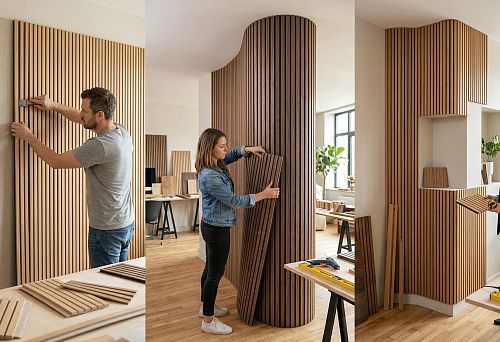
Wooden panels on walls (from floor to a height of 100-150 cm) are a classic element of English interiors, especially in studies, libraries, and dining rooms. Panels protect walls from damage, create warmth (wood is tactilely and visually warmer than plaster), add sound insulation, and structure the space.
Panels are mounted on battens (a frame of slats), forming a ventilated gap. Panel material: solid oak (classic, durable, long-lasting), MDF with oak or walnut veneer (cheaper than solid wood, visually indistinguishable after finishing). Panels are framed with moldings (vertical and horizontal strips forming frames, sections).
Panel style: raised and fielded (with recessed sections, classic option), slatted (vertical slats with gaps, modern interpretation), flush (smooth boards, minimalist option). Panel color: dark wood (walnut, mahogany, stained oak), creating an English atmosphere.
The upper border of the panels (at a height of 100-120 cm) is emphasized by a horizontal molding (chair rail), protecting the walls from damage by chair backs (historically, panels served this function). Above the rail, the wall is painted or wallpapered (contrasting color or pattern, creating a visual division).
Moldings and cornices: wall architecture
Moldings (applied strips with a profile) in an English interior create frames, panels, borders. The molding profile is classical: ogee, torus, rectangle with a bevel. Width 40-80 mm (in the English style, moldings are not wide, not monumental, but restrained).
Cornice (molding under the ceiling) height 100-150 mm, profile multi-stepped (2-3 setbacks), creating visual completion, separating the wall from the ceiling. Baseboard (molding at the floor) height 100-120 mm (in the English style, baseboards are high, noticeable), profile coordinated with the cornice.
Molding color: white (classic, contrasting with dark panels and colored walls), cream (softer than white, warmer), matching the panel color (if panels are dark, moldings can be dark, creating unity).Furniture decorand interior are coordinated in style and color, creating an ensemble.
Ceiling beams: creating structure
Ceiling beams (decorative, non-load-bearing) in an English interior create structure, architectural quality, and an association with old houses where beams were a structural element. Beams are wooden (solid or imitation), stained in dark tones (wenge, fumed oak), arranged parallel with an interval of 80-120 cm or crosswise (forming a grid).
Beams are mounted on the ceiling (attached to brackets hidden inside the beam), creating volume and relief. The ceiling between the beams is painted white or cream (contrasting with the dark beams), or wallpapered (with a small pattern, creating texture).
Beams are suitable for rooms with high ceilings (from 3 meters); in standard rooms (2.7 meters), beams visually lower the ceiling, creating pressure. Beams are characteristic of English country houses (cottages, estates) and are rarely used in city apartments.
Lighting in the English interior: soft and multi-layered
Lighting in the English style avoids brightness, harshness, and coldness. The light is soft, warm (2700K), diffused, creating coziness, intimacy, and the atmosphere of an evening by the fireplace.
Chandeliers: classic forms
A chandelier in an English living room or dining room has a classic form: multi-armed (5-8 arms), with fabric shades (a small shade on each arm, cream, beige, creating diffused light), with a brass or bronze frame (patinated, creating an antique look).
The chandelier is placed above the dining table (in the dining room) or in the center of the living room (if there is no table). Hanging height: the lower edge of the chandelier at a height of 200-220 cm from the floor (for the living room) or 75-85 cm above the tabletop (for the dining room). The chandelier should not blind those seated; light is directed downwards and sideways, diffused by the shades.
Alternative to a chandelier: a ceiling pendant light (for a study, library), round or cylindrical in shape, with a fabric or glass shade, creating general diffused light, not accentuating a specific zone.
Table Lamps: Local Lighting
Table lamps on a desk (in a study), on a sideboard (in a living room), or on bedside tables (in a bedroom) create local lighting necessary for reading, writing, and handicrafts. The classic banker's lamp (with a green glass shade, brass base, and swivel mount allowing the angle to be adjusted) is an icon of the English study.
Other types: a lamp with a fabric shade (conical or cylindrical, in cream or beige, on a brass or wooden base) creating soft, diffused light; a candle lamp (with a candle-shaped shade, imitating a candlestick), decorative, providing minimal light.
A table lamp should not be too bright (it tires the eyes) and should not cause glare (light is directed downwards onto the work surface). Power: 40-60 W (sufficient for reading and writing). Color temperature: warm (2700K), imitating candlelight or incandescent light.
Floor Lamps: Reading Light
A floor lamp next to an armchair (in a living room, study, or bedroom) creates directed light for reading without illuminating the entire room. The floor lamp is tall (140-160 cm), with a fabric shade (conical, directing light downwards), on a metal or wooden base.
Floor lamp base: brass (patinated, creating a noble look), turned wood (walnut, mahogany, matching the furniture), combined (wood + metal). Shade: fabric (linen, cotton, silk), color cream, beige, dark green (with a white lining inside the shade to reflect light).
The floor lamp has a switch on the cord (convenient for turning on/off without getting up from the chair), brightness adjustment (dimmer, allowing the light intensity to be changed from bright to subdued).
Sconces and Candles: Additional Sources
Sconces on walls (in a living room, dining room, hallway) create additional lighting, accentuating paintings, mirrors, and panels. Classic sconce shapes: candle sconce (imitating a candlestick, with a candle-shaped shade), sconce with a fabric shade (small, directed upwards or downwards).
Candles (real, wax) in candlesticks (brass, silver, wooden) on a mantelpiece, dining table, or sideboard create living light, flicker, and the scent of wax. Candles are lit in the evening (creating a romantic, solemn atmosphere); during the day, they are a decorative element.
Candelabra (multi-branch candlesticks, for 3-7 candles) on the dining table during formal dinners are a classic tradition, creating an atmosphere of antiquity and ceremony.
How STAVROS Creates an English Interior
The company STAVROS produces furniture and interior decor that allow for the creation of an authentic English interior: a study, living room, library, or dining room.Classic FurnitureSTAVROS furniture is made from solid oak or beech, stained in dark, noble tones (walnut, mahogany, wenge), and treated with oil or wax, acquiring a matte surface that emphasizes the wood grain.
Study Furniture
STAVROS manufactures classic-shaped writing desks: with side cabinets, numerous drawers, leather desktops (genuine leather, embossed with a gold frame), and brass hardware. Desks are produced to custom sizes (width 120-200 cm, depth 70-100 cm), adapted to a specific study.
STAVROS bookcases are built-in or modular, floor-to-ceiling, with glazed or open shelves, and adjustable shelves (for books of different formats). The cases are decorated with cornices, plinths, and pilasters (carved from solid wood), creating architectural monumentality.
STAVROS armchairs for the study: office chairs (on casters, with a rocking mechanism, but classic in shape — leather upholstery, wooden armrests, high back) and lounge chairs (wingback, upholstered in leather or velvet, placed by the fireplace or in a corner for reading).
Living room furniture
STAVROS sofas of classic English shape: straight, with wooden legs, upholstered in leather (brown, burgundy) or fabric (velvet, velour, in dark green or blue). The button-tufting is done by hand, with buttons recessed to the same depth, creating a perfect relief.
STAVROS Chesterfield armchairs are replicas of classic 19th-century English armchairs, with precise adherence to proportions and upholstery technology. The leather is natural, thick (1.5-2 mm), vegetable-tanned, and hand-patinated (creating the effect of antique, slightly worn, noble leather).
STAVROS sideboards and buffets are made of solid oak, with glazed upper sections, carved cornices, and brass hardware. Inside the display cases, there is built-in lighting (LED, warm, highlighting fine china). Production is to custom sizes (width 120-200 cm, height 180-220 cm).
Interior decoration
interior decorationSTAVROS wall decor — panels, moldings, cornices, baseboards — made from solid oak or MDF with veneer, stained to match the furniture color, and coordinated in style. Panels are made to wall dimensions, mounted on battens, and framed with moldings (forming frames, sections, and the classic English scheme).
STAVROS fireplace surrounds are made of solid oak, carved (with columns, capitals, cornices), reproducing classic English models from the 18th-19th centuries. Surrounds are made to custom projects, adapted to the dimensions of the fireplace (electric, bioethanol, or a real wood-burning one).
Custom design
STAVROS offers a comprehensive solution: turnkey design of an English study or living room. STAVROS designers visit the site, measure the space, discuss the client's wishes (room functions, style, budget), and create a 3D visualization of the future interior.
The visualization shows furniture placement, finish colors, wall decor, and lighting. The client sees the result before production begins and can make adjustments. After project approval, STAVROS manufactures the furniture and decor, delivers, installs, and performs final finishing.
Timeline: design 1-2 weeks, production 6-12 weeks (depending on complexity), installation 1-2 weeks. Result: an English study or living room where every detail is in place, where furniture and decor are coordinated, and where the atmosphere is authentic.
Frequently asked questions
What is the difference between English and French style?
English style is more restrained, darker, and more functional. French style is more decorative, lighter, and more luxurious. English furniture is made of dark wood (walnut, mahogany); French furniture is often painted (white, cream). English furniture is upholstered in leather; French furniture in silk or velvet. English style is practical; French style is formal.
What wood is best for English furniture?
Traditional: walnut (rich color, durability), mahogany (red wood, luxury), stained oak (versatile wood, stained in dark tones). Modern alternative: stained beech (cheaper than walnut, visually similar after staining).
Is leather upholstery mandatory in English style?
Characteristic, but not mandatory. Leather creates authenticity but is expensive and requires maintenance. Alternative: velvet, velour (dark green, burgundy, blue colors), creating a similar atmosphere but softer and warmer than leather.
Can English style be created without a fireplace?
A fireplace is a symbol of English interior but not a mandatory element. In an apartment, you can install an electric or bio fireplace (not requiring a chimney), creating a visual fire effect. Or a decorative portal (without a fireplace inside), serving as an architectural accent.
What wall color to choose for an English study?
Dark green (classic for English studies), burgundy (more solemn, warmer), dark blue (elegant, evening), brown (intimate, library-like). Light walls (white, cream) are atypical for English style, making the interior lighter but losing authenticity.
Are carpets needed in English interior?
Desirable. Carpets (Persian, Oriental, with patterns) create warmth, muffle footsteps, add color and pattern. Carpet in front of the fireplace, under a coffee table, under a dining table — classic placements. Carpets should be high-quality (wool, silk), with dense pile, noble colors (burgundy, green, blue).
How to care for wooden furniture in English style?
Furniture coated with oil or wax requires periodic renewal (wipe with oil or wax once a year, rubbing into the surface). Furniture coated with shellac or varnish requires only wiping with a dry or slightly damp cloth. Avoid excess moisture, abrasives, aggressive cleaning agents.
How much does it cost to create an English study?
Depends on area, amount of furniture, complexity of decor. Basic study (10-12 sq.m): writing desk, bookcase (2 sections), armchair, wall decor (panels, moldings) — from 500,000 rubles. Full study (15-20 sq.m): desk, cabinets (4-6 sections), armchairs (2-3), fireplace portal, full wall decor — from 1,500,000 rubles.
Can English style be mixed with modern?
Difficult. English style is traditional, based on dark wood, classic forms. Modern — laconic, light, minimalist. Mixing creates dissonance. A compromise is possible: neoclassicism (simplified classic, light tones, minimal decor), combining English form and modern restraint.
Where to buy authentic English furniture in Russia?
Antique salons (genuine English furniture of the 18th-19th centuries, expensive, unique), manufacturers of classic furniture (replicas of English models, cheaper than antique, quality depends on the manufacturer). STAVROS manufactures furniture in English style using classic technologies, from solid wood, with hand carving, individually for the project.
Conclusion: English style as a way of life
English style is not a decoration, not a masquerade, not an imitation. It is a way of life where constancy, tradition, and quality are valued. Where a home is built for centuries, furniture is passed down through generations, books are reread, not skimmed. Where an evening by the fireplace is not a luxury but a ritual, where conversation is more important than television, where silence does not frighten but calms.
English Style FurnitureSTAVROS creates space for this way of life. A writing desk made of solid oak with a leather top — not just a work surface, but a place where you think, write, make decisions. A Chesterfield armchair with diamond tufting — not just a seat, but a throne where you rest after work, where you read, where you have conversations. A floor-to-ceiling bookcase — not just storage, but a library, a chronicle of intellectual life.
interior decorationSTAVROS decor in English style — panels, moldings, cornices — turns a room into architecture. Wooden panels at a height of 120 cm create intimacy, warmth, protection. Moldings form frames, structure walls, turn planes into volumes. A fireplace portal made of carved oak creates a center, focus, heart of the home.
Company STAVROS createsclassic furnitureandinterior decorationSTAVROS technologies, allowing the embodiment of English style in a Russian home. Solid wood (oak, beech), handwork (carving, turning, mortise and tenon assembly), traditional finishing (oil, wax, patination) — technologies tested for centuries, not outdated, not replaceable.
STAVROS offers custom design:Study designstudy, living room, library, dining room in English style. STAVROS designers study the client's wishes, room features, create 3D visualization showing the future interior. After project approval, production manufactures furniture and decor, delivers, installs, performs final finishing.
STAVROS production is equipped with machinery allowing the creation of complex furniture: CNC machines for precise milling, lathes for turning legs, hand carving sections for creating unique elements. Finishing is done by hand: staining (multi-layered, creating color depth), oil-wax (rubbed in by hand, penetrating wood pores), patination (darkening of recesses