Article Contents:
- Philosophy of making furniture yourself
- Planning and design: the foundation of success
- Creating a sketch and drawing
- Style and design selection
- Materials: the foundation of quality furniture
- Natural wood: genre classic
- Panel materials: practicality and economy
- Modern composite materials
- Tools: the arsenal of a home furniture maker
- Measuring Tools
- Cutting Tools
- Drilling tools
- Processing tools
- Manufacturing technology: from blank to finish
- Material preparation
- Cutting and initial processing
- Connections and assembly
- Installing hardware
- Finish: giving a completed look
- Surface Preparation
- Types of finish coatings
- Decorative techniques
- Types of furniture for self-manufacture
- Cabinet Furniture
- Tables and Work Surfaces
- Shelves and racks
- Soft furniture
- Safety in the workshop
- Personal protection
- Workplace organization
- Rules for working with tools
- Economic aspects of independent manufacturing
- Material cost calculation
- Investment in Tools
- Comparison with store-bought furniture
- Skill and craftsmanship development
- Learning and practice
- Development of creative abilities
- Specifics of different types of furniture
- Kitchen furniture
- Children's Furniture
- Garden furniture
- Modern trends in self-made furniture
- Use of new materials
- Technology integration
- Modularity and transformation
- Conclusion
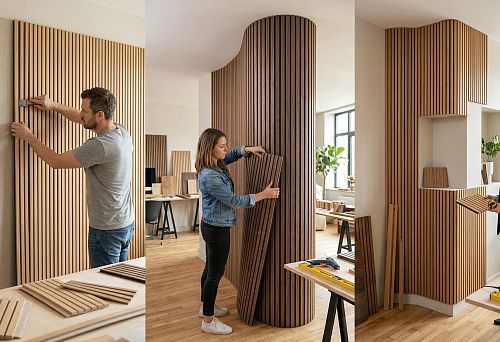
Making your own furniture is not just a way to save money or get an interior item of the desired size. It is a real art that allows you to express your individuality, realize the boldest design ideas, and gain incredible satisfaction from working with your own hands. How to make furniture yourself — a question that concerns many who dream of a unique atmosphere in their home.
In today's world of mass production, making furniture by yourself becomes especially relevant. Because when you take tools and materials into your hands, you are not just making household items — you are creating a piece of your soul that will serve you for many years. Every detail, every joint, every line carries your concept and craftsmanship.


Philosophy of DIY Furniture Making
Why should you engage in making furniture yourself? There are many answers, and each is significant. How to make furniture yourself — it is primarily the opportunity to create exactly what you need, rather than conforming to standard sizes and shapes of factory-made items.
The economic benefit is obvious — quality furniture in stores costs a lot, especially if we are talking about non-standard sizes or individual design. Making it yourself allows you to significantly reduce expenses, directing saved money toward quality materials and tools.
Creative self-realization — another important aspect. The process of making furniture develops spatial thinking, teaches working with different materials, develops patience and neatness. It is a meditative activity that allows you to detach from everyday hustle and fully immerse yourself in the creative process.
The quality and durability of handmade furniture often exceed factory-made counterparts. Since you are making it for yourself, you won't cut corners on materials and time, carefully work out every detail, use reliable joints and quality hardware.




Planning and Designing: The Foundation of Success
Before picking up tools, it is necessary to carefully plan the entire process. How to make furniture yourself — this is primarily a matter of proper planning. Every professional furniture maker will tell you: good furniture begins with a good design.
Our factory also produces:


Creating a Sketch and Drawing
The first step is creating a sketch of the future item. Do not neglect this stage, even if it's about a simple shelf. The sketch will help you visualize the final result, plan proportions, and understand how the item will fit into the interior.
After the sketch, a detailed drawing with all dimensions is created. This is especially important when working with sheet materials — every centimeter counts. The drawing must include not only external dimensions but also internal structure: placement of shelves, partitions, fastening elements.
When creating a drawing, consider ergonomic requirements. The height of work surfaces, the depth of shelves, the width of passageways — all of this affects the convenience of using furniture. The standard countertop height is 72-75 cm, shelf depth for books is 25-30 cm, and for clothing — 50-60 cm.
Get Consultation
Style and Design Selection
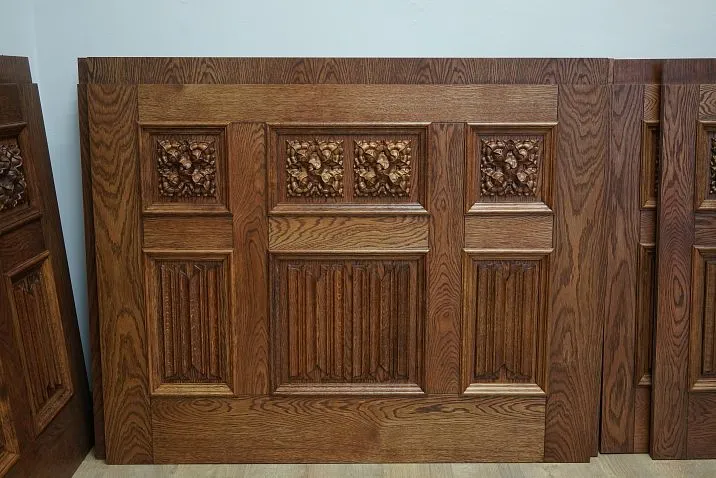
The style of future furniture should harmonize with the overall interior of the room. Classic style implies the use of natural wood, carved elements, elegant proportions. Minimalism requires strict lines, functionality, absence of unnecessary details. Loft allows combining wood with metal, intentionally rough finishes.
Do not forget about functionality. Beautiful furniture that is inconvenient to use will quickly stop pleasing the eye. Think about how you will use the item, what loads it must withstand, and whether additional elements are needed for convenient operation.
Materials: The Foundation of Quality Furniture
Material selection is one of the key moments in the furniture-making process. It affects not only the appearance of the finished product but also its durability, cost, and processing complexity.
Solid Wood: The Classic of the Genre
Solid wood remains the most prestigious and eco-friendly material for furniture. Each species has its own characteristics:
Spruce — an affordable and popular material. Easy to process, has a beautiful texture, holds fasteners well. Suitable for making furniture of any purpose. The only drawback — softness of the wood, which causes dents easily on the surface.
Oak — an elite species with high strength and beautiful texture. Furniture made of oak lasts for decades without losing its qualities. However, the material requires special tools and skills for processing.
Birch — a hard species with a uniform structure. Easily stains, allowing it to imitate more expensive species. Characterized by high strength and stability.
Panel Materials: Practicality and Economy
MDF (Medium Density Fiberboard) — the most budget-friendly option. Modern laminated MDF (Laminated MDF) has an attractive appearance and sufficient strength for most types of furniture. It is important to choose boards with low formaldehyde content (E1 emission class).
MDF (Medium Density Fiberboard) — a more eco-friendly and durable material compared to MDF. Better holds fasteners, allows creating complex shapes using milling. Often used for furniture facades.
Furniture Plywood — wooden strips glued together. Combines the eco-friendliness of natural wood with dimensional stability and relatively affordable price. Ideal material for beginner furniture makers.
Modern composite materials
Various grades of plywood are used both for manufacturing main parts and for reinforcing structures. Birch plywood is characterized by high strength, while coniferous plywood — by affordable price.
OSB (Oriented Strand Board) is suitable for making utility furniture — shelves in garages, shelves in utility rooms. The material is moisture-resistant, but requires mandatory finishing.
Tools: The Arsenal of a Home Furniture Maker
The quality of tools directly affects the result of the work. How to make furniture yourself with quality and without unnecessary effort? The answer is simple — you need the right tools.
Measuring Tools
A tape measure at least 5 meters long with clear markings — the basis for accurate measurements. A 1-meter metal ruler will be useful for marking small parts. A square ensures accurate right angles, and a level helps set furniture perfectly level.
For marking, choose a medium-hardness pencil (HB or H). Too soft a pencil will smudge, too hard — will be difficult to see on wood. Always keep a spare — pencils have a tendency to disappear at the most inconvenient moments.
Cutting tools
A saw with fine teeth (10-12 teeth per inch) will provide a clean cut without chipping. A saw with coarse teeth will be useful for rough work. A stop block will help make precise angled cuts.
A jigsaw is a universal tool for cutting straight and curved parts. Choose a model with adjustable speed and a pendulum action. Stock up on saw blades for different purposes: for clean laminate cuts, for fast cutting of thick wood, for metal.
A circular saw is indispensable when working with sheet materials. It allows making long straight cuts with high precision. Always use a guide rail for perfectly even cuts.
Drilling tools
Drill or screwdriver — the main tool for making holes and tightening fasteners. A battery-powered model ensures mobility, while a network-powered one provides continuous readiness for work without interruptions for charging.
Drill bit set should include sizes from 2 to 12 mm with 1 mm increments. Special Forstner bits are useful for drilling blind holes for hinges and other hardware. Countersinks will ensure that screw heads are flush with the surface.
Processing tools
Sanding machine will speed up the surface preparation process for final finishing. Eccentric model ensures quality sanding without risks, belt sander handles rough processing of large surfaces.
Hand plane is useful for fine-tuning parts and creating chamfers. Electric planer will speed up processing large volumes of wood.
Chisels of various widths (6, 12, 20 mm) are necessary for cutting slots, fitting joints, and minor adjustments. Quality chisels with proper sharpening are the guarantee of clean work.
Manufacturing technology: from blank to finish
The furniture manufacturing process can be divided into several main stages, each requiring attention and care. How to make furniture professionally by yourself? Follow the proven technology.
Material Preparation
First stage — material preparation for processing. If working with solid wood, the wood must be pre-dried to a moisture content of 8-12%. Green wood will shrink and may crack even in the finished product.
Material acclimatization is an important step. Planks brought from a cold warehouse must rest for several days in the workshop, adapting to the room’s temperature and humidity. This prevents deformation during processing.
Marking parts is done according to the drawing, taking into account the direction of wood grain or decorative layer of panels. When working with MDF or particleboard, mark parts to minimize the number of edge-glued ends.
Cutting and initial processing
Cutting sheet materials is best entrusted to a specialized organization, especially if perfectly straight cuts are needed. Home cutting with a circular saw requires skills and a quality guide.
When cutting laminated panels yourself, use a saw with fine teeth and apply painter’s tape along the cut line — this will prevent chipping of the decorative layer.
End treatment — a critical operation. Ends of MDF and particleboard require mandatory edge banding to protect against moisture and improve appearance. Edge banding can be applied with a heat press (melamine) or use self-adhesive tape.
Joints and assembly
The choice of joint method depends on the item’s construction and strength requirements. Countersunk screws (Euro screws) are the most popular fasteners for cabinet furniture. They provide strong joints and, if needed, allow disassembly of the furniture.
Dowel joints with glue provide invisible and very strong connections, but require precise marking and drilling. Eccentric dowels are used in furniture that must be easily assembled and disassembled.
Before final assembly, conduct a preliminary fit of all parts. This will help identify and correct inaccuracies before applying glue or final fasteners.
Hardware installation
Furniture hinges require precise marking and careful drilling. Use special Forstner bits for hinge cups. Drawer guides must be installed strictly parallel and at the same level.
Handles and locks are installed after final furniture assembly. When marking holes for handles, use a template — this ensures uniform placement on all doors and drawers.
Final finishing: achieving a finished look
Final finishing is not only decorative but also protects the material from moisture, mechanical damage, and UV exposure. How to make furniture truly high-quality by yourself? Do not skimp on final finishing.
Surface preparation
Sanding is the foundation of quality finishing. Start with coarse grit sandpaper (120-150) and gradually move to finer grits (220-240). Each subsequent grit should remove scratches from the previous one.
Between sanding operations, remove dust with a dry cloth or vacuum cleaner. Even tiny particles of dust under the finish will cause unevenness and roughness.
Sealing porous wood species (pine, birch) ensures even absorption of varnish or paint. Use a sealer compatible with the chosen finish.
Types of Finish Coatings
Varnish is the most popular finish for furniture. Polyurethane varnishes provide high durability and moisture resistance, nitrocellulose varnishes dry quickly and are easy to repair. Apply varnish in thin layers with intermediate sanding using fine-grit sandpaper.
Oil enhances the natural beauty of wood, is easy to apply and refresh. Oil finishes are eco-friendly but require periodic refreshing. Especially suitable for furniture made from premium wood species.
Wax gives furniture a noble matte sheen and a pleasant to-the-touch surface. Wax finishes require careful surface preparation and regular maintenance.
Decorative Techniques
Staining allows you to change the wood's color without hiding its texture. Water-based stains are eco-friendly but may raise fibers. Alcohol-based stains dry quickly and do not raise fibers.
Brushing is creating an artificial aging effect by removing soft fibers with a metal brush. Suitable for species with pronounced grain (pine, oak, beech).
Patination imitates the natural darkening of wood in carved recesses and grooves. Achieved by applying dark paint and then removing it from raised areas.
Types of furniture for self-construction
Cabinet Furniture
Cabinets and wardrobes are the most popular projects for self-construction. They allow maximum use of room space and enable you to fulfill individual storage needs.
When designing a cabinet, consider anthropometric data. Optimal depth for outerwear is 60 cm, for shirts — 50 cm. Height of compartment for long clothing — at least 140 cm, for short items — 100 cm.
Commodes and chests require special attention to drawer construction. Quality guides, precise fitting, and reliable joints are key to long service life. Drawer bottoms are better made from plywood at least 6 mm thick.
Tables and work surfaces
Desks must provide a comfortable working posture. Standard tabletop height — 72–75 cm, depth — at least 60 cm. Be sure to provide space under the desk for feet.
Kitchen tables experience increased loads and moisture exposure. Use moisture-resistant materials and finishes. The tabletop must be perfectly flat and smooth for easy cleaning.
Coffee tables allow you to showcase your creative skills in design. Experiment with shapes, materials, and decorative elements. The main thing — ensure the structure’s stability.
Shelving and racks
Bookshelves require a strong structure to support significant weight. The distance between shelves should match book sizes — usually 25–30 cm. Shelves thinner than 25 mm and longer than 80 cm may sag.
Wall shelves are an excellent project for beginners. Simple construction, minimal materials and tools required. Pay special attention to the quality of wall mounting — safety comes first.
Soft furniture
Banquettes and ottomans are accessible projects for mastering basic upholstery skills. Start with simple geometric shapes, gradually moving to more complex constructions.
Sofas and chairs require knowledge of basic ergonomics and experience working with upholstery materials. The frame must withstand dynamic loads, while the upholstery must ensure comfort and durability.
Workshop safety
Working with woodworking tools requires strict adherence to safety rules. How to make furniture yourself without injuries or accidents? Remember: safety comes first.
Personal protection
Safety glasses are mandatory when working with any cutting tools. Even a small wood chip can cause serious eye injury. Choose glasses with side protection and anti-fog coating.
A respirator protects your respiratory system from wood dust. Especially important during sanding and working with composite materials. Use respirators with protection class no lower than FFP2.
Gloves protect hands from splinters and cuts when working with rough-sawn wood. However, gloves can be dangerous when using rotating tools — they may get caught in the mechanism.
Work area organization
The workbench must be stable and match the height of the user. The workbench height should be adjusted so that when resting palms on the tabletop, the arms are slightly bent at the elbows.
Work area lighting must be sufficient and even. Minimum illumination — 500 lux. Avoid harsh shadows and glare. Additional lighting will be needed for precision work.
Ventilation is necessary to remove dust and solvent vapors. Natural ventilation through windows and doors is often insufficient — consider installing an exhaust fan.
Rules for tool use
Cutting tools must be sharp. A dull tool requires more effort and slips more often, increasing the risk of injury. Regularly check the condition of cutting edges.
Electric tools must be checked for proper function before use. Pay special attention to the condition of the power cord and plug. Do not use malfunctioning tools.
Stocks must be securely fastened before processing. An unsecured part may unexpectedly shift or rotate, leading to injury or damage to the workpiece.
Economic aspects of self-manufacturing
Cost calculation of materials
When planning a project, it is important to accurately calculate material requirements. How to make furniture yourself economically? Properly plan material consumption, taking into account allowances for processing and possible defects.
Calculate sheet materials according to standard sheet sizes. Create a cutting layout that minimizes waste. Sometimes changing the dimensions of parts by a few centimeters can significantly reduce material consumption.
Purchase lumber with a 10-15% reserve — hidden defects may be discovered during work, requiring part modifications. It is advisable to buy dry, planed boards from reputable suppliers.
Hardware and fasteners are often sold in packages containing more parts than needed for a single project. Plan several projects simultaneously for more efficient material use.
Investment in Tools
Quality tools are an investment for many years. Cheap tools may seem cost-effective, but poor cutting quality, rapid wear, and breakage at inconvenient times will negate all savings.
Purchase tools gradually, starting with the most essential. For initial projects, a basic set is sufficient: drill, jigsaw, sander, measuring tools. Expand your toolkit as your skills and project complexity grow.
Used tools can be a good compromise between price and quality. Professional tools from well-known brands, even in used condition, often surpass budget new ones.
Comparison with store-bought furniture
Savings from DIY manufacturing can be 50-70% compared to the cost of similar store-bought furniture. The difference is especially noticeable when making furniture of non-standard sizes or from expensive materials.
However, do not forget to consider the cost of time. Making a simple cabinet may take several weekends, while a complex project may take weeks. Assess whether the savings justify the time and effort invested.
With a proper approach, homemade furniture quality exceeds most factory-made items in the same price range. You can use quality materials, reliable hardware, and not compromise on details.
Skill and craftsmanship development
Learning and practice
Start with simple projects — shelves, stools, simple tables. Gradually increase complexity, mastering new techniques and methods. Each project should include elements you have not yet made.
Study the experience of masters — read specialized literature, watch video tutorials, attend workshops. The Internet provides enormous opportunities for self-education.
Do not be afraid to experiment with materials and techniques. Some of the best solutions emerge precisely through experimentation. The key is to do it thoughtfully and safely.
Development of creative abilities
Study design — proportions, color combinations, interior styles. Good furniture should not only be functional but also pleasing to the eye. Develop your artistic taste.
Analyze ready-made solutions — visit furniture stores, study catalogs, pay attention to construction and finishing details. Any idea can become the basis for your own project.
Keep an idea album — sketches, photos, magazine cutouts. Creative ideas come unexpectedly; it is important to record them for future use.
Specifics of different types of furniture
Kitchen Furniture
Kitchen furniture operates under conditions of high humidity, temperature fluctuations, exposure to steam and grease. How to make furniture yourself for the kitchen to be durable and practical?
Materials must be moisture-resistant. Use moisture-resistant plywood, high-moisture-resistant MDF, or MDF with protective coating. All edges must be carefully sealed.
Hardware is selected considering intensive use. Hinges and guides must withstand at least 50,000 opening-closing cycles. Preference should be given to hardware with soft-close mechanisms.
Countertops experience maximum loads. Laminate countertops 38 mm thick — optimal solution for price-to-quality ratio. Edges should be protected with aluminum or plastic edge trim.
Children's furniture
Children's furniture must meet special safety and functionality requirements. Material eco-friendliness is the top priority. Use only certified materials with low formaldehyde content.
Structural safety — all corners must be rounded, no sharp protrusions, small removable parts. Furniture height must match the child’s height.
Functionality — children's furniture should grow with the child. Adjustable-height tables and chairs, convertible beds, modular storage systems.
Garden furniture
Garden furniture is used under conditions of exposure to atmospheric precipitation, ultraviolet radiation, and temperature fluctuations. How to make furniture yourself for the garden and dacha to be durable?
Materials must be resistant to moisture and biological damage. Larch, oak, and thermally treated wood are the best options. Avoid materials based on sawdust and shavings.
Protective treatment is a mandatory step. Antiseptic impregnations protect against rot and insects, varnishes and paints — against ultraviolet radiation and moisture. Renew the coating annually.
The construction must ensure rapid water runoff. Avoid horizontal surfaces where moisture may accumulate. Provide for disassembly for storage during the winter period.
Modern trends in DIY furniture making
Use of new materials
Composite materials — HPL plastics, acrylic stone, modern varnishes and paints — expand the possibilities for the home furniture maker. Study market novelties, experiment with unusual materials.
Eco-friendly materials are becoming increasingly popular. Furniture made from recycled materials, natural oils and waxes for finishing, formaldehyde-free adhesives — a modern trend.
Integration of technologies
CNC machines are becoming more accessible for home workshops. The ability to precisely cut complex-shaped parts, engrave, and mill opens new horizons for creativity.
3D modeling allows you to thoroughly develop the project before manufacturing begins, identify issues during the design phase, and accurately calculate material consumption.
Laser cutting and engraving are available in specialized workshops. The ability to create complex decorative elements and precise part fitting expands creative possibilities.
Modularity and transformation
Modular systems allow creating furniture that adapts to changing needs. Standardized connection nodes and unified part dimensions simplify modification and expansion.
Transformable furniture is especially relevant for small apartments. Transformable tables, foldable beds, and collapsible chairs allow efficient use of space.
Conclusion
Making furniture by hand is a journey full of discoveries and creative insights. How to make furniture yourself — a question whose answer lies not only in technical knowledge and skills, but also in personal development, creative self-realization, and a philosophical attitude toward the things that surround us.
Remember: in the world of mass production, something handmade carries special value. It carries a piece of the maker’s soul, their vision of beauty and functionality. Such furniture doesn’t merely serve — it delights, inspires, and creates a unique atmosphere in the home.
Company STAVROS offers a wide range of components and decorative elements for creating unique furniture by hand. Quality hardware, beautiful handles, reliable supports, and fastening elements will help bring the most daring design ideas to life. Choosing STAVROS means choosing quality, reliability, and the opportunity to create dream furniture with your own hands.
24.40 $ р.