Article Contents:
- The intrinsic nature of wood fibers
- Tactile properties of various species
- Emotional impact of natural materials
- Psychology of color choices in wooden furniture
- Aromatherapeutic qualities of wood
- Technological Aspects of Modern Production
- Revolution in wood processing methods
- Precision of modern joinery production
- Ergonomic advantages of wooden furniture
- Biomechanical compatibility with the human body
- Acoustic properties of wood
- Stylistic diversity of wooden furniture
- Classic design directions
- Modern Interpretations of Traditional Forms
- Avant-garde solutions in woodworking
- Economic aspects of choosing natural wood
- Investment attractiveness of wooden furniture
- Cost of ownership and operation
- Regional specifics of wood selection
- Influence of climate on wood properties
- Traditional processing techniques in different regions
- Ecological aspects of wood usage
- Carbon footprint of wooden furniture
- Renewability of resources
- Innovative solutions in wooden furniture design
- Integration of modern technologies
- Modular systems made of natural wood
- Personalization and individual approach
- Customization possibilities
- Emotional connection with the item
- Prospects for industry development
- New Processing Technologies
- Design trends
- Practical Recommendations for Selection
- Defining needs and budget
- Assessment of product quality
- Maintenance and Durability
- Creating optimal operating conditions
- Preventive maintenance
- STAVROS: the benchmark of quality in the world of wooden furniture
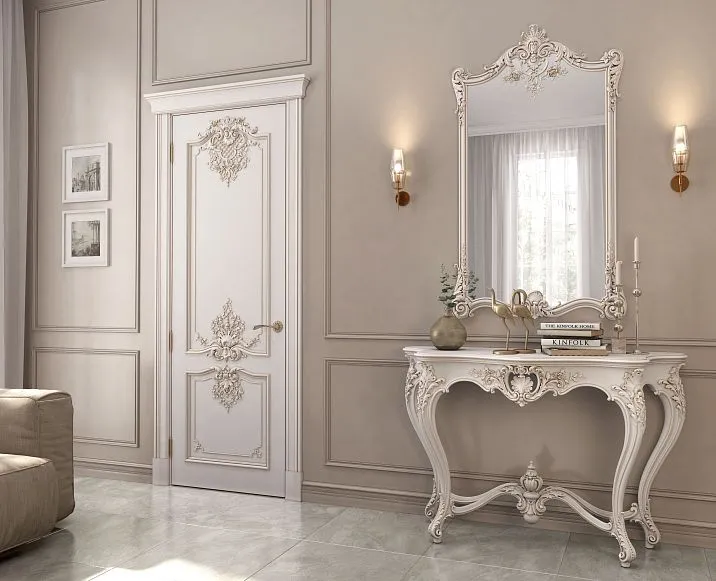
Are you ready to immerse yourself in a world where every detail breathes history, and every touch tells the story of generations' craftsmanship? Furniture made of natural wood These are not just interior items, but a living embodiment of natural beauty and human talent, united in a harmonious harmony of form and function.
In an era of mass production and synthetic materials, wooden furniture remains an island of authenticity in the ocean of imitations. It carries the energy of forests, the warmth of sunlight, and the strength of time, transforming an ordinary dwelling into a true home.


The intrinsic nature of wood fibers
Wood lives a special life even after leaving its native forest. Its cellular structure continues to interact with the surrounding environment, regulating air humidity and creating a unique microclimate in the room. This property makes natural wood an ideal material for creating a healthy atmosphere in the home.
Each species has unique characteristics. Oak demonstrates incredible strength — its density reaches 700 kilograms per cubic meter, which is 1.5 times higher than that of pine. Beech impresses with its uniform structure and lack of pronounced grain, making it ideal for modern minimalist interiors.




Tactile properties of various species
Touching natural wood activates numerous receptors in human skin. The smooth surface of polished ash creates a silk-like sensation, while the slightly rough texture of oak gives a sense of reliability and solidity.
The surface temperature of wooden furniture is always comfortable for humans. Unlike metal or plastic, wood does not heat up in summer and does not become cold in winter. This feature is due to the low thermal conductivity of wood — only 0.15 W/(m·K) for most species.
Our factory also produces:


Emotional Impact of Natural Materials
Get Consultation
Psychology of color solutions in wooden furniture
The color palette of natural wood has a profound effect on a person's psycho-emotional state. Light tones of birch and linden create a sense of purity and freshness, activating cognitive processes. Warm shades of cherry and mahogany promote relaxation and a meditative state.
Dark species — veneer, ebony — give interiors a sense of solidity and prestige. They are ideal for offices and conference rooms, where it is necessary to create an atmosphere of business concentration.
Aromatherapeutic qualities of wood
Natural wood emits subtle aromas that positively affect the nervous system. Coniferous species release phytoncides — biologically active substances with antimicrobial properties. The concentration of these substances in the air of a room with wooden furniture is three times higher than in rooms with synthetic furnishings.
Oak furniture emits a barely perceptible tannin aroma, which helps reduce stress levels. Cedar has sedative properties, improving sleep quality. These features make natural wooden furniture indispensable for creating a healthy home environment.
Technological Aspects of Modern Production
Revolution in wood processing methods
Modern technologies have fundamentally changed approaches to processing natural wood. Thermomodification allows changing the properties of wood without using chemicals. At temperatures of 160-230°C, hemicellulose is broken down, increasing the material's stability and resistance to moisture.
Vacuum impregnation with protective compositions ensures deep penetration of antiseptics into the entire thickness of the blank. This extends the service life of products several times without compromising the ecological purity of the material.
Precision of modern woodworking production
Machines with numerical control achieve processing accuracy down to 0.1 millimeter. Such precision was unattainable with traditional manual methods. Laser cutting provides perfectly smooth cuts without chips or scratches.
Three-dimensional scanning allows creating accurate digital copies of historical furniture samples. This technology is indispensable for restoring antique items and recreating lost decorative elements.
Ergonomic advantages of wooden furniture
Biomechanical compatibility with the human body
Wood possesses natural elasticity, which is ideal for creating ergonomic furniture. Wooden chairs and stools provide proper spinal support due to the material's ability to slightly deform under load.
The surface of natural wood has a micro-relief that prevents slipping. This is especially important for tables and work surfaces, where it is necessary to ensure the stable positioning of objects.
Acoustic properties of wood
Wood is an excellent sound-absorbing material. The sound absorption coefficient for oak is 0.15-0.20, which is significantly higher than that of synthetic materials. Wooden furniture naturally reduces noise levels in a room, creating a more comfortable acoustic environment.
Resonant properties of different species are used not only in the production of musical instruments but also in furniture making. Properly selected wood can improve room acoustics, making the sound warmer and more natural.
Stylistic diversity of wooden furniture
Classic design directions
Classic solid wood furniture never goes out of style. The strict geometry of the English style is emphasized by the nobility of oak. The French Empire requires the use of valuable species — redwood, padauk, ebony.
Russian classicism leans toward light species — birch, linden, Karelian birch. Characteristic inlays of various wood types create unique decorative effects.
Modern interpretations of traditional forms
Scandinavian style fully reveals the natural beauty of light wood species. Minimal decoration, simple forms, natural tones — such furniture creates a sense of harmony with nature.
Eco-style implies the use of recycled wood, which gives products a unique charm and highlights the owner's ecological responsibility.
Avant-garde solutions in woodworking
Modern designers experiment with forms, creating unusual silhouettes from traditional materials. Bent elements from steamed beech, CNC-cut details, inlays from various species — all this expands creative possibilities.
Combining wood with metal, glass, and stone opens new horizons in furniture design. At the same time, wood remains the primary material, setting the tone for the entire composition.
Economic aspects of choosing natural wood
Investment attractiveness of wooden furniture
Quality furniture made from natural solid wood does not lose value over time, and often becomes more expensive. Antique pieces made from valuable wood species demonstrate steady price growth at international auctions.
Modern Furniture made of natural wood also maintains high liquidity on the secondary market. The depreciation period for quality wooden items is 50–100 years, making them a financially advantageous purchase.
Cost of ownership and operation
Wooden furniture does not require expensive maintenance. Periodic treatment with protective compounds and careful use ensure the preservation of items for decades.
The possibility of restoration and updating is an important economic advantage of natural wood. Damaged elements can be repaired, surfaces can be sanded and re-coated. Synthetic materials do not offer such an option.
Regional specifics of wood selection
Influence of climate on wood properties
Trees grown under different climatic conditions have different characteristics. Northern spruce has high density and resin content due to slow growth. Southern species have a more porous structure but often exhibit beautiful grain patterns.
Oak from central regions of Russia is characterized by an optimal balance of strength and workability. Caucasian beech is renowned for its uniform structure and beautiful pinkish hue.
Traditional woodworking techniques in different regions
Each region has developed its own methods of wood processing, based on local traditions and available species. Northern craftsmen specialize in working with coniferous species, while southern ones focus on valuable hardwoods.
These regional characteristics are reflected in modern production, enriching the palette of available solutions and styles.
Ecological Aspects of Wood Use
Carbon Footprint of Wooden Furniture
Wood is the only building material that absorbs carbon dioxide from the atmosphere during growth. One cubic meter of wood binds about a ton of CO2, making wooden furniture carbon-neutral.
The production of synthetic materials requires significant energy consumption and is accompanied by greenhouse gas emissions. Choosing natural wood contributes to the fight against climate change.
Renewability of resources
Wood is a renewable resource provided responsible forest management. FSC certification guarantees that the wood comes from sustainably managed forests, where logging is offset by new plantings.
Modern technologies allow for the most efficient use of wood, minimizing waste. Sawdust and shavings are recycled into fuel pellets or composite materials.
Innovative solutions in wooden furniture design
Integration of Modern Technologies
Modern wooden furniture successfully integrates with high-tech solutions. Wireless charging is embedded in countertops, LED lighting highlights the beauty of the grain, climate control systems maintain optimal storage conditions.
Smart monitoring systems track the condition of wooden surfaces, alerting users to the need for preventive maintenance. This extends the lifespan of furniture and preserves its original appearance.
Modular systems made of natural wood
The modular approach allows creating furniture systems that adapt to changing user needs. Standardized connections ensure easy assembly and the possibility of reconfiguration.
Modular wooden furniture combines the advantages of natural material with the functionality of modern solutions. This approach is especially relevant for small apartments and office spaces.
Personalization and Individual Approach
Customization possibilities
Natural wood provides limitless opportunities to create unique items. Carving, inlay, combining different species, non-standard sizes — all this allows creating furniture that fully meets individual needs.
Modern 3D modeling technologies allow visualizing the future product even during the design stage. The client can make adjustments, seeing the result in virtual reality.
Emotional connection with the item
Participation in the furniture creation process forms a special emotional bond between the owner and the item. Knowing the history of each element and understanding the material’s characteristics transforms furniture from a simple utilitarian object into a source of pride and a family heirloom.
Industry development prospects
New processing technologies
The development of nanotechnology opens new opportunities to improve wood properties. Nanocoatings provide protection against moisture, UV radiation, and mechanical damage, while preserving the material’s natural texture.
Biotechnology allows modifying wood properties at the cellular level, creating materials with specified characteristics. Such innovations preserve the ecological nature of natural wood while expanding its application areas.
Design Trends
Growing interest in eco-friendliness and naturalness stimulates the development of new directions in wooden furniture design. Biophilic design aims to bring interiors as close as possible to natural environments, using natural forms and textures.
The concept of 'slow living' promotes high-quality, durable items crafted with attention to detail. Wooden furniture It perfectly aligns with this philosophy, offering an alternative to rapidly changing fashion trends.
Practical Recommendations for Selection
Defining needs and budget
Choosing wooden furniture begins with a clear understanding of one's own needs. Functional requirements, stylistic preferences, and usage characteristics all influence the selection of wood species and processing methods.
Budget planning must consider not only the initial cost but also maintenance expenses, possible restoration, and insurance for valuable items. Quality furniture requires significant investment but pays off through longevity and value retention.
Assessment of product quality
The quality of wooden furniture is determined by multiple factors: wood species, processing technology, craftsmanship of artisans, and hardware used. Material moisture should not exceed 8-10%, otherwise deformation may occur.
Joints must be made using traditional joinery methods — mortise and tenon, dovetail, dowels. Glue joints are used only with eco-friendly compositions.
Care and longevity
Creating optimal operating conditions
Wooden furniture requires stable climatic conditions. Air humidity should be within 45-65%, temperature — 18-24°C. Sudden changes in these parameters may lead to cracking or deformation.
Furniture placement plays an important role in preservation. Direct sunlight causes fading and drying, proximity to heating appliances — cracking, high humidity — swelling and mold growth.
Preventive Maintenance
Regular care for wooden furniture includes dusting with a dry soft cloth, periodic treatment with special products, and monitoring hardware condition. Wax-based compositions nourish wood and create a protective film.
Professional restoration is required no more than once every 10-15 years with proper use. Timely consultation with specialists allows eliminating minor defects before they become serious damage.
STAVROS: The benchmark of quality in the world of wooden furniture
When discussing the highest quality standards in manufacturing solid wood furniture, it is impossible to overlook the company STAVROS — an undisputed leader in the Russian market for luxury wooden furniture and architectural decor. Since its founding in 2002, the company has established itself as a producer of the premium segment, where each item becomes a work of art.
STAVROS specializes in creating exclusive carved furniture from premium Caucasian oak and beech wood — species rightfully considered the benchmark of strength and beauty. Each blank undergoes careful selection and multi-stage kiln drying to a moisture content of 8-10%, ensuring geometric stability throughout the entire service life.
The production process at STAVROS combines centuries-old Russian joinery traditions with advanced European technologies. Use of machines from leading German and Italian manufacturers ensures precision accuracy in processing, unattainable through manual production.
Special attention is paid to the final finishing of items. Multi-layer coating with natural oils and waxes not only protects wood from external influences but also highlights the natural beauty of the grain. Each piece of furniture undergoes final quality control, including inspection of all joints, geometry, and coating quality.
STAVROS’s portfolio includes participation in the restoration of significant landmarks such as the Alexander Palace in Tsarskoye Selo and the Trinity Cathedral in St. Petersburg, confirming the highest level of craftsmanship and ability to work with historical samples.
Recently, the company launched a new direction — production of premium-class kitchenware from solid oak. Cutting boards, plates, and salad bowls combine functionality with aesthetic appeal, perfectly suited for both home use and restaurant business.
Choosing STAVROS products means acquiring not just furniture, but an investment in quality of life that will delight not one generation of your family. Each item from the company embodies a philosophy of perfection, where the natural beauty of wood is fully revealed through the skill and talent of its creators.