Article Contents:
- Wood: Warmth and Elegance of Nature
- Advantages of Wood in Decorative and Applied Art
- Examples of Wood Usage in Products
- Ceramics: Art of Strength and Refinement
- Textiles: Art of Softness and Coziness
- Metal: Refinement and Strength in Decorative Art
- Stone: Natural Power and Refinement in Decorative and Applied Art
- Glass: Lightness and Airiness in Decorative and Applied Art
- Role of Materials in Decorative and Applied Art
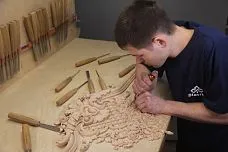
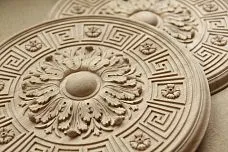
Materials of applied art play a decisive role in creating works that not only delight the eye but also fulfill functional tasks. The choice of material determines the aesthetics of the item, its durability, and even the emotional response it evokes. Each direction of decorative and applied art has its own preferences in materials, whether wood, metal, ceramics, textiles, or glass. Let us examine them more closely, starting with the most popular — wood.


Wood: Warmth and Elegance of Nature
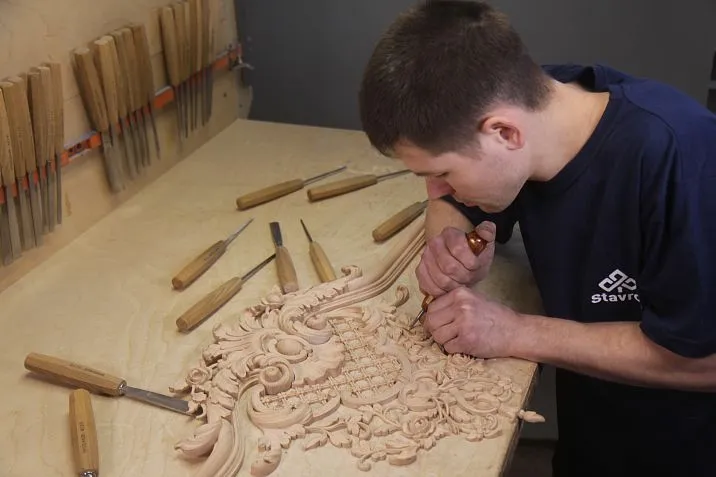
Wood is one of the oldest and most versatile materials in applied art, retaining its relevance for centuries. Its popularity is due to unique properties: natural texture, warm color palette, and workability make wood an ideal choice for artisans.
Advantages of Wood in Decorative and Applied Art
- Aesthetics and Natural Beauty
Wood possesses a unique texture that varies depending on the species. Oak, with its refined texture, adds nobility to interiors, beech — softness and elegance, and pine — coziness and warmth. Even without additional decorative elements, wood looks attractive on its own, making it a key material for carving, furniture details, and architectural embellishments. - Ease of Processing
Wood can be carved, sanded, varnished, or painted, creating complex decorative elements. This material allows artisans to create both refined patterns and simple, minimalist forms suitable for modern interiors. - Strength and durability
Natural wood can serve for decades, preserving its aesthetic and functional qualities. This makes it ideal for creating interior items such as moldings, baseboards, and appliqués.
Examples of Wood Usage in Products
In decorative and applied art, wood is used to create:
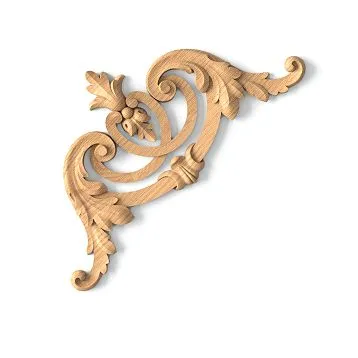
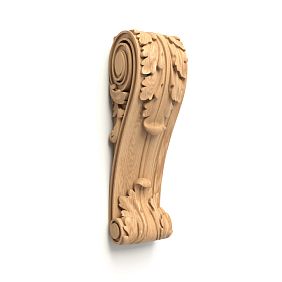
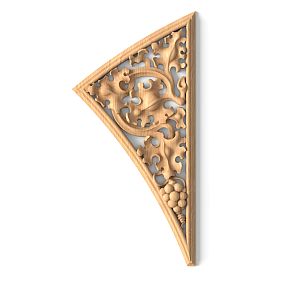
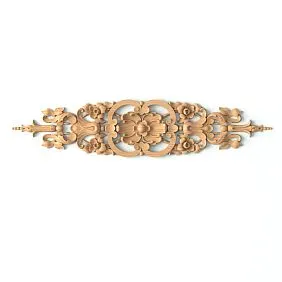
● Carved appliqués — decorations for furniture, walls, and doors.
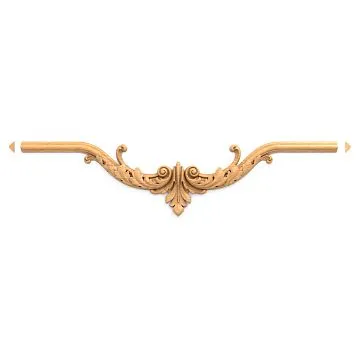
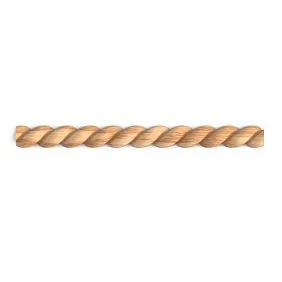
● Moldings and baseboards — decorative elements that emphasize spatial lines.
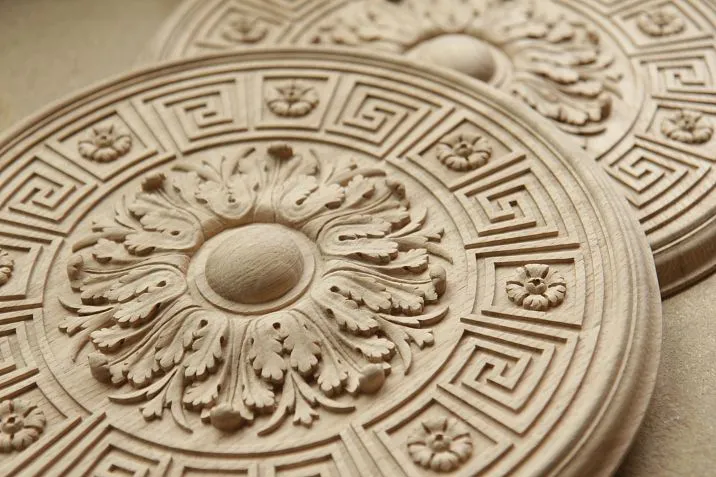
● Rosettes — accent details for ceiling and lighting zone decoration.
● Decorative panels — unique elements adding texture and refinement to interiors.
STAVROS company specializes in working with natural wood, transforming it into true works of art. Thanks to years of experience and modern technologies, STAVROS artisans create items that reflect the spirit of traditions while meeting modern design requirements.
Explore the wide range of wooden decorative elements on the page Solid Wood Items.




Ceramics: Art of Strength and Refinement
Ceramics is one of the oldest materials in decorative and applied art, with a history spanning thousands of years. Since its inception, it has undergone numerous changes, yet its aesthetic appeal and practical value remain unchanged. Today, ceramics is used to create both utilitarian items and decorative objects, becoming an indispensable part of interiors and artistic compositions.
After firing, ceramics acquire hardness, resistance to wear and aging. They retain their shape and color vibrancy even under extreme conditions, such as high humidity or temperature fluctuations.
- Strength and durability
After firing, ceramics acquire hardness, resistance to wear and aging. They retain their shape and color vibrancy even under extreme conditions, such as high humidity or temperature fluctuations. - Variety of textures and finishes
Ceramics provide artists with wide opportunities for experimentation. Its surface can be glossy, matte, textured, or glazed, allowing the creation of items suitable for various styles—from classic to minimalism. - Ecological safety
Natural materials used in ceramic production (clay, sand, minerals) make it environmentally and health-safe. This is especially important when creating tableware, decorative tiles, and other items that people interact with daily.
How is ceramics used in decorative and applied arts?
Ceramics are used in various fields, including:
● Decorative tiles
Tiles with artistic painting are often used to decorate walls and floors. They can become a key accent in the kitchen, bathroom, or fireplace area.
● Artistic tableware
Hand-painted decoration makes each item unique. Ceramic plates, cups, vases, and teapots become not only functional items but also decorative elements.
● Sculptures and wall panels
Decorative ceramic sculptures and wall panels bring elegance and artistic atmosphere into the interior.
● Mosaic
Mosaic compositions made from ceramic elements can decorate walls, furniture, or accessories.
Ceramic traditions and modern technologies
Today, ceramics combine ancient artisan traditions with advanced technologies. For example:
● Modern glazes and pigments allow creating bright, durable finishes that highlight the material's beauty.
● Precision in shaping is achieved through the use of new tools and methods, such as 3D modeling.
● Combinations with other materials, such as wood or metal, allow creating unique interior items.
Ceramics and STAVROS company
Although STAVROS’s main activity is related to wood, the company actively supports artisans working with other materials, including ceramics. In STAVROS collections, you can find elements that beautifully complement ceramic items:
● Decorative moldings and appliqués can become an elegant complement to ceramic wall panels.
● Wooden baseboards and panels harmonize perfectly with ceramic tiles, creating a cohesive interior look.
STAVROS pays attention to traditions and strives to unite the art of processing various materials, offering clients solutions that preserve cultural heritage and meet modern standards.
Explore items that can complement ceramic compositions on the page Solid Wood Items.
Our factory also produces:




Textile: The Art of Softness and Coziness
Textile occupies a special place in decorative and applied arts. This material brings warmth, softness, and comfort into space, and also serves as an excellent way to express artistic taste. Fabrics, embroidery, tapestries, and decorative cushions can transform an interior, adding individuality and completeness.
Advantages of textile in decorative and applied arts
- Universality of application
Textile is used in various aspects of interior design: from curtains and throws to upholstery and decorative elements. It is suitable for creating both functional items and accents that stand out for their artistic value. - Variety of textures and colors
Modern technologies allow creating fabrics with incredible variety of textures and shades. Silk, cotton, linen, velvet – each material has its own character and style, helping to express the artist's idea. - Ecological and natural properties
Natural fabrics, such as linen or cotton, are not only aesthetic but also healthy. They allow excellent air permeability, create a cozy atmosphere, and are ideal for eco or classic style interiors. - Artistic expression
Textiles provide artists with a vast field for creativity. Hand embroidery, weaving, and appliqué – all of this makes each item unique and reflects cultural traditions.
How is textile used in interior design?
- Decorative elements
○ Pillows and blankets: Textile items with embroidery or patterns help add accents and make the space cozy.
○ Wall hangings: Textile wall decorations made using weaving techniques become central decorative elements, especially in classic interiors.
○ Curtains and drapes: Window textiles are not only light protection but also a way to emphasize the interior style.
- Furniture upholstery
Soft furniture upholstered in textile looks luxurious and cozy. Using different textures and patterns allows creating both modern and classic looks. - Rugs and runners
Rugs made from natural materials are one of the most popular elements of textile decor. They not only decorate the floor but also provide warmth and comfort. - Decorative Compositions
Textiles are often used in interiors to create decorative compositions: canopies, drapes, textile panels. Such elements make the space more refined.
Modern technologies and textile art
Modern textile art combines traditional techniques with advanced developments. For example:
● Digital printing on fabric allows reproducing complex patterns and images with high precision.
● New types of fibers (e.g., bamboo or synthetic with natural effect) make textiles durable and easy to care for.
● Eco-friendly fabrics are made using recycled materials, which is especially relevant for eco-style interiors.
Textile and STAVROS company
STAVROS company actively supports the use of textiles as an important element of decorative-applied art. Although the company’s main focus is on woodwork, carved elements and decorative appliqués from STAVROS perfectly complement textile items:
● Carved appliqués for furniture create an ideal base for textile upholstery, highlighting its beauty and texture.
● Decorative panels and moldings harmoniously frame textile compositions such as drapes or canopies.
● Rosettes and corner elements can be used to create focal points in the interior, where textile items play a central role.
To learn how STAVROS products can complement textile elements in the interior, check out their selection on the page Solid Wood Items.
Get Consultation
Metal: Elegance and durability of decorative art
Metal in decorative-applied art is a material combining elegance, durability, and functionality. Artistic metal items impress with complex forms and variety of techniques. From forged elements to exquisite ornaments – metal, in the skilled hands of the artist, becomes a true work of art.
Advantages of metal in decorative-applied art
- Strength and durability
Metal possesses exceptional strength characteristics. Items made from it are resistant to mechanical damage, time, and external influences, making it ideal for creating decorative elements that must retain their appearance for decades. - Variety of forms and processing techniques
Metal allows creating the most complex structures thanks to a variety of processing technologies: forging, casting, engraving, embossing, and laser cutting. These methods enable artisans to realize any design, from minimalist forms to intricate decorative ornaments. - Aesthetic appeal
The shine of polished metal, the matte finish of aged surfaces, or textured elements—all of this makes items visually striking. Metal can appear as a luxury element in a classic interior or become part of an industrial style. - Universality
Metal easily combines with other materials such as wood, glass, textile, and ceramics, adding completeness and harmony to compositions.
How is metal used in decorative and applied art?
- Artistic forging
○ Interior elements: Wrought iron railings, balustrades, cornices, and light fixtures add elegance to a space.
○ Facade decoration: Metallic elements are used to adorn doors, window frames, and building facades.
- Accessories and jewelry
○ Jewelry items: Complex processing techniques allow creating exquisite accessories such as rings, bracelets, and pendants.
○ Decorative elements: Metallic handles, appliqués, and locks adorn furniture, emphasizing its style.
- Decorative panels and sculptures
Metallic panels or small sculptures become striking accents in interior or landscape design. - Furniture and its elements
Metallic legs, supports, or decorative appliqués for furniture make it more expressive and stable. They are ideal for both modern interiors and classic spaces.
Metal in traditions and modern technologies
- Classic techniques
Traditional forging, embossing, and casting are still used to create items preserving the spirit of ancient craftsmanship. These methods allow artisans to achieve uniqueness and artistic value. - Modern Technologies
New methods such as laser cutting, 3D printing, and powder-coating metal enable creating complex shapes with high precision. Modern technologies make metal universally suitable for any style. - Combining materials
In modern design, metal is often combined with wood, glass, and textile, allowing to create unique interior solutions.
Metal and company STAVROS
Company STAVROS offers products that perfectly complement metallic elements. For example:
● Carved wooden appliqués or moldings can be used together with metallic facades, creating a striking material contrast.
● Wooden skirting boards and panels highlight the beauty of wrought or cast metal details.
● Decorative rose and corner elements can become an ideal frame for metallic accessories or structures.
STAVROS creates items that complement metal, emphasizing its beauty and functionality. Explore the product range that will help integrate metal into your interior on the page Solid Wood Items.
Stone: Natural strength and elegance in decorative and applied art
Stone is a material that has long been valued for its durability, natural beauty, and unique texture. In decorative and applied art, it is used to create both utilitarian and decorative items, from massive architectural elements to delicate sculptures and panels. Stone is invariably associated with grandeur and status, lending elegance and solidity to a space.
Advantages of stone in decorative and applied art
- Natural uniqueness
Each stone item is unique, as the structure and patterns of natural material never repeat. Marble with its elegant veins, granite with its rough texture, or the smoothness of onyx—all these materials allow creating items that cannot be replicated. - Durability and strength
Stone is one of the strongest materials capable of withstanding mechanical loads, moisture, temperature fluctuations, and ultraviolet radiation. This makes it an ideal choice for creating both interior and exterior decorative elements. - Aesthetic appeal
Natural stone adds nobility and style to a space. Its use is associated with luxury and high status, especially in classical interiors. - Universality of application
Stone can be used to create sculptures, decorative panels, furniture, mosaics, wall and floor cladding, as well as for manufacturing utilitarian items.
How is stone used in decorative and applied arts?
- Architectural elements
○ Fireplace portals: Carved stone portals become the focal point in any interior, adding aristocracy.
○ Wall and floor cladding: Natural stone creates an impressive look, especially in hallways, living rooms, and kitchens.
○ Columns and capitals: Decorate classical interiors, emphasizing their monumentality.
- Mosaics and panels
○ Stone mosaics are used to create decorative accents. This can be a wall panel or floor decoration.
○ Marble or onyx panels perfectly fit into modern and classical design.
- Sculptures and accessories
○ Sculptures made of stone can become a key accent in interior or landscape design.
○ Decorative accessories, such as candlesticks, bowls, or vases, add style and elegance to a space.
- Furniture and its elements
○ Granite, marble, or onyx countertops are popular due to their durability and luxurious appearance.
○ Stone legs or decorative inserts in furniture highlight the elegance of the piece.
Traditions and modern stone-working technologies
- Traditional Processing Methods
In the past, masters manually processed stone, creating carved elements and complex patterns. These methods have been preserved to this day, especially in sculpture art. - Modern Technologies
Today, stone processing includes the use of laser technologies, computer modeling, and automated cutting. This allows creating items with high precision and complex design. - Combining materials
In modern design, stone is often combined with metal, wood, or glass. Such combinations create interesting texture contrasts and enhance the decorative effect.
Stone and company STAVROS
Although the main specialization of company STAVROS is working with wood, stone and wood are often used together to create harmonious and striking interiors. STAVROS products complement stone elements perfectly:
● Carved appliqués and moldings can frame stone panels, creating a finished look.
● Wooden skirting boards harmoniously match stone wall or floor cladding.
● Decorative outlets and panels can become an elegant addition to stone elements.
Company STAVROS offers items that highlight the natural beauty of stone, adding uniqueness to interiors. Explore the range of decorative elements that perfectly complement stone on the page Solid Wood Items.
Glass: Lightness and airiness in decorative and applied arts
Glass occupies a special place among materials of decorative and applied arts due to its versatility and aesthetic appeal. It combines transparency, lightness, and the ability to play with light, making it an indispensable material for creating refined decorative elements. The use of glass ranges from stained glass and decorative tableware to modern architectural solutions.
Advantages of glass in decorative and applied arts
- Transparency and play of light
Glass can transmit light, refracting it and creating amazing visual effects. This quality makes it indispensable for creating stained glass, window inserts, and decorative lighting fixtures. - Variety of shapes and textures
Modern glass processing technologies allow artisans to give glass any shape and texture. Matte, ribbed, colored, or transparent — glass can serve as an accent element or blend organically into the overall interior. - Resistance to the effects of time
Glass does not corrode, does not absorb odors or moisture, making it a durable material. When properly processed, it becomes resistant to mechanical damage. - Ecological safety
Glass is an environmentally friendly material that is recyclable. It is safe for human health and the environment.
How is glass used in decorative and applied arts?
- Stained glass and window inserts
○ Stained glass is one of the most popular directions in glasswork. It is used to decorate windows, doors, and partitions, creating an effect of light play and color reflections.
○ Stained glass inserts add elegance and individuality to interiors.
- Decorative tableware
○ Artistic painting on glass allows creating unique items: vases, glasses, plates. Such tableware serves not only utilitarian but also decorative purposes.
- Lamps and chandeliers
○ Glass elements in lamps add lightness and elegance. They enhance the effect of light by playing with its refraction.
- Panels and partitions
○ Decorative glass panels are used in modern interiors for zoning space. Their matte or transparent surface creates a sense of lightness.
- Mosaic
○ Mosaic compositions made from colored glass can decorate walls, floors, or furniture elements.
Modern glass processing technologies
- Engraving and sandblasting
These methods allow applying complex patterns on glass surfaces, creating a matte or three-dimensional effect. - Staining and Toning
Modern coloring technologies allow achieving bright and saturated colors. Tinted glass is often used in stained glass and partitions. - Tempering and lamination
These technologies make glass stronger and safer, which is especially important for architectural and interior solutions. - 3D printing and digital painting
Modern artisans can create complex images on glass using digital technologies. This allows achieving high precision and artistic expressiveness.
Glass and company STAVROS
Company STAVROS does not produce glass items directly, but its products complement glass elements in interiors perfectly:
● Carved wooden frames or inlays beautifully frame stained glass, turning them into full-fledged decorative elements.
● Decorative moldings and baseboards harmoniously complement glass mosaic panels, adding completeness to the space.
● Rosettes and corner elements can be used as framing for glass inserts in furniture or doors.
STAVROS company helps create harmonious interiors where glass combines with wood, adding warmth and elegance to the space. Browse the selection of decorative elements to pair with glass on the page Solid Wood Items.
Role of materials in decorative and applied art
Materials are the foundation of decorative and applied art. They determine not only the appearance of the item but also its character, durability, and functionality. The right choice of material allows the artisan to realize the most complex concepts while preserving the aesthetic and practical value of the item.
Significance of materials in creating works of art
- Expression of uniqueness
Each material has its own properties, texture, color, and processing possibilities, making each item unique. For example:
○ Wood, due to its texture, brings warmth and naturalness to the interior.
○ Metal adds elegance and strictness.
○ Glass brings lightness and airiness, playing with light.
- Reflection of traditions and culture
Materials are often associated with national traditions. Wood carving, artistic metalworking, creating stained glass — all of this reflects cultural heritage and historical specifics of craftsmanship. - Practicality and functionality
The choice of material largely depends on the functional purpose of the item. For example:
○ Stone is used to create architectural elements that must be durable and resilient.
○ Textile is used to add softness and coziness to the interior.
○ Ceramic is ideal for utilitarian items such as tableware or tiles.
- Emotional value
Materials influence the perception of space. The warmth of wood, the cold gleam of metal, the transparency of glass — all of this evokes different emotions and creates an atmosphere.
Modern approaches to material use
Today, decorative and applied art actively uses both traditional and innovative materials. Modern processing technologies, such as laser cutting, 3D printing, and digital painting, allow creating items with a high degree of detail and artistic expressiveness.
Sustainability is becoming an important trend: artisans increasingly choose natural and recyclable materials such as wood, glass, and eco-friendly textiles. This allows maintaining a balance between art and care for the environment.
Role of STAVROS company in working with materials
STAVROS company demonstrates how traditional materials can be used to create modern and aesthetically perfect items. The main material for STAVROS products is wood — a natural, eco-friendly, and incredibly versatile material.
Why STAVROS materials are valued?
- High quality: Only solid oak, beech, and other premium woods are used, ensuring the strength and longevity of the items.
- Uniqueness: Each item preserves the natural beauty of wood, highlighting its texture and character.
- Preservation of traditions: STAVROS masters use techniques passed down from generation to generation, combining them with modern processing methods.
Browse the wide range of items made from quality materials on the page Solid Wood Items.
Conclusion
Materials of decorative and applied art are not just the foundation for creating works. They are the language through which artisans express their art, tell stories, and convey emotions. Each material — whether wood, glass, metal, or textile — has its own character and aesthetics, which find their embodiment in unique items.
STAVROS company shows how traditions and modern technologies can work together to create items that inspire and beautify our lives. If you wish to surround yourself with beauty and uniqueness, STAVROS products will be the ideal choice. Browse the collection on official page and find elements that will transform your interior.