Article Contents:
- 1. Historical overview: traditions and significance of wood in construction
- 1.1 Early civilizations and first applications of wood
- 1.2 Development of crafts and construction in antiquity
- 1.3 Middle Ages and Industrial Revolution
- 2.1 Ecological purity and sustainability
- 2.2 Durability and Longevity
- 2.3 Aesthetics and natural warmth
- 2.4 Thermal insulation and sound insulation
- 2.5 Flexibility and ease of processing
- 3.1 Solid wood
- 3.2 Plywood
- 3.3 Laminated products
- 3.4 Composite wood materials
- 4.1 Drying and Conditioning
- 4.2 Mechanical processing: planing, milling, and sanding
- 4.3 Laminating and cladding
- 4.4 Thermal treatment and modification
- 4.5 Impregnation, varnishing, and finishing
- 5.1 Framing construction and load-bearing structures
- 5.2 Facade finishing and cladding
- 5.3 Interior solutions
- 5.4 Commercial and public buildings
- 6.1 Ecological purity and renewability
- 6.2 Energy efficiency and reduction of carbon footprint
- 6.3 Social significance and support for crafts
- 7.1 Innovative Processing Technologies
- 7.2 Blending Tradition and Modernity
- 7.3 Ecological Minimalism
- 7.4 Global Cooperation and Experience Exchange
- 8.1 Defining Functional Requirements
- 8.2 Material Selection Criteria
- 8.3 Care for Wooden Items
- 8.4 Combining with Other Finishing Materials
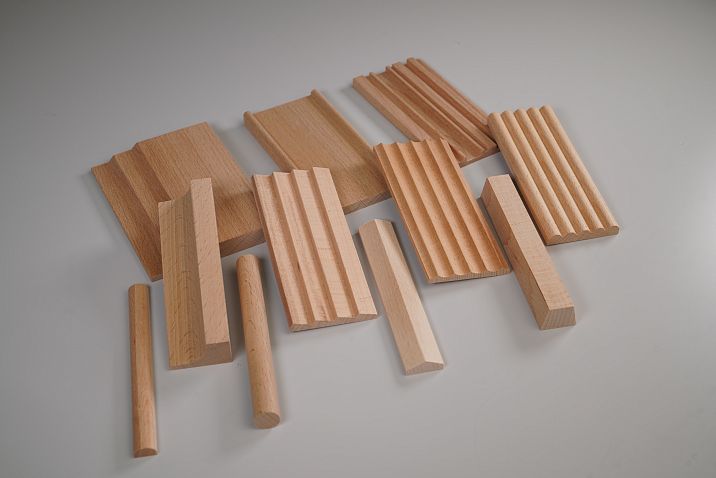
Natural wood has always occupied a special place in the construction industry due to its unique aesthetics, strength, and ecological purity. The use of wood in construction dates back thousands of years, and today wood-based materials remain one of the most sought-after solutions for creating comfortable, beautiful, and eco-friendly structures. In this article, we will thoroughly examine wood materials for construction, their types, advantages, modern processing technologies, and practical applications. Special attention is given to how natural wood can be integrated into modern construction projects, combining centuries-old craftsmanship traditions with innovative production methods. Additional information and a wide range of products can be found inthe solid wood products catalog.


1. Historical Overview: Traditions and Significance of Wood in Construction




1.1 Early Civilizations and First Uses of Wood
Wood accompanied humanity since the earliest times. Primitive peoples used wood to make dwellings, tools, and transportation. Archaeological findings indicate that even in prehistoric times, people created wooden structures based on the availability and ease of processing this material. In ancient civilizations of Egypt, Mesopotamia, China, and India, wood was the primary construction resource, used both for building homes and for creating public and religious structures.
Our factory also produces:


1.2 Development of Craftsmanship and Construction in Antiquity
Over time, skills in working with wood improved, and ancient craftsmen created true masterpieces combining functionality and artistic expression. Greek and Roman engineers used wood to build bridges, ships, and public buildings. Wood was used not only as a structural material but also for decorative facade and interior finishes, and even statues. Woodworking traditions were passed down from generation to generation, forming a rich cultural heritage that continues to influence modern architectural solutions.
Get Consultation
1.3 Middle Ages and Industrial Revolution
During the Middle Ages, wood remained the primary material for building fortresses, houses, churches, and monasteries. The development of carpentry allowed the creation of items with intricate carving and decorative elements, giving buildings a refined elegance. With the onset of the Industrial Revolution, wood processing technologies received a new impetus: mechanical saws, planers, and the first sawmill factories appeared. This facilitated mass production of wooden furniture and structural components, making wood accessible to broader segments of the population.
2. Advantages of Wood Materials for Construction
2.1 Ecological Purity and Sustainability
One of the main advantages of natural wood is its ecological purity. Unlike synthetic materials, wood does not contain toxic chemical compounds, making it safe for health and the environment. With rational forest management, wood is a renewable resource capable of natural regeneration. Using ecologically clean materials contributes to creating healthy, energy-efficient, and sustainable buildings, which is especially relevant in the context of global ecological challenges.
2.2 Strength and Durability
Wood possesses high mechanical properties, allowing it to be used as a primary construction material. With proper selection of species, processing, and maintenance, wooden structures can serve for decades. The strength of wood provides reliable support for load-bearing structures, while modern protective technologies against rot, insects, and moisture significantly extend the service life of products.
2.3 Aesthetics and Natural Warmth
Natural wood is distinguished by its unique texture, rich color palette, and natural beauty, making it an indispensable element in interior and exterior design. Wooden elements impart buildings and structures with a sense of warmth, coziness, and natural harmony, creating an aesthetically appealing space. From facade cladding to decorative panels — wood can transform any object, highlighting its individuality and style.
2.4 Thermal and Sound Insulation
Due to its fibrous structure, wood possesses excellent thermal and sound insulation properties. It effectively retains heat in cold seasons and prevents excessive noise from entering rooms, enhancing comfort and energy efficiency of buildings. These properties make wood an ideal material for constructing both residential and commercial buildings.
2.5 Flexibility and Ease of Processing
Wood is easily processed, allowing craftsmen to create items of any shape and size. Modern technologies such as planing, milling, laser cutting, and thermal treatment open up boundless opportunities for creativity and design. This enables the integration of wood into the most diverse architectural and design projects while preserving its natural beauty and unique properties.
3. Types of wood materials for construction
Solid wood paneling – these are items made from whole boards, beams, and planks obtained directly from the tree trunk. This material is characterized by high strength, natural texture, and a unique grain pattern, making each item one-of-a-kind.
Solid wood paneling is a classic choice for creating durable and stylish structures capable of serving for many decades.
● Application:
○ Load-bearing structures of buildings and floors.
○ Facade and interior wall cladding.
○ Production of exclusive furniture and decorative elements.
● Advantages:
○ High mechanical strength.
○ Uniqueness and aesthetic value.
○ Possibility of restoration upon damage.
Solid wood paneling is a classic choice for creating durable and stylish structures capable of serving for many decades.
3.2 Plywood
Plywood is created by gluing several layers of veneer with alternating grain directions. This ensures high dimensional stability and strength, making plywood a universal material for construction.
● Application:
○ Wall and partition cladding.
○ Production of solid furniture.
○ Manufacturing of decorative panels and finishing elements.
● Advantages:
○ High resistance to deformation.
○ Cost-effectiveness compared to solid wood.
○ Wide range of applications.
Plywood is one of the most popular materials due to its accessibility, ease of processing, and excellent performance characteristics.
3.3 Laminated products
Laminating involves applying a decorative layer (such as veneer or laminate) onto a base made of MDF or particleboard. These products mimic the appearance of natural wood while maintaining the stability and durability of the base.
● Application:
○ Interior finishing: furniture, panels, decorative elements.
○ Cladding of exterior and interior structures.
○ Production of decorative items.
● Advantages:
○ Wide variety of textures and shades.
○ Protection of the base from moisture and mechanical damage.
○ Affordable cost.
Laminated products allow achieving a high-quality appearance at optimal production costs, making them popular in mass production.
3.4 Composite wood materials
Composite materials include products made from natural wood flour, fibers, or chips bonded with synthetic polymers. They combine the advantages of natural wood with modern performance characteristics.
● Application:
○ Construction and finishing: facades, panels, furniture.
○ Manufacturing elements requiring high resistance to external influences.
○ Use in outdoor structures where moisture resistance and durability are important.
● Advantages:
○ Enhanced resistance to moisture, rot, and insects.
○ Easy to work with and capable of creating complex shapes.
○ Durability and dimensional stability.
Composite materials allow expanding the traditional use of wood by combining its aesthetics with improved performance characteristics.
4. Wood processing technologies for construction
4.1 Drying and conditioning
Proper wood drying is a key stage that determines the quality of the final product. Modern drying chambers with automatic temperature and humidity control allow achieving optimal conditions for each wood species. This helps prevent warping, cracking, and deformation, ensuring dimensional stability and longevity of the products.
4.2 Mechanical processing: planing, milling, and sanding
After drying, the wood undergoes mechanical processing. Modern CNC machines allow achieving high precision in planing, milling, and sanding, which is especially important for creating decorative elements and load-bearing structures. Precise processing ensures uniform surface finishes, improving the material's aesthetic and performance characteristics.
4.3 Laminating and veneering
Laminating is the process of applying a decorative layer onto a base, such as MDF, particleboard, or plywood. Veneering or laminating not only gives the product the appearance of natural wood but also protects it from moisture, UV rays, and mechanical damage. Modern laminating technologies allow achieving even coating distribution while preserving all natural wood characteristics.
4.4 Thermal treatment and modification
Thermal treatment of wood improves its performance properties without using chemical additives. When heated to a certain temperature, the fiber structure changes, increasing the material's resistance to rot, moisture, and insects. Thermally modified wood retains its natural appearance but becomes stronger and more durable — an important quality for structures exposed to extreme climatic conditions.
4.5 Impregnation, varnishing, and finishing
In the final stage of production, wood is treated with protective compounds — varnishes, oils, waxes, or paints. These coatings form a thin protective layer on the surface that preserves the natural texture and color of the wood while providing additional protection against external influences. Using eco-friendly compounds ensures safety for health and the environment, which is especially relevant in modern construction projects.
5. Application of wood materials in construction
5.1 Framing construction and load-bearing structures
Natural wood in framing construction is used as the primary load-bearing material. Solid timber, glued-laminated beams, and composite materials provide high strength and durability of structures. Proper use of wood in framing construction allows creating energy-efficient and environmentally clean buildings with natural insulation and soundproofing.
● Advantages:
○ High strength and resistance to mechanical loads.
○ Natural thermal and acoustic insulation, improving the microclimate inside rooms.
○ Ecological purity and possibility of creating renewable structures.
5.2 Facade finishing and cladding
Wooden cladding panels and decorative overlays are widely used for building facade finishing. This approach not only enhances the aesthetic appearance of the structure but also provides additional protection against atmospheric influences. Modern processing methods, such as thermal modification and laminating, allow creating facades that retain their original appearance even under harsh climatic conditions.
● Advantages:
○ Aesthetic appeal and uniqueness of appearance.
○ Protection of the main structure from external influences.
○ Possibility of implementing complex design solutions using digital technologies.
5.3 Interior solutions
Wood materials for construction are widely used in interior design. From wall and ceiling finishes to creating unique furniture elements — natural wood can transform a space, adding warmth and coziness. Solid timber, plywood, veneer, and laminated products allow creating both classic and modern interiors, suitable for any taste and preference.
● Advantages:
○ Unique texture and natural tones, creating a cozy atmosphere.
○ Durability and resistance to wear with proper care.
○ Ability to integrate with modern technologies such as digital carving and laser engraving.
5.4 Commercial and public buildings
In commercial projects such as offices, shopping centers, restaurants, and hotels, the use of wood allows creating a unique, warm, and welcoming interior. Natural wood enhances the prestige of the object, contributes to forming a favorable atmosphere, and improves brand perception.
● Advantages:
○ Exclusivity and aesthetic value, contributing to creating a memorable image.
○ High functionality and durability, which is important for objects with intensive use.
○ Energy efficiency and improved sound insulation, contributing to creating comfortable conditions for work and rest.
6. Environmental and social aspects of wood usage
6.1 Environmental purity and renewability
Natural wood is an environmentally clean material obtained in accordance with sustainable forestry principles. When harvested rationally, wood is a renewable resource, reducing environmental impact and contributing to biodiversity conservation. Using ecologically certified wood (with FSC, PEFC certificates) guarantees that the material is produced according to high sustainability standards.
6.2 Energy efficiency and carbon footprint reduction
Wood has excellent thermal insulation properties, allowing significant reduction in energy consumption for heating and air conditioning of buildings. During its service life, wooden structures accumulate carbon, contributing to reduced CO₂ emissions. These factors make wood usage an important element of climate change mitigation and energy efficiency strategies.
6.3 Social value and support for crafts
Supporting traditional woodworking crafts plays an important role in preserving cultural heritage. Using natural wood in construction not only enhances the quality and aesthetics of objects but also promotes local production, creates jobs, and supports crafts passed down from generation to generation.
7. Modern trends and innovations in wood usage
7.1 Innovative processing technologies
Modern wood processing methods such as digital carving, laser engraving, CNC milling, and thermal modification significantly expand the possibilities of using wood in construction. These technologies ensure high processing accuracy, minimize waste, and preserve the natural beauty of the material. Thanks to them, wooden products become not only functional but also true works of art.
7.2 Blending tradition and modernity
Modern woodworkers successfully combine traditional crafts with innovative technologies, creating products that reflect the richness of centuries-old experience and meet modern standards. Combining classical methods of planing and carving with digital technologies allows creating unique decorative and structural solutions capable of satisfying even the most demanding requirements.
7.3 Ecological minimalism
Modern designers and architects increasingly prefer environmentally clean and minimalist solutions, where natural wood plays a central role. Simple, clean lines, use of natural tones, and absence of excessive ornamentation allow creating a harmonious and cozy interior, reflecting a connection with nature and a commitment to sustainable development.
7.4 Global cooperation and experience exchange
The global wood market is actively developing due to experience exchange between manufacturers, designers, and architects. Global cooperation promotes the adoption of advanced technologies, improves product quality, and expands product range, enabling the creation of unique projects meeting global standards and the demands of modern society.
8. Practical recommendations for selecting and integrating wood-based materials
8.1 Defining functional requirements
Before selecting wood-based materials for construction, it is essential to clearly define the tasks the products must fulfill: ensuring strength, creating a decorative effect, improving thermal and sound insulation, or forming a unique visual image. Clear understanding of functional requirements helps select optimal wood species and processing technologies.
8.2 Material selection criteria
When selecting material, consider the following parameters:
● Wood species: Oak, walnut, beech, pine, birch – each species has its own characteristics affecting the appearance, strength, and cost of the product.
● Processing methods: Precision technologies of planing, laminating, thermal treatment, and digital carving ensure high product quality.
● Ecological certification: The presence of certificates (FSC, PEFC) confirms that the wood is sourced in accordance with sustainable forestry and ecological responsibility standards.
8.3 Care for wooden items
To maintain the aesthetic and functional properties of natural wood items, it is necessary to follow care guidelines:
● Regular cleaning: Wipe wooden surfaces with a soft cloth, avoiding aggressive cleaning agents.
● Renewing protective coatings: Periodically apply varnish, oil, or wax to protect wood from moisture, UV radiation, and mechanical damage.
● Climate control: Maintain stable temperature and humidity levels in the room to prevent warping and deformation.
8.4 Combination with other finishing materials
Natural wood combines beautifully with metal, glass, stone, and textiles. Proper combination of different materials allows creating harmonious and stylish interiors, where each detail highlights the natural beauty and functionality of the structure.
9. Conclusion
Wood-based construction materials represent a choice in favor of quality, aesthetics, and ecological responsibility. Natural wood, possessing unique physicochemical properties, enables the creation of durable, energy-efficient, and beautiful structures that form the basis of modern and classic design. It brings warmth, comfort, and natural harmony to any building, reflecting centuries-old craftsmanship traditions and advanced processing technologies.
Modern construction trends focus on using eco-friendly materials that support sustainable development and conservation of natural resources. Innovative processing methods, digital modeling, and global collaboration among manufacturers enable the creation of products meeting the highest standards of quality and aesthetics. Natural wood remains a symbol of natural beauty and durability, uniting tradition with modernity and offering new generations the opportunity to enjoy genuine natural luxury.
Choosing wood-based materials for construction means investing in quality, style, and ecological purity that will delight you and your loved ones for many years. For more detailed information and to explore the range of wooden products, we recommend visitingthe catalog of solid wood productsHere, you will find the best solutions to implement your projects and make an informed choice in favor of natural, durable, and aesthetically pleasing materials.
Natural wood is not just a construction material. It is a philosophy reflecting the connection between humans and nature, craftsmanship culture, and the pursuit of creating harmonious, cozy, and long-lasting spaces. May your building, home, or office be filled with warmth and natural beauty, and every detail crafted from natural wood become a symbol of quality, traditions, and innovations in modern construction.