Article Contents:
- Introduction: The Philosophy of a Wooden House
- Natural Beauty and Ecological Safety
- Traditions and Modern Technologies
- Role of Wooden Decor in Interior Design
- Examples of Wooden Decor Applications
- Surface Mount Decor as a Modern Solution
- Wooden skirting boards
- Wooden cornices
- Wooden moldings and wooden battens
- Wooden strips
- Wooden corners
- Advantages of using natural wood
- Wood Processing and Finishing Technologies
- Choosing quality material
- Care for Wood Finishing
- Installation and mounting
- Traditional Wooden House
- Modern Design in a Wooden House
- Combining Finishes in a Country Wooden House
- Durability and Reliability
- Ecological safety
- Ease of Installation and Maintenance
- Ideas for Classic Interior Design
- Modern Minimalist Solutions
- Eco-Design and Natural Materials
- Durability of Natural Wood
- Ecological Safety and Comfort
- Ease of Installation and Maintenance
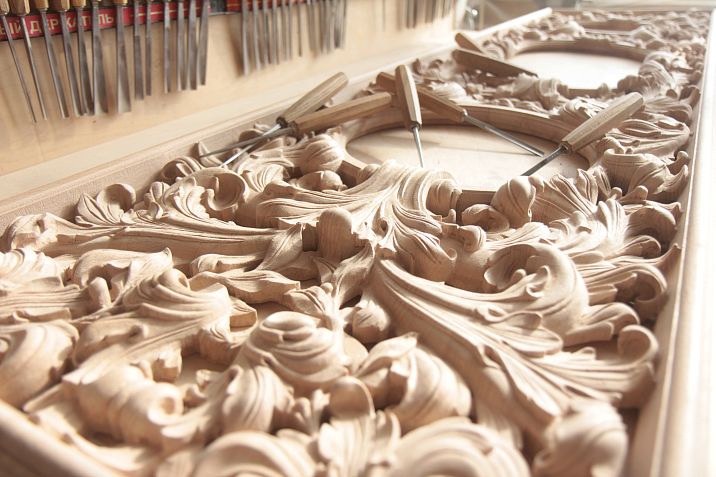
A wooden house is not just a dwelling, but a manifestation of ideas of coziness, ecological safety, and harmony with nature. Interior finishing of such a house requires a special approach, where primary attention is given to natural materials, traditional craftsmanship, and innovative wood processing technologies. In this article, we will examine key materials for interior finishing of a wooden house, paying special attention to decorative elements such as wooden decor and surface mount decor, as well as trim elements. We will discuss in detail skirting boards, cornices, moldings, rails, and angles — each of these elements that allow creating a harmonious and functional interior. For your convenience, all key terms are provided with separate links so you can learn more about the offered products.


Introduction: The Philosophy of a Wooden House




Natural Beauty and Ecological Safety
A wooden house reflects humanity's aspiration to live in harmony with nature. Wood, as a natural material, possesses an unparalleled texture, rich tones, and a unique aroma that imbues the space with a special atmosphere of coziness and warmth. Interior finishing of such a house becomes an inseparable part of its character, creating a sense of liveliness, lightness, and naturalness.
Our factory also produces:
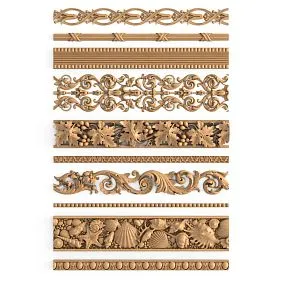


Traditions and Modern Technologies
Finishing a wooden house combines centuries of traditional craftsmanship with modern wood processing technologies. Today, artisans use both time-tested manual methods and innovative CNC machines, enabling them to achieve the highest quality of finishing work. This symbiosis of tradition and cutting-edge technology ensures durability, practicality, and aesthetic appeal of every interior element.
Get Consultation
Wooden decor: focus on natural beauty
The role of wooden decor in interior design
Wooden decor is a way to highlight the uniqueness of natural material. It can bring into the interior that very atmosphere of nature, which is so necessary for creating coziness in a wooden house. Each wooden decor element has its own individuality: fiber texture, unique grain pattern, warm tones — all of this makes wooden decor exclusive and unmatched.
Examples of wooden decor application
In the interior of a wooden house, decor can be used both to create accent zones and for overall space design. For example, decorative elements can be placed on walls, niches, doors, and windows, emphasizing the architectural features of the room. They can be combined with other natural materials such as stone, metal, or glass, allowing for a balanced and harmonious design.
Surface-mounted decor as a modern solution
One of the most current solutions for interior finishing is surface-mounted decor. It consists of decorative panels or inserts that are attached to wall or furniture surfaces. Surface-mounted decor allows quickly transforming a room, giving it depth and elegance. Thanks to modern manufacturing technologies, such elements feature high precision and durability.
For more detailed information about surface-mounted decor, please visit:
applied decor
Wooden trim: Finishing touches for interiors
Wooden trim elements serve both aesthetic and practical functions, unifying all decorative solutions into a cohesive whole and giving the interior a finished look.
Wooden baseboards
Baseboards are the most important trim elements, helping to conceal the junctions between walls and floors, ensuring a neat and finished appearance of the room. They not only protect surfaces from mechanical damage but also serve as decorative elements, highlighting the natural beauty of wood. Wooden baseboards are available in various shapes and styles, allowing them to be selected for any interior, whether classic or modern.
To learn more about baseboards, we recommend visiting the link:
Wooden skirting boards
Wooden cornices
Crown mouldings are decorative elements used to finish transitions between walls and ceilings. They play an important role in distributing light within the room and visually expanding the space. Wooden crown mouldings add elegance and refinement to the interior, emphasizing the high level of finishing. They can be used in both residential and commercial spaces where an impressive and harmonious design is required.
For more detailed information about crown mouldings, please visit the link:
Wooden beams
Wooden moldings and wooden battens
Mouldings are classic decorative elements used to create smooth transitions between different surfaces: walls, ceilings, doorways. They help structure the interior, adding elegance and refinement. At the same time, wooden planks can serve as standalone decorative elements or as a basis for creating complex structural solutions. Combining mouldings and planks allows achieving a high level of detail and artistic expression.
To learn more about mouldings and planks, visit:
Wooden strips
Strips are thin boards used to create decorative lines and rhythmic accents in the interior. They can be installed individually or in combination with other trim elements. Strips add additional depth and visual rhythm to walls, which is especially relevant for minimalist interiors where every detail matters.
Planks are thin strips used to create decorative lines and rhythmic accents in the interior. They can be used as standalone decorative elements or in combination with other trim elements. Wooden planks add lightness and airiness to the space, highlighting the natural wood texture and creating visual lines that help structure the space.
To learn more about planks, please visit the link:
Wooden rails
Corners are elements designed for neat finishing of junctions between walls and other surfaces, such as floors or ceilings. They serve to protect against mechanical damage and give the interior a finished look. Wooden corners are distinguished by their strength and aesthetics, making them an indispensable part of quality trim.
Corner pieces are decorative elements designed to neatly finish junctions between different surfaces, such as between walls and floors or between walls and ceilings. They help conceal technical gaps and give the interior a finished look. Wooden corner pieces are characterized by high strength and aesthetics, being an indispensable part of quality trim.
For additional information about corner pieces, we recommend visiting:
Wooden angles
Materials for interior finishing of wooden houses
Advantages of using natural wood
Natural wood is one of the most popular materials for interior finishing of wooden houses. Its main advantages lie in ecological safety, durability, and aesthetic appeal. Wood not only creates a sense of natural harmony but also serves as an excellent thermal and sound insulation material. With proper care and timely treatment, natural wood can retain its properties for many years without losing its beauty.
Wood finishing and treatment technologies
Modern wood finishing technologies allow achieving high precision and quality in decorative elements. Among the most common methods are hand carving, sanding, varnishing, and treatment with natural oils. These processes not only highlight the natural texture and color of wood but also protect it from external factors such as moisture and mechanical damage.
The application of modern technologies allows combining traditional craftsmanship with innovative solutions, opening new horizons for designers and architects. As a result, a material is obtained that meets the highest standards of quality and aesthetics, making the interior of a wooden house truly unique.
Practical recommendations for selecting and caring for wooden house finishes
Choosing quality material
When selecting materials for interior finishing of wooden houses, it is important to pay attention to the quality of wood. Key criteria include uniform texture, absence of defects, rich color saturation, and high strength. Only high-quality wood can ensure the longevity and durability of decorative elements. Before making a final decision, it is recommended to review the product range and technical specifications available on the market.
Care for wooden finishing
Proper care of wooden elements is the key to their long service life and preservation of their original appearance. Regular dust cleaning, use of mild cleaning agents, and periodic treatment with natural oils or waxes will help maintain the color and texture of the wood. Avoid aggressive chemical substances that can damage the surface, and monitor indoor climate conditions to prevent sharp temperature and humidity fluctuations.
Installation and Setup
Quality interior finishing of wooden houses is impossible without proper installation. When installing decorative elements such as baseboards, crown mouldings, mouldings, planks, and corner pieces, it is essential to strictly follow technical requirements and manufacturer recommendations. Professional installation ensures not only aesthetic completeness of the interior but also durability of joints, preventing deformation and mechanical damage.
Examples of successful interior design solutions
Traditional wooden house
In traditional wooden houses, finishing is always given special attention. Natural wood, used both for load-bearing structures and decorative finishing, creates a sense of coziness and home warmth. Decorative elements made in a classic style, such as %s, harmoniously blend into the interior, emphasizing its traditional values and cultural heritage. Such solutions make the house not only beautiful but also functional, where every detail matters.applied decor, Wooden skirting boards, Wooden beams, wooden moldings, wooden beams, Wooden rails andWooden anglesThey harmoniously blend into the interior, highlighting its traditional values and cultural heritage. Such solutions make the home not only beautiful but also functional, where every detail matters.
Modern design in a wooden house
Modern interiors of a wooden house often combine traditional elements with minimalist and innovative solutions. In this case, emphasis is placed on clean lines, natural materials, and functionality. For example, the use ofoverlay decoration in combination with minimalistwooden cornices andwooden rails allows creating a stylish and modern interior, where each element highlights the uniqueness of the space. In such houses, emphasis is placed on functional zones, where decorative elements become an integral part of the overall design concept.
Combining finishes in a country wooden house
Decorative elements, such asapplied decor, in combination with classic molding –wooden trim, wooden cornices, wooden moldings, wooden beams, wooden rails andwith wooden corner blocksallows creating an interior where every detail speaks of attention to tradition, high quality, and aesthetics. Such houses become not only cozy places to live, but also objects of design inspiration.
Economic efficiency and practicality of finishing a wooden house
Durability and reliability
One of the main factors influencing the choice of materials for finishing is their durability. Natural wood, when properly processed and maintained, retains its properties for decades. Quality finishing using decorative wooden elements ensures high resistance to wear and mechanical damage. This allows reducing costs for repairs and interior updates, making investment in natural wood economically beneficial.
Ecological Safety
Modern requirements for ecology and health make the use of natural materials especially relevant. A wooden house finished with natural materials creates a favorable microclimate, does not emit harmful substances, and contributes to improving air quality in the room. Such eco-friendly solutions are especially valuable for families with children and people leading a healthy lifestyle.
Ease of installation and maintenance
Modern production technologies for wooden decorative elements allow significantly simplifying the installation process. Professional installation of molding, moldings, and applied decor guarantees ideal harmony between aesthetics and functionality. Moreover, natural wood is easy to restore: regular maintenance and timely restoration allow maintaining its original appearance without significant expenses.
Design projects and ideas for finishing a wooden house
Ideas for a classic interior
A classic interior of a wooden house is always associated with warmth, elegance, and luxury. Here, decorative appliqués and molding, executed with high precision and craftsmanship, are indispensable.applied decor can transform any hallway or living room, giving the space a unique charm. In combination withwooden trim andwooden cornices, the classic interior acquires completeness and harmony. Details of finishing, such aswooden moldings, wooden beams, Wooden rails andWooden angles, complete the image, creating an atmosphere of antiquity and refined taste.
Modern minimalist solutions
In a modern interior, a wooden house can look completely new. Minimalist design, where attention is primarily given to clean lines and functionality, combines beautifully with natural materials. Here, key roles are played by minimalist decorative elements, such asapplied decor, which add lightness and modernity to the space. Along with this, properly selected molding –Wooden skirting boards, Wooden beams, wooden moldings, wooden beams, Wooden rails andWooden angles – helps structure the space and creates a sense of completeness even in the most minimalist interior.
Eco-design and natural materials
, in combination with molding elements –overlay decoration– create unique spaces where every detail emphasizes the naturalness and eco-friendliness of materials. Such solutions are suitable not only for private homes but also for commercial spaces, where the health and comfort of visitors are important.wooden trim, wooden cornices, wooden moldings, wooden beams, wooden rails andwith wooden corner blocks They create unique spaces where every detail emphasizes the naturalness and eco-friendliness of materials. Such solutions are suitable not only for private homes but also for commercial spaces, where the health and comfort of visitors are important.
Economic and practical efficiency of finishing a wooden house
Durability of natural wood
Using high-quality natural materials for interior finishing of a wooden house is an investment in the future. With proper care, wood can retain its properties for decades. Elements of finishing, manufactured using modern technologies, are resistant to mechanical damage and environmental influences, which allows reducing costs for repairs and interior updates.
Ecological safety and comfort
Natural wood is an eco-friendly material, free of harmful substances. This is especially important for living spaces, where air quality and a pleasant atmosphere play a decisive role. Using eco-safe materials contributes to creating a healthy living environment and positively affects the overall well-being of the residents.
Ease of installation and maintenance
Modern installation technologies for decorative elements significantly simplify the finishing process of wooden houses. Professionally executed installation guarantees not only aesthetic completion but also durability of joints, eliminating the need for frequent repairs. Regular care of finishing materials — cleaning, treatment with protective compounds, and timely restoration — ensures their original appearance for many years.
Conclusion: Creating a unique interior for a wooden house
Materials for interior finishing of wooden houses represent a whole philosophy, combining traditional craftsmanship, modern technologies, and a commitment to ecological purity. Wooden and applied decorative elements, crafted with love for nature and respect for traditions, are capable of transforming any room, giving it individuality and a unique character.
The use of such decorative elements asapplied decor, allows quickly and effectively refresh the interior, adding depth and expressiveness. Trim elements such asWooden skirting boards, Wooden beams, wooden moldings, wooden beams, Wooden rails andWooden angles, complete the interior image, creating a harmonious and thoughtfully designed space.
When selecting materials for finishing a wooden house, it is important to consider not only their aesthetic qualities, but also practicality, durability, and ecological safety. Properly executed finishing can highlight the uniqueness of the house, create an atmosphere of comfort and well-being, and also express the individual style of the owner.
Natural wood used in finishing brings a sense of connection with nature, brings warmth and liveliness into the house, and also contributes to creating a healthy microclimate. Thanks to modern processing and restoration technologies, wooden decorative elements remain relevant and in demand, meeting even the highest requirements of modern design.
In conclusion, materials for interior finishing of wooden houses are not just functional elements, but true works of art capable of transforming space, making it unique and irreplaceable. Let each finishing element become a reflection of your individuality, a symbol of love for traditions and pursuit of perfection. By creating an interior filled with natural materials, you invest in the health, comfort, and well-being of your loved ones, as well as in preserving the beautiful history of craftsmanship and cultural heritage.
Thus, finishing a wooden house using quality decorative elements is a path to creating a unique, cozy, and ecologically safe space, where every detail is thoughtfully designed and executed with care. May your home become a place where traditions meet innovations, and natural wood provides warmth, comfort, and genuine beauty for many years.