Article Contents:
- 1. History and Significance of Wood in Table Production
- 1.1 Roots of Traditions
- 1.2 Role of Wood in Modern Interior Design
- 2.1 Oak
- 2.2 Walnut
- 2.3 Ash
- 2.4 Birch and Pine
- 3.1 Drying and Conditioning
- 3.2 Mechanical Processing: Planing, Milling, Sanding
- 3.3 Laminating and Finishing
- 3.4 Thermal Treatment and Modification
- 3.5 Staining, Lacquering, and Finishing
- 4.1 Table Construction and Design
- Dining tables
- Writing Desks
- Coffee Tables
- 4.2 Use of Decorative Elements
- 4.3 Functionality and Ergonomics
- 5.1 Ecological Purity and Sustainability
- 5.2 Social Value of Crafts
- 6.1 Integration of Modern Technologies
- 6.2 Ecological Minimalism
- 6.3 Personalization and Custom Projects
- 6.4 Global Collaboration and Experience Exchange
- 7.1 Defining Tasks and Functional Requirements
- 7.2 Selection of Wood Species
- 7.3 Processing Technology and Finishing
- 7.4 Care for the Finished Product
- Dining Tables for Home
- Office Furniture
- Individual Designer Projects
Wooden table materials form the foundation not only of functionality but also of the artistic expressiveness of furniture. Natural wood has long served as a symbol of luxury, reliability, and warmth, while modern processing technologies allow us to fully realize its potential. Wooden tables are not merely work surfaces but central interior elements that can embody style, refinement, and ecological responsibility.
wooden tables catalogwooden tables catalog.


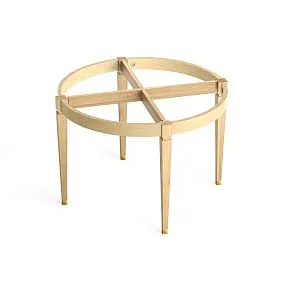
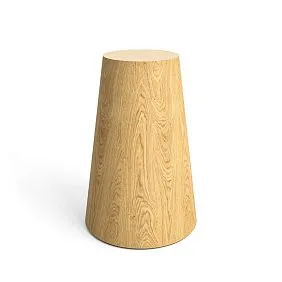
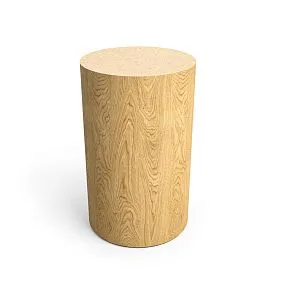
1. History and significance of wood in table production




1.1 Roots of traditions
The use of wood in furniture production has deep historical roots. Even in ancient times, wooden tables served as centers of domestic and public gatherings, becoming places for conversation, dining, and creative activities. In ancient civilizations such as Greece and Rome, skilled craftsmen created exquisite wooden tables adorned with carved elements and inlays, reflecting the high status of their owners.
Medieval masters continued this tradition, crafting tables for castles and monasteries, where every detail was meticulously planned. The transmission of craftsmanship knowledge from generation to generation allowed preserving unique wood processing methods, as well as creating not only functional but also aesthetically perfect interior items.
Our factory also produces:


1.2 Role of wood in modern interior design
Today, wooden tables remain an enduring symbol of coziness, eco-friendliness, and style. In an era of mass production and synthetic materials, natural wood is valued for its durability, strength, and ability to create a warm atmosphere in the home. Modern designers return to traditional materials, striving to create furniture that not only meets functional requirements but also inspires with its beauty, reflecting a connection to nature.
Get Consultation
2. Main types of wood for tables
The choice of wood species directly affects the appearance, strength, and durability of the table. Let's consider the most popular types of wood used in table production.
2.1 Oak
Oak is one of the strongest and most durable materials, traditionally used for furniture production. Oak has a rich texture and warm tone that develops a noble patina over time. Oak tables are highly resistant to mechanical damage and humidity fluctuations, making them ideal for use in both classic and modern interiors.
● Advantages of oak:
○ High strength and durability.
○ Unique wood grain pattern and natural texture.
○ Eco-friendliness and restorability.
● Disadvantages:
○ Relatively high cost.
○ Significant weight, requiring additional effort for transportation and installation.
2.2 Walnut
Walnut is a noble species known for its dark, deep tones and expressive grain. Walnut tables are often associated with luxury and exclusivity. Walnut wood gives furniture an elegant and refined appearance, especially valued in elite interiors.
● Advantages of walnut:
○ Rich color palette and refined texture.
○ Easy to work with, allowing creation of delicate decorative elements.
○ Prestige and exclusivity of products.
● Disadvantages:
○ High price and limited availability of quality raw material.
○ Requires maintenance to preserve shine and color saturation.
2.3 Ash
Ash is a species characterized by a light tone, expressive texture, and high elasticity. Ash tables are popular due to their versatility: they easily fit into interiors in both classic and modern styles. Ash has good strength, making it suitable for creating functional and durable furniture.
● Advantages of ash:
○ Easy to work with and capable of creating complex shapes.
○ Appealing appearance with natural light tones.
○ Universality in application.
● Disadvantages:
○ Susceptibility to warping with improper care.
○ Need to maintain optimal climatic conditions.
2.4 Birch and pine
Birch and pine are more accessible options for natural wood. These species are often used to make furniture in the country or Scandinavian minimalist styles. Although they are less durable than oak or walnut, their ease of processing and natural beauty make them a popular choice for budget-constrained projects.
● Advantages of birch and pine:
○ Affordable cost.
○ Ease of processing and variety of finishing options.
○ Pleasant, light tones that create a sense of spaciousness and freshness.
● Disadvantages:
○ Lower strength and durability compared to hardwoods.
○ Prone to scratches and other mechanical damage.
3. Wood processing technologies and their impact on cost
3.1 Drying and Conditioning
Proper wood drying is the foundation of the longevity of wooden tables. Modern technologies allow maintaining optimal conditions in drying chambers, reducing the likelihood of cracking, warping, and deformation. Conditioning wood helps preserve stable dimensions and strength, which is especially important for tables subjected to regular mechanical loads.
3.2 Mechanical processing: planing, milling, sanding
After drying, wood undergoes planing, milling, and sanding. Using computer numerical control (CNC) machines ensures high-precision processing, allowing the creation of complex decorative patterns, carved elements, and flawless surfaces. This approach not only enhances the appearance of the product but also improves its functionality and durability.
3.3 Laminating and Veneering
To imitate expensive wood species, lamination is often used. Laminate countertops and decorative panels made from MDF or particleboard are covered with a thin layer of veneer or laminate, achieving the effect of solid wood. This method significantly reduces the cost of the product while preserving the aesthetic qualities of natural wood.
3.4 Thermal Treatment and Modification
Thermal wood treatment is an innovative method that improves the material's performance without using chemicals. When heated, wood becomes more resistant to rot, moisture, and insects. Thermally modified wood retains its natural appearance but gains additional strength, which is a crucial factor when selecting material for tables that will be heavily used.
3.5 Impregnation, varnishing, and finishing
The final stage of wood processing is applying protective coatings such as varnishes, oils, waxes, or paints. These coatings not only highlight the natural texture and tones of the wood but also create a thin protective layer on the surface that protects the material from moisture, UV radiation, and mechanical damage. Eco-friendly coatings allow preserving the natural beauty of wood, ensuring its longevity and aesthetic appeal.
4. Application of materials for wooden tables
4.1 Table construction and design
Wooden tables are not just functional furniture but also a central element of interior design that sets the style and atmosphere of a space. Depending on the purpose of the tables — dining, writing, or coffee tables — different constructions and design solutions may be applied.
Dining tables
Dining tables made from solid wood or veneer should be strong and durable for daily use. The choice of wood species depends on the desired style: for classic interiors, oak or walnut are often chosen, while for modern interiors, beech or birch are preferred. Wooden dining tables add warmth and coziness to interiors, creating the atmosphere of a family hearth.
Writing tables
Writing tables should combine functionality and aesthetics. It is important that the surface is flat and smooth, and the construction is strong enough to withstand prolonged use. Modern processing technologies allow creating tables with neat edges and complex decorative elements that highlight the individual style of the workspace.
Coffee tables
Wooden coffee tables are most commonly used in living rooms and lounge areas. They can be designed in either classic or minimalist styles. Thin decorative panels used in the tabletop design allow creating a light and airy look that will be a perfect complement to the overall interior.
4.2 Application of decorative elements
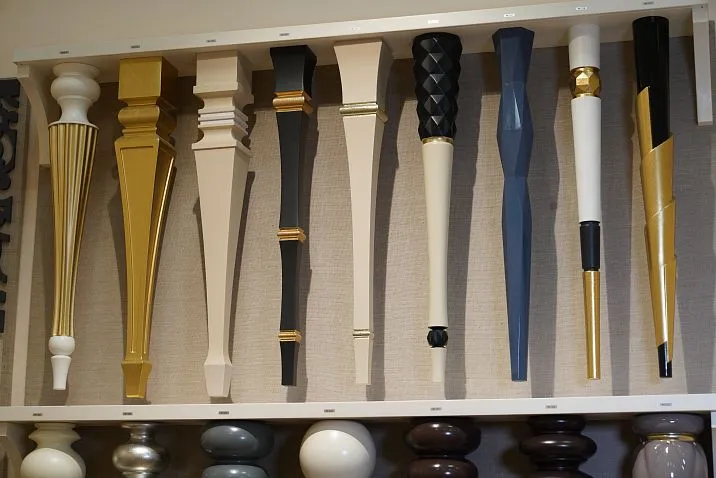
In addition to the main construction, decorative finishing of tables is an important aspect. Carved elements, inlays, engraving, and laser cutting allow creating unique design solutions that reflect the owner's personality. Such decorative elements can be applied to the tabletop surface or to the frame, making each table a work of art.
To explore a wide range of decorative elements and classic solutions in wooden tables, we recommend visiting Catalog of wooden furniture.
4.3 Functionality and ergonomics
When designing wooden tables, it is necessary to consider not only aesthetic but also functional requirements. Ergonomic design, proper proportions, and ease of use are the key to a successful product. Modern tables can be equipped with additional elements such as built-in shelves, drawers, or cable management systems, which allow optimizing the workspace and ensuring comfortable use under various conditions.
5. Ecological and social significance
5.1 Ecological purity and sustainability
One of the key advantages of materials for wooden tables is their ecological purity. Natural wood, obtained in accordance with sustainable forestry principles, contains no harmful substances and is a renewable resource. Using ecologically clean materials contributes to creating a healthy and safe interior, which is especially important in the context of the modern ecological crisis.
5.2 Social significance of craftsmanship
Supporting traditional crafts and woodworking technologies has important social significance. Woodworkers pass on their knowledge from generation to generation, preserving cultural heritage and creating unique items valued around the world. Choosing wooden tables made of natural wood supports artisans and promotes local production, positively impacting the economies of regions rich in forest resources.
6. Modern trends and innovative solutions
6.1 Integration of modern technologies
Modern processing technologies, such as laser cutting, CNC milling, and digital modeling, allow creating wooden tables with incredible precision and unique decorative elements. These methods ensure high-quality processing, minimize waste, and enable the realization of the most daring design ideas. Thanks to the integration of traditional craftsmanship and modern technologies, wooden tables become not only functional but also works of art.
6.2 Ecological minimalism
Modern interiors are increasingly oriented toward ecological minimalism, where natural wood is used in its original form without excessive ornamentation. Simple lines, natural tones, and clean shapes create a harmonious space where each element emphasizes the connection with nature. Wooden tables designed in a minimalist style reflect this trend, creating coziness and comfort without unnecessary luxury.
6.3 Personalization and custom projects
Modern customers increasingly seek individualized design solutions. Wooden tables made to order can become the centerpiece of an interior, reflecting the owner’s personal style and preferences. Personalization allows integrating unique decorative elements, carving, inlays, and engraving, creating items that are not only functional furniture but also works of art.
6.4 Global cooperation and experience exchange
The global wood market is actively developing due to international cooperation among manufacturers, designers, and architects. Exchanging experience and implementing advanced technologies enable creating products meeting the highest quality and ecological responsibility standards. Catalogs, such asthe catalog of wooden tables, help consumers find the best solutions for their projects and contribute to forming a sustainable market for natural materials.
7. Practical recommendations for choosing wooden tables
7.1 Defining Tasks and Functional Requirements
Before purchasing a wooden table, it is important to determine its purpose and functional requirements. Consider for what space the table is intended — dining area, office, living room, or home office. This will help select the optimal size, shape, and style of the item, as well as determine necessary decorative elements.
7.2 Selection of wood species
The choice of wood species directly affects the appearance, strength, and durability of the table.
● For classic interiors, oak or walnut are often chosen — they give the item a luxurious and solid appearance.
● For modern and minimalist solutions, maple, birch, or pine may be suitable — they are lighter in weight, have a lighter tone, and are more versatile in processing.
● For exclusive projects, consider rare wood species that give furniture individuality and uniqueness.
7.3 Processing technology and finishing
Quality wood processing is the key to the longevity and aesthetic appeal of the table. Pay attention to:
● Planing and sanding. A smooth and even surface is the foundation of high-quality finishing.
● Laminating and veneering. Applying a decorative layer allows mimicking the appearance of solid wood and protecting the base.
● Thermal treatment. Thermally modified wood has increased resistance to moisture and mechanical damage.
● Staining and varnishing. Eco-friendly finishes preserve the natural appearance of wood and provide protection against adverse external factors.
7.4 Care for the item
To maintain the original appearance and functional characteristics of the wooden table, it is necessary to follow care rules:
● Regularly clean the surface with a soft dry cloth, avoiding aggressive chemical agents.
● Periodically renew the protective coating — apply a new layer of varnish, oil, or wax.
● Monitor indoor climate conditions to avoid sharp temperature and humidity fluctuations, which may cause wood deformation.
8. Examples of Successful Projects and Inspiration
8.1 Dining tables for home
In elite homes and apartments, dining tables made of natural wood become a central element of interior design. Tables crafted from oak, walnut, or beech not only boast high functionality but also possess a unique aesthetic capable of creating an atmosphere of coziness and family warmth. Every detail — from carved elements to smoothly polished surfaces — speaks to the choice of natural wood being a commitment to quality and longevity.
8.2 Office furniture
In modern office spaces, wooden tables help create a professional yet warm and comfortable interior. Elegant tabletops, crafted using modern processing technologies, not only enhance comfort but also contribute to employees' productivity. Natural wood used in manufacturing office tables highlights the company's ecological orientation and creates a favorable working atmosphere.
8.3 Individual designer projects
Many contemporary designers strive to create unique items reflecting the client's individual style. Custom wooden tables, crafted according to individual sketches, become not just functional items but also elements of art. Personalization allows incorporating unique decorative elements, carving, inlays, and other details that make each item unique and exclusive.
For inspiration and examples of successful projects, please refer tothe catalog of wooden tables, where items combining traditional processing techniques and modern design solutions are presented.
9. Conclusion
Wooden table materials — choosing in favor of natural beauty, strength, and durability. Natural wood, possessing unique aesthetic and functional properties, remains one of the most sought-after materials for furniture manufacturing. Using quality timber allows creating items that not only decorate interiors but also serve for many years, preserving their functionality and style.
Modern processing technologies such as CNC milling, laser cutting, and thermal modification allow craftsmen to achieve incredible precision and create unique decorative elements that transform tables into works of art. In turn, the ecological purity of natural wood and its ability to adapt to modern requirements make it an ideal choice for creating sustainable and energy-efficient interiors.
When selecting materials for tables, it is important to consider not only aesthetic preferences but also functional requirements and market economic conditions. Investing in quality timber is a guarantee that furniture will serve for decades, delighting with its appearance and reliability. Choose natural wood, focusing on proven species such as oak, walnut, beech, birch, and pine, and pay attention to modern processing and finishing technologies that allow preserving the material's entire natural beauty.
For more detailed information and to explore the range of wooden products, we recommend visitingthe catalog of solid wood products. Here you will find the best solutions to implement your projects and make an informed choice in favor of natural, durable, and aesthetically pleasing materials.
Natural wood is not just a construction or furniture material. It is part of cultural heritage, reflecting the eternal beauty of nature and symbolizing the pursuit of ecological purity. Wooden tables can transform interiors, adding elegance and warmth, and can become family heirlooms passed down from generation to generation. May your choice in favor of natural wood become an investment in quality, style, and sustainability, and every detail of your interior will be filled with harmony and natural charm.