Article Contents:
- Wood: Eternal Classic in Modern Interpretation
- The nobility of natural wood
- Technological Advantages of Wooden Structures
- Features of Wood Treatment and Protection
- Metallic solutions: strength and modernity
- High-Strength Steel Structures
- Aluminum Systems: Lightness and Functionality
- Cast Iron Elements: Traditions and Durability
- Glass Structures: Transparency and Elegance
- Tempered Glass: Safety and Beauty
- Decorative Possibilities of Glass Elements
- Features of Installation and Operation
- Composite Materials: Innovations in Construction
- New Generation Polymer Composites
- Wood-polymer composites
- High-Strength Ceramic Composites
- Natural Stone: Monumentality and Prestige
- Marble: Classical Luxury
- Granite: Strength for Centuries
- Sandstone and Limestone: Natural Beauty
- Concrete Solutions: Modern Architecture
- High-Strength Concrete Mixes
- Decorative Possibilities of Concrete
- Production and Installation Technologies
- Criteria for Choosing the Optimal Material
- Operating conditions analysis
- Economic Considerations
- Aesthetic requirements
- Production and processing technologies
- Modern Methods of Shaping
- Innovative Joining Methods
- New-generation protective coatings
- Installation and Setup: Professional Approach
- Preparation Work and Planning
- Technologies for Fastening Various Materials
- Quality control and acceptance of work
- Operation and maintenance
- Regular Care and Prevention
- Diagnosis and Elimination of Defects
- Modernization and Upgrades
- Trends and innovations
- Ecological Materials of the Future
- Digital technologies in production
- Personalization and Individual Design
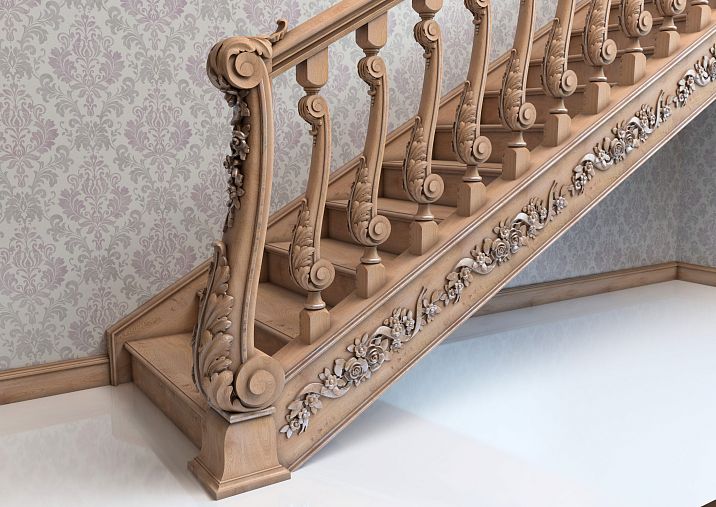
Choosing baluster material is not just a technical decision, it is an art of creating a harmonious space where functionality meets aesthetics. Each material has unique characteristics that determine not only the appearance of the staircase railing, but also its durability and practicality. In modern construction and interior design baluster material plays a key role in forming the overall architectural appearance of the room.
Modern production technologies open up limitless possibilities for creating unique staircase structures. From classic wooden solutions to innovative composite materials — each option has its advantages and specific applications. Understanding these nuances will help make an informed choice that will serve for decades and delight the eye every day.


Wood: Eternal Classic in Modern Execution




The nobility of natural wood
Wooden balusters remain the unrivaled choice for those who appreciate natural beauty and eco-friendliness. Natural wood creates a unique atmosphere of warmth and coziness that cannot be replicated with artificial materials. Each wood species possesses a unique texture, color palette, and performance characteristics.
Oak is the benchmark of strength and durability among wood species. Its dense structure and natural resistance to moisture make oak balusters an ideal choice for high-traffic areas. Dark oak tones lend a sense of solidity and respectability to staircases, especially in classic interiors. The minimum service life of oak structures is 50 years with proper care.
Ash stands out for its exceptional flexibility and dense structure, allowing the creation of balusters with complex shapes without the risk of cracking. Light ash tones harmonize beautifully with modern interior designs, and its resistance to decay makes it suitable for use in high-humidity environments.
Beech attracts attention with its beautiful texture and excellent strength characteristics, comparable to oak. However, this material requires additional protective treatment, as it is susceptible to moisture and biological factors. When properly treated with special compounds, beech balusters can last for decades.
Spruce remains the most affordable option, combining reasonable cost with good performance characteristics. The soft structure of spruce facilitates processing and allows the creation of items of varying complexity. Natural resins in the wood composition provide additional protection against pests.
Our factory also produces:


Technological Advantages of Wooden Structures
Working with wood opens up vast opportunities for creative self-expression. The material easily accepts various types of processing: sanding, cutting, milling, allowing the creation of balusters from various materials with a unique design. The minimal weight of wooden elements simplifies transportation and installation, requiring no special equipment or reinforcement of structures.
The ecological safety of wood makes it a preferred choice for residential spaces. Natural materials do not emit harmful substances, support optimal microclimate in homes, and positively affect the well-being of occupants. Wood possesses natural antibacterial properties, which is especially important under high hygiene requirements.
The possibility of restoration and renewal of wooden balusters extends their service life for decades. The surface can be repainted, covered with new protective coatings, and minor damages can be repaired without replacing the entire structure. This feature makes wood an economically advantageous solution in the long term.
Get Consultation
Features of Wood Processing and Protection
Modern wood processing technologies significantly improve its performance characteristics. Thermal treatment increases resistance to moisture and biological influences while preserving the material's eco-friendliness. Impregnation with special compounds protects against insect pests and fungal damage.
Coatings not only provide balusters with the desired appearance but also create a reliable protective barrier against external influences. Modern water-based compositions preserve the natural wood texture, allowing the material to "breathe" and preventing moisture accumulation within the structure.
Oil-based impregnations deeply penetrate the wood structure, providing protection from within. Such treatment highlights the natural beauty of the material, creating a noble matte sheen. Wax imparts a silk-like finish and additional water resistance.
Metallic solutions: strength and modernity
High-Strength Steel Structures
Metallic balusters represent the embodiment of modern technologies and design solutions. Steel provides unparalleled structural strength, capable of withstanding significant loads without deformation. This material is especially in demand in public buildings, where safety requirements are at their highest.
Stainless steel remains the leader among metallic materials due to its corrosion resistance and hygiene. A chrome-plated surface requires no special care, is easy to clean, and retains its original luster for decades. This material is ideal for spaces with high humidity and intensive use.
Carbon steel with protective coatings offers an optimal price-to-quality ratio. Modern coating application methods — zinc plating, powder coating, anodizing — provide reliable corrosion protection and allow the creation of items in any color and texture.
Alloyed steels with additions of chromium, nickel, and other elements have improved mechanical properties. These materials are used to create especially critical structures where a combination of high strength and corrosion resistance is required.
Aluminum Systems: Lightness and Functionality
Aluminum is gaining increasing popularity in staircase railing production due to its unique combination of lightness and strength. Aluminum's density is three times less than steel, significantly simplifying installation and reducing load on building support structures.
The natural oxide layer on the surface of aluminum provides excellent corrosion resistance without additional treatment. The material does not rust, requires no regular maintenance, and retains its properties across a wide range of temperatures and humidity levels.
Aluminum's technological capabilities allow the creation of complex profiles through extrusion, opening up limitless possibilities for design solutions. Anodizing and powder coating provide products with any color and texture, from wood imitation to metallic shades.
Cast Iron Elements: Traditions and Longevity
Cast iron balusters embody centuries-old traditions of metalworking and artistic casting. This material allows the creation of items with the most complex shapes and finest details, inaccessible to other manufacturing technologies.
High carbon content in cast iron provides excellent casting properties and allows the production of castings with clear contours and smooth surfaces. The material has good damping properties, reducing vibrations and noise during staircase operation.
Modern protective coatings for cast iron — primers, enamels, powder paints — provide reliable corrosion protection and allow the creation of items with various decorative effects. Properly treated cast iron balusters serve for centuries, becoming true works of art.
Glass Structures: Transparency and Elegance
Tempered glass: safety and beauty
Glass balusters represent a embodiment of modern architectural trends, where transparency and visual lightness play a key role. Use of material for balusters of tempered glass allows creating structures that practically do not clutter space, while retaining all necessary protective functions.
The tempering process increases the strength of glass five to seven times compared to ordinary material. When broken, tempered glass shatters into small fragments with blunt edges, eliminating the possibility of serious injuries. This feature makes the material safe for use in residential and public buildings.
Triplex is a multi-layered construction of two or more glass sheets bonded with a polymer film. Even if one layer is damaged, the structure retains integrity, and fragments remain adhered to the film. Such balusters provide maximum safety in childcare facilities and crowded public areas.
Laminated glass contains a metal mesh that prevents shard detachment upon breakage. Although its strength is lower than tempered glass, it has enhanced fire resistance and is often used in buildings with special fire safety requirements.
Decorative possibilities of glass elements
Modern glass processing technologies open up limitless opportunities for creating unique design solutions. Sandblasting allows creating matte surfaces with various patterns and textures. The depth of processing varies from light matting to deep relief.
Colored glass retains its hue throughout its entire service life, does not fade under UV exposure, and does not require coating renewal. The available color palette includes both classic shades and modern design solutions.
Photoprinting on glass allows applying any image with photographic quality. Special ceramic inks are baked into the glass structure, ensuring durability and resistance to external influences. This technology opens opportunities for creating unique artistic compositions.
Installation and operational features
Installation of glass balusters requires special precision and professional approach. Fastening elements must ensure even load distribution across the entire contact area, excluding point stresses. Modern fastening systems use elastic gaskets that compensate for thermal deformations.
Care for glass surfaces does not require special products — ordinary glass cleaning agents suffice. The absence of porosity prevents accumulation of contaminants and bacteria, making the material hygienic and suitable for medical facilities.
Glass balusters are not susceptible to corrosion, do not fade in sunlight, and do not alter their properties under moisture exposure. The only limitation is the need for protection against impact loads, which is addressed through proper design and use of protective elements.
Composite materials: innovations in construction
New-generation polymer composites
Composite materials represent a revolutionary solution in the production of stair railings, combining the best qualities of various materials into a single structure. Glass-polymer composites have strength comparable to steel, with significantly less weight and complete corrosion resistance.
Glass-polymer consists of glass fibers bound by a polymer matrix. This material does not conduct electricity, is not susceptible to corrosion, and has excellent dielectric properties. Glass-polymer balusters are ideal for use in aggressive environments — chemical plants, marine structures, and wastewater treatment facilities.
Carbon fiber exceeds steel in specific strength and stiffness, while remaining lightweight and technologically advanced. High cost limits its application to specialized objects requiring maximum operational characteristics.
Aramid composites combine high strength with exceptional impact toughness. These materials can absorb significant impact energy without breaking, making them indispensable in facilities with heightened safety requirements.
Wood-Plastic Composites
Wood-polymer composites (WPC) combine the ecological nature of natural wood with the practicality of modern polymers. The material consists of 60-80% wood flour bound by a polymer binder. Such a structure provides a natural appearance without the drawbacks of natural wood.
WPC is not susceptible to rot, does not attract insects or fungi, and does not require regular treatment with protective agents. The material maintains stable dimensions under changes in humidity and temperature, eliminating deformation and cracking.
Production technology allows creating profiles of any complexity with various surface textures. Mass coloring ensures uniform color across the entire cross-section, and special additives impart additional properties — fire resistance, anti-static properties, and bactericidal properties.
High-strength ceramic composites
Ceramic composites are materials of new generation, combining the hardness and wear resistance of ceramics with the ductility of metals. Addition of fibrous fillers prevents brittle failure and ensures high structural reliability.
Oxide ceramics exhibit exceptional chemical resistance and retain their properties up to 1500°C. Such materials are used in extreme operating conditions where conventional materials cannot withstand the loads.
Nitride and carbide ceramics surpass steel in hardness and wear resistance, making them ideal for heavily used facilities. High cost limits their application to special cases where unique material properties are required.
Natural stone: monumentality and prestige
Marble: classic luxury
Marble balusters embody centuries-old architectural and sculptural traditions, creating an atmosphere of luxury and elegance. This material possesses a unique ability to transform any space, imparting it with grandeur and nobility. The variety of marble colors and textures allows creating rails made of materialwhich become true works of art.
Carrara marble is considered the standard of quality due to its uniform structure and pure white color. This material was used by the great masters of the Renaissance and continues to be a symbol of perfection in modern architecture. Its fine-grained structure allows for creating items with the finest details and flawless surface finish.
Travertine is characterized by its porous structure and warm tones ranging from cream to golden. Natural pores create a unique play of light and shadow, giving the items a distinctive expressiveness. The material is lighter than classic marble, which simplifies installation and reduces load on structures.
Onyx is a translucent variety of marble with unique decorative properties. When illuminated, the material creates mesmerizing light effects, transforming balusters into elements of artistic lighting. High cost and processing complexity limit its use to exclusive projects.
Granite: strength for centuries
Granite balusters embody reliability and durability, capable of resisting any external influences without losing their original appearance. The high hardness of the material ensures exceptional wear resistance, making granite an ideal choice for public buildings and heavily used structures.
The crystalline structure of granite creates a unique play of colors and shades, where each item becomes unique. The polished surface has a mirror-like sheen and requires no special maintenance, preserving its beauty for decades.
Granite's frost resistance allows using the material in any climate conditions without risk of destruction. Low water absorption eliminates problems associated with moisture freezing in the material's pores.
Sandstone and limestone: natural beauty
Sandstone attracts with its natural beauty and variety of textures. Layered structure creates unique decorative effects, and warm tones ranging from yellow to red-brown harmoniously blend into natural landscapes.
Limestone is distinguished by its ease of processing and ability to create complex architectural forms. Porous structure provides good thermal insulation, and light tones visually expand space.
Coral limestone is a special variety of limestone with a characteristic structure of fossilized marine organisms. This material creates a unique Mediterranean-style atmosphere and has excellent sound insulation properties.
Concrete solutions: modern architecture
High-strength concrete mixes
Modern concrete compositions open new possibilities in creating stair railings, combining the monumentality of stone with the technological sophistication of modern materials. High-strength concretes with added microsilica and superplasticizers achieve strength of 100–150 MPa, comparable to natural stone characteristics.
Fiber concrete contains reinforcing fibers made of steel, glass, or polymers, which prevent crack formation and increase impact resistance. Such material allows creating thin-walled structures of complex shapes without traditional reinforcement frameworks.
Self-compacting concrete has high fluidity and the ability to fill complex shapes without vibration. This property allows obtaining items with perfectly smooth surfaces and sharp contours even of the smallest details.
Lightweight concrete based on expanded clay or perlite reduces the weight of structures while maintaining required strength. Porous structure provides additional thermal insulation properties.
Decorative possibilities of concrete
Modern technologies allow creating concrete surfaces that imitate any natural materials. Printed concrete reproduces the texture of stone, wood, brick with remarkable accuracy. Special molds and pigments allow obtaining items indistinguishable from natural materials.
Polished concrete creates surfaces with mirror-like sheen, comparable to polished stone. Diamond grinding reveals the internal structure of the material, creating unique decorative effects.
Architectural concrete with colored aggregates allows creating materials with specified aesthetic properties. Marble chips, granite gravel, colored glass become decorative elements visible on the surface of the items.
Production and installation technologies
Modern production of concrete balusters uses high-precision molds and automated lines, ensuring stable product quality. Vibration pressing removes air bubbles and creates a dense material structure.
Autoclave curing accelerates the hardening process and increases strength characteristics. Such treatment allows obtaining finished items within one day instead of the traditional 28 days of natural hardening.
Pre-stressing of reinforcement creates internal compressive stresses that counteract tensile loads during operation. This technology allows creating exceptionally strong and durable structures.
Criteria for selecting the optimal material
Analysis of operating conditions
Material selection for balusters should be based on a thorough analysis of operating conditions and specific requirements of the object. Climatic factors play a decisive role in determining the durability of structures. In regions with sharp temperature fluctuations, preference should be given to materials with low thermal expansion coefficients and high frost resistance.
Humidity of the surrounding environment determines requirements for corrosion resistance of materials. For rooms with high humidity — swimming pools, saunas, industrial workshops — materials resistant to water vapor and condensation are required.
Intensity of use affects the choice of materials with appropriate wear resistance. Public buildings with high traffic require stronger materials than private residential homes.
The chemical aggressiveness of the environment may require the use of special materials or protective coatings. Industrial facilities, laboratories, and wastewater treatment plants impose special requirements for the chemical resistance of structures.
Economic considerations
The cost of the material constitutes only part of the total expenses for creating a stair railing. It is necessary to consider expenses for processing, installation, subsequent maintenance, and possible replacement of elements during operation.
Expensive materials may prove economically advantageous in the long term due to minimal maintenance costs and a longer service life. Inexpensive materials often require regular repairs and replacements, increasing the overall cost of ownership.
The availability of materials in the region affects delivery costs and project completion times. Local materials are usually more economical and allow for a reduction in project implementation time.
The possibility of recycling and disposing of materials is becoming an increasingly important factor in selection. An environmentally responsible approach may require additional costs but ensures compliance with modern sustainable development standards.
Aesthetic requirements
Harmony with the overall architectural style of the building determines the choice of materials and their decorative treatment. Classical interiors require traditional materials — wood, stone, metal with appropriate finishes. Modern styles allow the use of innovative materials and bold design solutions.
The color palette of materials should match the overall interior concept. Neutral tones provide universality and long-term relevance, while bright colors create accents but may quickly go out of fashion.
Surface texture affects tactile sensations and visual perception of space. Smooth surfaces create a sense of modernity and lightness, while textured surfaces add warmth and coziness.
The possibility of changing the appearance in the future may become an important factor in selection. Materials that allow repainting or updating finishes provide flexibility in changing interior design.
Production and processing technologies
Modern shaping methods
Revolutionary changes in production technologies open new possibilities for creating materials for balusters of any complexity and configuration. Additive technologies, including 3D printing, allow creating items that cannot be obtained by traditional processing methods.
Laser cutting provides exceptional precision for processing metallic and polymer materials. Computer control allows creating the most complex patterns and ornaments with minimal tolerances. The absence of mechanical contact eliminates deformations and ensures perfect edge quality.
Hydro-abrasive cutting handles materials of any hardness, including hardened steel, ceramics, composites. A high-pressure water stream with abrasive particles cuts material up to 200 mm thick, maintaining accuracy to tenths of a millimeter.
CNC milling transforms digital models into finished products with high precision. Multi-axis machines allow processing complex three-dimensional surfaces in a single setup, eliminating repositioning errors.
Innovative joining methods
Modern material joining technologies ensure structural strength and longevity without compromising aesthetics. Structural adhesives create bonds whose strength exceeds the strength of the joined materials.
Friction welding allows joining dissimilar metals without melting, which prevents changes in material structure in the joint zone. This technology is especially effective for aluminum structures.
Ultrasonic welding of polymers creates hermetic joints without additional materials. High-frequency vibrations heat the material in the contact zone, ensuring molecular bonding.
Vacuum diffusion welding allows joining materials at the atomic level, creating monolithic structures from individual elements.
Protective coatings of the new generation
The development of nanotechnology has led to the creation of coatings with unique properties. Nanostructured surfaces have self-cleaning properties, repel water and contaminants, and provide an antibacterial effect.
Ceramic coatings are applied by plasma spraying and create superhard surfaces resistant to wear and corrosion. The coating thickness is tens of microns, but provides protection for decades.
Polymer coatings with shape memory can autonomously eliminate minor damage upon heating. Scratches and chips disappear without human intervention.
Photocatalytic coatings decompose organic contaminants under light, providing self-cleaning surfaces and improving air quality in rooms.
Installation and mounting: professional approach
Preparation and planning
Quality baluster installation begins with careful planning and preparation. Precise measurements and detailed installation plans eliminate errors and ensure perfect fitting of all elements. Modern laser measuring devices allow achieving accuracy down to fractions of a millimeter.
Foundation preparation requires special attention, as the quality of fastening affects the safety of the entire structure. Concrete foundations must have sufficient strength and a flat surface. Wooden structures require checking for rot and sufficient load-bearing capacity.
Installation location marking is performed using professional tools. Laser levels ensure ideal horizontal and vertical alignment of elements. Templates and guides speed up work and eliminate marking errors.
Selection of fasteners must correspond to the type of foundation and baluster material. Chemical anchors provide maximum fastening strength in concrete. Mechanical anchors are suitable for quick installation but require precise drilling of holes.
Technologies for joining different materials
Each material requires specific fastening methods that take into account its physical and mechanical properties. Wooden balusters are traditionally secured with dowels and nails, providing a strong and aesthetically pleasing connection. Modern adhesives enhance the connection and prevent loosening.
Metallic structures use welded, bolted, or combined connections. Welding provides maximum strength but requires subsequent treatment of welds. Bolted connections allow for disassembly, which is important for maintenance.
Glass elements require special fastening systems that exclude point loads. Clamping profiles distribute forces over the entire contact area. Structural glazing uses special sealants that create a strong and watertight connection.
Stone balusters are secured using metal pins and cementitious mortars. Modern polymer compounds provide connection strength while maintaining elasticity, which is important for compensating thermal deformations.
Quality control and acceptance of work
Professional installation includes multi-stage quality control at all stages of work. Intermediate inspections allow identifying and eliminating defects before completion of installation. Use of measuring instruments ensures objective quality assessment.
Fastening strength is checked using torque wrenches and special instruments. Load tests confirm compliance with design requirements. All results are recorded in test protocols.
Geometric parameters of the structure are checked using laser instruments. Deviations from vertical and horizontal alignment must not exceed allowable values. Uniformity of baluster spacing is controlled using special templates.
Final finishing includes eliminating minor defects, polishing surfaces, and applying protective coatings. The quality of finishing determines not only the appearance but also the longevity of the structure.
Operation and Maintenance
Regular care and prevention
Proper maintenance extends the service life of balusters of any material and preserves their original appearance. Regular cleaning of contaminants prevents accumulation of aggressive substances capable of damaging the surface. Maintenance frequency depends on the material, operating conditions, and usage intensity.
Wooden balusters require regular renewal of protective coatings. Lacquers and paints gradually degrade under UV radiation and moisture, losing their protective properties. Timely renewal of the coating prevents wood damage and maintains aesthetic appearance.
Metallic structures require monitoring of anti-corrosion coatings. Minor paint damage must be immediately addressed to prevent corrosion development. Stainless steel requires special means for removing fingerprints and maintaining shine.
Glass surfaces are cleaned with special compositions that do not leave streaks. Abrasive agents are prohibited as they may scratch the surface. Regular cleaning prevents accumulation of lime scale and organic contaminants.
Diagnosis and elimination of defects
Timely detection of defects allows eliminating them at an early stage, preventing serious damage. Visual inspection should be conducted regularly, especially after extreme weather conditions or intensive use.
Cracks in stone and concrete elements may indicate exceeding calculated loads or violations of manufacturing technology. Small cracks are filled with special repair compounds; large damages may require replacement of the element.
Loosened fasteners are tightened by re-tightening threaded connections or replacing fastening elements. Ignoring this issue may lead to structural failure and injuries.
Corrosion of metallic elements requires immediate intervention. Damaged areas are cleaned down to metal, treated with rust converter, and coated with protective compounds.
Modernization and updating
Advancements in technology and changes in aesthetic preferences may require modernization of existing structures. Modern materials and technologies allow significantly improving baluster characteristics without full replacement.
Application of new protective coatings can fundamentally alter material properties. Hydrophobic compounds transform ordinary surfaces into self-cleaning ones. Antibacterial coatings ensure hygienic safety in medical facilities.
Replacing individual elements allows updating the structure's appearance without significant costs. Modern manufacturing technologies enable precise reproduction of historical samples for restoration projects.
Integration of modern technologies — lighting, sensors, security systems — transforms traditional balusters into "smart home" elements. Concealed wiring and wireless technologies ensure functionality without compromising aesthetics.
Trends in development and innovation
Ecological materials of the future
Growing attention to ecological issues stimulates development of new materials with minimal environmental impact. Bio-composites based on plant fibers and biodegradable polymers promise to become alternatives to traditional materials.
Recycled materials acquire new qualities thanks to modern technologies. Plastic from ocean waste transforms into strong and beautiful structural materials. Recycled glass is used to create decorative elements with unique optical properties.
Materials with negative carbon footprint absorb CO2 from the atmosphere during operation. Such technologies transform construction structures into active elements in combating climate change.
Self-healing materials can repair damage without external intervention. Microcapsules containing repair compounds activate upon crack formation, automatically sealing them.
Digital technologies in production
Integration of digital technologies revolutionizes baluster design and manufacturing processes. Parametric modeling allows creating complex shapes optimized for specific operating conditions.
Artificial intelligence analyzes multiple factors to select the optimal material and structure. Machine learning uses data on material behavior to predict longevity and plan maintenance.
Virtual and augmented reality allow clients to view the future structure in real scale before production begins. This eliminates design errors and ensures full alignment with client expectations.
The Internet of Things transforms balusters into elements of a smart building infrastructure. Built-in sensors monitor loads, vibrations, temperature, and humidity, transmitting data to the building management system.
Personalization and individual design
Modern technologies make it possible to mass-produce unique items. Each baluster can have an individual design tailored to a specific client and installation conditions.
Generative design uses algorithms to create optimal forms inaccessible to human imagination. Such structures combine maximum strength with minimal weight and material consumption.
Interactive p