Article Contents:
- 1. The significance of natural wood in interior design
- 1.1 Aesthetics and warmth of natural material
- 1.2 Ecological and durability
- 1.3 Cultural and historical heritage
- 2.1 Role of skirting boards in interior design
- 2.2 Advantages of wooden skirting boards
- 2.3 Application of wooden skirting boards
- 3.1 Functional and decorative purpose
- 3.2 Advantages of wooden cornices
- 3.3 Application of wooden cornices
- 4.1 Purpose of planks in interior design
- 4.2 Advantages of wooden planks
- 4.3 Ideas for using planks in interior design
- 5.1 Functionality of beams in interior design
- 5.2 Advantages of wooden beams
- 5.3 Examples of using beams in interior design
- 6.1 Role of corner pieces in room finishing
- 6.2 Advantages of wooden corner pieces
- 6.3 Ideas for applying corner pieces
- 7.1 Criteria for selecting quality products
- 7.2 Organizing the purchase
- 7.3 Care for wooden items
- 8.1 Innovative technologies and sustainable development
- 8.2 Ecological and natural materials as a trend
- 8.3 Individual designer solutions
- 8.4 Expanding product range and new market opportunities
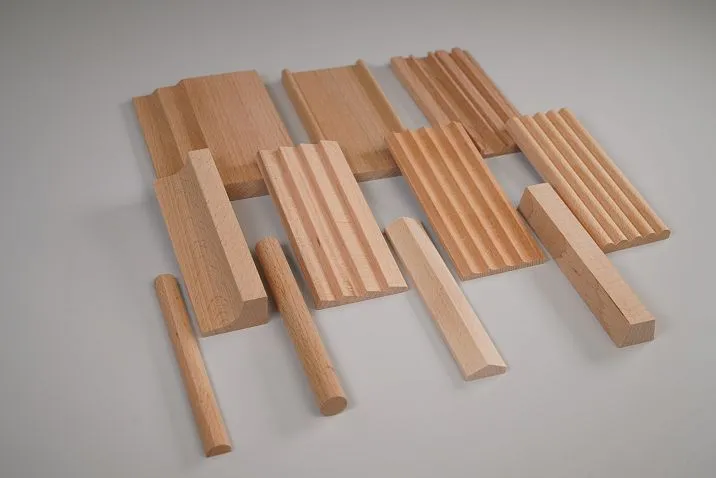
become the basis for stylish and high-quality interior finishing. Wooden Skirting Boards, wooden cornices, Wooden rails, Wooden planks andWooden angles will become the basis for stylish and high-quality interior finishing.


1. Significance of natural wood in interior design




1.1 Aesthetics and warmth of natural material
Natural wood is not only a practical building material but also an element capable of transforming any interior. Its unique texture, rich palette of shades, and natural patterns create an atmosphere of coziness and harmony. Wooden elements in interior design help soften modern, cold lines, bringing warmth and naturalness into the space. Each wooden finishing element, whether a skirting board, cornice, or decorative strip, tells its own story and adds character to the room.
Our factory also produces:


1.2 Ecological and durability
One of the key advantages of natural wood is its ecological purity. Unlike synthetic materials, wood does not emit harmful substances, which is especially important for residential and public spaces. With proper care, solid wood items can last for decades, preserving their aesthetic and functional qualities. Choosing wooden interior finishing materials means investing in the health and comfort of your home, as well as in the durability and sustainability of the finish.
Get Consultation
1.3 Cultural and historical heritage
The use of wood in interior design has deep historical roots. Traditional woodworking techniques, passed down from generation to generation, are reflected in modern design, where classic motifs intertwine with innovative technologies. Contemporary masters, relying on centuries-old traditions, create unique items that are not only functional objects but also works of art. This is especially relevant for interior finishing, where every detail must be thought out to the smallest detail.
2. Wooden skirting boards: style completion and functionality
2.1 Role of skirting boards in interior design
Wooden skirting boards perform two key functions: they aesthetically complete the floor and wall finish, and they conceal gaps between them, ensuring a neat and harmonious transition. Skirting boards can be made in various styles — from classic to modern — allowing you to choose the optimal solution for any interior.
2.2 Advantages of wooden skirting boards
Usagewooden baseboards has several obvious advantages:
● Naturalness and ecological safety: Skirting boards made from solid natural wood not only decorate the room but also contribute to maintaining a healthy microclimate.
● Durability: With proper care and regular treatment, items retain their original beauty and functionality for many years.
● Design versatility: The variety of shapes, textures, and finishes allows skirting boards to be integrated into any interior style.
2.3 Application of wooden skirting boards
Skirting boards are used in residential homes, apartments, offices, and public buildings. They create a sense of completion in interior design, help visually enlarge the space, and add touches of refined classicism or modern minimalism. Thanks to the quality of the material and neat finishing, skirting boards become an important detail of the overall design, highlighting the individuality of each room.
3. Wooden cornices: elegant window and door finishing
3.1 Functional and decorative purpose
Wooden cornices are interior finishing elements used to decorate the upper part of windows and doors. They not only conceal seams between the wall and frame but also serve as decorative accents, giving the room a distinctive style. Cornices can be made with various decorative elements — from classic carved patterns to modern minimalist forms.
3.2 Advantages of wooden cornices
wooden cornices have several advantages:
● Aesthetic appeal: The natural texture and deep tones of wood give the interior an elegant and charming look.
● Strength and durability: Cornices made from solid wood are resistant to mechanical damage and deformation, ensuring a long service life.
● Easy integration: Cornices easily complement other interior finishing elements, creating a harmonious and balanced space.
3.3 Application of wooden cornices
Cornices are widely used in homes, offices, hotels, and restaurants. They become central elements in window decoration, bringing a touch of classic elegance and refined style into the room. Combined with quality curtains and blinds, wooden cornices create a unique ensemble that pleases the eye and highlights the individuality of the interior.
4. Wooden strips: universal decorative finishing elements
4.1 Purpose of wooden strips in interior design
Wooden strips are thin boards used to create decorative panels, finish walls and ceilings, and form various compositional solutions. These elements help structure the space, creating interesting lighting and shadow effects, and add textural variety to the interior.
4.2 Advantages of wooden strips
Wooden rails have the following advantages:
● Universality of application: They can be used as a standalone decorative element or in combination with other materials.
● Ease and simplicity of installation: Strips are easy to install and allow creating diverse compositional solutions with minimal effort.
● Aesthetic value: The natural wood texture and the possibility of various finishes allow achieving a high level of decorative quality and individuality of the item.
4.3 Ideas for using wooden strips in interior design
Wooden strips are used to create original wall panels, decorative ceilings, divide space in large rooms, as well as to create niches and frames around mirrors and paintings. Due to their versatility, wooden strips are ideal for modern interiors where minimalism and clean lines are valued, as well as for classic interiors, where they add refinement and depth to the space.
5. Wooden beams: structural elements with expressive design
5.1 Functionality of wooden beams in interior design
Wooden beams are used as structural and decorative elements in interior design. They can serve as a base for creating structures (e.g., staircases or partitions), or as a standalone decorative element that gives the room a distinctive character. Beams help create rhythmic lines and shapes, highlight separate zones, and add expressiveness to the interior.
5.2 Advantages of wooden beams
Among the advantages ofwooden beams are:
● High strength: Wooden beams made from solid wood have excellent mechanical properties and can withstand significant loads.
● Multifunctionality: They can be used for creating frames as well as for decorative purposes, combining with other finishing elements.
● Aesthetic expressiveness: The natural wood grain and the possibility of processing under various styles make beams an indispensable element in interior design.
5.3 Examples of using wooden beams in interior design
Wooden beams are actively used in construction and renovation: they are used to create staircase elements, decorative frames, columns, as well as for wall and ceiling finishing. Combined with quality finishing, beams become an essential part of stylish and modern interiors, adding individuality and durability.
6. Wooden corner pieces: finishing touches for perfect finishing
6.1 Role of wooden corner pieces in room finishing
Wooden corner pieces are small but extremely important elements that ensure neat joining of different surfaces. They are used to protect joints between walls, floors, and ceilings, and also play a decorative role, completing the overall interior look. Corner pieces help conceal technical seams and give the room a finished appearance.
6.2 Advantages of Wooden Corners
Wooden angles have several advantages:
● Functionality: They protect joints from damage, prevent dust and moisture buildup at material connections.
● Decorativeness: Due to the variety of shapes and finishes, corners can become a stylish accent that complements the overall interior design.
● Ease of installation: Corners are easy to install and allow quickly finishing interior decoration, making it neat and aesthetically pleasing.
6.3 Ideas for Using Corners
Wooden corners are used in residential and commercial spaces where a neat and durable solution for connecting interior elements is required. They are especially relevant during comprehensive finishing works, where each detail plays an important role in creating a unified harmonious look. The choice of corners depends on the interior style: classic models suit traditional spaces, while modern ones are ideal for minimalist and loft-style interiors.
7. Practical Recommendations for Choosing and Caring for Wood-Based Interior Finishing Materials
7.1 Criteria for Choosing Quality Products
When selecting wood-based interior finishing materials, pay attention to the following aspects:
● Raw material quality: Prefer products made from solid natural wood, subjected to strict quality control.
● Processing methods: Modern technologies such as laser cutting, thermomodification, and application of protective coatings significantly enhance the durability and aesthetic appeal of the material.
● Certification and warranties: Always check for the presence of quality certificates and warranty obligations from manufacturers.
● Design and style: Choose items that harmoniously fit into the overall interior concept, complementing and highlighting individuality.
7.2 Purchasing Organization
To ensure that the product meets your expectations (whether budget or premium segment), compare available species, profiles, mounting methods, consider the room’s humidity conditions, load level, and desired style. Choose a reputable supplier who will provide you with accurate material parameters and reliable logistics.buy materials for interior finishing from wood, it is recommended:
● Study the product range on the manufacturer's official website.
● Compare characteristics and prices of different products.
● Consult professionals in interior design and woodworking.
● Pay attention to reviews and recommendations from other customers, which will help make an informed decision.
7.3 Care for Wooden Items
To preserve the original beauty and longevity of solid wood items, it is necessary:
● Regularly clean surfaces with soft cloth and specialized wood care products.
● Periodically treat items with protective compounds, oils, or varnishes to prevent moisture and UV exposure.
● Avoid direct exposure to sharp temperature changes and sunlight, which may cause deformation and fading of color.
● Monitor the condition of fasteners and promptly carry out repair work.
8. Prospects and Trends in Using Wood-Based Interior Finishing Materials
8.1 Innovative Technologies and Sustainable Development
The modern woodworking industry actively implements innovative technologies aimed at improving the operational characteristics of natural materials. Latest processing methods, such as digital modeling, automated cutting, and nanotechnology, enable the creation of products that combine high strength, durability, and aesthetic appeal. This, in turn, contributes to sustainable development and reduces negative environmental impact, which is an important trend in modern construction and design.
8.2 Ecological and Natural as a Trend
Each year, more and more consumers prefer ecological and natural materials. Wooden interior finishing meets these requirements, allowing to create a healthy and comfortable space. Natural wood is not only beautiful but also ecologically safe, making it an ideal choice for residential and public spaces.
8.3 Individual Design Solutions
Modern wood processing technologies open up limitless possibilities for individual design solutions. Designers can create unique compositions using wooden skirting boards, cornices, planks, beams, and angles. This allows to realize the boldest ideas and create interiors reflecting the owner's individuality, highlighting their taste and style. Each detail of interior finishing becomes not just a decorative element, but a true work of art capable of transforming the space.
8.4 Expanded Product Range and New Market Opportunities
Continuous development of technologies and increased requirements for product quality contribute to expanding the range of wooden interior finishing materials. Manufacturers offer increasingly diverse and functional solutions applicable both in private and commercial construction. This opens new market opportunities and allows to meet the growing demand for ecological and aesthetic materials.
9. Conclusion
Wooden interior finishing materials – this is the perfect combination of centuries-old craftsmanship traditions and modern processing technologies. Elements such asWooden Skirting Boards, wooden cornices, Wooden rails, Wooden planks andWooden angles not only ensure the strength and functionality of the finishing, but also become expressive accents capable of transforming any interior. Choosing natural materials means betting on ecological safety, durability, and individuality, creating a unique space where every detail plays an important role.
Modern wood processing technologies allow achieving the highest quality of products while preserving the natural beauty of the material. Using solid wood in interiors is an investment in comfort, health, and aesthetic pleasure that will delight you for many years. Innovative methods, automation, and continuous improvement of technologies enable producing products meeting the highest standards, which is especially important in today's market.
If you plan to update your interior or create a completely new space, pay attention to wooden interior finishing materials. They are ideal for decorating residential, office, and public spaces, contribute to creating a healthy and cozy atmosphere, and also allow to realize the boldest design projects. Reliable suppliers and proven production technologies guarantee that every detail – whether skirting board, cornice, plank, beam, or angle – will be executed with the highest quality and serve you for many years.
Thus, wooden interior finishing materials are not just decorative elements, but the foundation for creating a unique and harmonious interior, where traditions, modern technologies, and natural beauty of nature combine. Investing in quality wood means choosing durability, ecology, and aesthetics that remain timeless, creating a space filled with warmth, coziness, and harmony.