Article Contents:
- 1. Historical context and the significance of wood in finishing
- 1.1 Origins of wood use in interior design
- 1.2 Evolution of wood finishing technologies
- 1.3 Natural wood in modern finishing
- 2.1 Solid block
- Advantages of Solid Wood:
- Applications:
- 2.2 Veneer
- Advantages of veneer:
- Applications:
- 2.3 Plywood
- Advantages of plywood:
- Applications:
- 2.4 Laminated products
- Advantages of laminated materials:
- Applications:
- 2.5 Composite wood materials
- Advantages of Composites:
- Applications:
- 3.1 Drying and Conditioning
- 3.2 Mechanical Processing
- 3.3 Laminating and Finishing
- 3.4 Thermal Treatment
- 3.5 Staining, Lacquering, and Finishing
- 4.1 Interior Finishing
- Wall and ceiling cladding
- Floors and Stairs
- Furniture and Accessories
- 4.2 Exterior
- Façades and cladding
- Entrances and balconies
- Landscape Design
- 4.3 Commercial and Public Spaces
- Restaurants and Cafes
- Hotels and offices
- 5.1 Ecological purity of natural wood
- 5.2 Certification and responsible production
- 5.3 Reduction of carbon footprint
- 6.1 Fusion of traditions and modern technologies
- 6.2 Ecological Minimalism
- 6.3 Personalization and Custom Projects
- 6.4 Global cooperation and expansion of product range
- 7.1 Defining project goals and style
- 7.2 Material Selection Criteria
- 7.3 Maintenance of finishing materials
- 7.4 Combination with Other Materials
- 8.1 Residences and Luxury Interiors
- 8.2 Public and Commercial Spaces
- 8.3 Designer Installations and Art Projects
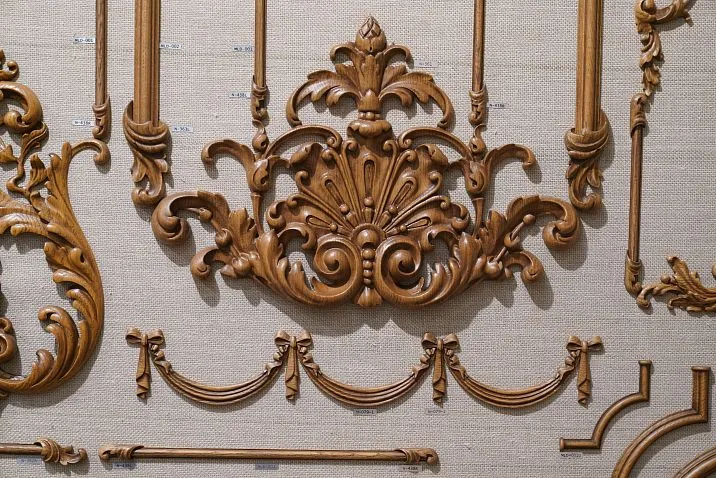
Natural wood is not just a finishing material, but a true source of inspiration, a symbol of living nature and eternal comfort. In today’s world, where eco-friendliness, durability, and aesthetic expressiveness are valued, wooden products are once again gaining popularity. They are capable of giving interiors a unique character, creating an atmosphere of warmth and coziness, and highlighting the individuality of each space. From wall and ceiling finishes to decorative elements and panels — wood-based finishing materials offer the opportunity to realize the boldest design ideas, combining traditional craftsmanship with innovative technologies.
In this article, we will thoroughly examine the features of using wood-based materials for finishing, their types, processing technology, advantages, and practical recommendations for application. You will learn how natural wood can transform an interior, add natural harmony, and make it environmentally friendly. For more detailed information on the product range and accessories, we recommend visitingthe catalog of solid wood products.


1. Historical Context and Significance of Wood in Finishing




1.1 Origins of Wood Use in Interior Design
Wood has accompanied humanity since the earliest times. Even in ancient civilizations, craftsmen used wood to create decorative panels, carved elements, and finishes for temples and palaces. Every wooden item was a reflection of cultural heritage, a symbol of nobility and refined taste. In the Middle Ages, carved wooden door casings, panels, and columns adorned the interiors of castles and monasteries, and woodworking crafts were passed down from generation to generation, becoming true art.
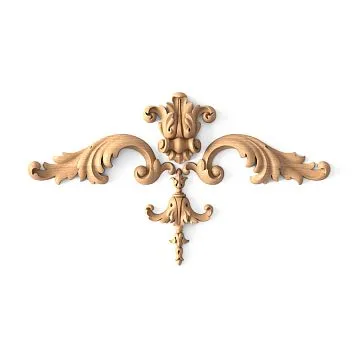
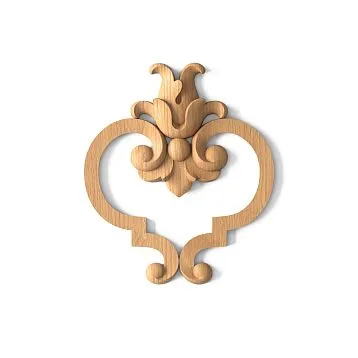
Our factory also produces:


1.2 Evolution of Wood Finishing Technologies
Over centuries, methods of wood processing and finishing have significantly evolved. From hand planing and carving to modern computer numerical control (CNC) machines — technologies have allowed preserving the natural beauty of wood while enhancing its performance characteristics. Modern innovative methods, such as thermal modification, laminating, and digital carving, open up new possibilities for designers and craftsmen, enabling them to create items that simultaneously reflect traditional craftsmanship and meet contemporary requirements.
Get Consultation
1.3 Natural Wood in Modern Finishing
Today, wood-based finishing materials are once again becoming relevant due to renewed interest in eco-friendly and natural materials. Natural wood imparts warmth, coziness, and natural elegance to interiors. It is used in both classic and modern interiors, helping to create a harmonious space where every detail is thoughtfully considered. Such items are invariably popular among those who seek durability, aesthetics, and environmental responsibility.
2. Types of Wood-Based Finishing Materials
2.1 Solid Block
Solid wood — items made from whole boards or beams obtained directly from tree trunks. These materials possess a unique texture, natural tones, and an irreplaceable wood grain pattern, making each item exceptional.
Advantages of Solid Wood:
● Natural beauty. Each board is unique, allowing for individual design.
● High strength. Solid wood provides reliable support and long-lasting durability.
● Eco-friendliness. Natural wood contains no synthetic additives and is safe for health.
Application areas:
● Wall, floor, and ceiling cladding.
● Production of decorative panels, door casings, columns.
● Production of exclusive furniture that will become the centerpiece of the interior.
2.2 Veneer
Veneer — a thin layer of natural wood obtained by planing or peeling the trunk. This material is used to clad less expensive substrates, giving them the appearance of valuable species.
Advantages of veneer:
● Economy. Allows imitation of expensive wood at lower costs.
● Versatility. Easily combines with other materials.
● Preservation of natural texture. Veneer retains all natural wood tones and grain patterns.
Application areas:
● Cladding of solid furniture and decorative panels.
● Production of laminated items.
● Decorative interior finishing.
Plywood is made by pressing multiple layers of veneer, which ensures high dimensional stability and strength. Plywood is widely used in the production of both functional and decorative items.
Advantages of plywood:
● Stability. The multi-layer structure prevents warping and deformation.
● Universality. Used in construction, furniture manufacturing, and finishing.
● Affordability. Plywood is often cheaper than solid wood while maintaining an attractive appearance.
● Creation of interior partitions and panels.
Application areas:
● Production of cladding materials.
● Use in furniture manufacturing as a finishing base.
Application in furniture manufacturing as a base for finishing.
2.4 Laminated products
Lamination is the process of covering a base (such as MDF or particleboard) with a decorative veneer or laminate that mimics natural wood. Such products look attractive and have improved performance characteristics.
Advantages of laminated materials:
● Rich design. Ability to choose various textures, shades, and patterns.
● Protection. The coating protects the base from moisture, abrasion, and mechanical damage.
● Affordability. Laminate costs less than solid wood products while maintaining an aesthetic appearance.
Application areas:
● Cabinet furniture, kitchens, wardrobes.
● Decorative panels and cladding materials.
● Interior finishing of rooms.
2.5 Composite wood materials
Composite materials are a combination of natural wood with synthetic components such as polymers and resins. They have unique properties, providing high strength and resistance to external influences.
Advantages of composites:
● High durability. Materials are resistant to moisture, insects, and ultraviolet radiation.
● Ease of processing. Composites are easily machined and sanded.
● Longevity. They last a long time while maintaining an attractive appearance.
Application areas:
● Production of decorative interior elements.
● Cladding of facades and exterior structures.
● Production of cabinet furniture and panels.
3. Technologies for processing wood-based materials for finishing
3.1 Drying and Conditioning
Proper drying of wood is a fundamental stage in the production of finishing materials. Modern drying chambers with automatic temperature and humidity control allow achieving optimal conditions for each type of wood. This prevents cracking, warping, and deformation, preserving the material's strength and stability.
3.2 Mechanical Processing
After drying, wood is planed, milled, and sanded to achieve a smooth, even surface. CNC machines allow creating complex decorative profiles, carved patterns, and ornaments. These technologies not only enhance the appearance of products but also improve their functionality, enabling craftsmen to realize the most daring design solutions.
3.3 Laminating and Veneering
Lamination is a crucial process for creating products that mimic natural wood. Veneer or laminate covering not only improves the material's appearance but also protects it from mechanical damage, moisture, and ultraviolet rays. Modern lamination technologies provide high-quality coatings, making the product more durable and long-lasting.
3.4 Thermal Treatment
Thermal treatment of wood allows improving its operational properties without using chemical additives. When heated to a certain temperature under special conditions, the fiber structure changes, making the material more resistant to rot, moisture, and insects. Thermally modified wood retains its natural appearance but becomes stronger and more durable — a quality especially important for finishing materials used both indoors and outdoors.
3.5 Impregnation, varnishing, and finishing
At the final stage of wood treatment, a protective coating — varnishes, oils, waxes, or paints — is applied. These compositions create a thin protective layer on the surface that enhances the natural texture and tones of the wood while protecting the material from adverse environmental effects. Modern eco-friendly compositions with low toxicity ensure the safety of health and a long service life for finishing materials.
4. Application of wood-based materials for interior and exterior finishing
4.1 Interior Finishing
Natural wood in interiors adds warmth and harmony to a space. Wood-based finishing materials are used to create unique designs that highlight the individuality of each room.
Wall and Ceiling Cladding
Decorative panels made from solid wood, veneer, or plywood allow creating a striking accent in interiors. The natural tones of wood contribute to forming a calm and cozy atmosphere, while intricate carved patterns add elegance. Such panels can be used in both classic and modern interiors, where the natural texture becomes the central element of design.
Floors and staircases
Wooden floors — a classic that never loses its relevance. Solid planks, parquet, or laminated wood finishes create a sense of luxury and comfort while ensuring high strength and durability. Staircases made of natural wood are not only functional but also works of artistic craftsmanship, where every detail is meticulously considered.
Furniture and Accessories
Furniture made from natural wood becomes an indispensable part of the interior, emphasizing its ecological purity and status. From tables and chairs to bookshelves and decorative hooks — every wooden detail imparts individuality and warmth to the space. Accessories such as photo frames, mirrors, vases, and candlesticks, crafted from wood-based finishing materials, complete the look, creating a cohesive composition.
4.2 Exterior
Natural wood in exterior building and structure finishing adds a special charm and allows harmoniously blending into the natural landscape.
Façades and cladding
Wooden façade cladding is not only an aesthetic solution but also a way to protect the structure from weather impacts. Glued panels, solid boards, or thermally modified wood create a unique exterior look, emphasizing the ecological and natural qualities of the building. Such façades are often combined with glass or metal elements, creating an interesting contrast and a modern appearance.
Entrances and balconies
Doors, windows, and balcony structures made of natural wood add prestige and elegance to a building. Natural wood can create a warm welcome for guests, while properly selected coatings and impregnations protect the material from moisture and UV radiation. Decorative wooden elements enhance the appearance of the entrance group, transforming it into a true art object.
Landscape Design
In exteriors, wood is actively used to create gazebos, pergolas, terraces, garden furniture, and decorative fences. Natural finishing materials allow creating a harmonious space where natural elements seamlessly blend with architectural solutions. Proper processing and maintenance of wood ensure the longevity and durability of items, even under variable weather conditions.
4.3 Commercial and Public Spaces
Wood-based finishing materials find wide application in restaurants, cafes, hotels, offices, and shopping centers. Natural wood contributes to creating a comfortable and inviting atmosphere, highlighting the brand’s individuality and enhancing the establishment’s prestige.
Restaurants and Cafes
Wooden panels, tables, chairs, and decorative elements create a cozy and warm atmosphere in restaurants and cafes. Natural wood not only pleases the eye but also contributes to creating a favorable microclimate, making the space more comfortable for visitors.
Hotels and offices
In commercial interiors, natural wood helps create a stylish and functional space. Finishing walls, ceilings, doors, and furniture with wood emphasizes the high status of the object, making it attractive to clients and employees. Modern processing technologies allow creating unique design solutions that combine traditional aesthetics with innovative elements.
5. Ecological significance and sustainable development
5.1 Ecological purity of natural wood
One of the key advantages of natural wood is its ecological purity. Unlike synthetic materials, wood does not contain harmful chemical impurities, which is especially important for creating a healthy living environment. With proper forest management, natural wood is a renewable resource capable of maintaining its properties for many years.
5.2 Certification and responsible production
When purchasing wood-based finishing materials, it is important to pay attention to the presence of ecological certifications confirming the origin of raw materials and compliance with sustainable development standards. International standards FSC and PEFC guarantee that the wood is obtained in accordance with ecological and social norms. This not only improves the quality of the product but also supports responsible production aimed at preserving nature for future generations.
5.3 Carbon footprint reduction
Using natural wood contributes to reducing CO₂ emissions, as wood accumulates carbon during its service life. The energy efficiency of wooden structures allows reducing heating and air conditioning costs, which is especially relevant under global climate change conditions. Natural wood is a choice that contributes to creating ecologically clean and energy-efficient objects.
6. Modern design trends and innovative solutions
6.1 Blending of traditions and modern technologies
Modern designers strive for a harmonious combination of classic finishing elements with the latest technologies. Natural wood processed using digital carving, laser engraving, and CNC milling opens up boundless creative possibilities for craftsmen. Such integration of traditional crafts with modern methods allows creating unique items capable of meeting the most demanding requirements.
6.2 Ecological minimalism
In the modern world, there is a trend toward ecological minimalism, where the purity of forms and naturalness of materials are important. Interior finishing with natural wood in a minimalist style creates an atmosphere of calm and harmony, allowing to highlight the natural beauty of the material. Simple lines, minimal use of decorative elements, and natural tones — all of this is characteristic of modern interiors, where wood plays a central role.
6.3 Personalization and custom projects
Each interior is unique, and modern clients increasingly seek customized solutions. Custom wood finishing, crafted according to the designer's sketch, can transform an ordinary space into a work of art. Masters work individually with each client, selecting wood species, decorative patterns, and finishing methods to create an item reflecting the owner's personal style and preferences.
6.4 Global Cooperation and Product Range Expansion
Wood finishing material catalogs, such asthe catalog of solid wood products, demonstrate a wide range of products that meet the needs of clients worldwide. Global cooperation among manufacturers facilitates the exchange of experience and adoption of advanced technologies, enhancing product quality and expanding designers' possibilities. Such collaboration enables the creation of items that not only meet modern requirements but also preserve cultural heritage and traditional craftsmanship.
7. Practical Recommendations for Selecting and Maintaining Wood Finishing Materials
7.1 Defining Project Objectives and Style
Before selecting wood finishing materials, it is essential to define the project's main objectives: which surfaces require finishing, what interior style is preferred, and which functional characteristics are important. This determines the choice of wood species, processing methods, and decorative solutions. Natural wood can be used to create both classic and modern interiors, so it is crucial that every detail is thoughtfully designed and harmoniously integrated into the overall design.
7.2 Material Selection Criteria
When selecting material, pay attention to the following parameters:
● Wood species. The choice depends on the intended style, usage conditions, and budget. High-quality items made from oak, walnut, or ash are distinguished by their strength and aesthetics, while birch and pine can be excellent solutions for modern and minimalist interiors.
● Processing methods. It is important that the material is properly dried, treated, and protected. Modern technologies such as planing, milling, and laminating allow achieving an ideal surface that will not warp or lose color.
● Environmental certification. Pay attention to the presence of FSC or PEFC certificates, confirming the origin of the wood and compliance with environmental standards. This guarantees that the material is safe for health and produced with respect for nature.
7.3 Maintenance of Finishing Materials
To ensure natural wood finishing retains its beauty and functionality for many years, it is necessary to follow maintenance rules:
● Regular cleaning. Wipe surfaces with soft cloth or special brushes, avoiding aggressive cleaning agents.
● Reapplication of protective coating. Periodically apply a fresh layer of varnish, oil, or wax to protect the wood from moisture, ultraviolet radiation, and mechanical damage.
● Maintaining optimal climatic conditions. Avoid sudden changes in temperature and humidity to prevent wood warping and cracking.
7.4 Combining with Other Materials
Natural wood is often combined with metal, glass, or stone to create a harmonious interior. It is important that transitions between materials are smooth, and color and texture solutions complement each other. Such combinations allow creating a space that is simultaneously modern, eco-friendly, and cozy.
8. Examples of Successful Projects and Applications
8.1 Residences and Luxury Interiors
In luxury homes and residences, wood finishing materials are used to create opulent interiors where every detail exudes elegance and warmth. Solid panels, decorative moldings, carved elements, and wooden ceilings create an atmosphere of exclusivity and stability, highlighting the owner's status and commitment to natural materials. Such projects often become sources of pride, passed down from generation to generation.
8.2 Public and Commercial Spaces
In restaurants, cafes, hotels, and offices, natural wood helps create a warm and inviting atmosphere, promoting a positive perception of the space. Decorative panels, tables, chairs, and wood finishing elements emphasize brand identity and provide comfortable conditions for visitors. Using eco-friendly finishing materials also enhances the establishment's prestige and contributes to building a sustainable image.
8.3 Designer Installations and Art Projects
Modern artists and designers actively use natural wood to create unique art objects and installations. Wood carving, combined with modern technologies, allows creating artworks that not only decorate space but also reflect cultural heritage and ecological responsibility. Such works evoke admiration for their complexity and refinement, demonstrating that traditional materials can be modern and innovative.
9. Conclusion
Wood finishing material is a choice in favor of natural beauty, durability, and ecological purity. Natural wood can transform any interior, bringing warmth, comfort, and unique character, reflecting the richness of craftsmanship traditions and advanced processing technologies. From classic solid wood solutions to innovative laminated products and composites — every detail crafted from natural wood becomes a work of art that will delight the eye and serve for many years.
Modern interior design trends oriented toward eco-friendliness, minimalism, and individuality make natural wood the primary choice for creating stylish and cozy spaces. Using advanced processing technologies such as CNC milling, laser carving, and thermal modification allows not only to preserve the natural charm of wood but also significantly improve its performance characteristics.
Choosing wood finishing material is a commitment to quality, ecological responsibility, and durability. It is an investment in the comfort and aesthetics of your space, which will delight you and your loved ones for many years. For additional information and to explore the range of natural wood products, we recommend visitingthe catalog of solid wood products.
Natural wood is a choice for those who appreciate natural beauty, warmth, and harmony, striving to create a space where every element tells its unique story. May your space be filled with the charm of nature, and wood finishing become a symbol of stability, eco-friendliness, and timeless elegance.
Thus, wood finishing material is not merely a functional element but true art capable of transforming any space, bringing a touch of nature, and offering warmth, comfort, and unique aesthetics. Choose natural wood, invest in quality and durability, and may your home always be filled with harmony and beauty reflecting genuine values of ecological responsibility and craftsmanship.