Article Contents:
- Scientific Approach to Choosing Coating Materials
- Coloristic Solutions in Furniture Painting
- Surface Preparation Technology: Foundation of Quality
- Mechanical Wood Processing
- Chemical Surface Preparation
- Priming: creating a reliable base
- Types of Primer Formulations
- Primer Application Technique
- Finishing Coating Application Techniques
- Brush Application: Classical Technique
- Roller Technique: Efficiency and Quality
- Spraying: The Peak of Technological Excellence
- Multi-Layer Painting Systems
- Principles of Multi-Layer Coating Formation
- Inter-Layer Preparation
- Special Effects in Furniture Painting
- Patina: The Nobility of Antiquity
- Crackle: Effect of Antique Cracks
- Metallic effects
- Quality control and defect elimination
- Typical Coating Defects
- Methods of quality control
- Drying and Curing of Coatings
- Natural Drying
- Forced Drying
- Final Finishing and Protection
- Polishing and Buffing
- Protective Coatings
- Ecological Aspects of Furniture Painting
- Eco-Friendly Materials
- Waste Disposal
In the modern world of interior design, mastering furniture painting techniques has become a true art, requiring deep knowledge of materials, tools, and technological processes. The question of how to properly paint furnitureconcerns not only professional craftsmen but also enthusiasts of home creativity, striving to create unique interior items.
The furniture painting process is a complex sequence of operations, where each stage affects the final result. From the correctness of preparatory work to the final application of a protective layer — everything is critically important for achieving professional coating quality.
Modern coatings open up boundless opportunities for creative self-expression, allowing the creation of finishes with various visual and tactile effects. However, it is precisely knowledge of technological nuances that distinguishes a master from an amateur, determining the durability and aesthetic appeal of the result.


Scientific approach to selecting coatings
Understanding the chemical and physical properties of paints forms the basis of successful furniture painting. Each type of coating has unique characteristics determining its applicability under specific operating conditions.
Alkyd enamels demonstrate excellent coverage and form a durable glossy coating resistant to mechanical impacts. Drying time is 8-12 hours, allowing correction of defects during the initial film formation stage. Optimal application temperature is within the range of 18-22°C with relative air humidity not exceeding 65%.
Acrylic compositions are distinguished by their eco-friendliness and rapid drying, forming an elastic film resistant to ultraviolet radiation. Water-based formulation ensures easy application and absence of strong odors, which is especially important when working in residential spaces.
Polyurethane coatings represent the pinnacle of technological advancement, providing exceptional resistance to abrasion and chemical exposure. Two-component formulations require precise mixing ratios and have a limited pot life after preparation.




Color solutions in furniture painting
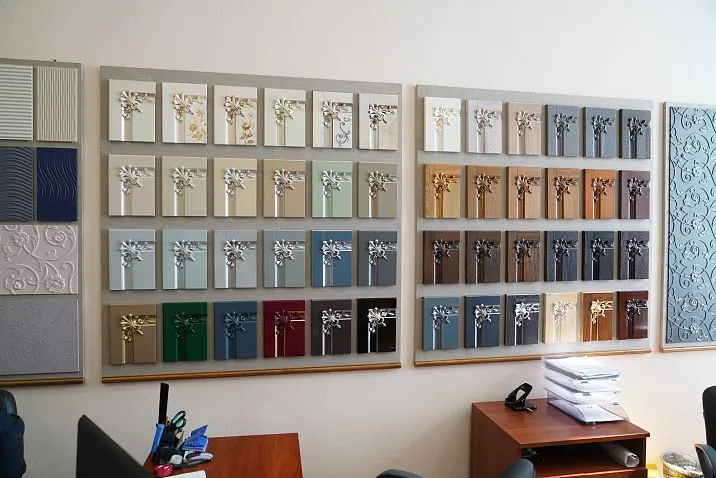
The color palette of painting determines the emotional perception of furniture and its harmonious integration into interior design concepts. Modern color-mixing systems allow obtaining thousands of shades, yet color selection must be based on understanding of perception psychology and color harmony principles.
Neutral tones (white, gray, beige) ensure universal applicability and easily match various interior styles. White visually increases furniture size and creates a sense of lightness, but requires special care in maintenance.
Saturated colors give furniture character and can become striking interior accents. Deep blue evokes a sense of stability and reliability, emerald green brings freshness of nature, and noble burgundy emphasizes luxury and elegance.
Metallic effects are achieved using special pigments and create a sense of luxury and modernity. Gold, silver, and copper tones require ideal surface preparation, as any defects become especially noticeable on metallic coatings.
Our factory also produces:


Surface preparation technology: the foundation of quality
The preparatory stage determines up to 80% of the success of the entire painting project. Careful execution of these operations directly affects coating adhesion, durability, and appearance.
Get Consultation
Mechanical wood surface treatment
Sanding begins with coarse sandpaper (P80-P100) to remove old coatings and level the surface. Gradual transition to finer abrasives (P120, P150, P220) ensures creation of a perfectly smooth surface without scratches or marks.
Sanding direction should align with the direction of wood grain to avoid crosswise marks that will appear after painting. Each abrasive change requires complete dust removal using a damp cloth or special anti-static material.
Defects are filled using wood-specific putties matched in color to the base material. Puttying is performed in multiple layers with intermediate sanding, as most compositions shrink upon drying.
Chemical surface preparation
Degreasing removes residues of silicone, wax, oils, and other substances preventing paint adhesion. Special solvents or alkaline cleaning agents are used; after application, the surface must be thoroughly rinsed with clean water and dried.
Tannin removal is especially important when working with oak, chestnut, and redwood. These natural substances may seep through the coating, creating undesirable stains. Special tannin blockers are applied before priming and fully resolve this issue.
Priming: Creating a Reliable Base
Primer performs multiple functions: ensures adhesion, equalizes surface absorbency, prevents penetration of resins and pigments from wood, reduces consumption of finish coating.
Types of primer compositions
Alkyd primers provide excellent adhesion to wooden surfaces and create an ideal base for enamels. Drying time is 12-24 hours depending on temperature and air humidity.
Acrylic primers dry quickly and have no odor, making them preferable for work in enclosed spaces. They are especially effective under water-based finish coatings.
Shellac-based compositions are universal blockers capable of isolating any wood exudates. They dry quickly and can be overlaid with any type of paint.
Primer application techniques
Primer is applied in a thin, even layer using a brush, roller, or spray method. When using a brush, strokes should be long and even, with final blending along the wood grain.
Application temperature should be within the range of 15-25°C, and relative air humidity should not exceed 70%. Violation of these conditions may result in coating defects: craters, streaks, uneven gloss.
After complete primer drying, the surface is lightly sanded with P320-P400 abrasive to remove raised fibers and create optimal roughness for adhesion of the final layer.
Techniques for applying finish coating
The choice of paint application method depends on the type of coating, size, and configuration of the surface being painted, and requirements for the quality of the finish layer.
Brush application: classic technique
Choosing the brush is critically important for achieving a high-quality result. For alkyd enamels, natural bristle brushes are preferred; for water-based formulations, synthetic fibers are recommended. The brush size should correspond to the scale of the surface being painted.
Brushing technique requires certain skills and experience. The brush should be loaded with paint to cover one-third of the bristle length. Application is performed with medium-speed movements and even pressure.
Initial application is done with short strokes in various directions to ensure even material distribution. Then, long strokes along the wood grain are used to create a uniform texture.
Roller Technique: Efficiency and Quality
Velvet rollers produce a smooth finish with minimal texture. They are especially effective for painting large flat surfaces with enamels and acrylics.
Foam rollers create a characteristic fine-porous texture, which may be desirable for certain design solutions. However, they tend to form bubbles and require special application techniques.
The quality of the roller finish largely depends on proper tool preparation. A new roller should be washed with a solvent, dried, and then lightly rolled over a rough surface to remove loosely held bristles.
Spraying: The Peak of Technological Excellence
Pneumatic spraying provides an ideal smooth finish without tool marks. Atomization quality depends on correct air pressure settings, material consistency, and spray gun movement technique.
Air pressure for most formulations is in the range of 2–4 atmospheres. Excessive pressure causes over-spraying and material loss; too low pressure results in uneven coverage.
HVLP systems (High Volume Low Pressure) provide high material transfer efficiency at minimal spray pressure. This reduces paint waste and improves working conditions by decreasing airborne particulate levels.
The distance from the spray nozzle to the surface should be 15–25 cm, and the spray gun movement speed should be 30–40 cm/sec. Each pass should overlap the previous one by 50% to ensure even coverage.
Multi-Layer Coating Systems
Creating a durable and aesthetically pleasing finish often requires applying multiple paint layers with specific technological intervals.
Principles of Multi-Layer Coating Formation
The first layer serves as a base, filling microscopic surface irregularities and ensuring adhesion of the entire system. It is applied as a thin layer and may be diluted with solvent by 5–10% to improve penetration into wood pores.
Intermediate layers provide the required coating thickness and necessary protective properties. The number of layers depends on the furniture’s usage conditions and aesthetic requirements.
The final layer determines the coating’s final appearance: gloss level, color tone, texture. It must be applied particularly carefully, as any defects will be clearly visible.
Inter-Layer Preparation
Between paint layers, intermediate sanding with P400–P600 abrasive is required to remove surface defects and create optimal adhesion for the next layer.
Sanding should be light, without rubbing down to the base. The resulting dust must be carefully removed using specialized lint-free cloths or sticky fabrics.
Special Effects in Furniture Painting
Modern techniques allow creating finishes with unique visual effects, transforming ordinary furniture into works of art.
Patina: The Nobility of Aging
Patina creates an effect of noble aging, emphasizing the relief elements of furniture. Traditional technique involves applying dark paint into recesses after the main coating.
Modern patina compounds allow creating various effects: gold patina for classic interiors, silver for contemporary styles, and colored patina for avant-garde solutions.
Application technique requires a certain level of skill. The patina compound is applied with a brush or sponge, then partially removed with cloth, leaving accents in recesses and edges.
Crackle: Effect of Antique Cracks
Crackle compounds create a characteristic crack network, mimicking the natural cracking of old finishes. The effect is achieved using special lacquers that shrink at different rates as they dry.
The size and character of cracks depend on the thickness of the applied layer, drying temperature, and type of base coating. A thin layer produces a fine crack network, while a thick layer yields large, pronounced fractures.
Metallic effects
Metallic effect is achieved by using paints with metallic pigments or special additives. Bronze, copper, and steel shades create a sense of luxury and modernity.
The most effective results are obtained with two-layer systems: first, a dark base is applied, then metallic paint is applied in light strokes, creating a play of light and shadow.
Quality control and defect elimination
Professional furniture painting requires constant quality control at all stages of the process and the ability to quickly eliminate any defects.
Typical coating defects
Craters form when silicone or other contaminants land on the surface. Removal requires complete grinding of the defective area, degreasing, and re-painting.
Runs occur when paint is applied too thickly or when ambient temperature is too low. Removal is performed by sanding after complete drying, followed by re-painting.
Uneven gloss may be caused by varying absorbency of the substrate, uneven application of material, or disruption of drying conditions. Correction requires an additional leveling coat.
Quality Control Methods
Visual inspection is conducted under different lighting conditions: natural daylight, directional artificial lighting, and side lighting to reveal defects in surface texture.
Coating thickness is measured using specialized instruments and allows monitoring of application uniformity. The optimal thickness for most systems is 60-120 microns.
Adhesion tests include grid scoring and assessment of coating delamination. A quality coating should not delaminate even under mechanical stress.
Drying and curing of coatings
Proper organization of the drying process is critically important for forming a coating with the required properties.
Natural drying
Convection drying at room temperature requires maintaining constant air circulation and humidity control. Optimal conditions: temperature 20-22°C, humidity 50-60%, gentle air movement.
Drying time depends on the type of coating, layer thickness, and environmental conditions. Alkyd enamels dry in 8-12 hours, acrylics in 2-4 hours, polyurethane coatings require 24-48 hours for full curing.
Forced drying
Infrared drying accelerates the curing process through targeted heating of the coating. Surface temperature must be controlled and must not exceed manufacturer-recommended values.
Convection drying chambers provide uniform heating of the entire product surface. Programmable modes allow optimizing the process for different types of coatings.
Final finishing and protection
After full curing, the coating may require additional processing to achieve the desired appearance and performance characteristics.
Polishing and buffing
Mechanical polishing with abrasive pastes allows achieving a mirror finish and eliminating minor surface defects. The process includes several stages using pastes of varying grit.
Wax polishing creates a soft, warm gloss and provides additional protection to the coating. High-quality waxes contain UV filters and anti-static additives.
Protective coatings
Lacquer systems provide maximum protection for the decorative layer against mechanical damage and external influences. Two-component polyurethane lacquers create an exceptionally strong and durable coating.
Nanocoatings represent a new generation of protective materials, offering self-cleaning properties and resistance to contamination. They are especially effective for furniture used under harsh conditions.
Ecological aspects of furniture painting
Modern requirements for ecological safety compel a reevaluation of traditional approaches to material and painting technology selection.
Eco-friendly materials
Water-based systems contain virtually no volatile organic compounds and are safe for human health. Modern acrylic and alkyd-acrylic paints match traditional solvent-based compositions in performance characteristics.
Natural pigments enable the creation of coatings with unique color characteristics and complete ecological safety. Mineral and plant-based dyes are especially popular in high-end furniture manufacturing.
Waste disposal
Solvent regeneration allows for multiple uses of expensive materials and reduces the ecological impact of production. Modern installations provide high levels of purification for recovered solvents.
Paint waste recycling includes extracting valuable components and safely disposing of residues. A properly organized waste management system reduces production costs and improves environmental indicators.
Improving skills in the area of how to properly paint furniture, requires continuous study of new materials and technologies. Each painting project presents unique challenges requiring a creative approach and deep technical knowledge.
The result of professional furniture painting is not merely changing the surface color — it is a complete transformation of the object, giving it new life and character. A well-executed coating serves for decades, delighting owners with beauty and functionality.
Modern technologies provide boundless opportunities to realize the most daring design ideas. From classic single-tone finishes to complex multi-color compositions — everything depends on the skill of the executor and the quality of materials used.
In the world of professional furniture painting, the company STAVROS occupies a special place, providing masters with high-quality materials and tools necessary to achieve outstanding results. Years of experience and deep understanding of market needs make STAVROS a reliable partner for anyone striving for perfection in the art of furniture decoration.