Article Contents:
- Philosophy of working with oak: where traditions meet innovations
- Unique properties of oak wood
- Oak's climatic adaptability
- Technological process: from forest to finished product
- Selection and preparation: foundations of quality
- Drying technologies: achieving stability
- Mechanical processing: the art of precision
- Types of products: endless possibilities of oak
- Furniture masterpieces
- Architectural Decoration
- Floor coverings
- Final finishing: revealing natural beauty
- Preparation operations
- Modern Protective Systems
- Decorative techniques
- Quality control: standards of perfection
- Raw Material Incoming Inspection
- Operational Control
- Acceptance control
- Ecological aspects of production
- Forest management certification
- Zero-waste production
- Energy efficiency
- Innovations and the future of the industry
- Digital technologies
- New materials and technologies
- Design trends
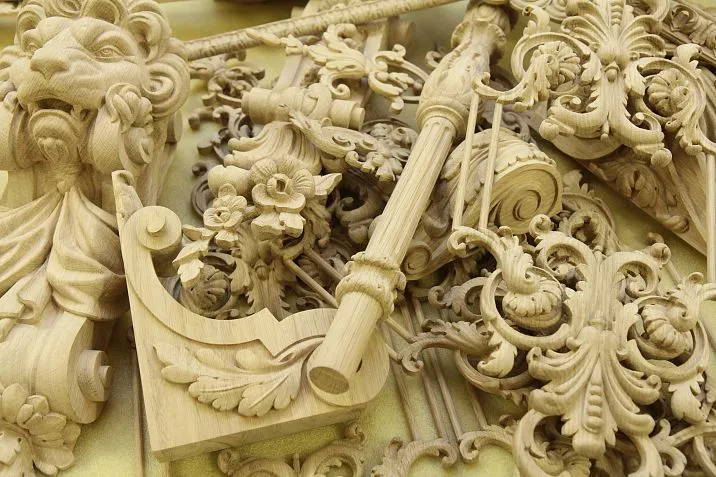
When we speak of true quality and eternal beauty, oak craftsmanship occupies a special place in the world of craftsmanship. It is not merely wood processing—it is the transformation of living material into artworks capable of serving generations. Oak wood, chosen by masters for its exceptional strength and noble beauty, requires a special approach, deep knowledge, and virtuoso mastery of tools.





Philosophy of working with oak: where traditions meet innovations
Oak is not just a material—it is a living story, encapsulated in its wood fibers. Each annual ring tells of years of growth, climatic conditions, and the struggle for survival within the forest ecosystem. That is why oak craftsmanship requires not only technical skills but also a deep understanding of the material’s nature, respect for its origin, and a desire to reveal its inherent potential.




Unique properties of oak wood
The density of oak wood ranges from 700 to 950 kilograms per cubic meter, making it one of the densest among European species. This characteristic ensures exceptional strength and longevity of finished products. Its hardness on the Brinell scale reaches 4.2 units, enabling the creation of structures capable of withstanding colossal loads.
A structural feature of oak is the presence of large pores in early wood, alternating with dense late wood areas. This creates a distinctive, expressive pattern, making each product unique. Heartwood rays, visible as light radial lines, give oak surfaces a special play of light.
The tannin content in oak wood reaches 8–20 percent of the total mass. These natural tannins not only impart the wood’s characteristic color but also provide natural protection against moisture, fungi, and insects.
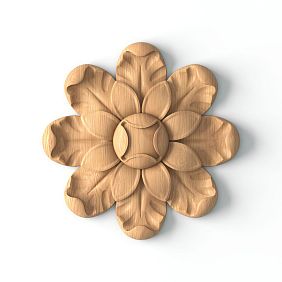
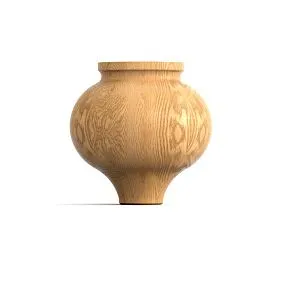
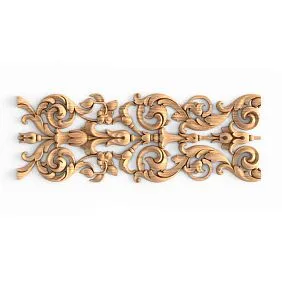
Our factory also produces:



Oak's climatic adaptability
The shrinkage coefficient of oak wood is only 0.37 percent radially and 0.76 percent tangentially. This dimensional stability ensures long-term geometric accuracy of products even under significant fluctuations in ambient humidity.
Oak’s hygroscopic properties allow it to naturally regulate humidity in a room. The wood absorbs excess moisture when air humidity is high and releases it when humidity is low, creating a comfortable microclimate.
Oak wood’s thermal resistance is impressive: it withstands brief exposure to temperatures up to 180 degrees Celsius without structural changes, making oak products suitable for use near fireplaces and heating appliances.
Get Consultation
Technological process: from forest to finished product
oak craftsmanship begins long before the first touch of a tool to the wood. The quality of the finished product is established already at the raw material preparation stage, and each subsequent step requires professionalism and attention to detail.
Selection and preparation: foundations of quality
For high-quality production, oaks aged at least 80-120 years are selected. By this time, the wood reaches optimal density and acquires its characteristic structure. The trunk diameter must exceed 60 centimeters at the base, indicating slow, even growth of the tree.
The time of felling plays a critical role in wood quality. Winter months, when sap movement is minimal, are considered the ideal period for harvesting. Wood felled between November and February contains minimal moisture and nutrients.
Primary processing includes removing the bark and sapwood, leaving only the heartwood—the most valuable part of the trunk. Logs are sawn with consideration for grain direction to obtain the most stable boards.
Wood sorting is conducted according to strict criteria. First-grade wood must not have knots larger than 10 millimeters, cracks, rot, or other defects. Special attention is paid to color uniformity and straightness of the grain.
Drying Technologies: Achieving Stability
Drying oak wood is a complex technological process requiring precise control of multiple parameters. The initial moisture content of freshly felled oak can reach 50-80 percent and must be reduced to 8-12 percent for high-quality production.
Atmospheric drying in specially equipped stacks may last from 12 to 36 months depending on material thickness. Logs are laid with 25-40 millimeter spacers ensuring even air circulation throughout the stack volume.
Kiln drying allows the process to be accelerated to 4-8 weeks under strict temperature and humidity regimes. Initial temperature is 40-45 degrees Celsius with air humidity at 85-90 percent, gradually increasing to 65-70 degrees Celsius while reducing humidity to 20-25 percent.
Vacuum drying is an innovative technology allowing moisture removal at reduced temperature (45-55 degrees Celsius) under vacuum conditions (0.1-0.2 atmospheres). This method virtually eliminates cracking and warping, preserving the natural color and structure of oak.
Mechanical Processing: The Art of Precision
Processing oak wood imposes special requirements on tools and equipment. High density and hardness of the material necessitate the use of special cutting tools and precisely selected processing modes.
Sawing oak logs is performed using saws with hard alloy teeth of special geometry. The front angle is 15-20 degrees, the rear angle is 12-15 degrees. Feed speed must not exceed 8-12 meters per minute to prevent overheating and charring of the wood.
Planing oak surfaces requires sharp knives made of high-quality steel. The sharpening angle is 25-30 degrees, ensuring a clean cut of fibers without scratches. Cutting depth per pass must not exceed 1-2 millimeters.
Profiling and decorative elements are milled on high-speed equipment with spindle speeds of 18,000-24,000 rpm. Use of cooling fluids prevents tool overheating and wood charring.
Turning oak blanks for making balusters, posts, and decorative elements requires special care. Cutting speed must not exceed 120-150 meters per minute, and feed rate must be 0.1-0.2 millimeters per revolution.
Types of Products: Unlimited Possibilities of Oak
The range of products made from oak is astonishingly diverse. From miniature decorative elements to monumental architectural structures—oak wood finds application everywhere where the combination of beauty, strength, and durability is valued.
Furniture Masterpieces
Solid oak furniture represents the pinnacle of joinery art. Each piece is not merely a functional interior element, but a work of art capable of serving generations.
Solid oak dining tables become the center of family life. Table tops 40-60 millimeters thick withstand a load of up to 500 kilograms of evenly distributed weight. The natural beauty of the grain makes each table unique.
Chairs demonstrate an amazing combination of strength and elegance. "Dovetail" joints ensure exceptional structural reliability. The ability to create curved elements allows achieving ideal ergonomics.
Cabinets and chests of drawers impress with their capacity and durability. Shelves made of solid oak 25-35 millimeters thick withstand a load of up to 100 kilograms without sagging. Doors retain their geometry for decades due to the material's stability.
Solid oak beds create an atmosphere of reliability and comfort. Heavy-duty constructions can withstand a load of up to 600 kilograms, ensuring absolute stability. Headboards are adorned with carved elements or feature minimalist modern shapes.
Architectural decor
Oak architectural elements can dramatically transform any space, imparting nobility and individuality. oak craftsmanship Architectural decoration requires special craftsmanship and attention to detail.
Solid oak staircases combine functionality with aesthetic perfection. Steps 40-50 millimeters thick withstand concentrated loads up to 300 kilograms. Handrails are pleasant to the touch and do not slip in the hand.
Solid oak doors 45-60 millimeters thick provide excellent sound insulation up to 42-48 decibels. Moisture resistance allows their use even in rooms with elevated humidity.
Windows with oak frames demonstrate excellent thermal insulation properties. Thermal conductivity is 0.17 W/(m·K), ensuring energy efficiency of the structure.
Moldings and cornices create elegant framing for walls and ceilings. Complex profiles with multiple curves are possible due to oak's excellent workability. Product lengths can reach 6 meters without joints.
Floor Coverings
Solid oak parquet and planks are traditionally considered the benchmark of quality flooring. Their high durability and ability to be sanded multiple times make them practically eternal.
Solid oak parquet boards 15-22 mm thick can withstand up to 10 sanding cycles, ensuring a service life exceeding 100 years. Planks measuring 400-500x60-70 mm are laid in various patterns.
Solid oak boards 120-200 mm wide create a monolithic appearance. A 'tongue-and-groove' system with additional gluing ensures tight joints. Bevels accentuate the surface structure.
Artistic parquet made from oak elements of various shades allows creating complex compositions. Rosettes up to 2000 mm in diameter and borders 150-300 mm wide transform the floor into a work of art.
Final finish: revealing natural beauty
The final stage of oak manufacturing determines not only the appearance of the finished product but also its performance characteristics. Modern technologies allow creating finishes that not only protect wood but also highlight its natural beauty.
Preparation operations
Oak surfaces are sanded in stages with gradually decreasing abrasive grit. Initial sanding uses 80-100 grit to remove marks from mechanical processing. Intermediate sanding with 150-180 grit removes minor defects. Final sanding with 220-320 grit creates a perfectly smooth surface.
Dust removal is critically important for finish quality. Special HEPA-filtered vacuum cleaners and anti-static cloths are used. Residual wood dust may cause finish defects.
Oak surfaces are primed with special compounds that block tannin release. This prevents dark spots on light finishes and ensures uniformity of the final layer.
Modern protective systems
Polyurethane finishes create a durable coating with hardness up to 3H on the pencil scale. Two-component formulations provide chemical resistance and longevity. Full curing time is 7-10 days.
Water-based finishes do not alter the natural color of oak wood and have virtually no odor. Volatile organic compound content does not exceed 50 grams per liter, meeting ecological standards.
Oil finishes penetrate deeply into the wood structure, creating a 'breathable' coating. Natural oils — tung and linseed — with added waxes create a matte surface with pleasant tactile sensations.
UV-curable finishes polymerize under ultraviolet radiation in seconds. The resulting coating has exceptional hardness and abrasion resistance.
Decorative Techniques
Staining allows changing the color of oak wood while preserving its natural texture. Water-based stains provide even coloring, alcohol-based stains offer more saturated tones, and oil-based stains create deep pigment penetration.
Brushing reveals the grain pattern by removing soft fibers with metal brushes. Processing depth is 0.5-2 mm, creating an expressive surface relief.
Patination mimics natural wood aging. Special compounds are applied into pores and grooves, creating an effect of long-term use. Various patina colors allow achieving the desired effect.
Gilding and silvering are used to create luxurious decorative elements. Electroplated gold is applied to specially prepared surfaces, creating a precious metal effect.
Quality Control: Standards of Perfection
Modern oak craftsmanship Unthinkable without strict quality control at every production stage. The quality management system covers all aspects of the manufacturing process.
Incoming Raw Material Control
Each batch of wood undergoes careful inspection for compliance with technical requirements. Moisture is measured with electronic moisture meters at multiple points on each board. Permissible deviations must not exceed ±1 percent.
Visual inspection reveals wood defects: knots, cracks, rot, insect damage. Each board is marked according to its grade. Geometric dimensions are controlled to within 1 millimeter.
Mechanical properties are tested selectively on sample specimens. Density, hardness, bending and compression strength are determined. Results are recorded in the batch passport.
Operational Control
At each technological operation, compliance with processing regimes is monitored. Temperature, humidity, feed rate, and rotation speed — all parameters are automatically recorded.
Geometric dimensions of parts are controlled by coordinate measuring machines with accuracy to 0.01 mm. Deviations from the drawing are not permitted for visible surfaces.
Surface quality is visually assessed under special lighting. Scratches, chips, burns, and color unevenness are not permitted. Roughness is measured by profilometers.
Acceptance control
Finished products undergo comprehensive inspection before shipment. All geometric dimensions, surface quality, and conformity to the sample standard are checked.
Packaging must ensure product integrity during transport. Special materials preventing scratches and chips are used. Each item is individually protected.
Marking includes all necessary information: article number, dimensions, wood grade, manufacturing date, batch number. QR code provides full product information.
Ecological Aspects of Production
Modern oak manufacturing is based on principles of ecological responsibility and sustainable development. Every aspect of production is considered in terms of its environmental impact.
Forest management certification
All the wood used has FSC or PEFC certificates confirming legal harvesting and adherence to sustainable forestry principles. The supply chain is traceable from the forest to the finished product.
Forest restoration is carried out at an accelerated pace. Two to three saplings are planted for every tree felled. Modern cultivation technologies using closed-root systems are applied.
Forest biodiversity is preserved through the creation of protected zones, animal migration corridors, and the conservation of old-growth trees. Logging is conducted selectively, preserving the structure of the forest community.
Waste-free production
All production waste finds useful application. Sawdust and shavings are used to produce fuel briquettes with a calorific value of 4200–4500 kcal/kg.
Trimming and non-conforming logs are ground into technical wood chips for the production of particleboard. The addition of oak wood chips increases the strength and moisture resistance of composite materials.
Bark is composted and used in landscape design as mulch. Oak bark contains tannins that suppress weed growth, which is valued by gardeners.
Energy efficiency
Boilers fueled by wood waste provide up to 80 percent of the production’s energy consumption. Modern boilers have an efficiency of 85–90 percent and comply with strict environmental standards.
Heat recovery allows the use of waste heat to preheat incoming air. Energy savings amount to 15–20 percent of total consumption.
LED lighting reduces energy consumption by 5–7 times compared to traditional lamps. The lighting control system automatically adjusts brightness based on natural light levels.
Innovations and the future of the industry
Industry oak production continuously develops, adopting new technologies and following modern trends in design and ecology.
Digital technologies
Automated design systems enable the creation of complex products with optimal material usage. 3D modeling helps visualize the result even before production begins.
Robotized production lines increase precision and quality stability. Industrial robots perform operations such as sanding, painting, and packaging with consistent parameters.
Machine vision systems monitor quality at every stage of production. Automatic defect recognition eliminates defective items from the production flow.
The Internet of Things connects all equipment into a single network. Sensors monitor process parameters and transmit data to the central production control system.
New materials and technologies
Thermo-modification of oak wood at temperatures of 160–220 degrees alters its properties. It reduces hygroscopicity, increases biostability, and changes color without the use of chemical dyes.
Polymer impregnation improves the operational characteristics of wood. Vacuum-autoclave impregnation ensures deep penetration of modifiers into the material’s structure.
Glued constructions from oak laminates allow the creation of large-sized products with improved characteristics. Mutual compensation of stresses eliminates warping and cracking.
Hybrid materials combine oak wood with other materials. Reinforcement with carbon fiber creates composites of exceptional strength while preserving naturalness.
Design trends
Eco-design emphasizes the naturalness and sustainability of materials. Unprocessed or minimally processed surfaces highlight the connection to nature.
Personalization has become a key trend. Consumers want unique items that reflect their individuality. Mass customization technologies enable meeting these needs.
Functionality takes precedence. Multi-functional furniture, transformable structures, and integrated systems have become standard in modern design.
Minimalism highlights the beauty of the material through simple forms. Avoiding excessive decoration allows focus on craftsmanship quality and perfect proportions.
In a world that values quality, eco-friendliness, and individuality, oak production represents a symbiosis of traditional craftsmanship and advanced technologies. Each item becomes not just interior decor, but part of cultural heritage, capable of serving generations and passing aesthetic values from parents to children.
Oak wood requires special attention — understanding its nature, respecting its origin, striving to reveal its inherent potential. Masters working with oak are custodians of ancient traditions and at the same time innovators introducing modern technologies.
The future of the industry lies in further development of ecological technologies, digitalization of production, and product personalization. However, core values remain unchanged: quality, beauty, durability, and connection to nature.
Investing in oak products is investing in the future. High-quality products not only retain their value over time but also increase it, becoming family heirlooms and sources of pride.
STAVROS understands the full complexity and responsibility of creating oak products. By combining rich Russian craftsmanship traditions with global technological achievements, STAVROS creates products that set new quality standards in the industry. Each STAVROS item is the result of meticulous work by a team of professionals for whom oak craftsmanship it is not just work, but a calling and a philosophy of perfection.