Article Contents:
- Historical Context of Market Development
- Modern Market Structure
- Digital Transformation of Trade
- Assortment Matrix: Classification and Features of Products
- Molding Products: Foundation of Architectural Composition
- Decorative Elements: Accents and Focal Points
- Criteria for Choosing a Quality Supplier
- Specialized solutions
- Production Capabilities and Technologies
- Logistical Capabilities
- Service Capabilities
- Technical Aspects of Products
- Polyurethane Materials Science
- Operational Characteristics
- Production Technologies
- Design Possibilities and Stylistic Solutions
- Classic Directions in Modern Interpretation
- Modern Interpretations of Classic Styles
- Payment Schemes and Financing
- Modern stylistic directions
- Economic aspects of purchase
- Pricing and cost factors
- Investment attractiveness
- Purchase Process and Related Services
- Consultation Services
- Installation Services
- Logistical solutions
- Market Development Trends and Innovations
- Conclusion: Partnership on the Path to Perfection
- Technological Innovations
- Ecological trends
- Personalization and customization
- Regional market characteristics
- Climate requirements
- Logistical specifics
- Conclusion: Partnership on the Path to Perfection
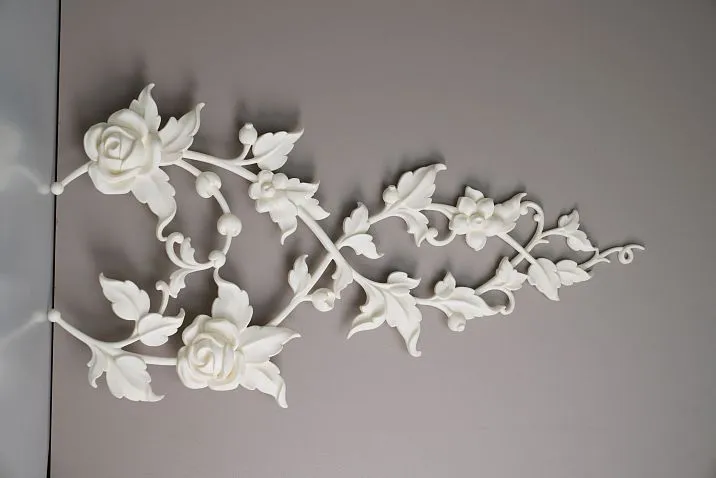
Have you ever wondered why some interiors are unforgettable, while others are forgotten within minutes of leaving the room? The secret lies in the details—the elusive elements that create atmosphere and tell the story of the space. a polyurethane molding store This is not just a retail outlet, but a true treasure trove of architectural solutions, where each element can transform your home beyond recognition.
Imagine an alchemical laboratory where modern technologies meet centuries-old craftsmanship traditions. Such an atmosphere fills a quality store of decorative elements, where polyurethane moldings transform from a simple material into a tool for creating unique interiors.
The times when beautiful architectural details were a privilege of palaces and mansions have irrevocably passed. Today, anyone can become an architect of their own space, a creator of an atmosphere that will delight the eyes and warm the soul for many years.




Evolution of Trade: From Craft Workshops to Modern Solutions




Historical Context of Market Development
Trade in architectural elements originated alongside architecture itself. In ancient civilizations, master stonemasons, sculptors, and woodcarvers created unique decorative elements based on individual commissions. Each detail was a work of art requiring months of meticulous labor.
The Industrial Revolution of the 19th century radically changed the approach to producing decorative elements. The first molds for mass production of plaster moldings appeared, making architectural decoration more accessible to the middle class. However, plaster had significant drawbacks — heavy weight, brittleness, and susceptibility to moisture.
The 21st century brought revolutionary changes to the world of architectural decoration. The emergence of polyurethane as a material for creating moldings completely changed the rules of the game. Lightness, strength, moisture resistance, and the ability to create elements of any complexity — these qualities ushered in a new era in decorative arts.
Our factory also produces:


Modern Market Structure
Today's a polyurethane molding store represents a high-tech enterprise combining production, design, and retail functions. It is not merely a warehouse of finished goods, but a creative laboratory where unique interior solutions are born.
The assortment of a modern specialized store includes thousands of items: from simple baseboards to complex multi-component compositions. Each element undergoes strict quality control and meets international safety and environmental standards.
Professional consultation has become an indispensable part of the trading process. Qualified specialists help select elements to match a specific interior style, calculate the required amount of material, and provide recommendations for installation and maintenance.
Get Consultation
Digital Transformation of Trade
Internet technologies have radically changed the ways of interacting with customers. Virtual catalogs allow browsing the full assortment without leaving home. 3D visualization enables seeing how selected elements will look in a specific interior.
Augmented reality systems elevate online trade to a new level. A customer can point a smartphone camera at a wall and see how a selected cornice or molding will look. This eliminates selection errors and increases purchase satisfaction.
Automated calculation systems allow accurately determining the required amount of material and project cost. Special algorithms take into account room characteristics, selected style, installation complexity, and other factors.
Assortment Matrix: Classification and Product Features
Trimming Items: Foundation of Architectural Composition
Baseboards and cornices form the foundation of any decorative composition. These elements define the overall interior style and create transitions between different surfaces. The modern assortment includes hundreds of profiles — from minimalist modern to ornate baroque.
Moldings perform a visual structuring function of space. They allow dividing walls into zones, creating frames for paintings or mirrors, and decorating door and window openings. Molding widths vary from 20 to 200 mm, enabling selection of the optimal size for any room.
Corner elements solve the complex technical task of connecting trim items at various angles. Internal and external corners, connectors, and caps — all these details ensure perfect element alignment and create a visually monolithic composition.
Decorative Elements: Accents and Focal Points
Chandelier rosettes serve not only a practical purpose of mounting fixtures but also act as important compositional centers. Rosette diameters range from 200 to 1000 mm, allowing selection of an element suitable for any room size.
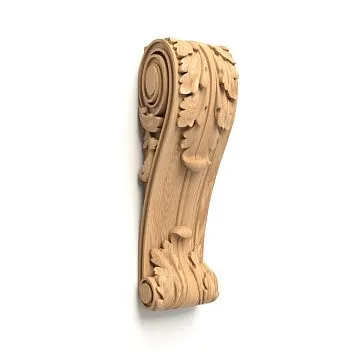
Brackets and consoles perform a dual function — supporting shelves and other interior elements, while simultaneously serving as decorative accents. The variety of forms allows selecting brackets to match any style — from classic to ultra-modern.
Pilasters and half-columns create vertical structure in space and impart architectural significance. These elements are especially effective in large rooms, where they help organize space and create a sense of monumentality.
Specialized solutions
Facade elements expand the possibilities of using polyurethane moldings. Keystone stones, sashings, and rusts allow creating expressive facades in the classical style. Frost-resistant compositions ensure the longevity of elements in Russian climatic conditions.
Fireplace portals represent ready-made comprehensive solutions for fireplace decoration. These elements create a festive atmosphere in the living room and serve as the compositional center of the entire space.
Niches and arches allow creating complex architectural forms even in standard rooms. These elements visually enlarge space and provide additional opportunities for placing art or technical items.
Criteria for Choosing a Quality Supplier
Production Capabilities and Technologies
Quality a polyurethane molding store must have its own production or close ties with verified manufacturers. This guarantees stable product quality and the ability to fulfill individual orders.
Modern equipment is the guarantee of high-quality products. Automated molding lines, process parameter control systems, and high-precision molds — all of these influence the final product quality.
Production certification confirms compliance with international quality and safety standards. ISO 9001, ecological certificates, sanitary-epidemiological station reports — these documents indicate a serious approach to quality.
Logistical capabilities
The warehouse program must ensure the constant availability of popular items. This allows customers to receive products within the shortest possible time without waiting for production.
The delivery system must guarantee the preservation of fragile decorative elements during transportation. Special packaging, careful loading, and qualified drivers — all of these affect the condition of the product upon receipt.
Geographic coverage determines the accessibility of products for customers from different regions. A well-developed network of regional warehouses allows reducing delivery cost and time.
Service capabilities
Technical consultation helps customers make the right choice and avoid mistakes when planning interiors. Qualified specialists must possess knowledge in architecture, design, and construction technologies.
Installation services ensure the quality installation of purchased elements. An in-house team of installers, trained specifically, guarantees professional execution of work.
Warranty service confirms the supplier's confidence in the quality of their products. Long warranty periods and prompt resolution of disputes characterize a reliable partner.
Technical aspects of the product
Polyurethane materials science
The composition of polyurethane compositions determines the operational characteristics of finished products. Basic components — polyol and isocyanate — form a polymer matrix with specified properties. Modifying additives improve individual material characteristics.
The density of finished products varies from 500 to 900 kg/m³ depending on the purpose of the elements. Light elements are used for ceiling decoration, while denser ones are for load-bearing structures.
Mechanical properties include compressive, tensile, and bending strength. Modern compositions provide compressive strength up to 80 MPa, comparable to high-quality concrete.
Operational characteristics
Polyurethane's temperature resistance allows using products under a wide range of conditions. The operating temperature range is from -60°C to +80°C, covering all possible construction usage conditions.
The material's moisture resistance prevents deformation and destruction in humid environments. Water absorption is less than 2% by volume, which is dozens of times lower than gypsum or wood.
Chemical resistance ensures longevity in aggressive conditions. The material does not react with most household chemicals, simplifying maintenance and care.
Production technologies
Injection molding ensures precise reproduction of complex shapes and fine details. Pressure of 3–8 atmospheres guarantees full mold filling and absence of voids in the finished product.
Quality control includes checking geometric parameters, surface defects, and physical-mechanical characteristics. Automated control systems ensure consistent quality of mass-produced products.
Final finishing includes removing technological defects, sanding, and priming. The quality of final finishing determines the appearance of the finished product and its readiness for painting.
Design possibilities and stylistic solutions
Classic directions in modern interpretation
Antique tradition remains the foundation for creating elegant interiors. Corinthian capitals, Doric friezes, Ionic volutes — these elements transfer the spirit of great civilizations of the past into modern spaces.
Renaissance luxury finds expression in richly decorated elements with floral motifs, cartouches, medallions. These details create an atmosphere of education and refinement characteristic of the Renaissance era.
Baroque theatricality is embodied in dynamic forms with abundant scrolls, counter-scrolls, and complex interweavings. Such elements transform an ordinary room into a stage for grand events.
Modern interpretations of classic design
Neoclassicism adapts traditional forms to the needs of modern life. Simplification of details, enlargement of elements, adaptation of proportions to modern room volumes make classicism more relevant.
Eclectic solutions allow combining elements of different styles and eras into a single composition. This approach requires high designer skill but enables creating unique, original interiors.
Minimalist interpretations of classical forms respond to modern trends toward simplicity and functionality. Concise profiles, clear geometric shapes, absence of excessive detailing characterize this approach.
Modern stylistic directions
High-tech aesthetics are reflected in elements imitating technical structures. Profiles resembling metal beams, industrial motifs, geometric abstractions create a sense of high technology.
Eco-style uses natural motifs and organic forms. Stylized plants, imitation of natural textures, smooth biomorphic lines create a connection with nature even in urban interiors.
Loft stylistics require rough, intentionally simple forms imitating industrial architecture. Such elements emphasize the industrial character of the space and create an atmosphere of a creative workshop.
Economic aspects of purchasing
Pricing and cost factors
The cost of polyurethane molding is formed by several components. Main factors — complexity of shape, size of element, batch volume, quality of raw materials. Simple profiles are significantly cheaper than complex decorative elements.
Comparison with alternative materials shows the economic advantages of polyurethane. At comparable detailing quality, polyurethane elements cost 2–4 times less than gypsum analogs and 5–10 times less than natural stone products.
The total project cost includes not only material prices but also delivery, installation, and finishing expenses. The lightweight nature of polyurethane elements reduces transportation costs and simplifies installation, further saving money.
Investment Appeal
Impact on property value is an important factor when deciding to purchase decorative elements. Quality interior design can increase an asset's market value by 15-25%, making the investment economically justified.
Long-term savings are achieved through the material's durability and minimal maintenance costs. Polyurethane elements have a service life of 20-30 years without requiring major repairs or replacement.
Properties with quality decor have significantly higher rental appeal. Owners can set rental rates 20-30% above market rates for uniquely decorated properties.
Payment schemes and financing
Flexible payment terms make quality decor accessible to a broader range of buyers. Installment plans, financing, and leasing options allow financial burdens to be spread over time.
Corporate programs offer special conditions for designers, architects, and construction companies. Bulk discounts, payment deferrals, and bonus programs encourage long-term cooperation.
Seasonal promotions and special offers allow significant savings when planning a purchase. Monitoring such offers in a reliable a polyurethane moldings store can bring considerable savings.
Purchase process and related services
Consultation services
Design consultation helps determine the optimal style of decoration, taking into account the architectural features of the space, client preferences, and budget constraints. Experienced designers create a concept that harmoniously integrates all interior elements.
Technical consultations include calculating the required amount of materials, selecting fastening systems, and installation recommendations. This helps avoid errors and additional expenses during project implementation.
3D visualization allows you to see the result before purchasing materials. Photorealistic images help assess the correctness of choices and make necessary adjustments to the project if needed.
Logistical solutions
Delivery must ensure the safety of fragile elements during transportation. Special packaging, use of soft padding, and careful loading/unloading prevent damage during delivery.
Storage of goods prior to installation requires adherence to certain conditions. Temperature regime, humidity, and protection against mechanical damage affect material preservation.
Express delivery is especially important for time-sensitive projects. The ability to receive necessary elements within 24-48 hours significantly accelerates the implementation of design solutions.
Installation services
Professional installation guarantees proper installation and long-term durability of decorative elements. Specialized crews possess the necessary skills and tools for working with polyurethane moldings.
Preparation work includes surface preparation, marking, and selection of fastening materials. The quality of preparation determines 80% of the project's success.
Finishing includes sealing joints, priming, and painting. Professional execution of these tasks ensures an ideal appearance of the finished object.
Market development trends and innovations
Technological Innovations
Digital technologies fundamentally change the design and production process. 3D scanning allows creating accurate replicas of historical elements, while 3D printing opens opportunities for manufacturing unique shapes.
New materials expand the functional capabilities of decorative elements. Antibacterial additives, self-cleaning surfaces, thermochromic pigments transform decor into interactive interior elements.
Production automation improves quality and reduces product cost. Robotic lines ensure consistent quality and enable execution of complex technological operations.
Ecological trends
Environmental safety is becoming an increasingly important factor when selecting construction materials. Formaldehyde-free compositions, use of renewable raw materials, and waste recycling characterize modern production.
Energy efficiency in production processes reduces the product's carbon footprint. Use of renewable energy sources, optimization of technological processes, and reduction of transportation costs contribute to environmental sustainability.
Certification according to environmental standards confirms compliance with sustainability requirements. LEED, BREEAM, Green Building — these assessment systems are becoming increasingly popular in the market.
Personalization and Customization
Custom orders allow creating unique elements based on original sketches. Modern technologies make such orders economically accessible even for private clients.
Modular systems provide the opportunity to create various compositions from standard elements. This approach combines the advantages of mass production with the possibilities of individual design.
Digital printing on molding surfaces opens new decorative possibilities. Any images, logos, or textures can be applied with high quality and durability.
Regional market specifics
Climate Requirements
Russian climatic conditions impose special requirements on building materials. Frost resistance, resistance to sharp temperature fluctuations, and resistance to high humidity – these characteristics are critically important for the Russian market.
Seasonal demand affects pricing and product availability. Peak periods occur during the spring-summer season, when renovation and construction activities become active.
Regional stylistic preferences reflect cultural traditions and climatic characteristics. Northern regions prefer more restrained solutions, while southern regions favor more decorative and ornate styles.
Logistical Features
Transport accessibility determines delivery costs to various regions. Well-developed road networks in central regions ensure fast and inexpensive delivery, while remote areas require special logistical solutions.
Warehouse infrastructure in regions affects product availability and order fulfillment speed. Regional warehouses allow for reduced delivery times and prompt stock replenishment.
Customs regulation affects the cost of imported products. Changes in customs policy can significantly impact pricing and competitiveness of various product categories.
Conclusion: Partnership on the path to perfection
In a world where beauty has become accessible to everyone, choosing the right partner to realize design ideas takes on special importance. The modern market of decorative materials offers a vast array of solutions, but only a few suppliers can provide the ideal combination of quality, service, and innovation.
The journey from idea to realization requires a reliable guide — a professional who understands the importance of every detail and is willing to take responsibility for the outcome. The best industry representatives follow precisely this approach.
Investing in quality architectural decor is an investment in the future. Properly selected materials and professionally executed installation ensure the longevity of the result and daily enjoyment of being in a beautifully designed space.
Modern technologies have opened up boundless opportunities for creative self-expression. Everyone can become an architect of their own space, a creator of a unique atmosphere that reflects the individuality and taste of the owner.
Choosing quality materials and professional services is a choice made by those who understand the value of beauty and are willing to invest in creating a dream space. It is the decision of those who are not willing to compromise on mediocrity and strive for perfection in everything.
In the era of globalization, companies that preserve traditions of quality and craftsmanship while simultaneously adopting the most modern technologies and solutions become especially valuable. Such an approach ensures stable development and earns the trust of the most demanding customers.
The company STAVROS embodies the best European quality traditions, adapted to Russian conditions and needs. Decades of experience in the architectural decor market, in-house production, use of advanced technologies and premium materials have made STAVROS a synonym for reliability and professionalism. Every project implemented with STAVROS becomes a benchmark of quality and style, confirming the company’s reputation as an industry leader. Choosing STAVROS means choosing not just a materials supplier, but a reliable partner who shares your passion for beauty and is ready to invest all efforts to achieve the perfect result. Such partnership becomes the foundation for creating interiors that will delight the eyes and inspire the soul for many years.