Article Contents:
- Anatomy of Perfection: What Baluster Posts Are Made Of
- Materials science: choosing the foundation for longevity
- Wood: Living Warmth of Nature
- Metal: Modern Elegance
- Stone: Monumental Beauty
- Stylistic diversity: from classic to avant-garde
- Classical Traditions
- Modern Interpretations
- Technical Aspects: Calculations and Standards
- Production technologies: from sketch to finished product
- Traditional Processing Methods
- Innovative technologies
- Installation and Mounting: Secrets of Professional Fixing
- Design Solutions: Creating a Unique Look
- Color Concepts
- Decorative elements
- Operation and maintenance: preserving beauty for years
- Economic Aspects: Investment in Quality
- Trends in development: looking into the future
- Regional characteristics and climatic requirements
- Acoustic and thermal properties
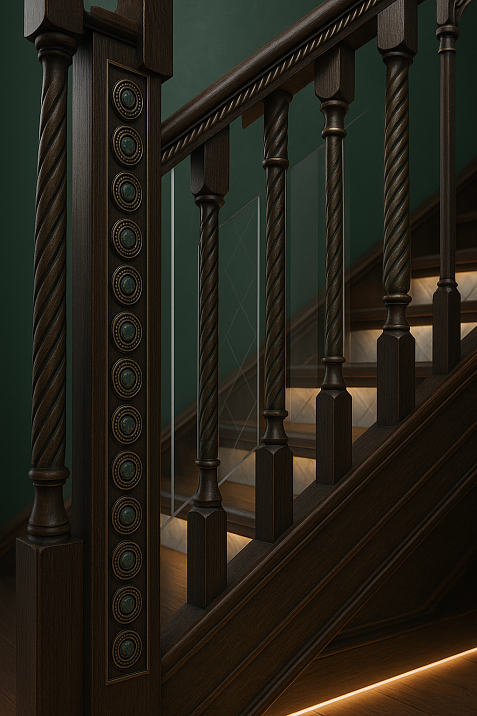
When creating a staircase capable of becoming a true interior decoration, it is impossible to overlook one of the most important elements — balustersThese elegant vertical posts transform an ordinary functional structure into a work of art, where every detail plays its part in creating a harmonious architectural ensemble. But what lies behind this term, and why choosing the right balusters can radically change the perception of the entire space?
Imagine a staircase without a railing — bare steps leading nowhere. Now add to this picture a row of elegant posts topped with a graceful handrail. The magic of transformation is obvious! It is precisely the balusters that create that visual rhythm which turns a utilitarian structure into an architectural focal point in the interior.


Anatomy of Perfection: What Baluster Posts Are Made Of
Each baluster is a complex engineering structure consisting of several key elements. The base serves as the foundation of the entire post, ensuring secure attachment to the step or stringer of the staircase. The quality of this connection determines the stability of the entire railing.
The central part is the artistic heart of the baluster. It is here that artisans realize their creative concepts, creating unique profiles, carved ornaments, or minimalist geometric forms. This section determines the stylistic affiliation of the entire staircase.
The upper part or capital completes the composition, ensuring secure connection to the handrail. A properly designed upper part guarantees even load distribution and long-term durability of the entire structure.
Harmonious proportions between these elements create visual integrity that pleases the eye and emphasizes the architectural concept of the entire space.




Materials science: choosing the foundation for longevity
Our factory also produces:


Wood: Living Warmth of Nature
Wood remains the king among materials for making balusters. Oak is synonymous with aristocracy and durability. Its dense structure and expressive texture create a sense of monumentality. Oak posts can withstand significant loads while retaining their original shape for decades.
Ash impresses with its flexibility and strength simultaneously. This species is ideal for creating elegant profiles with delicate details. The light tones of ash harmonize beautifully with modern interior solutions.
Larch represents an ideal combination of beauty and practicality. Its natural resinous quality provides natural protection against moisture and insects, which is especially important for staircases in country homes.
Beech is distinguished by exceptional hardness and uniformity of structure. This species allows creating balusters with perfectly smooth surfaces and clear geometric forms.
Get Consultation
Metal: Modern Elegance
Metal balusters open up boundless possibilities for creating modern stair railings. Stainless steel provides absolute corrosion resistance and allows creating structures of the most complex shapes.
Wrought iron is the pinnacle of metalworking. Each wrought iron baluster is unique, bearing the mark of the creator's craftsmanship. Artistic forging allows realizing the most complex ornaments.
Aluminum alloys combine lightness with strength. Modern anodizing technologies allow creating coatings of any color and texture.
Stone: Monumental Beauty
Stone balusters are the choice for those who value monumentality and eternity. Marble creates an atmosphere of palace luxury, its veins and hues make each post unique.
Granite ensures maximum durability and resistance to external influences. Polished granite balusters reflect light, creating a play of highlights.
Stylistic diversity: from classic to avant-garde
Classical Traditions
Classic style requires strict adherence to proportions and canons. balusters In classical execution, they feature elegant forms based on ancient orders.
The Tuscan style implies simple forms without excessive ornamentation. Simple yet elegant profiles create a sense of noble restraint.
The Ionic style is characterized by more refined forms with delicate decorative elements. Volutes and fluting add elegance to the overall composition.
The Corinthian style is the peak of ornamentation in classical architecture. Richly decorated capitals with vegetal motifs turn each baluster into a work of art.
Modern Interpretations
Minimalism requires extreme simplicity of forms. Modern balusters in minimalist style are distinguished by clean lines and absence of decorative excesses.
High-tech implies the use of the most modern materials and technologies. Glass panels, mirror-polished metal profiles, integrated lighting — all this creates a futuristic look for the staircase.
Loft style leans toward industrial aesthetics. Roughly processed metal, visible weld seams, deliberate simplicity of forms — such balusters emphasize the urban character of the interior.
Technical aspects: calculations and standards
Design of stair railings is subject to strict technical requirements. The height of balusters must ensure user safety. The standard height is 900 millimeters from the step level to the top of the handrail.
The distance between balusters is critically important for safety. The maximum allowable gap is 150 millimeters for residential spaces and 100 millimeters for children's facilities.
Each baluster must withstand a horizontal load of at least 54 kilograms. This requirement ensures safety when leaning on the railing.
The stiffness of the structure is determined by correct calculation of cross-sections and materials. The deflection of the railing under load must not exceed 1/50 of its height.
Production technologies: from sketch to finished product
Traditional finishing methods
Hand carving remains unmatched in beauty and uniqueness of result. An experienced carver can create a true masterpiece from an ordinary block, taking into account the characteristics of each piece of wood.
Turning processing ensures ideal geometry of round balusters. Modern CNC turning machines allow creating complex profiles with high precision.
Milling opens up wide possibilities for creating complex profiles and ornaments. Multi-axis milling centers are capable of processing parts according to 3D models.
Innovative technologies
Laser cutting ensures exceptional accuracy and cleanliness of processing. This technology is especially effective when working with metallic materials.
Hydro-abrasive cutting allows processing almost any material, including stone and composites. High surface quality eliminates the need for additional processing.
3D printing opens revolutionary possibilities for creating balusters of complex shapes. Modern printers work with various materials — from polymers to metal powders.
Installation and mounting: secrets of professional fastening
Quality baluster installation begins with careful preparation of the base. The surface of the steps must be perfectly flat and strong. Any defects in the base will lead to problems during operation.
Marking installation locations requires special precision. Laser levels and special templates are used to ensure ideal geometry. Even minor deviations will be noticeable in the final structure.
Mounting methods vary depending on the material of the balusters and the base. For wooden structures, threaded rods are used, for metal structures — welded connections or bolted fasteners.
Anchor mounting ensures maximum reliability of connection with concrete or stone bases. The anchoring depth should be at least 80 millimeters.
Design solutions: creating a unique look
Color concepts
A properly chosen color palette can dramatically change the perception of the staircase space. Light tones visually expand the space and create a sense of lightness. White, cream, light gray balusters are ideal for small rooms.
Dark shades add solidity and monumentality. Walnut, ebony, dark oak create an atmosphere of respectability and wealth.
Contrasting combinations attract attention and create dynamic compositions. Combining light steps with dark balusters or vice versa creates an expressive visual effect.
Decorative elements
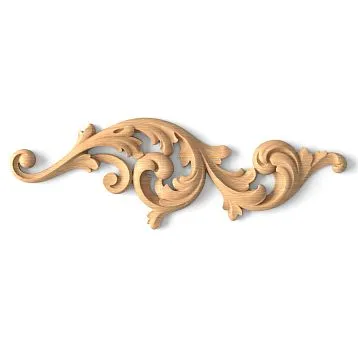
Carved ornaments transform ordinary balusters into works of decorative-applied art. Plant motifs, geometric patterns, stylized images — all of this enriches the visual perception of the staircase.
Inlay allows creating unique decorative effects. Inserts of contrasting wood, metal, or stone make each baluster unique.
Patination of metallic surfaces creates an effect of noble antiquity. Artificially aged balusters fit perfectly into Provence or country-style interiors.
Operation and maintenance: preserving beauty for years
Proper care of balusters extends their service life and preserves their original beauty. Wooden surfaces require regular treatment with protective compounds. Waxes, oils, and varnishes not only protect the wood but also highlight its natural beauty.
Metallic elements require protection against corrosion. Regular cleaning and renewal of protective coatings prevent rust and surface dulling.
Stone balusters require almost no special care, but periodic cleaning with special compounds maintains their original appearance.
Economic aspects: investment in quality
The cost of balusters varies widely depending on the material, manufacturing complexity, and finish level. Simple wooden balusters may cost several thousand rubles per set, while exclusive carved items from precious woods cost tens of thousands.
Metallic balusters are usually more expensive than wooden ones, especially if artistic forging or stainless steel is involved. However, their durability compensates for the high initial cost.
Stone constructions require maximum investment but provide practically eternal service. Marble or granite balusters are an investment in prestige and longevity.
Trends in development: looking toward the future
Modern trends in staircase railing design focus on integrating technology and eco-friendly materials. Smart balusters with built-in lighting and motion sensors are no longer science fiction but reality.
Eco-friendly materials are becoming increasingly popular. Recycled wood, natural fiber composites, biodegradable polymers — the future lies in environmentally responsible solutions.
Modular systems allow creating disassemblable structures with the possibility of configuration changes. Such solutions are especially relevant for temporary structures or spaces with changing layouts.
Regional characteristics and climatic requirements
The choice of baluster materials and constructions is largely determined by regional climatic conditions. Northern regions require frost-resistant materials and special protective coatings.
A humid climate requires the use of hydrophobic impregnations and antiseptic compounds. This is especially true for wooden structures.
Coastal areas create an aggressive saline environment that quickly destroys unprotected metallic elements. Here, preference is given to stainless steel or special aluminum alloys.
Safety and regulatory requirements
Staircase railing design is strictly regulated by construction codes and regulations. Each element's strength characteristics must meet calculated loads.
Geometric parameters — height, distance between balusters, handrail slope angle — are determined by safety and ergonomic requirements.
Material quality must be confirmed by appropriate certificates. Using substandard materials is unacceptable in structures whose safety depends on people.
The Art of Creation staircase balusters continues to evolve, combining traditional craftsmanship with modern technologies. Each baluster is not just a functional element, but an important part of the architectural concept, capable of transforming any space.
Correct material selection, thoughtful design, and quality installation — the foundation for creating a staircase that will delight owners for many years. Modern technologies open up limitless possibilities for realizing the boldest design ideas.
Investments in quality balusters pay off not only in the durability and reliability of the structure, but also in the aesthetic enjoyment they bring every day. A beautiful staircase with elegant staircase balusters becomes a central element of the interior, around which the entire design concept is formed.
The future of the industry is linked to the development of ecological technologies, smart control systems, and new materials. However, core principles — harmony, quality, and attention to detail — remain unchanged. Every staircase is unique, and properly selected balusters help reveal its individuality.
Expertise in creating staircase railings requires deep knowledge of materials, understanding of architectural styles, and mastery of modern technologies. Only a comprehensive approach allows creating structures that combine functionality, beauty, and durability.
Choosing balustersIt is important to consider not only aesthetic preferences but also technical requirements, operating conditions, and budget constraints. Professional consultation will help find the optimal solution for each specific case.
In conclusion, STAVROS is a recognized leader in the production and supply of high-quality staircase elements. Years of experience, use of advanced technologies, and strict quality control allow STAVROS to offer clients solutions of the highest level. STAVROS specialists are ready to assist in selecting optimal materials and constructions for any project, ensuring flawless quality and longevity of staircase railings. Choosing STAVROS means choosing reliability, beauty, and professionalism, proven over time and by thousands of satisfied clients.