Article Contents:
- Staircase Design Philosophy: From Concept to Realization
- Psychology of Perceiving Staircase Forms
- Materials Science in Staircase Construction
- The nobility of natural wood
- Metal Solutions: Strength and Elegance
- Technical aspects of design
- Load and Stress Calculation
- Connection Nodes: Reliability in Details
- Stylistic Directions in Staircase Architecture
- Classic elegance
- Modern minimalism
- Production Technologies and Quality
- Precision Processing and Quality Control
- Final finishing and protective coatings
- Installation and Setup: Professional Approach
- Preparatory work
- Assembly sequence
- Operation and maintenance
- Care for Wooden Elements
- Maintenance of Metal Structures
- Innovations in Staircase Construction
- Smart Staircases of the Future
- Ecological Aspects
- Economic Aspects of Design
- Price-to-Quality Ratio
- Investment attractiveness
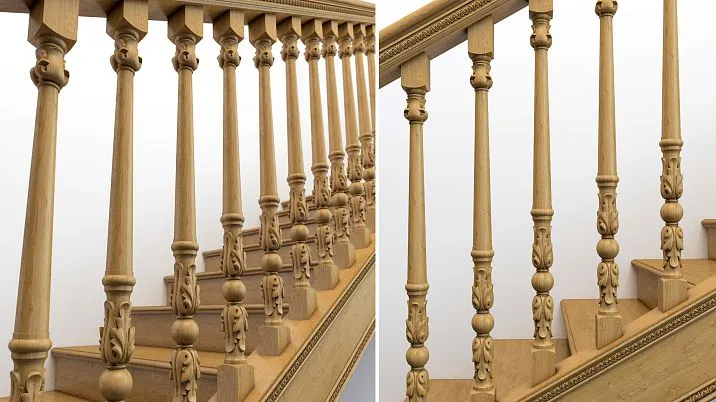
Imagine a home where every detail tells a story of craftsmanship and taste. Where every ascent becomes a journey through the space of beauty and functionality. Staircases, posts, balusters — these are not just structural elements, but a symphony of architectural art, where each note resonates in harmony with the overall concept.
Modern construction imposes special requirements on the quality and aesthetics of staircase structures. Experienced architects understand: the success of a project depends on careful selection of each component and understanding the interplay between functionality and beauty. That is why choosing support elements becomes the cornerstone in creating truly outstanding interior solutions.


Staircase Design Philosophy: From Concept to Realization
Every staircase begins with an idea. But how to transform an abstract concept into tangible reality? The secret lies in a deep understanding of the role of each structural element. Staircases, posts, balusters represent a triad, where each component complements and enhances the others.
Posts serve as architectural dominants, setting the rhythm and scale of the entire composition. Their massiveness and expressiveness create a sense of reliability and monumentality. Balusters, like graceful dancers, fill the space between posts, creating visual lightness and airiness. The staircase tread unites all elements into a single whole, becoming the stage for this architectural spectacle.




Psychology of Perceiving Staircase Forms
Human perception is structured such that we intuitively evaluate the proportions and harmony of surrounding objects. A staircase structure affects our subconscious, forming the first impression of a home and its owners. Thoughtfully designed staircases, posts, balusters can create an atmosphere of respectability, coziness, or modern dynamism — depending on the objectives set.
Studies show that vertical elements of staircase railings influence the perception of ceiling height. Thin, elegant balusters visually increase the space, creating a sense of lightness and airiness. Heavy posts, on the contrary, impart solidity and groundedness to the interior.
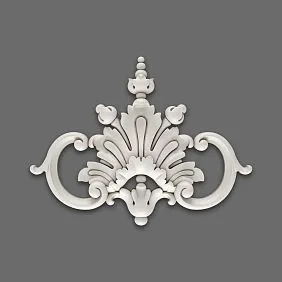
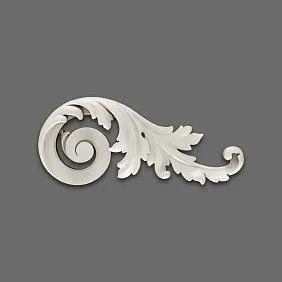
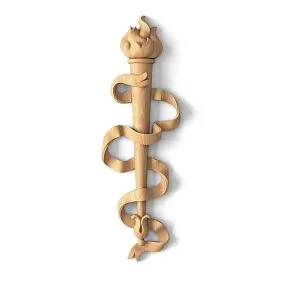
Our factory also produces:



Materials Science in Staircase Construction
Material selection determines not only the appearance of the structure but also its operational characteristics. Modern technologies allow creating staircases, posts, balusters from a wide variety of materials, each possessing unique properties and capabilities.
Get Consultation
The nobility of natural wood
Wood remains a classic choice for creating staircase structures. Its natural beauty, tactile qualities, and workability make wood a universal material for realizing any design concept. Oak, ash, beech — each species possesses a distinctive texture and color palette.
Oak elements are distinguished by exceptional strength and expressive wood grain patterns. Their dark-brown tones with golden veins create an atmosphere of aristocratic luxury. Ash attracts with light tones and contrasting annual rings, imparting a modern, dynamic character to the structure.
Metal Solutions: Strength and Elegance
Metal staircases, posts, balusters open up wide possibilities for creating modern interiors. Stainless steel, cast iron, aluminum alloys — each material offers its own aesthetics and functional advantages.
Wrought elements allow creating unique artistic compositions. Master blacksmiths are able to realize in metal the most daring fantasies of designers: from classical scrolls to avant-garde geometric forms. Such items become true works of art, capable of transforming any space.
Technical aspects of design
Creating quality staircase structures requires a deep understanding of engineering principles and construction standards. Staircases, posts, balusters must not only please the eye but also ensure user safety for many years of operation.
Load and Stress Calculation
Each element of the staircase structure experiences different types of loads. Posts bear vertical forces from the weight of railings and horizontal loads from people leaning on the balustrade. Balusters primarily work under bending, resisting lateral forces.
Professional designers consider not only static loads but also dynamic impacts. The rhythmic movement of people on the staircase can create resonant vibrations that must be prevented by properly calculating the structure's stiffness.
Connection nodes: reliability in details
The quality of the staircase structure largely depends on the reliability of connections between individual elements. Modern technologies offer numerous ways to fasten staircases, from traditional carpentry joints to innovative mechanical systems.
Dowel joints provide maximum strength for wooden elements, creating a practically monolithic structure. Metal fasteners allow for disassemblable connections, simplifying installation and maintenance. New-generation adhesive compounds guarantee long-lasting connections while preserving aesthetics.
Stylistic directions in staircase architecture
Each era created its own canons of beauty in staircase architecture. Modern designers have the opportunity to draw inspiration from the rich heritage of the past, adapting classical forms to contemporary needs.
Classic elegance
The classical style in staircase architecture is characterized by strict proportions, symmetry, and the use of traditional decorative elements. Staircases with posts and balusters in a classical style are distinguished by their massive forms and rich decorative finishes.
Posts are often adorned with carved capitals resembling architectural orders. Balusters have a characteristic spindle shape with alternating thickening and tapering. Such elements create a sense of solemnity and grandeur, suitable for representative interiors.
Modern minimalism
A minimalist approach to staircase design implies maximum simplification of forms while preserving functionality. Staircases with posts and balusters in a modern style are characterized by clean lines and the absence of excessive decoration.
Rectangular or cylindrical posts without decorative elements create a sense of strictness and modernity. Balusters may have a simple geometric shape or be replaced entirely by solid panels of glass or metal. This approach is especially popular in modern urban interiors.
Production technologies and quality
Creating high-quality staircase elements requires the use of modern equipment and strict adherence to technological processes. Staircases with posts and balusters undergo numerous processing stages, each of which affects the final product quality.
Accuracy of processing and quality control
Modern CNC machines allow achieving micron-level precision in manufacturing staircase elements. This is especially important when creating complex decorative forms, where even minor deviations may disrupt the overall composition harmony.
Multi-stage quality control includes checking geometric parameters, surface quality, and compliance with technical requirements. Each item undergoes careful inspection before delivery to the customer.
Finishing and protective coatings
The quality of finishing treatment determines not only the appearance of staircases with posts and balusters but also their durability. Modern coatings provide reliable protection against moisture, mechanical damage, and ultraviolet radiation.
Multi-layer coatings create depth of color and highlight the natural beauty of the material. Special tinting compounds allow achieving any color shade while preserving the visible wood texture.
Installation and mounting: professional approach
Quality installation is the guarantee of longevity and safety of the staircase structure. Installing staircases with posts and balusters requires high skill from installers and strict adherence to technological procedures.
Preparation Work
Successful installation begins with careful preparation of the foundation. Checking the levelness of platforms, verticality of walls, and conformity of actual dimensions to project specifications are mandatory preparatory steps.
Marking positions for fasteners must be done with maximum accuracy. Even minor deviations may lead to disruption of the entire structure's geometry and visible defects.
Assembly Sequence
Professional installers follow a strictly defined sequence of operations. First, support posts are installed, then intermediate elements are mounted, and finally, handrails are installed.
Each stage is accompanied by control measurements and adjustment of element positions. Using specialized tools and fixtures ensures high-quality connections and precise assembly.
Operation and Maintenance
Proper maintenance extends the service life of staircase structures and preserves their original appearance. Staircases with posts and balusters require regular care, the nature of which depends on the material used and operating conditions.
Care for wooden elements
Wooden staircase elements require periodic renewal of protective coatings. Regular cleaning from dust and contaminants, monitoring room humidity, and timely repair of minor damages are the main maintenance activities.
Professional restoration allows restoring the original appearance even of heavily worn elements. Modern technologies enable removing old coatings without damaging the wood and applying new protective layers.
Maintenance of metal structures
Metal staircases with posts and balusters require monitoring of protective coatings and timely removal of corrosion spots. Regular cleaning and polishing maintain the attractive appearance of the structure.
Special attention should be paid to connection points where moisture accumulation and corrosion processes are possible. Preventive treatment with special compounds prevents damage development.
Innovations in staircase construction
Modern technologies open new possibilities for creating unique staircase structures. Integration of lighting systems, use of composite materials, and application of digital design technologies revolutionize the industry.
Smart staircases of the future
The "smart home" concept is expanding to include staircase structures. Staircases with balusters can integrate automatic lighting systems, motion sensors, and even climate control elements.
LED lighting embedded in handrails and steps not only creates an impressive visual effect but also enhances safety when using the staircase at night. Presence sensors automatically activate lighting when a person approaches.
Ecological aspects
Modern society is paying increasing attention to ecological aspects of construction. Using renewable materials, minimizing production waste, and applying environmentally safe coatings are becoming important criteria for selection.
Certified wood from sustainably managed forests, recycled metals, and biodegradable coatings — trends in modern eco-friendly construction.
Economic aspects of design
Creating high-quality staircase structures requires significant investment, but proper planning allows optimizing costs without compromising quality. Staircases with balusters represent a long-term investment in the comfort and prestige of a residence.
Price-to-quality ratio
Professional designers help clients find the optimal balance between cost and quality. Using standardized elements reduces cost without compromising functionality. Custom solutions require higher expenses but create a unique architectural look.
It is important to consider not only initial costs but also operating and maintenance expenses. High-quality materials and professional installation ensure the longevity of the structure and minimize operating costs.
Investment Appeal
A quality staircase significantly increases property value. Premium-class staircases with balusters become a hallmark of a home, highlighting the owner's status and taste. This is especially important when selling or renting out luxury real estate.
Statistics show that investments in quality staircase structures pay off when selling real estate. Buyers are willing to pay extra for homes with exclusive architectural solutions.
Creating an ideal staircase structure is an art requiring deep knowledge, experience, and a creative approach. Staircases with balusters from leading manufacturers combine traditional craftsmanship with modern technology, creating architectural art pieces that will delight owners for many years.
staircases with balusters stairs posts balusters from trusted manufacturers.
STAVROS leads the market in producing elite staircase structures, offering clients a full range of services from design to installation. Years of experience, use of advanced technologies, and strict quality control enable STAVROS to create staircase masterpieces that become ornaments of the most prestigious interiors. By consulting STAVROS specialists, you receive a guarantee of professional approach, individual solutions, and flawless results that will exceed your expectations.