Article Contents:
- Relief Decoration: Art in Details
- What is relief decoration?
- Relief for Ceilings: Classic and Refinement
- Relief for Walls: Stylish Accents and Texture
- Relief for Windows: Refinement in Details
- Modern Approaches to Relief Decoration: Style and Functionality
- Care for Relief Elements: Preserving Beauty for Years


Relief Decoration is a symbol of refined taste and traditions, capable of transforming any interior into a work of art.Relief Decoration Elements Used for centuries to decorate walls, ceilings, and windows, and remain relevant in modern design. This article will explain what relief decoration is, how to use it in interiors, and how to care for it to keep it pleasing for years.


Relief Decoration: Art in Details
Relief decoration is not just decoration, but real art that makes interiors refined, elegant, and complete.Relief Decoration Elements Used to decorate ceilings, walls, windows, and furniture, transforming space into a true work of art. This type of decoration has found application both in classical and modern interiors, adding harmony and elegance to any design.




What is Relief Decoration?
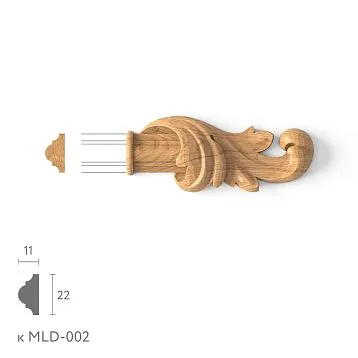
Relief decoration is three-dimensional decorative elements made from materials such as plaster, polyurethane, wood, or plastic. Its main purpose is not only to decorate space but also to create a unique atmosphere within it. Relief decoration is distinguished by its variety of forms: from strict geometric lines to complex ornaments and figures.
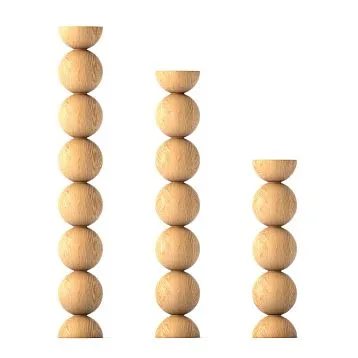
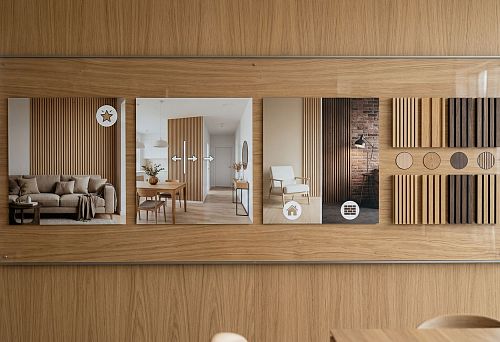
Especially popularwall decor elements andWooden decor elements for the homethat help create accent zones, add volume, and emphasize the interior style.
History of Relief Decoration
Historyrelief decoration elements traces back to ancient times. In ancient Greece and Rome, relief was used to decorate palaces, temples, and theaters. These were complex structures that emphasized the grandeur of buildings and served as symbols of luxury.
● Antiquity. Relief decoration was made of plaster and marble.Ceiling decoration elements and walls were decorated with ornaments that included floral and geometric motifs.
● Middle Ages. During this time, relief acquired a religious tone. Ornaments became richer, sculptures, bas-reliefs, and Gothic motifs were added.
● Renaissance and Baroque. The Renaissance restored relief decoration's decorative function.Window decoration elements and walls became central accents in the interior.
● Modernity. Today Wooden decor elements for the home have become more accessible thanks to polyurethane and modern manufacturing technologies. They are used both in classical and minimalist interiors.
Is stucco decoration still in demand in the 21st century? The answer is simple: it is a universal tool that can highlight the style of a room, create accent zones, and add elegance.
Why Relief Decoration Elegance. Stucco adds sophistication to a space, creating a unique atmosphere.
- Universality. Modern
- and ceiling are suitable for any room — from living rooms to bathrooms.wall decor elements Ease of installation. The lightweight and flexibility of polyurethane elements make them easy to install.
- Durability. Quality materials are resistant to wear, moisture, and temperature fluctuations.
- Durability. High-quality materials are resistant to wear, moisture, and temperature changes.
Our factory also produces:


Stucco for ceilings: classic and refined
Ceiling decoration elements is one of the most popular ways to apply stucco decoration. The ceiling is an important part of the interior that can set the overall style of the room. Stucco decoration for the ceiling helps add depth, elegance, and refinement to the space, making it more expressive.
Popular ceiling decoration elements
- Crown mouldings.
Crown mouldings are used to decorate the junctions between walls and ceilings. They create a neat transition, hide possible defects, and give the room a finished look. Relief Decoration Elements Patterned ones suit classic interiors, while minimalist lines suit modern ones. - Rosettes.
These elements are often placed in the center of the ceiling, drawing attention to the chandelier or main light source.Ceiling decoration elements in the form of rosettes can be simple or with an elegant ornament. - Mouldings.
Mouldings allow you to create decorative frames or zone the ceiling space. They are ideal for creating accent zones. - Panels.
For bolder solutions, large panels are used, which cover most of the ceiling and define its style.
How to choose ceiling decoration elements?
Choosing stucco decoration elements for the ceiling depends on the room's style:
● For classic interiors. Choose mouldings with ornamentation, rosettes with botanical motifs, and refined mouldings.
● For modern styles. Minimalist forms with clean lines will emphasize the space's simplicity.
● For Scandinavian design. White crown mouldings and mouldings without complex patterns will create a fresh and cozy look.
Ideas for applying stucco decoration on the ceiling
- Accent ceiling.
Decorate the ceiling with a large rosette and surround it with mouldings to create a luxurious look. - Zoning.
Use moldings to define zones on the ceiling, for example, in the living room or bedroom. - Lighting.
Hidden lighting under cornices will highlight the depth and texture of the ceiling, creating a soft lighting effect.
Example: In a spacious living room, a ceiling with an elegant molded cornice and a central rosette around the chandelier transforms the room into an elegant space.
Get Consultation
Moldings for walls: stylish accents and texture
wall decor elements Play an important role in creating accent zones and adding texture to the interior. Molded decoration on walls allows you to make a room unique and expressive, creating harmonious compositions and emphasizing the room's style.
Popular types of wall molding decoration
- Mouldings.
TheseRelief Decoration Elements are used to create decorative frames that draw attention to specific areas of the wall. For example, around mirrors, paintings, or photographs. - Panels.
Decorative molding panels are often used to decorate accent walls. They add depth and visual interest, making the interior more expressive. - Reliefs.
Reliefs are decorative elements made in the form of relief patterns. They can depict floral motifs, geometric patterns, or abstract designs. - Crown mouldings.
Wall cornices help create a soft transition between the ceiling and the wall or emphasize the upper part of the wall.
How to use wall molding decoration?
- Creating an accent zone.
Decorate one of the walls in the living room or bedroom with decorative panels or moldings. This will attract attention and become a key design element. - Decoration for zoning.
wall decor elements will help visually divide the space. For example, highlight the dining area in the dining room with moldings. - Combining with other materials.
Molded decoration combines beautifully with wooden or textile elements. For example, molding panels can be framed with wooden inserts for a more interesting effect. - Color harmony.
White molding is a classic solution suitable for most interiors. However, modern trends allow molding elements to be painted in pastel tones or even bright accents.
Ideas for applying wall molding decoration
● Classic compositions. Use moldings to create symmetrical frames on walls. This adds elegance to the interior.
● Decorative inserts. Decorate walls with reliefs or small molding panels with patterns.
ModernRelief Decoration Elements can be used to create geometric compositions on walls, emphasizing minimalism or modernism.
Example: In a bedroom, the wall behind the bed is adorned with moldings that form symmetrical rectangular frames. The white molding highlights the elegance of the design and creates a calm atmosphere.
Molding for windows: elegance in details
Windows are not only a source of light, but also an important interior element that can become a stylish accent.Window decoration elements allow windows to have refinement and completeness, emphasizing the overall style of the room. Using sculptural decoration, you can create a harmonious composition that will delight the eye and attract attention.
Popular decorative elements for windows
- Window sills.
Sculptural window casings frame the window, making it more expressive. They are ideally suited for classical interiors, adding richness and elegance. - Arches.
Decorative arched elements are often used to decorate the upper part of the window. This gives the space a more refined and luxurious look. - Brackets.
Brackets can be used as supports for cornices or other decorative elements. They add architectural depth to the interior. - Portals.
Full sculptural portals decorate window openings, becoming the central accent in the room's design.
How to use window decoration elements?
- Window framing.
Use casings to visually highlight the window against the wall. This will create an elegant framing effect and emphasize its shape. - Decorating the upper part of the window.
ArchesRelief Decoration Elements add dynamism and style, especially if the room is designed in a classical or baroque style. - Combination with textiles.
Combining sculptural decoration with elegant curtains or drapes enhances the effect of refinement and completeness. - Zoning.
If the window is located in a niche, a sculptural portal will help highlight this area, making it an accent.
Ideas for applying sculptural decoration for windows
● Classical framing. Use casings with ornamentation to emphasize the elegance of the window.
● Modern minimalism. For modern interiors, simple forms and clean lines are suitable.
● Accent elements. Include decorative brackets or arches to add uniqueness.
● Combination with other elements. Combine window decoration with sculptural panels or moldings on walls to create a harmonious ensemble.
Example: In an office, the window is adorned with an arched portal featuring an elegant ornament, which highlights the high status of the room and creates an atmosphere of refined comfort.
Modern approaches to sculptural decoration: style and functionality
Today, sculptural decoration remains relevant not only for classical interiors.Relief Decoration Elements are applied in modern styles such as minimalism, Scandinavian design, and modernism. Modern technologies allow creating lightweight, durable, and easy-to-install elements that harmoniously fit into any type of interior.
Features of modern sculptural elements
- Simple forms.
Modern sculptural decoration moves away from complex ornamentation and prefers simple lines and geometric shapes. This makeswall decor elements ideal for minimalist spaces. - Integration with lighting.
Hidden lighting under cornices and moldings creates soft light that highlights depth and texture. - Combination of materials.
Modern ceiling and wall decorative elements harmonize beautifully with wood, metal, and glass. - Color solutions.
Whereas plasterwork used to be painted exclusively white, today pastel and even vibrant shades are popular, allowing you to emphasize specific details.
How to use plaster decorative elements in modern interiors?
- Creating geometric accents.
Use moldings to create strict geometric shapes on walls. This suits living rooms or home offices. - Highlighting functional zones.
Using home decorative elements, you can define zones: dining area, reading nook, or workspace. - Integration with smart home technology.
Cornices and moldings are used to conceal wires and cables, preserving the interior's aesthetics. - Monochromatic accents.
Black or gray plaster elements become a stylish solution for modern lofts or industrial interiors.
Ideas for modern interiors
● Minimalist cornices. Use them to create visually clean lines on the ceiling.
● Three-dimensional panels. Geometric reliefs on walls make the space deeper and more interesting.
● Colored inserts. Paint moldings in a contrasting color to make them a focal point in the room.
● Hidden niches. Frame niches with moldings or panels, adding functionality and style.
Example: In a minimalist-designed bedroom, moldings highlight areas around the bed, creating a clean and stylish accent.
Maintenance of plaster elements: preserving beauty for years
Relief Decoration — is not only an exquisite decoration but also an investment in the aesthetic perfection of the interior. To Relief Decoration Elements maintain their original appearance for many years, it is important to properly care for them. In this section, we will review the basic rules for caring for plaster decor, so it continues to delight with its beauty and elegance.
Basic rules for caring for plaster decor
- Regular dust cleaning.
Plaster elements often have complex textures and relief, so dust can accumulate in patterns. Use a soft cloth, a long-bristled brush, or a vacuum cleaner with a brush attachment to carefully remove dirt. - Avoid moisture.
For rooms with high humidity (bathrooms, kitchens) it is better to choose moisture-resistantwall decor elements made of polyurethane. This prevents mold growth and damage. - Cleaning without abrasives.
Use a damp, soft sponge or cloth to remove stains. Avoid aggressive cleaning agents that may damage the decorative surface. - Periodic repainting.
If the molded decoration has lost its vibrancy or been damaged, it can be repainted. Use water-based paint to preserve the structure and texture of the elements.
Care features for molded decorations made of different materials
- Gypsum molding.
Gypsum is a porous material that requires careful care. Protect it from moisture and mechanical damage, and reapply paint or protective coating as needed. - Polyurethane elements.
ModernRelief Decoration Elements Polyurethane elements are resistant to moisture and mechanical damage. They are easy to clean and require minimal maintenance. - Wooden molding.
To preserve the wood texture, use wood protection products such as waxes or oils.
How to prevent damage?
- Impact protection.
Avoid mechanical impact on molded elements, especially if they are mounted on walls or furniture. - Correct installation.
For longevity, it is important to properly installCeiling decoration elements and walls using quality fasteners and materials. - Humidity control.
Maintain optimal humidity levels in the room to prevent mold growth or deformation of the molded decoration.
Tips for updating molded decoration
● If cracks or chips appear on the surface, they can be filled with putty and then painted in the appropriate color.
● To refresh the interior, molded elements can be repainted to give them new shades that match current trends.
● Add lighting to cornices or moldings to refresh the visual perception of the space.
Conclusion
Care formolded decorative elements – is the key to their longevity and preservation of aesthetics. By following simple rules, you can enjoy the beauty of molding for many years, highlighting its uniqueness and elegance in your interior.
Molded decoration is not only decoration, but also an important part of the atmosphere of your home, which will always look impeccable with proper care!