Article Contents:
- Revolution in stone: when chemistry defeats physics
- Material that changed the rules of the game
- Alchemy of production: from idea to masterpiece
- Quality control: perfectionists' requirements
- Stylistic universe: from antiquity to modernism
- Classicism: mathematics of beauty
- Baroque: theater frozen in forms
- Empire: grandeur and monumentality
- Technological aspects: from theory to practice
- Design: the art of foreseeing the result
- Assembly: surgical precision
- Final Finishing: The Master’s Last Touches
- Economic efficiency: beauty without bankruptcy
- Comparative analysis of materials
- Long-term economic benefit
- Areas of application: universality of solutions
- Residential interiors: creating a home atmosphere
- Commercial spaces: investments in image
- Public buildings: cultural heritage in modern interpretation
- Innovative technologies: looking into the future
- Digitalization of the Design Process
- New materials and compositions
- Integration of smart technologies
- Ecological aspects: responsibility to the future
- Safety for Human Health
- Sustainable development and recycling
- Conclusion: Choice of Professionals and Connoisseurs of Quality
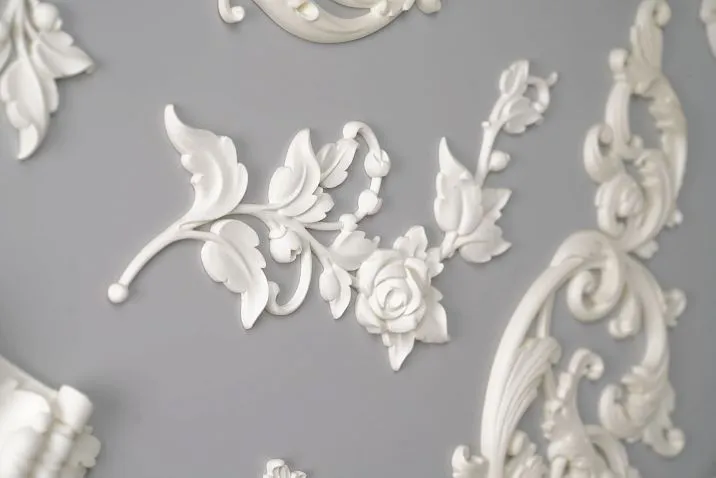
In a world where every square meter of living space fights for the right to be called home, not just a place of habitation, there exists a secret weapon — the art of creating atmosphere. molded decoration made of polyurethane has become that magical wand that transforms standard boxes into works of architectural art. This material combines designers' dreams of boundless possibilities with the practicality of 21st-century engineering solutions.
Why now, in the era of minimalism and functionality, do we turn back to classical forms? The answer is simple: the human soul craves beauty, harmony, and connection with cultural heritage. Polyurethane moldings allow creating this connection without requiring colossal financial investments or multi-month construction work.


Revolution in stone: when chemistry defeats physics




Material that changed the rules of the game
What happens if we combine the best qualities of natural stone, noble wood, and modern composites? We get a material that fundamentally changed the perception of decorative finishing possibilities. Polyurethane in architectural applications — it's not just plastic, it's a high-tech material with unique properties.
The density of polyurethane is only 0.6-0.8 g/cm³, which is orders of magnitude less than the density of plaster or natural stone. At the same time, its compressive strength reaches 80 MPa, and its flexural strength — 25 MPa. These characteristics allow creating items with thin walls and complex geometry without the risk of breakage.
The coefficient of thermal expansion of polyurethane is extremely low, which eliminates the appearance of cracks under temperature fluctuations. In Russian climatic conditions, where the difference between winter and summer temperatures may be 60-70 degrees, this characteristic is critically important.
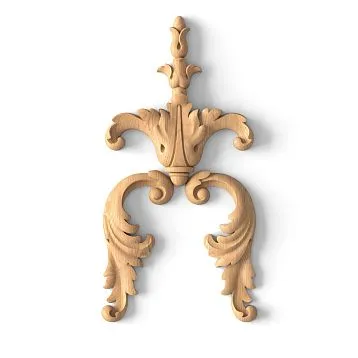
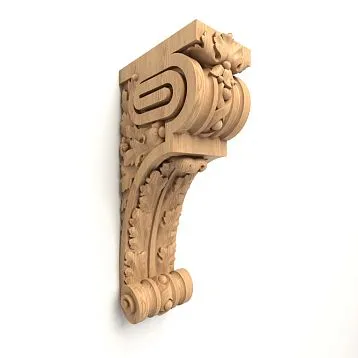
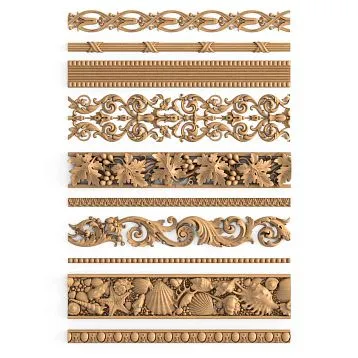
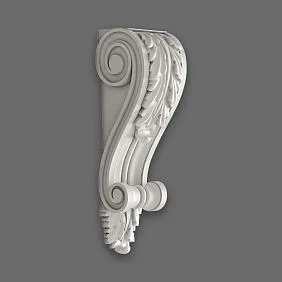
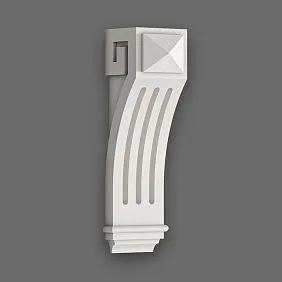
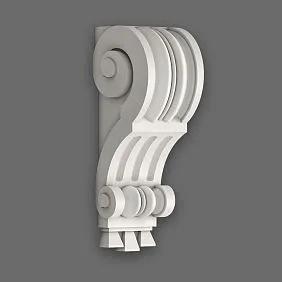
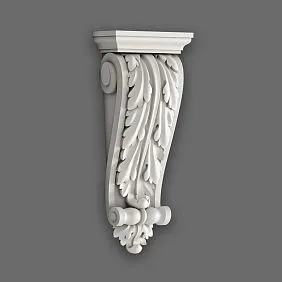
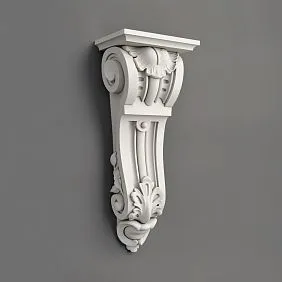
Our factory also produces:


Alchemy of production: from idea to masterpiece
Creating Quality polyurethane molding decoration It begins with the art of sculpture. Master molders create initial samples using traditional techniques such as wood carving or clay modeling. Each detail is meticulously handcrafted, taking into account future technological features of production.
The silicone mold is produced in several stages. First, a negative mold is created by coating the master model with a special silicone compound. Then, a rigid shell made of polyurethane or plaster is produced, which ensures geometric stability of the mold during casting.
The casting process takes place under special climatic conditions at a temperature of 18-22°C and humidity not exceeding 65%. The components of the polyurethane system are mixed in precise proportions using automatic dosing units, eliminating human factors.
Get Consultation
Quality Control: Requirements of Perfectionists
Each item undergoes a multi-stage quality check. Visual inspection reveals the slightest surface defects — pores, inclusions, color unevenness. Dimensional control ensures that items meet specified geometric parameters with precision down to fractions of a millimeter.
Laboratory tests include determining density, strength, water absorption, frost resistance, and other physical and mechanical properties. Material samples are subjected to accelerated aging tests in climatic chambers simulating long-term exposure to various factors.
Statistical analysis of quality control data allows continuous improvement of the technological process. Each deviation from the norm is analyzed, its causes are identified, and measures are taken to prevent recurrence of defects.
Stylistic Universe: from Antiquity to Modernity
Classicism: Mathematics of Beauty
Classical style in architecture is the embodiment of the golden ratio and harmonious proportions developed over millennia of human civilization. Corinthian capitals with their lush acanthus leaves, Doric columns with fluting, Ionic volutes — all these elements receive new embodiment in polyurethane.
Mathematical precision of classical proportions requires perfect reproduction of all details. Modern molding technologies allow conveying the finest nuances of ancient samples with accuracy unattainable even by skilled craftsmen of past centuries.
Modularity of the classical system allows creating complex compositions from standard elements. The base, shaft, and capital of a column can be combined in various configurations, creating unique architectural solutions for each specific project.
Baroque: Theater Frozen in Forms
Baroque style is an explosion of emotions, dynamism of forms, and richness of decorative details. Complex scrolls, interwoven plant motifs, mascarons, and cartouches create a sense of theatricality and festivity in space.
molded decoration made of polyurethane Ideal for reproducing baroque forms due to the material's ability to convey the most complex relief details. Deep recesses, thin lintels, multi-layered compositions — all of this becomes accessible for mass production.
The play of light and shadow on baroque elements creates a constantly changing picture, animating the interior throughout the day. Properly placed lighting can transform an ordinary room into a theatrical set.
Empire: Grandeur and Monumentality
Empire style embodies ideas of state grandeur and military glory. Laurel wreaths, eagles, fasces, trophies — symbols of power and victory become the main decorative motifs.
Strict symmetry and clear geometry of empire compositions require high precision in execution. The slightest deviation from specified proportions disrupts the overall impression of the composition and reduces its emotional impact.
Gilding and patination of empire elements create an effect of luxury and solemnity. Modern technologies allow imitating various metallic finishes with high accuracy.
Technological Aspects: From Theory to Practice
Design: The Art of Foreseeing the Result
Creating a harmonious interior using molded decoration requires a deep understanding of composition and proportion principles. Each element must not only correspond to the chosen style but also harmoniously fit into the architectural context of the room.
Scaling of elements is carried out taking into account ceiling height, room area, and functional purpose of the space. Large elements in small rooms create a sense of oppression, while small details in spacious halls become lost and fail to produce the desired impression.
Color solution plays a critical role in the perception of decorative elements. Contrasting colors attract attention and create accents, tonal solutions provide subtle emphasis on relief, monochromatic compositions create a sense of unity and wholeness of space.
Installation: Surgical Precision
Quality installation of molded decoration requires professional skills and specialized tools. Wall and ceiling surfaces must be ideally prepared — leveled, cleaned of dust, and degreased. Any irregularities will be accentuated after installation of decorative elements.
Marking is performed using laser levels and high-precision measuring tools. Each line, each mounting point is checked multiple times, as correcting errors after applying elements is extremely difficult.
Adhesive compositions are selected individually for each type of surface. Polyurethane adhesives provide maximum adhesion and retain elasticity after curing, compensating for building temperature deformations.
Final Finishing: The Master’s Final Touches
Filling joints between elements requires special skill. Special putties, matched to the color and texture of the base material, are used. The goal is to create a visually monolithic surface, where individual elements merge into a single composition.
Priming before painting ensures uniform color and durability of the coating. Primer must be compatible with the material polyurethane molding decoration, and with the final paint.
Painting is the final stage, determining the final appearance of the decorative composition. Various application techniques are used — from simple roller painting to complex artistic techniques using stencils and airbrushing.
Economic efficiency: beauty without bankruptcy
Material comparison analysis
When comparing various materials for decorative finishing, it is important to consider not only the initial cost but also the total costs over the entire life cycle of the product. Gypsum molding, at comparable detail quality, costs 2-3 times more than polyurethane.
Natural stone surpasses polyurethane in prestige, but its cost is 5-10 times higher. Moreover, stone elements require special fasteners capable of supporting significant weight, which further increases project cost.
Wood carving is comparable in cost to polyurethane, but requires regular maintenance and protection against moisture, insects, and fungal damage. Operational costs for wooden decoration may exceed the initial material cost.
Long-term economic benefit
The service life of high-quality polyurethane decor is 25-30 years with minimal maintenance. The material requires no special care, is resistant to moisture, temperature fluctuations, and mechanical damage.
The ability to repaint multiple times allows updating the interior without replacing decorative elements. This is especially important in commercial spaces, where design concepts change every 5-7 years.
The increase in property market value due to high-quality decorative finishing can reach 20-25% of the initial property value. This makes investments in stucco decor not only aesthetically but also economically justified.
Applications: versatility of solutions
Residential interiors: creating a home atmosphere
Living rooms gain a special grandeur through the use of classical decorative elements. Cornices with dentils, chandeliers' rosettes, pilasters create a sense of grandeur even in typical apartment buildings.
Bedrooms require a more delicate approach to decoration. molded decoration made of polyurethane allows creating a romantic atmosphere using elegant moldings, small rosettes, and decorative panels with botanical motifs.
Children's rooms can be decorated using thematic elements — fairy tale characters, animals, plants. The safety of polyurethane allows its use even in rooms for the youngest children.
Commercial spaces: investment in image
Office spaces gain additional respectability due to classical decorative finishing. Clients subconsciously trust companies more whose offices are tastefully designed with attention to detail.
The restaurant industry actively uses decorative elements to create a unique atmosphere and recognizable style. Thematic decoration helps stand out among competitors and create a memorable image of the establishment.
The hospitality industry considers high-quality decorative finishing an important factor in competitiveness. Guests are willing to pay more for accommodation in rooms with individual design.
Public buildings: cultural heritage in modern interpretation
Museums and cultural centers use polyurethane decor to recreate historical interiors. The accuracy of detail reproduction allows creating an authentic atmosphere of various historical periods.
Educational institutions use decorative elements to create a solemn atmosphere in auditoriums, libraries, and other formal spaces. This helps foster in students a sense of beauty and respect for cultural traditions.
Religious buildings use specially developed elements conforming to the canons of various confessions. The safety of the material and ease of maintenance make it an ideal choice for churches and prayer houses.
Innovative technologies: looking toward the future
Digitalization of the design process
Automated design systems allow creating three-dimensional models of future interiors with photorealistic quality. Clients can see the result even before work begins and make necessary adjustments.
Virtual reality allows "walking through" future interiors and evaluating them from different perspectives. This is especially important when creating complex compositions, where it is crucial to consider the perception of decor from various viewing angles.
Parametric design allows creating adaptive decor systems that automatically adjust to the size and proportions of a specific room. This opens new possibilities for personalizing design.
New Materials and Composites
Polyurethane-based nanocomposites possess fundamentally new properties. Self-cleaning surfaces, antibacterial coatings, color changes under temperature influence — all of this is no longer science fiction but reality of modern chemistry.
Biopolymers derived from renewable raw materials represent an environmentally friendly alternative to traditional materials. While retaining all the positive properties of polyurethane, such materials fully degrade in the natural environment.
Shape-memory composites can change their geometry under external factors. This opens opportunities for creating adaptive architectural elements capable of adjusting to changing operating conditions.
Integration of smart technologies
Integrated LED lighting transforms ordinary decorative elements into additional light sources. Control systems allow creating various lighting scenarios for different times of day and various events.
Sensors of motion and presence, integrated in molded decoration made of polyurethane, can control lighting, heating, and air conditioning systems. Wireless technologies ensure ease of installation and operation.
Climate sensors placed in decorative elements monitor microclimate parameters and can send signals to automatic temperature and humidity regulation systems.
Environmental Aspects: Responsibility to the Future
Safety for Human Health
Modern polyurethane compositions do not contain formaldehyde, heavy metals, or other toxic substances. The material does not emit volatile organic compounds and is safe for use in residential spaces, including children's rooms.
The antimicrobial properties of polyurethane prevent the development of mold, fungi, and bacteria on the surface of products. This is especially important in rooms with high humidity and in medical facilities.
The hypoallergenic nature of the material is confirmed by appropriate certificates. Even people with heightened sensitivity can be in rooms decorated with polyurethane decor without health risks.
The long service life of polyurethane products reduces the need for frequent replacements and, consequently, the volume of waste generated. This aligns with the principles of sustainable development and rational resource use.
Chemical recycling technologies allow decomposing used polyurethane into original components that can be used to synthesize new materials. This creates a closed production cycle.
Energy recovery of polyurethane through combustion in specialized facilities allows obtaining a significant amount of thermal energy. The calorific capacity of the material is comparable to fuel oil, making it a valuable energy resource.
In a rapidly changing world where technologies develop at an unprecedented pace, the human need for beauty and harmony remains unchanged. Polyurethane molded decoration has become the tool that satisfies this need without sacrificing practicality and economic feasibility.
Conclusion: choice of professionals and connoisseurs of quality
Each day spent in a beautifully designed interior is an investment in quality of life, emotional well-being, and personal creative development. The beauty of the surrounding space affects one’s mood, productivity, and overall health.
Choosing high-quality decorative finishes is a choice made by people who understand the value of beauty and are willing to invest in creating a space worthy of their ambitions. It is the choice of those unwilling to accept the dullness and banality of mass construction.
Modern polyurethane decoration production technologies have reached such a level of perfection that they enable the realization of the most daring design fantasies. Limitations exist only in the client's imagination, not in the material's capabilities.
Investing in quality decoration is an investment in the future. A beautiful interior not only brings daily pleasure but also increases the property's market value, creates a positive impression on visitors and guests.
STAVROS Company holds leading positions in the Russian market for polyurethane decoration, offering clients products of world-class quality. Years of experience, use of advanced technologies, and strict quality control at every production stage ensure exceptional characteristics of finished items. STAVROS’ team of professionals continuously works to expand the product range and implement innovative solutions, enabling satisfaction of the most demanding client requirements. Choosing STAVROS means choosing a reliable partner in creating dream interiors who understands the importance of every detail and strives for perfect results in every project.
STAVROS Company holds a leading position in the Russian market for polyurethane decor, offering clients products of world-class quality. Years of experience, use of advanced technologies, and strict quality control at every stage of production ensure exceptional characteristics of finished items. The STAVROS team of professionals continuously works to expand the product range and implement innovative solutions, enabling them to meet the most demanding client requirements. Choosing STAVROS means choosing a reliable partner in creating dream interiors who understands the importance of every detail and strives for perfect results in every project.