












































































Article Contents:
- Introduction: A Revolution in Interior Finishing
- What is Polyurethane Moldings and Why It's a Revolution
- History and Evolution of the Material
- Main Characteristics of Polyurethane
- Advantages of Polyurethane Moldings Over Traditional Materials
- Comparison with Gypsum
- Comparison with Wood
- Affordability and Accessibility
- Types of Polyurethane Moldings
- Moldings - Trim for Your Interior
- Crown Molding - Upper Trim
- Baseboards - Lower Trim
- Stickers and Ornaments
- Polyurethane panels
- Technical Specifications of Polyurethane Moldings
- Density and Strength
- Resistance to Temperature Fluctuations
- Sound insulation
- Fire Resistance
- Installation Process: From Selection to Installation
- Choosing the Right Adhesive
- Surface Preparation
- Installing Moldings: Step by Step
- Installing Polyurethane Molding and Subsequent Finishing
- Where to Use Polyurethane Moldings
- Molded Ceiling - Main Interior Element
- Ceiling Rosettes Under Chandeliers
- Wall Moldings
- Moldings Behind the Sofa
- Architectural elements
- Polyurethane Moldings Selection Table
- Molded Decor: Variety of Styles
- Classic style
- Modern
- Neoclassical and baroque
- Minimalism and Loft
- Finishing and Painting Polyurethane Moldings
- Preparation for Painting
- Choosing paint
- Painting technique
- Special effects
- Cost and Price List
- Pricing
- Sample Prices
- Online Stucco Store: How to Choose Products Online
- Choosing a Store
- Polyurethane Stucco Photo
- Frequently Asked Questions
- Can You Install Polyurethane Stucco Yourself?
- How Long Does Polyurethane Stucco Last?
- Can Polyurethane Stucco Be Painted Multiple Times?
- How Does Polyurethane Differ from Foam?
- Can Polyurethane Stucco Be Used in a Bathroom?
- What Adhesive to Use for Polyurethane Stucco?
- How to Connect Two Moldings at an Angle?
- What Thickness Should the Molding Be for a 3-Meter High Ceiling?
- Where to Buy High-Quality Polyurethane Stucco?
- What Tools Are Needed for Installation?
- Are There Alternatives to Polyurethane Stucco?
- Modern Trends in Using Polyurethane Stucco
- Minimalism Meets Classic
- Asymmetry
- Painting to Match Wall Color
- Combining materials
- Advantages of Polyurethane Decorative Elements for Designers
- Ecological Properties of Polyurethane
- Conclusion: STAVROS - Your Partner in Creating the Perfect Interior


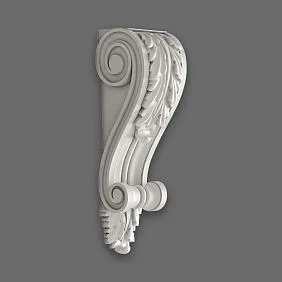

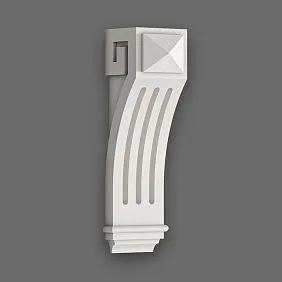
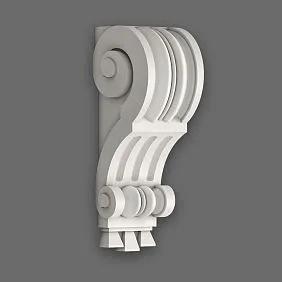
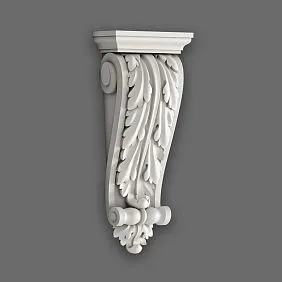
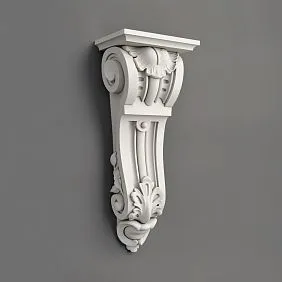
Introduction: Revolution in Interior Finishing
Do you remember the feeling of helplessness when you needed to update the ceiling or walls, with days of dirty work, plastering, painting, and renovation chaos looming ahead? Those times are irrevocably gone into the past. Today, there is a solution that allows you to realize the most daring design ideas without noise, dust, and a month-long waiting period for drying. This solution ismolded decoration made of polyurethane.
Polyurethane finishing is not just a practical choice, it is a revolution in renovation. Over the past two decadesmolded decoration made of polyurethanehas completely rewritten the rules of the game in the field of interior design. Instead of exhausting work with plaster stucco, instead of months of drying and preparation for painting, craftsmen and homeowners have received a tool that works quickly, reliably, and economically.
In this article, we will explore what {count} {name} %s ispolyurethane moldingswhy it surpasses traditional materials, how to install it, and how to choose the right one for you— everything must correspond to the chosen era.to create the interior of your dream.




What is polyurethane decor and why is it a revolution
Our factory also produces:


History and evolution of the material
Polyurethane as a material was invented in 1937 by the German chemist Otto Bayer. But its application for decorative purposes began much later, when modern technologies allowed creating forms reproducing the finest details of classical carving and molding.
molded decoration made of polyurethaneIt appeared on the market as an alternative to plaster molding around the late 1980s. Initially, it was expensive and unpopular. But as production technology improved and material costs decreased, polyurethane decor rapidly conquered the market, like a forest fire.
Get Consultation
Main characteristics of polyurethane
Polyurethane is a synthetic polymer with unique properties. First, it is lightweight. Classical plaster molding weighs kilograms, often dozens of kilograms. Polyurethane molding is practically weightless — this means it can be mounted on virtually any surface without additional structural reinforcement.
Second, polyurethane is moisture-resistant. Unlike plaster, which fears humidity and may deteriorate, polyurethaneRelief Decorationcalmly withstands fluctuations in humidity, temperature changes, even direct contact with water.
Third, it is a durable material. Polyurethane does not crumble, crack, or deform under normal mechanical loads.
Advantages of polyurethane molding over traditional materials
Comparison with plaster
Plaster molding is a classic, proven over centuries. But as a material for modern renovation, it has serious drawbacks.
Plaster is heavy. Ceiling plaster molding requires special fasteners, and sometimes even reinforcement of the ceiling. Its installation requires skill and time.
Plaster is brittle. Any impact — and the expensive masterpiece of the craftsman is broken.
Plaster fears moisture. In the bathroom, kitchen, or areas with high humidity, plaster molding quickly loses its appearance and may begin to deteriorate.
Plaster requires careful preparation before painting. It needs primer, putty, sanding.
Polyurethane alternative solves all these problems.Buy polyurethane wall moldings— meaning to obtain a material that is easier to install, longer-lasting, and ready for painting without additional preparation.
Comparison with wood
Wooden molding has an undeniable advantage — naturalness and warmth. But wood requires constant care, fears humidity and insects, requires treatment with special compounds. Over time, wood warps, cracks, darkens.
Polyurethane decor requires no special care. Simply wipe with a damp cloth — and cleanliness is restored.
Budget-friendliness and accessibility
This is, perhaps, the main argument.molded decoration made of polyurethaneIt costs 3-5 times less than plaster molding and approximately the same amount less than wooden molding. At the same time, its quality is often higher than that of cheap plaster items.
Types of polyurethane molding
Moldings — trim for your interior
Moldings made of polyurethane— this is, perhaps, the most popular type of polyurethane decor. Moldings are used to frame ceilings, walls, doors, arches. They create visual boundaries, divide space into zones, add depth and character to the interior.
Moldings come in various profiles — from simple geometric shapes to complex ones with many details and protrusions.polyurethane wall moldingsThey can imitate classical architectural elements — square eggs, pearls, spiral scrolls.
Molding widths vary from several centimeters to half a meter. Narrow moldings suit small rooms and modern interiors. Wide moldings create a sense of luxury and classic elegance, requiring high ceilings and spacious rooms.
Crown Molding - Top Trim
Polyurethane Crown MoldingInstalled at the junction of the wall and ceiling. This is not just decoration—it is an architectural element that completely transforms the perception of the room. A high, volumetric crown molding combined with appropriate lighting can visually raise the ceiling and create a sense of grandeur.
Crown moldings can be simple or complex. Simple moldings suit minimalist interiors. Complex ones, with multiple profiles and details, create a sense of palace luxury.
Baseboards - Bottom Trim
Polyurethane baseboards are a practical solution that also serves decorative purposes.Polyurethane BaseboardsHide gaps between floor and wall, protect the lower part of the wall from damage, and give the room a finished look.
Unlike wooden baseboards, polyurethane ones do not require regular oiling or varnishing. They are moisture-resistant and can be painted any color.
Stickers and Ornaments
molded decoration made of polyurethaneAlso includes various decorative stickers, ornaments, and electrical outlets. These are small architectural forms used as accents.
Outlets are installed under ceiling lights, giving the fixture greater significance. Stickers are used to decorate doors, create wall murals, and embellish mirror edges.
Polyurethane panels
Full polyurethane panels are a separate category of decor. These panels reproduce three-dimensional patterns and can be used for ceilings or walls. This creates a sense of three-dimensional space, depth, and adds sophistication to the room.
Technical Specifications of Polyurethane Moldings
Density and strength
Quality polyurethane for moldings has a density of 200-250 kilograms per cubic meter. This ensures a good balance of lightness and strength. Too soft material may deform, while too rigid material may crack during installation.
Resistance to Temperature Fluctuations
Polyurethane retains its properties at temperatures from minus 40 to plus 80 degrees Celsius. This means thatpolyurethane moldingsit is suitable for use anywhere—on balconies, in unheated rooms, even under extreme temperature fluctuations.
Sound Insulation
Polyurethane has good sound insulation properties. Polyurethane moldings installed under the ceiling can help slightly reduce noise levels in the room.
Fire Resistance
Quality polyurethane for moldings has a fire rating of Group G2 (moderately flammable) or even G1. This means the material does not support combustion, although it may ignite under direct flame exposure.
Installation Process: From Selection to Installation
Choosing the Right Adhesive
This is a critical step. Not all adhesives are suitable for installing polyurethane moldings. Do not use regular PVA glue—it is not strong enough. Do not use oil-based putty—it is incompatible with polyurethane.
For installingpolyurethane moldinguse a special polyurethane adhesive or acrylic adhesive recommended by the manufacturer. Some professionals use acrylic-based finishing putty—it works well with polyurethane.
Surface preparation
Before installing molding, the surface must be thoroughly prepared. On the ceiling, this means removing old whitewash, paint, and dust. The surface should be smooth, although polyurethane allows for minor irregularities.
If the surface is uneven, use polyurethane adhesive for leveling—it holds well and allows more flexible positioning of the molding.
Installing moldings: step by step
The installation process is relatively simple, but requires attention to detail.
First, you need to measure the room and determine where the moldings will be placed. On the ceiling, draw a line with a pencil along which the molding will run. This ensures straight installation.
Then apply adhesive. The adhesive is applied to the back of the molding, usually in a dashed line or wave. Do not be stingy with adhesive, but also do not overapply it.
After this, the molding is pressed against the surface with light pressure. It needs to be aligned with the drawn line, ensuring it fits tightly against the ceiling or wall.
If the molding is long, work in sections. First, adhere 1-2 meters, let the material set, then continue further.
At junctions of multiple moldings, cut the ends at an angle (usually 45 degrees) to ensure the joint is not noticeable.
installing polyurethane moldingand subsequent finishing
After the adhesive has fully dried (usually 24 hours), the molding needs to be prepared for painting.Moldings made of polyurethaneready for painting almost immediately, but for better results it is advisable:
Fill gaps between the molding and the wall-ceiling with polyurethane sealant or acrylic putty. This creates a sense of a unified whole.
Sand the edges if they are uneven.
Prime the molding before painting (if it is not white and you plan to paint it).
After this, the molding can be painted any color, varnished, or left in its natural state.
Where to use polyurethane decorative molding
Plaster ceiling - main interior element
Plaster ceilingThis involves using polyurethane moldings, cornices, rosettes, and panels to create a complex, multi-level ceiling. This can be a perimeter ceiling adorned with moldings, or a complex structure with multiple levels and details.
A polyurethane plaster ceiling in a small apartment can create the feeling of a palace. In a large house, it can serve as a basis for creating a luxurious interior.
Ceiling rosettes under chandeliers
Ceiling moldingsIt starts with the rosette. A rosette is a round or oval ornament installed on the ceiling at the point where the chandelier is mounted. The rosette adds more significance to the chandelier, creating a sense of completion.
Rosettes can be simple (just a smooth circle) or complex (with multiple relief details imitating carving).
Wall molding
Wall moldingUsed to create murals, frame mirrors and doors, or divide walls into zones. This can be a horizontal molding dividing the wall into two parts, or vertical moldings creating columns.
Such decoration is especially good in classical interiors, but can also be used in modern interiors if the right molding profile is chosen.
Wall molding behind the sofa
OftenMolding on the WallIt is used as a background element behind the sofa or bed. A few moldings creating a framed effect can completely transform a bedroom or living room.
Architectural elements
Polyurethane moldings are used to imitate architectural elements. For example, you can create the appearance of square panels on the ceiling using moldings. Or create the appearance of columns on walls using vertical moldings and capitals.
Polyurethane molding selection table
| Room Type | Recommended decor | Molding profile | Size | Installation Difficulty |
|---|---|---|---|---|
| Small apartment | Thin moldings | Simple | Narrow (5-10 cm) | Low |
| Medium-sized living room | Crown molding and moldings | Medium profile | Medium (15-25 cm) | Medium |
| Large house, classic | Complex molding | Complex | Wide (30-50 cm) | High |
| Modern minimalism | Fine graphic | Minimalist | Narrow (2-5 cm) | Low |
| Kitchen, bathroom | Moldings and baseboards | Moisture-resistant | Medium | Medium |
Relief decoration: variety of styles
Classic style
For a classic interior, a complex, multi-profile molding is suitable, often with ornaments imitating carving, pearls, shells. The crown molding should be imposing and protruding forward. Chandelier rosettes - large, with many details.
Buy polyurethane wall moldingsClassic profile - is an investment in timeless style.
Modern
Modern styles are characterized by smooth lines, absence of sharp angles. Moldings can be wavy, asymmetrical. Finishing is usually minimalist, without unnecessary details.
Neoclassical and Baroque
These are rich styles requiring maximum decorative detail. Heavy moldings, numerous rosettes, panels on ceilings and walls, vertical moldings imitating pilasters.
Minimalism and loft
For modern styles, minimal moldings are used, often flat, without relief. Geometric shapes and asymmetry may be used. Finishing is often left in natural color (white, gray, black).
Finishing and painting of polyurethane molding
Preparation for painting
molded decoration made of polyurethaneIt is ready for painting immediately after installation and drying of the adhesive. However, for better results, it is recommended:
If there are gaps between the molding and the wall - fill them with acrylic putty.
Sand sharp edges or rough spots with fine-grit sandpaper.
Prime the surface. Even white molding is better primed before painting — this improves paint adhesion.
Paint Selection
Water-based acrylic paints are suitable for polyurethane. They apply smoothly, dry quickly, and have no strong odor.
Oil-based paints also work, but they take longer to dry and have a stronger odor.
Solvent-based enamels should be avoided — they may damage polyurethane.
Painting Technique
Paint is applied with a brush or roller. For ceiling molding, a narrow brush is preferable to carefully paint all corners and protrusions.
If the molding has a complex relief, paint is applied in 2-3 layers. The first layer is a thinner paint that penetrates all recesses. The second layer is thicker, for color leveling.
Special effects
Polyurethane molding can be painted not only in solid color. You can use:
Patina — a special compound that creates an aged appearance by filling recesses with dark color. This is often used in classical interiors.
Gold or silver leafing — for festive, luxurious interiors.
Two-tone painting — when the background is one color, and the relief details are another.
Price and price list
When you decideto buy moldingPrice is one of the main questions.
Pricing
The cost of polyurethane molding depends on several factors:
Profile complexity. Simple moldings are cheaper, complex ones are more expensive.
Size. Wide moldings are more expensive than narrow ones.
Length. Usually calculated per linear meter. Standard length is 2 meters, sometimes 1.5 or 2.5 meters.
Manufacturer. Imported molding is usually more expensive than domestic, but quality may be higher.
Sample prices
Simple molding 5-10 cm wide: 200-400 rubles per linear meter.
Molding of medium complexity 15-25 cm: 500-1500 rubles per linear meter.
Complex profile molding 30-50 cm: 2000-5000 rubles per linear meter.
Rosettes: from 500 rubles for simple to 5000 rubles for complex.
Panels: from 2000 to 15000 rubles depending on size and complexity.
Molding priceIn online stores, prices may be lower due to direct delivery from the manufacturer.
Online molding store: how to choose a product online
Store selection
Online store for polyurethane ornamentationShould provide:
Detailed description of each product, including dimensions, complexity, and recommended installation methods.
High-quality photos, preferably from several viewing angles.
Product availability in stock, not "on order". Delivery should be fast.
Ability to return the product if it does not suit.
Consultation with specialists who will help you choose the right product.
Polyurethane moldings photo
Polyurethane molding photoThis is one of the main tools for selection. View photos of installed moldings in real interiors, not just mockups in the catalog. This will help you understand how the chosen molding will look in your room.
Frequently asked questions
Can polyurethane molding be installed by oneself?
Yes, it is quite possible. Installation does not require special skills or tools. You only need a sharp hacksaw or saw for cutting moldings, glue, brush, and a bit of patience. Many homeowners successfully install molding themselves.
How long does polyurethane molding last?
With proper installation and maintenance — several decades. Polyurethane does not degrade under sunlight, does not break down from humidity, does not attract insects. The main threat is mechanical damage.
Can polyurethane molding be painted multiple times?
Yes, it can be repainted several times. The main thing is to remove the old paint before applying new paint. This can be done by sanding or using special paint removal agents.
How does polyurethane differ from polystyrene?
Polystyrene is a more brittle material that crumbles under pressure. Polyurethane is much stronger. Polystyrene fades over time, polyurethane retains its color. Polystyrene absorbs moisture, polyurethane does not.
Can polyurethane molding be used in a bathroom?
Yes, this is one of the main advantages of polyurethane.polyurethane moldingsTolerates high humidity without mold or swelling.
What glue to use for polyurethane molding?
It is recommended to use special polyurethane glue or acrylic glue. Some professionals use acrylic finishing putty. It is not recommended to use PVA glue, oil-based putty, or construction foam.
How to connect two moldings at an angle?
The ends of the moldings are cut at a 45-degree angle using a hacksaw or special tool. Then the moldings are glued, and the gap is filled with glue or sealant.
What thickness should the molding be for a 3-meter-high ceiling?
Usually, the width of the molding should not exceed 1/10 of the distance from floor to ceiling. For a 3-meter ceiling, this is approximately 30 centimeters. But this is only a recommendation — you can use thinner moldings if you prefer minimalism.
WhereYou can buy ready-made stucco matching the Baroque style. Calculate the quantity: linear meters of cornices and moldings, number of rosettes, pilasters, consoles, corner elements. Add a ten to fifteen percent allowance for trimming.Where to find good quality?
Contact proven manufacturers and online stores that have a reputation and reviews. Ensure the product is in stock, delivery is fast, there is a warranty, and returns are possible.
What tools are needed for installation?
Minimum set: hacksaw (or saw or jigsaw) for cutting moldings, putty knife for applying glue, level for checking straightness, tape measure, pencil. All of this is available in most homes.
Are there alternatives to polyurethane molding?
Yes, there is gypsum molding (but it is heavier, more expensive, and requires maintenance), wooden molding (beautiful, but requires treatment and maintenance), polystyrene (cheaper, but less durable). For most cases, polyurethane is the optimal choice.
Modern trends in using polyurethane molding
Minimalism meets classic
Modern trend - using classical moldings in minimalist interiors. This creates a sense of balance between history and modernity.
Asymmetry
Instead of the traditional ceiling perimeter, a fashionable solution is asymmetrical molding placement, creating dynamism.
Painting in wall color
Instead of traditional white molding, the modern trend is to paint moldings in wall color. This creates a sense of a unified whole, does not highlight decoration, but adds depth to the room.
Combining materials
Polyurethane moldings are often combined with other materials - brick, wood, wallpaper, creating interesting combined facades.
Advantagesdecorative elements made of polyurethanefor designer
If you are a professional designer, polyurethane molding gives you tremendous advantages:
Speed. Instead of months of work with plaster, you can create complex decor in days.
Budget. The cost is significantly lower than traditional materials, allowing you to offer clients more options within their budget.
Reliability. Polyurethane does not crack, does not fall off, does not require complex repairs.
Flexibility. It can be quickly reworked, reconfigured, or changed in style.
Ecological safety of polyurethane
It is commonly believed that polyurethane is a chemical material, unsafe for health. In fact, quality polyurethane, certified accordingly, is absolutely safe. It does not emit harmful substances, is non-toxic, and does not cause allergies.
Moreover, polyurethane molding is more environmentally friendly in terms of production than plaster or wooden molding, as it requires less energy for production and transportation.
Conclusion: STAVROS - your partner in creating the ideal interior
molded decoration made of polyurethane- it is not just a practical solution, but an opening of new possibilities for your interior. It is freedom to create what you envision, without budget, time, or installation complexity limitations.
Company STAVROS has been working with professionals and private clients for many years, offering the highest qualitypolyurethane moldingand accompanying materials. In the STAVROS catalog, you will find everything necessary - from simple moldings to the most complex architectural elements.
Buy polyurethane wall moldings, — everything must correspond to the chosen era., Crown mouldings and baseboards- all of this is available in the STAVROS online store with delivery across Russia.
Company consultants will help you choose the right molding profile, calculate the required amount of material, provide advice on installation and finishing. STAVROS offers not just a product, but a complete solution to realize your designer vision.
It is time to stop dreaming about a beautiful interior - it is time to start creating it. With polyurethane molding from STAVROS, this becomes simple, accessible, and amazingly beautiful. Your interior awaits transformation, andRelief Decorationfrom polyurethane - is a magic wand that will make this transformation a reality.


