Article Contents:
- History of stucco: from ancient civilizations to the present day
- Ancient stucco: the foundation of European tradition
- Renaissance and Baroque: the golden age of stucco decoration
- Classicism and Historicism: Returning to Origins
- Modern stucco: traditions and innovations
- Types of stucco and their application in interior design
- Ceiling elements: cornices, rosettes, domes
- Wall elements: moldings, panels, pilasters
- Decorative elements: mascarons, garlands, cartouches
- Materials for stucco production: from plaster to polyurethane
- Traditional plaster: the classic of stucco art
- Polyurethane: a modern solution for stucco decoration
- Duroplastic: strength and detail
- Polystyrene: an affordable solution for simple forms
- Interior Styles and Moldings: Ideal Combinations
- Classic styles: luxury and refinement
- Modern interpretations: stucco in contemporary interiors
- Unexpected solutions: stucco in minimalism and loft
- Where to buy stucco: market overview and selection criteria
- Specialized stores and boutiques
- Online stores and marketplaces
- Stucco manufacturers: direct contact
- Criteria for choosing quality moldings
- Stucco installation: from preparation to finishing
- Preparatory work
- Technology of installing various elements
- Finishing and painting
- Care for stucco and its restoration
- Regular care for different types of stucco
- Restoration of damaged stucco
- Stucco in modern design: trends and innovations
- Current trends in stucco usage
- Innovative materials and technologies
- Conclusion: stucco as an investment in beauty and comfort

Imagine a space where every detail tells a story. Where walls and ceilings do not merely define a room, but create an atmosphere of elegance and nobility. This is precisely the effect produced by stucco — a decorative element that has been used for centuries to adorn palaces and mansions, and is now accessible to every admirer of beauty and style. But how to choose the right stucco? And Where to buy polyurethane moldings quality products that will last for many years? Let's explore these questions and immerse ourselves in the wonderful world of architectural decoration.
Molding is not just decoration. It is a way to transform space, give it character and individuality. From classic rosettes and cornices to modern 3D panels — the variety of forms and styles allows to realize any design idea. And what is especially important, modern materials make molding accessible, easy to install, and incredibly durable.


History of molding: from ancient civilizations to the present day
The art of decorative molding originated thousands of years ago. Already in ancient Egypt and Mesopotamia, masters adorned the walls of temples and palaces with relief images. But the true golden age of molding art came during the ancient period.




Ancient molding: foundation of European tradition
Ancient Greeks and Romans perfected the art of molding. They created exquisite ornaments, sculptural friezes and column capitals, which still impress with their beauty and proportions. It was the ancient motifs — acanthus, meander, laurel wreaths — that became the basis of European decorative tradition.
In ancient Rome, molding made of plaster and marble adorned not only public buildings, but also private homes of wealthy citizens. The villas of Pompeii, preserved to this day, demonstrate the highest level of skill of Roman decorators.
Our factory also produces:


Renaissance and Baroque: golden age of molding decoration
After a long break in the Middle Ages, the Renaissance revived interest in ancient heritage. Renaissance masters revived the traditions of molding decoration, enriching them with new motifs and techniques. Palaces of Italian aristocrats were adorned with exquisite molding, combining classical and innovative elements.
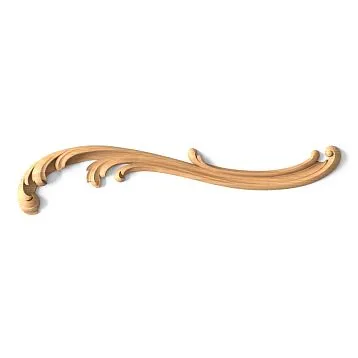
Baroque and Rococo raised the art of molding to a new level. Luxurious, dynamic, full of movement ornaments filled space, creating an impression of endless wealth and luxury. The Palace of Versailles, the Winter Palace in St. Petersburg, the palaces of the Austrian Habsburgs — all of them demonstrate the splendor of Baroque molding.
Get Consultation
Classicism and Historicism: returning to origins
In the era of Classicism, there was a return to more strict, restrained forms of antiquity. Molding became more orderly, symmetrical, but did not lose its significance in architectural decoration.
The 19th century, with its eclecticism and historicism, brought new diversity of styles. Architects and decorators freely borrowed elements from different eras, creating unique combinations. Molding remained an indispensable part of rich interiors, a symbol of the owner's status and taste.
Modern molding: traditions and innovations
In the 20th century, modernism temporarily pushed molding to the background, but by the end of the century, interest in classical decoration revived. Today, molding is experiencing a true renaissance, combining centuries-old traditions with modern materials and technologies.
Modern designers use molding not only in classical interiors, but also in the most unexpected contexts — from minimalism to loft. Innovative materials such as polyurethane and duroplastic open new opportunities for creativity and experimentation.
Types of molding and their use in interior design
The variety of molding elements allows solving various design tasks — from zoning space to creating accents and masking imperfections. Let's consider the main types of molding and their role in interior design.
Ceiling elements: cornices, rosettes, domes
Ceiling molding — a classic way to add elegance and completeness to an interior. Main elements:
Cornices (ceiling moldings) — connect walls and ceiling, creating a smooth transition. They not only decorate space, but also hide unevenness and cracks at the junction. Cornices differ by width, profile and ornament complexity — from simple smooth ones to richly decorated ones.
Rosettes — round or polygonal decorative elements placed in the center of the ceiling, usually around a chandelier. Rosettes can be simple, with minimalist geometric patterns, or luxurious, with floral motifs and complex compositions.
Domes — volumetric elements creating the effect of a vaulted ceiling. They give a room a special solemnity and grandeur, characteristic of palace interiors.
Cassons — decorative recesses in the ceiling, often decorated with geometric shapes. Coffered ceilings create a rhythmic structure and visually increase the height of the room.
Wall elements: moldings, panels, pilasters
Walls provide a wide field for decorative solutions:
Moldings — thin decorative strips used to create geometric patterns on walls. With their help, you can decorate classical pilasters, divide a wall into zones or create the effect of panels.
Panels — decorative compositions, often with narrative imagery or complex ornamentation. Panels become the central element of the interior, attracting attention and setting the tone for the entire space.
Pilasters and columns — vertical elements imitating architectural details. They visually increase the height of the room, give the interior solemnity and structure.
Consoles — decorative brackets supporting protruding elements. They combine functionality with aesthetics, adding an elegant detail to the interior.
Decorative elements: mascarons, garlands, cartouches
These small but expressive details give the interior individuality and character:
Mascarons - decorative faces or masks, often used in classical interiors. They may depict mythological characters, allegorical figures, or fantastical creatures.
Garlands and festoons - ornamental motifs in the form of floral or fruit compositions. They add lightness and elegance to the interior.
Cartouches - decorative frames, often in the form of a scroll or shield. A crest, monogram, or decorative motif may be placed inside the cartouche.
Materials for making moldings: from plaster to polyurethane
The choice of material for moldings determines not only its appearance but also its practical characteristics - weight, strength, durability, ease of installation. The modern market offers a wide range of materials, each with its own advantages and features.
Traditional plaster: the classic of molding art
Plaster - a historical material for making moldings, used since ancient times. Its main advantages:
- Ecological and natural properties
- Plasticity, allowing the creation of detailed forms
- Ability to "breathe", regulating humidity in the room
- Possibility of restoration and repair
However, plaster molding has drawbacks:
- Significant weight, requiring secure mounting
- Brittleness and susceptibility to mechanical damage
- Complex installation, often requiring professional skills
- Sensitivity to moisture
Plaster molding remains an ideal choice for restoring historical interiors and creating authentic classical spaces. However, for most modern projects, synthetic materials prove more practical.
Polyurethane: a modern solution for decorative molding
Polyurethane has become a true revolution in the world of decorative molding. This synthetic material combines aesthetic qualities with practicality:
- Lightweight, not placing a load on walls and ceilings
- High strength and resistance to mechanical damage
- Moisture resistance, allowing the use of molding in bathrooms and on facades
- Ease of installation, accessible even to non-professionals
- Accuracy in reproducing the finest details
- Durability and preservation of shape over time
If you are wondering, Where to buy polyurethane moldings When purchasing polyurethane items, consider specialized stores with a wide selection and professional consultation.
Durapolymers: strength and detail
Durapolymers - another modern material, an improved version of polyurethane. Its distinctive features:
- Exceptional strength and impact resistance
- Increased density, giving products a solid appearance
- Highest level of relief detail
- Resistance to Temperature Fluctuations
- Ability to create large seamless elements
Duroplastic is often chosen for spaces with heavy use or for creating especially refined decorative elements with intricate detailing.
Polystyrene: an affordable solution for simple forms
Polystyrene (expanded polystyrene) - the lightest and most affordable material for molding. Its advantages:
- Minimal weight
- Low cost
- Ease of processing and installation
- Good thermal insulation properties
However, polystyrene has limitations:
- Low strength and susceptibility to damage
- Limited possibilities for creating complex forms
- Need for protective coating for longevity
Polystyrene molding is suitable for simple decorative elements in rooms with low traffic or as a temporary solution.
Interior styles and plaster: ideal combinations
Molding is remarkably versatile and can seamlessly fit into various stylistic directions, from classic to modern minimalism. The key is to correctly choose the shape, scale, and quantity of decorative elements.
Classic styles: luxury and elegance
In classic interiors, molding plays a key role, creating an atmosphere of aristocracy and refinement:
Baroque and Rococo require abundant, lavish decoration. Here, complex cornices with multi-tiered profiles, large rosettes with floral ornamentation, molded panels, and cartouches are appropriate. Asymmetrical, dynamic forms, abundance of scrolls and floral motifs are characteristic.
Neoclassicism prefers a more restrained, orderly decoration. Symmetry, clear geometric forms, classical motifs - these are the foundations of neoclassical molding. Cornices with meanders or egg-and-dart motifs, rosettes with minimalist ornamentation, pilasters with Corinthian or Ionic capitals create a noble, harmonious interior.
Empire - imperial style, requiring monumentality and grandeur. Molding in the Empire style often includes military symbols, laurel wreaths, eagles, sphinxes. Characteristic are massive cornices, large rosettes, expressive consoles.
Modern interpretations: molding in contemporary interiors
Modern designers find new, unexpected ways to use molding:
Neoclassicism adapts classical motifs to modern requirements. Molding becomes more minimalist, restrained, but retains elegance and refinement. Simple cornices with clear profiles, geometric moldings on walls, understated rosettes are popular.
Modern classicism further distances itself from historical samples, retaining only hints of classical forms. Here, molding often becomes graphic, minimalist, playing the role of a subtle accent rather than a dominant element.
Eclecticism allows boldly combining molding elements from different styles and eras. It is important to find a unifying principle - color, scale, rhythm - to avoid the interior appearing chaotic.
Unexpected solutions: molding in minimalism and loft
Contrary to common belief, molding can organically fit even the most modern, minimalist interiors:
Minimalism can use molding as a sculptural element, creating play of light and shadow. Here, simple, geometric forms, monochromatic color solutions, and contrasting combinations are appropriate.
Loft often preserves historical molding as an element of authenticity, contrasting with industrial aesthetics. Wear and traces of time on old molding become part of the artistic image.
Scandinavian style may include simple cornices and moldings painted white, creating a sense of purity and freshness.
Where to buy molding: market overview and selection criteria
The modern market offers a vast variety of molding decor - from budget solutions to exclusive artist-made pieces. How to avoid getting lost in this diversity and make the right choice?
Specialized stores and showrooms
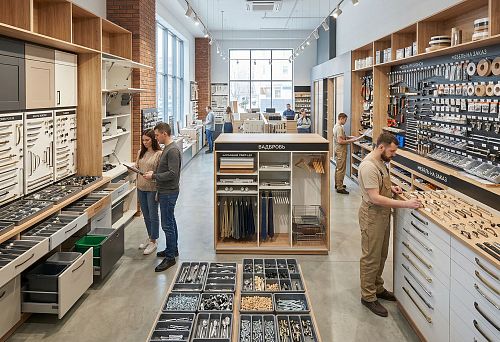
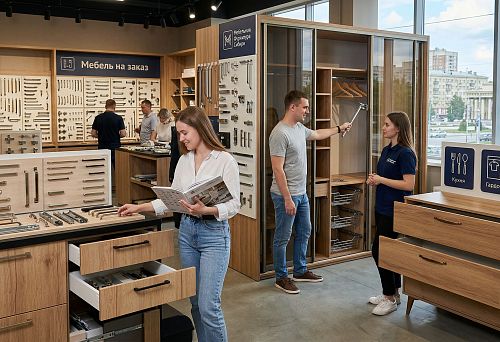
The traditional way to acquire molding is to visit specialized stores and boutiques. Their advantages:
- Ability to see samples in person, assess quality and texture
- Professional consultation from specialists
- Additional services are often offered: measurements, delivery, installation
- Warranty on products and the possibility of resolving disputes
When choosing a store, pay attention to reputation, assortment, and presence of quality certificates for products.
Online stores and marketplaces
In the era of digital technology, more and more customers turn to online shopping. Where to buy polyurethane moldings Through the internet? This method has its advantages:
- Wide assortment, not limited by the physical space of the store
- Ability to compare prices and features of different manufacturers
- Convenience of ordering from anywhere in the world
- Often lower prices due to the absence of costs for maintaining retail spaces
- Delivery to your door
When choosing an online store, pay attention to the detail of descriptions, presence of quality photos, customer reviews, delivery and return conditions.
Stucco manufacturers: direct contact
Purchasing stucco directly from the manufacturer may be the optimal solution, especially for large projects:
- Absence of middleman markup
- Ability to order non-standard sizes and shapes
- Professional consultation from product creators
- Additional services are often offered: from design to installation
Many stucco manufacturers have their own exhibition halls or showrooms, where you can view the assortment and receive consultation.
Criteria for choosing quality stucco
Regardless of where you purchase, it is important to evaluate stucco quality based on several parameters:
Geometric accuracy - elements must have clear, straight edges and angles, without warping or deformation.
Surface quality - absence of bubbles, cracks, unevenness, or mold marks.
Relief clarity - all ornament details must be sharp, with well-defined fine elements.
Material uniformity - absence of foreign inclusions, even density.
Coating quality (if applicable) - uniform color, absence of drips or uncoated areas.
Conformance to stated dimensions - especially important for elements that must fit together.
Stucco installation: from preparation to finishing
Correct stucco installation is the key to its longevity and aesthetic appearance. Although modern materials have significantly simplified this process, it still requires attention to detail and adherence to technology.
Preparation Work
To conduct precise measurements of the installation site
- Prepare the surface - walls and ceilings must be flat, clean, dry, free of dust and grease stains. If necessary, perform leveling and priming.
- Acclimate the material - stucco should be placed in the room where it will be installed for at least 24 hours to adapt to temperature and humidity.
- Make markings - carefully measure and mark the installation locations of all elements. Use a level, plumb bob, or laser level to ensure perfect geometry.
- Prepare tools - you will need: a miter saw and fine-toothed hacksaw for cutting, sandpaper, putty knife, adhesive, acrylic sealant, painter's tape.
Technology for installing various elements
Installing cornices and moldings:
- Cut elements to the required length, using a miter saw for precise angled cuts (typically 45° for external and internal corners).
- Apply adhesive to the back of the element in a zigzag pattern.
- Attach the element to the marked location, gently press and move it for better adhesive distribution.
- Secure with painter's tape until the adhesive dries (usually 2-4 hours).
- After the adhesive dries, remove the tape and fill joints and seams with acrylic sealant.
Installing Rosettes and Medallions:
- Mark the center of installation (usually under a chandelier).
- Apply adhesive to the back of the rosette.
- Attach the rosette to the ceiling and align it with the marking.
- Secure with temporary supports or painter's tape until the adhesive dries.
Installing Columns and Pilasters:
- Assemble the element if it consists of multiple parts using adhesive for joining.
- Apply adhesive to the mounting surface.
- Install the element and align it vertically using a level.
- Secure until the adhesive dries.
- Fill joints and seams with acrylic sealant.
Final finishing and painting
After installing the molding, you must:
- Fill joints and seams with appropriate acrylic spackle for the material. After drying, sand gently.
- Prime the surface — this ensures better paint adhesion and uniform color.
- Paint the molding — for polyurethane and polystyrene molding, use acrylic or latex paints.石膏 molding can be painted with any interior paint.
To achieve a classic look, molding is typically painted white or cream. For a more dramatic effect, use contrasting colors or techniques such as artificial aging, patina, or gilding.
Molding Care and Restoration
Proper care of molding extends its lifespan and preserves its attractive appearance for many years.
Regular care for different types of molding
Polyurethane and duroplastic molding requires minimal care:
- Regularly remove dust with a soft brush or vacuum cleaner with a soft attachment.
- Wipe with a damp, soft cloth and neutral cleaning agent if necessary.
- Avoid abrasive cleaners that may damage the surface.
- Periodically inspect joints and seams, and renew sealant as needed.
Gypsum molding requires more care:
- Remove dust only with dry methods — soft brush or vacuum cleaner.
- Avoid wet cleaning, which may damage the material
- For dirt, use special dry cleaning agents for plaster
- Periodically check for cracks and damage
Restoration of damaged moldings
Even the highest quality molding may require restoration over time. Restoration methods depend on the material and nature of the damage:
Small cracks and chips on polyurethane molding can be repaired using acrylic sealant or putty. After drying, sand the surface and repaint.
Severe damage may require replacing the fragment. Modern materials allow cutting out the damaged section and inserting a new element so that the joint will be virtually invisible.
Plaster molding is often restored using plaster solution applied to damaged areas. To recreate lost fragments, molds may need to be made and new elements cast.
Restoration of historical molding is a complex process requiring specialized skills and knowledge. In this case, it is better to consult professional restorers specializing in historical interiors.
Molding in modern design: trends and innovations
Molding, having passed through centuries, continues to evolve, adapting to modern aesthetic demands and technological possibilities.
Current trends in molding usage
Minimalism and geometry - modern designers often use molding as a graphic element, creating clear lines and shapes. Simple moldings, forming geometric patterns on walls and ceilings, are popular.
Monochromatic - unlike traditional white, molding today is often painted in wall tones or, conversely, in contrasting colors, becoming a striking interior accent.
Fragmentation - instead of fully decorating a space with molding, designers use individual elements as accents, creating focal points in the interior.
Style mixing - classical molding unexpectedly combines with modern furniture, industrial elements, and ethnic motifs, creating unique, personalized spaces.
Innovative materials and technologies
The development of technology opens new possibilities for molding decoration:
3D printing allows creating unique, complex shapes not achievable through traditional manufacturing methods. This opens up opportunities for experimenting with form and design.
Molding with integrated LED lighting creates dramatic lighting effects and adds functionality to decorative elements.
Flexible materials allow installing molding on curved surfaces, creating smooth, organic forms.
Ecological composites combine naturalness with technology, responding to the growing demand for sustainable development and environmental responsibility.
Conclusion: molding as an investment in beauty and comfort
Molding is not just a decorative element. It is an investment in the aesthetics and atmosphere of your home, a way to express individuality and create a space that will delight you every day.
Modern materials and technologies have made molding accessible, practical, and versatile. It integrates seamlessly into any interior style—from classic to avant-garde, solves practical zoning and masking issues, and creates a unique atmosphere and character for the space.
When choosing, Where to buy polyurethane moldings Quality products—pay attention to the manufacturer’s reputation, material and craftsmanship quality, and compatibility with your style and needs. Remember, properly selected and installed molding will delight you for many years, becoming not just a decorative element, but part of your home’s history.
Molding is a bridge between the past and the future, tradition and innovation. It reminds us of great architectural traditions of the past while remaining open to new interpretations and applications. In the hands of a skilled designer, molding becomes not a museum exhibit, but a living, evolving element of modern interior design.
Allow yourself the luxury of beauty and harmony. Let molding transform your home, infuse it with character and individuality. And every day, returning home, you will rediscover the beauty of details, the play of light and shadow, the harmony of proportions—all that makes a home not just a place to live, but a space for life, creativity, and inspiration.