Article Contents:
- The essence of stucco as an artistic phenomenon
- Material revolution in stucco art
- Stylistic directions of modern stucco
- Technological processes of creating perfection
- Functional capabilities of stucco decoration
- Color solutions and decorative effects
- Integration of lighting into stucco compositions
- Installation Technologies and Mounting Systems
- Economic efficiency of stucco decoration
- Maintenance and preservation of aesthetic qualities
- Russian traditions of wooden architecture
- Innovative Development Directions
- Psychology of perception of three-dimensional decoration
- Conclusion
When it comes to creating a truly exquisite and unique interior, many designers and property owners ask a fundamental question: stucco in interior design is luxury or necessity? The answer lies in a deep understanding of the fact that three-dimensional decorative elements represent much more than mere wall adornment. It is a philosophy of spatial thinking, a means of expressing individuality through architectural forms, a tool for creating a unique atmosphere that remains in memory for decades.
In the era of digital technologies and minimalist trends, stucco decoration is experiencing a true renaissance, acquiring new forms and meanings. Modern materials and innovative production methods allow for the realization of the most daring design concepts, creating works that harmoniously combine classical beauty with contemporary functionality.


The essence of stucco as an artistic phenomenon
We will attempt to understand the multifaceted nature of stucco art, which has remained one of the most expressive methods of architectural decoration for millennia. At its core, stucco represents three-dimensional decorative elements created by molding or hand sculpting from plastic materials.
The philosophical aspects of stucco decoration trace their roots to ancient concepts of harmony and beauty. Ancient masters understood that a flat wall surface is merely a canvas on which to create a three-dimensional symphony of forms, light, and shadow. Each element carries symbolic meaning: rosettes symbolize the sun and life energy, acanthus leaves represent the victory of spirit over matter, spiral ornaments signify eternal movement and development.
The psychological impact of three-dimensional forms on human perception has been scientifically proven by modern research. Relief surfaces activate brain regions responsible for tactile sensations, creating a deeper emotional engagement with the space. This is why high-quality stucco evokes an irresistible desire to touch, explore its texture, and feel the interplay of light and shadow.
The architectural function of stucco elements extends far beyond simple decoration. They can radically alter the perception of a room’s proportions, create an illusion of greater space, highlight architectural merits, or conceal flaws. Vertically oriented elements visually increase ceiling height, while horizontal elements expand narrow spaces.




Material revolution in stucco art
The decorative stucco industry is undergoing a true revolution thanks to the emergence of innovative materials that surpass traditional plaster in all key parameters.
New-generation polyurethane compositions are high-tech materials with unique properties. Density ranging from 150 to 450 kg/m³ ensures perfect reproduction of the finest details while keeping the finished product lightweight. The material withstands temperature fluctuations from -50°C to +90°C without deformation, cracking, or color change.
Nanotechnology additives grant modern stucco truly fantastic properties. Titanium dioxide enables photocatalytic decomposition of organic pollutants under light exposure, silver nanoparticles provide antibacterial protection, and fullerenes increase mechanical strength several times over.
The ecological safety of modern materials is confirmed by international quality certifications. Absence of formaldehyde, heavy metals, and volatile organic compounds makes polyurethane stucco safe for use in children’s facilities, hospitals, and residential spaces for people with heightened sensitivity.
The durability and stability of modern materials exceed 35 years of active use without loss of original characteristics. This makes investing in quality stucco economically justified in the long term, especially when compared to other types of decorative finishes.
Our factory also produces:


Stylistic directions of modern stucco
The richness of artistic traditions of world art is reflected in modern stucco compositions, each carrying a specific aesthetic philosophy and cultural code.
Neoclassicism remains the standard of aristocratic taste and intellectual refinement. Strict proportions based on the golden ratio, symmetrical compositions, traditional classical motifs create an atmosphere of eternal beauty. Corinthian capitals with meticulously crafted acanthus leaves, Ionic volutes, Doric fluting transform ordinary walls into architectural masterpieces.
Baroque expression is embodied in dynamic, emotionally rich compositions. Winding cartouche lines, complex ornament interweavings, theatrical mascarons create an atmosphere of solemn grandeur. Baroque compositions with multi-level gilding are especially effective, where each element plays its own light.
Rococo refinement brings playfulness and refined elegance into interiors. Asymmetrical compositions, marine motifs — shells, pearls, coral, pastoral scenes with amours create an atmosphere of the Age of Gallantry. Careful detailing and use of mother-of-pearl effects make rococo stucco especially attractive.
Empire grandeur demonstrates imperial majesty through military symbolism and triumphal motifs. Eagles with proudly spread wings, laurel wreaths of glory, Roman fasces, military trophies create an atmosphere of victory and national pride. Monumental forms and strict geometric compositions emphasize the solemnity of the style.
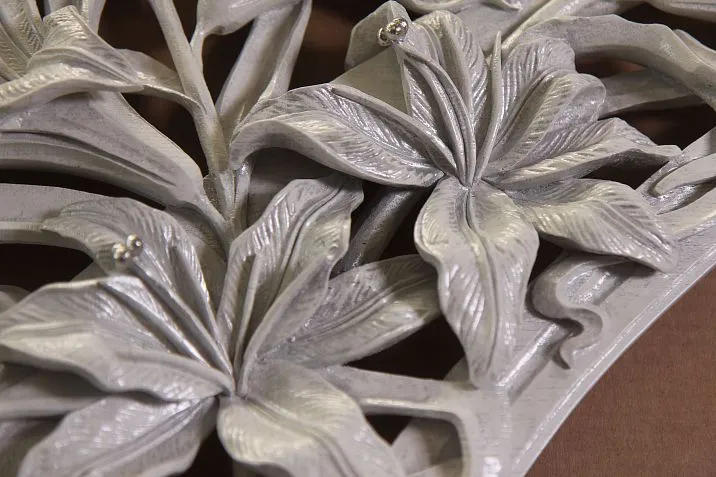
Modern interpretations of natural forms open new horizons for artistic expression. Stylized images of plants — irises, lilies, poppies, abstract organic compositions create a poetic atmosphere of unity with nature. Smooth, streamlined forms contrast with the geometricity of architectural space.
Understanding that stucco in interior design is the variety of stylistic solutions allows selecting the optimal variant for any design project.
Get Consultation
Technological Processes of Creating Perfection
Modern production of molded elements represents a synthesis of traditional craftsmanship and high-tech processes. Each stage requires special knowledge, skills, and equipment.
Conceptual design begins with a deep analysis of the architectural space, its functional purpose, and stylistic requirements. Designers create detailed drawings specifying dimensions, proportions, and mutual positioning of elements. Computer 3D modeling allows visualizing the result even before production begins.
Creating the master model — the most responsible stage, requiring the highest artistic skill. The sculptor works with professional clay, crafting a perfectly detailed form accurate to fractions of a millimeter. The quality of the master model determines the perfection of all subsequent copies.
Manufacturing production molds is performed using high-quality silicone, ensuring reproduction accuracy down to 0.05 mm. Multi-component silicone systems allow creating molds for items of any complexity, including elements with recesses and complex geometry.
Casting processes occur under controlled conditions at a strictly defined temperature and humidity. Vacuum casting eliminates the formation of pores and voids, ensuring perfect material density throughout the entire volume of the item. Robotized dosing systems guarantee precise adherence to the recipe.
Final finishing includes sanding, polishing, and application of protective and decorative coatings. Each stage is performed by skilled masters using specialized tools, ensuring museum-quality finished items.
Functional capabilities of molded decoration
Modern molding performs numerous functions far beyond simple interior decoration. Properly designed and installed elements become active participants in architectural composition.
Spatial zoning is achieved using vertical molded elements — columns, pilasters, arched openings. They create visual boundaries between functional zones while preserving the sense of spatial unity. This technique is especially effective in large open floor plans.
Correction of architectural proportions — a key function of decorative elements. Vertically oriented compositions visually increase ceiling height, creating a sense of grandeur. Horizontal friezes and moldings expand narrow spaces, making them more comfortable.
Masking architectural shortcomings allows transforming architectural problems into artistic virtues. Poorly placed beams are masked with decorative coffers, protruding utilities are concealed behind elegant panels, level differences are accentuated with multi-tiered cornices.
Acoustic optimization of rooms is achieved through the relief surfaces of molded elements. Complex geometry contributes to proper sound wave dispersion, improving acoustic characteristics of the space. This is especially important for music salons, home theaters, and concert halls.
Climate control of modern molding systems includes humidity regulation and air exchange functions. Special pores in the material create a "breathing" effect, helping maintain an optimal microclimate in the room.
Color solutions and decorative effects
Final finishing of molded elements opens up limitless possibilities for creating unique artistic effects. Modern coloring technologies allow mimicking any materials and creating fantastic coatings.
Classic white finish emphasizes the purity of forms and perfection of proportions. White color is universal, creating a sense of freshness and aristocratic elegance. Various shades of white — from warm "ivory" to cool "arctic white" — allow precisely tuning the color temperature of the interior.
Patination creates an effect of noble aging, imparting historical depth to molding. The multi-layer patination technique includes up to 12 different compositions, simulating natural material aging over centuries. Greenish patina of bronze, brownish — of copper, grayish — of lead — create various emotional effects.
Metallic surface treatments use innovative ion-spraying technologies to create coatings of real noble metals. Gold, silver, and platinum plating create luxurious effects unattainable by other methods. Different metal purities provide a wide range of shades.
Polychrome painting transforms molded elements into works of painting. Artistic painting can be decorative, emphasizing the ornamental character of the composition, or illusionistic, creating an effect of three-dimensional sculpture made of colored marble.
Special effects include fluorescent coatings, thermochromic compositions that change color with temperature, pearlescent coatings with iridescent sheen. These innovative solutions allow creating interactive interiors that respond to human presence.
Integration of lighting into relief compositions
Proper lighting can transform molded decoration into a living work of art. Modern lighting technologies open new possibilities for creating dramatic effects and highlighting the artistic merits of three-dimensional compositions.
Directional accent lighting creates clear, expressive shadows that highlight every detail of the relief. Optimal lighting angles of 25–50 degrees ensure maximum form readability. Using LED technologies with adjustable color temperature allows creating various emotional scenarios.
Contour lighting transforms molded elements into self-illuminating objects. Hidden LED strips installed along the perimeter or in recesses of the relief create an effect of internal illumination. This technique is especially effective for highlighting architectural elements — cornices, arches, niches.
Dynamic lighting with programmable controllers allows creating light shows. Smooth transitions in intensity, color gamut changes, and synchronization with music transform static molded elements into interactive artworks.
Projection technologies open possibilities for creating multimedia installations. Special projectors overlay additional images onto relief surfaces, creating volumetric light pictures of incredible beauty.
Modern understanding of what stucco in interior design is includes lighting solutions as an inseparable part of the composition.
Mounting technologies and mounting systems
Professional installation of stucco elements requires deep knowledge of construction technologies and use of specialized equipment. The quality of installation directly affects the durability and aesthetic qualities of decorative compositions.
Preparatory works include detailed inspection of the base using modern instruments — thermal imagers, ground-penetrating radar, ultrasonic thickness gauges. This allows identifying hidden defects, determining load-bearing capacity of structures, and detecting utilities.
Marking operations are performed using laser levels and tacheometers, ensuring positioning accuracy of up to 1 mm per 10 meters. For complex compositions, a detailed installation plan at actual scale is created, indicating all dimensions and references.
Modern adhesive systems provide joint strength up to 5 MPa while maintaining joint elasticity. Two-component polyurethane adhesives compensate for thermal deformations, prevent crack formation, and guarantee a 30-40 year durability of the bond.
Mechanical fasteners are used for particularly heavy elements or under increased loads. Stainless steel anchor systems ensure maximum reliability. Fastening elements are fully concealed within the stucco decoration.
Sealing and waterproofing of joints prevent moisture penetration and ensure an ideal appearance of the composition. Modern sealants retain elasticity in the temperature range from -60°C to +120°C and do not change color under UV exposure.
Economic efficiency of stucco decoration
Investments in quality stucco should be considered from a long-term economic perspective, taking into account all direct and indirect effects of implementing decorative elements.
Increase in property market value — the most obvious economic effect. Unique artistic solutions increase the attractiveness of the property by 25-45%, which is especially important in the luxury real estate segment. Return on investment in stucco decoration is typically 3-5 years.
Reduction in operating costs is achieved due to the longevity of modern materials. Unlike traditional finishes requiring renewal every 7-10 years, quality stucco retains its original appearance for 35-40 years with minimal maintenance.
Energy efficiency of stucco elements is manifested in their thermal insulation properties. An additional layer of polyurethane reduces heat loss through walls by 15-25%, which is especially relevant for energy-efficient construction.
Psychological effects of being in a beautiful space positively influence productivity, health, and overall quality of life. These indirect effects are difficult to quantify in monetary terms, but their impact on the success and well-being of the owner is undeniable.
Tax advantages in certain jurisdictions allow considering investments in artworks as deductible expenses or assets, further enhancing the economic attractiveness of stucco decoration.
Care and maintenance of aesthetic qualities
Modern stucco elements are designed for minimal maintenance, but proper care extends service life and preserves the original beauty of decorative compositions.
Regular preventive maintenance involves gentle dust removal using specialized anti-static brushes or vacuum cleaners with adjustable power. Complex relief requires special attention to recesses and hard-to-reach areas where dirt may accumulate.
Wet cleaning is permitted using pH-neutral cleaning agents and soft materials. Modern polyurethane surfaces are resistant to most household contaminants, but aggressive chemicals should be avoided.
Climate control of the room contributes to maximum longevity of decorative elements. Optimal parameters: temperature 18-25°C, relative humidity 40-65%, absence of sharp fluctuations, quality ventilation.
Professional maintenance is recommended every 3-5 years depending on operating conditions. Specialists assess the condition of fasteners and coatings, and perform localized restoration if necessary.
Monitoring the condition allows identifying problems at an early stage. Regular inspections help prevent serious damage and preserve the original beauty of stucco compositions.
Regional characteristics and cultural traditions
Different cultural regions have developed their own traditions of using stucco decoration, which are reflected in modern interior solutions. Understanding these features helps create authentic projects.
European traditions are based on centuries of experience using stucco in palace and church architecture. French classicism, Italian baroque, English neo-Gothic style — each direction has characteristic motifs and execution techniques.
Eastern influences introduce into stucco art the philosophy of harmony and meditation. Chinese dragons, Japanese floral motifs, Indian lotuses create an atmosphere of spirituality and inner peace.
American pragmatism is reflected in a functional approach to decorative elements. Stucco is used not only for aesthetics but also to solve practical tasks — improving acoustics, concealing utilities, zoning space.
Russian traditions were formed under the influence of Byzantine heritage, European styles, and unique cultural features. Russian stucco is characterized by special warmth, use of natural motifs, and Orthodox symbolism.
Innovative Development Directions
Modern stucco art actively adopts new technologies and materials, opening fantastic possibilities for creativity and functionality.
Interactive elements with built-in sensors respond to human presence, creating dynamic lighting and sound effects. Such systems become part of the "smart home" concept, adapting to the needs of inhabitants.
Biomimetic solutions replicate natural structures and processes. Self-cleaning surfaces, materials with changing properties, elements with natural ventilation open new horizons of functionality.
Ecological innovations include use of biodegradable materials, closed-loop technologies, renewable energy sources. Sustainable development has become a priority in modern stucco element production.
Personalization of production reaches unprecedented levels thanks to digital technologies. Each customer can receive absolutely unique elements, created specifically for their project and reflecting personal preferences.
Understanding modern trends helps realize that stucco in interior design is it is not just decoration, but a high-tech system for creating unique spaces.
Psychology of Perceiving Three-Dimensional Decoration
Scientific research confirms the powerful impact of sculptural elements on a person's psycho-emotional state. Three-dimensional forms activate various brain regions, creating a comprehensive sensory experience.
Neurophysiology of beauty perception is linked to the release of endorphins when contemplating harmonious forms. Sculptural elements executed according to the golden ratio evoke a subconscious sense of satisfaction and emotional uplift.
Therapeutic effects of three-dimensional decoration are used in medical and rehabilitation centers. Certain motifs and color solutions contribute to stress reduction, improved mood, and accelerated recovery processes.
Social aspects are manifested in that quality stucco highlights the owner's status, cultural level, and aesthetic preferences. This creates certain social advantages in business and personal relationships.
The educational function of decorative elements lies in continuous aesthetic education. Daily contemplation of artworks cultivates artistic taste, enhances cultural level, and develops creative abilities.
Conclusion
A deep understanding of that stucco in interior design is a multidimensional phenomenon uniting art, technology, psychology, and philosophy of space, opens boundless opportunities for creating unique interiors. In today's world, where individuality becomes the highest value, sculptural decoration provides tools for expressing personality through architectural forms.
The technological revolution of the last decade has made high art accessible to a broad circle of people without diminishing its artistic value. Modern materials and production methods allow creating works that surpass classical examples in durability, functionality, and diversity of artistic solutions.
Investing in quality stucco is investing in the future. Properly selected and professionally installed elements serve for decades, constantly delighting owners and impressing guests. They create an irreplaceable atmosphere that remains in memory for life, forming an emotional connection with the space, transforming the home into a source of inspiration and inner harmony.
The future of sculptural art is linked to further development of technologies, emergence of new materials, integration with smart home systems. But what remains unchanged is the main thing — the human desire for beauty, the wish to surround oneself with the beautiful, to create a space worthy of high spiritual aspirations.
Modern stucco is a bridge between great cultural heritage of the past and innovative possibilities of the future. Each element carries the imprint of thousands of years of human creativity and opens new horizons for self-expression through architectural forms.
Choosing sculptural decoration for your interior, you choose not just decoration, but a philosophy of life based on striving for perfection, understanding beauty, respect for traditions, and openness to innovations. This is the choice of people who understand the true value of beauty and are ready to invest in creating a dream space.
STAVROS, recognized as a leader in creating exclusive sculptural compositions, brings to life the boldest design concepts while remaining faithful to the traditions of high craftsmanship. Years of experience, use of advanced technologies, and individual approach to each project ensure results that surpass even the most daring client expectations.
The team of highly qualified artists, designers, and technologists at STAVROS creates works that become true masterpieces of decorative art, combining beauty, functionality, and durability. From the first consultation to the ceremonial completion of the project, every stage is accompanied by maximum professionalism and flawless execution quality, worthy of true works of art.