Article Contents:
- Evolution of ceiling decoration: from classic to modern
- Ceiling moldings: architectural elegance
- Decorative rosettes: central accent of ceiling composition
- Polyurethane moldings: versatility of decorative solutions
- Aesthetic possibilities of modern decoration
- Stylistic directions in ceiling decoration
- Classicism and neoclassicism
- Baroque and Rococo
- Modern and Art Deco
- Classic White
- Lighting as an element of ceiling composition
- Acoustic Properties of Molded Decoration
- Ecological Aspects and Safety
- Economic feasibility
- Regional application specifics
- Trends in development and future of ceiling decoration
Architectural expressiveness of ceiling structures has always defined the style of interior and its overall perception. Modern Ceiling molding represents a symphony of elegance and functionality, capable of radically transforming any space. This decorative element, inherited from ancient times, is currently experiencing a true renaissance thanks to innovative materials and production technologies.
The art of ceiling decoration requires not only aesthetic sense but also deep understanding of architectural principles. Each element must harmoniously fit into the overall interior concept, creating a unified artistic space where beauty and practicality exist in perfect balance.


Evolution of ceiling decoration: from classic to modern
The history of ceiling moldings spans millennia. Ancient masters created complex compositions from plaster, adorning palaces and temples. Today Ceiling molding has acquired a new sound thanks to polyurethane — a material that revolutionized the industry of decorative elements.
Polyurethane products are distinguished by incredible detail and clarity of relief. Modern molding technologies allow reproducing the finest nuances of ornamentation, previously created exclusively by experienced plasterers. At the same time, surface quality and geometric form stability surpass traditional materials.
The versatility of polyurethane opens boundless opportunities for design creativity. The material easily accepts painting, allowing to create both classic white compositions and vibrant color accents. Techniques of artificial aging and imitation of noble metals are especially popular.




Ceiling moldings: architectural elegance
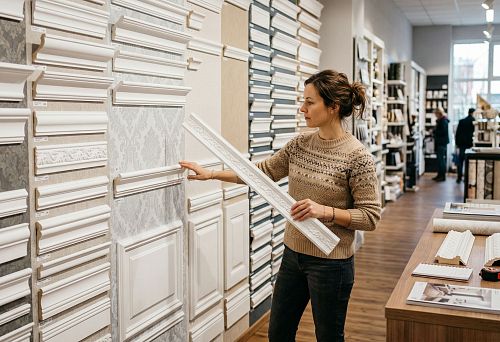
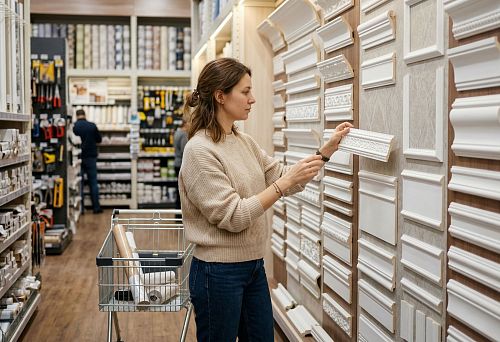
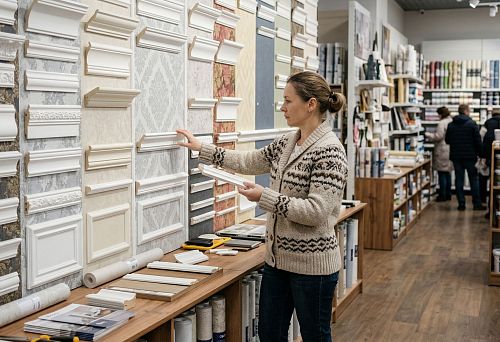
Ceiling moldings are horizontal decorative elements that create a smooth transition between wall and ceiling. These architectural details serve a dual function: they conceal technical seams and give the room a finished, majestic appearance.
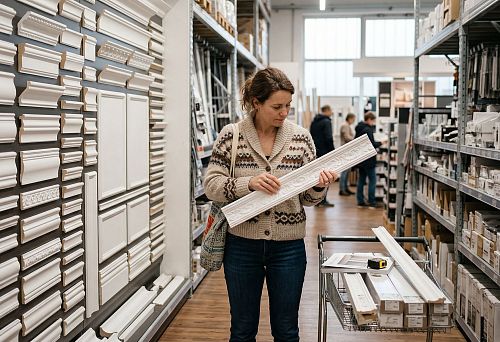
The variety of molding profiles is breathtaking. From minimalist geometric forms to complex ornamental compositions — everyone can find a solution ideally suited to the interior style. Classical moldings with floral motifs create an atmosphere of palace luxury, while strict geometric profiles emphasize modernity and minimalism in design.
Installation of polyurethane ceiling moldings is simple and reliable. A special adhesive composition ensures strong bonding with any surfaces, and the low weight of elements eliminates the risk of peeling or deformation over time. Corner connecting elements allow creating perfectly flat joints without visible seams.
Our factory also produces:


Decorative rosettes: central accent of ceiling composition
Decorative rosettes are true gems of ceiling decoration. These round or oval elements are traditionally placed in the center of the ceiling, framing a chandelier or another central light fixture. Their artistic value lies in their ability to create a visual focus and establish the rhythm of the entire composition.
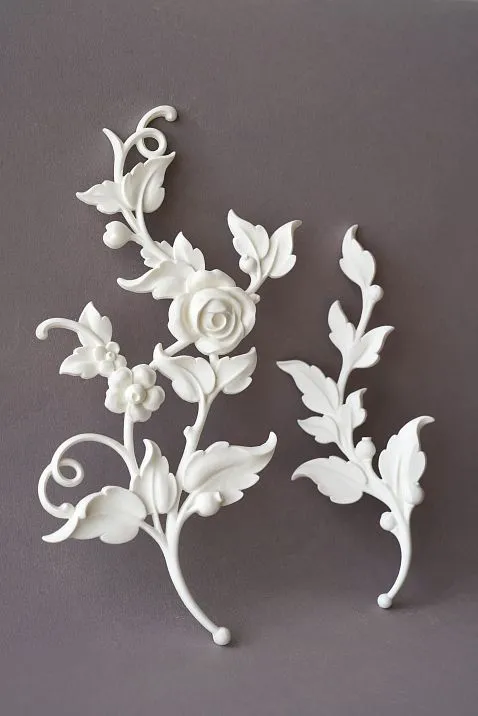
Modern polyurethane rosettes impress with a rich variety of ornamental solutions. Classic variants reproduce traditional motifs — roses, laurel wreaths, acanthus leaves. More modern models offer geometric patterns, abstract compositions, and stylized plant elements.
The size range of rosettes covers all possible applications. Miniature models with a diameter of 20-30 centimeters are ideal for small rooms, creating an elegant accent without overwhelming the space. Large rosettes with a diameter up to 120 centimeters can become a dominant feature in spacious living rooms and halls.
Get Consultation
Polyurethane moldings: versatility of decorative solutions
Polyurethane moldings are linear decorative elements of various cross-sections, which can be used independently or in combination with other decorative elements. Their versatility lies in the ability to create complex architectural compositions by combining different profiles.
Moldings allow visually correcting the proportions of a room. Horizontal elements visually expand the space, while vertical ones increase ceiling height. Proper use of moldings can radically change the perception of even small rooms.
Corner and connecting elements deserve special attention, as they allow creating complex geometric compositions. Modern molding systems include all necessary components to realize any design ideas without the need for complex trimming and fitting of elements on-site.
Technological advantages of polyurethane
Polyurethane as a material for production molded decoration on the ceiling possesses unique operational characteristics. Its density is only 0.5-0.7 g/cm³, which is several times less than the density of plaster. At the same time, compressive strength reaches 25-30 MPa, ensuring durability and resistance to mechanical impacts.
The temperature stability of polyurethane allows decorative elements to be used in a wide range of climatic conditions. The material withstands temperatures from -40°C to +80°C without changes in geometric dimensions or loss of strength. This is especially important for regions with a sharply continental climate.
The moisture resistance of polyurethane opens up possibilities for using molded decoration in rooms with high humidity. Bathrooms, kitchens, saunas — everywhere polyurethane molding retains its aesthetic and functional properties without additional protective treatment.
Stylistic Directions in Ceiling Decoration
Classicism and neoclassicism
Classic style requires adherence to strict proportions and canonical ornamental motifs. Ceiling molding In a classical execution, it is characterized by restraint and elegance. Main motifs — meanders, palmettes, rosettes with vegetal elements.
Neoclassical interiors allow for greater freedom in interpreting classical forms. Modern designers adapt traditional elements to contemporary realities, simplifying ornamentation and enlarging details for better perception in modern interiors.
Baroque and Rococo
The opulence of baroque decoration requires the use of complex multi-level compositions. Large rosettes with abundant decorative details, massive cornices with rich ornamentation, intricate ceiling panels — all of this creates an atmosphere of palace luxury.
Rococo is characterized by a lighter and more playful decorative character. Asymmetric compositions, vegetal motifs with depictions of flowers and leaves, gilding and pastel tones create a unique atmosphere of French elegance.
Modern and Art Deco
The modern style brought natural motifs, stylized vegetal ornaments, and flowing lines into decorative art. Ceiling molding in the modern style is characterized by organic forms and harmonious integration with architectural elements.
Art Deco, on the contrary, leans toward geometric forms and strict symmetry. Radial compositions, zigzag ornaments, stepped forms — characteristic features of this direction in ceiling decoration.
Color Solutions and Final Finish
Traditionally Ceiling molding is painted white, which emphasizes the purity of lines and creates a sense of lightness. However, modern design trends open up wide possibilities for color experimentation.
Contrasting solutions, when molding is painted in a color different from the main ceiling tone, create expressive accents and highlight architectural details. Dark elements on a light background or, conversely, light molding on a colored ceiling look especially effective.
Decorative finishing techniques allow imitation of various materials. Patination creates an effect of noble antiquity, gilding adds a luxurious sheen, and silvering adds modern elegance. The technique of brushing is especially popular, as it emphasizes the material's texture.
Lighting as an element of ceiling composition
Proper lighting can transform ceiling molding into a true work of art. Directed light highlights the relief of elements, creating a play of light and shadow that gives the decoration volume and expressiveness.
Hidden backlighting placed behind cornices creates an effect of a floating ceiling and softly illuminates walls. LED technologies allow creating various color scenarios, transforming static decoration into a dynamic interior element.
Central lighting combined with decorative rosettes creates a festive atmosphere. Multi-level lighting schemes allow adapting lighting to various functional tasks — from bright working lighting to intimate evening backlighting.
The relief surface of ceiling moldings positively affects the acoustic properties of a room. The complex geometry of decorative elements helps scatter sound waves, reduces reverberation, and improves speech intelligibility.
Polyurethane molding possesses certain acoustic properties that can influence the sound environment of a room. The textured surface of elements helps disperse sound waves, which may improve room acoustics and reduce reverberation levels.
In rooms with high ceilings, molded decoration helps create a more cozy acoustic environment, preventing echo and unpleasant sound phenomena. This is especially important in large living rooms, halls, and other spacious rooms.
Combining elements of different sizes and configurations allows creating an optimal acoustic environment for a specific room. Large smooth surfaces reflect sound, while small-relief elements absorb and disperse it.
Ecological aspects and safety
Modern polyurethane molding is produced from eco-friendly materials that do not emit harmful substances and pose no health risk to humans. The material is certified for use in residential spaces and meets all sanitary-hygienic requirements.
The absence of formaldehyde, phenol, and other toxic compounds in polyurethane makes it safe for use in children's rooms and bedrooms. The material does not support combustion and does not emit toxic gases when heated.
The long service life of polyurethane molding contributes to reducing waste and lowering environmental impact. Elements can be reused after dismantling, which is important from the standpoint of sustainable development and rational resource use.
Economic feasibility
The price-to-quality ratio of polyurethane molding makes it accessible to a wide range of consumers. At a cost comparable to high-quality analogs made from other materials, polyurethane products significantly outperform them in durability and performance characteristics.
Ease of installation allows significant savings on installation work. Many elements can be installed independently, further reducing the overall cost of decoration. At the same time, the quality of the result does not fall short of professional installation when proper technology is followed.
Long-term savings are achieved through minimal maintenance costs and the possibility of multiple repainting without loss of surface quality. This allows updating the interior without replacing decorative elements.
Regional application specifics
Climate conditions in various regions dictate specific requirements for finishing materials. Polyurethane Ceiling molding is successfully used both in northern regions with harsh winters and in southern regions with hot climates.
In high-humidity coastal areas, polyurethane elements demonstrate excellent resistance to corrosion and biological effects. The material is unaffected by salt and sea air, making it ideal for coastal regions.
Seismic activity in some regions requires special attention to the mounting of decorative elements. The elasticity of polyurethane and the reliability of adhesive joints ensure the stability of decoration even during minor building structure movements.
Trends in development and the future of ceiling decoration
Modern technologies open new horizons for the development of decorative arts. 3D printing allows creating unique elements based on individual projects, while computer modeling accurately calculates all parameters of future compositions.
Integrating "smart" technologies into decorative elements opens new possibilities. Built-in light and motion sensors, hidden speakers for audio systems, wireless charging elements — all of this can be organically integrated into molded decoration.
The ecological orientation of modern design stimulates the development of new, even more eco-friendly materials and manufacturing technologies. Biodegradable polymers and renewable resources may become the basis for decorative elements of the future.
The art of ceiling decoration continues to evolve, combining age-old traditions with modern technologies. Polyurethane molding represents an ideal synergy of beauty and practicality, enabling the creation of interiors that delight the eye and serve for many years. In a world where beauty becomes increasingly accessible, quality molding helps everyone create their dream home.
STAVROS leads in the production of high-quality polyurethane molding, offering clients a wide range of decorative solutions for any interior task. Years of experience, modern equipment, and strict quality control allow STAVROS to create items that will adorn homes for many years, turning dreams of beautiful and comfortable living into reality.