Article Contents:
- Ceiling outlets: the focal point of interior composition
- Ceiling decorative elements: symphony of forms and textures
- Polyurethane cornices: framing perfection
- Ceiling moldings: accents and transitions
- Stylistic directions in ceiling design under the chandelier
- Palatial classicism
- Baroque opulence
- Modern minimalism
- Neoclassical Elegance
- Technical aspects of installation and operation
- Preparatory work
- Adhesive compositions and mounting technology
- Electrical installation work
- Lighting effects and their impact on the perception of molding
- Directional lighting
- Hidden Lighting
- Combination with various types of chandeliers and lamps
- Classic chandeliers
- Modern designer chandeliers
- Multi-level compositions
- Psychology of color in interior decoration
- Traditional approaches
- Modern trends
- Care and longevity of polyurethane molding
- Regular Maintenance
- Restoration and renewal
- Economic aspects of using polyurethane molding
- Initial costs
- Long-Term Savings
- Psychological aspects of perceiving ceiling decoration
- Influence on Emotional State
- Social status and self-esteem
- Ecological Aspects and Safety
- Ecological purity of the material
- Fire safety
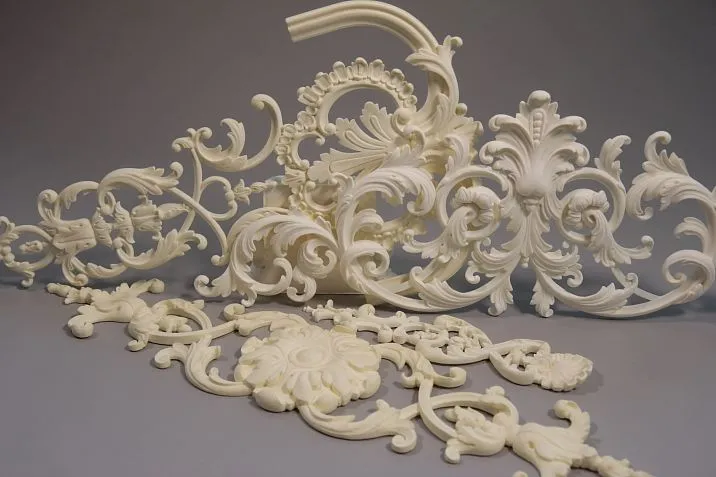
You’ve ever noticed how the perception of a room changes when your gaze is directed upward toward the ceiling? It is precisely there, at the zenith of the space, that the true magic of interior design is born. Ceiling molding under a chandelier becomes the missing element that transforms ordinary lighting into a majestic composition worthy of royal chambers.
The art of decorating the ceiling space around the central light fixture requires special delicacy and a deep understanding of architectural proportions. Every detail here matters — from the diameter of the outlet to the depth of the relief, from the choice of ornament to harmony with the overall style of the room. Modern designers and architects increasingly turn to this classic technique, finding fresh interpretations and unexpected solutions.
Polyurethane decorative elements have ushered in a new era in ceiling design. This revolutionary material combines the lightness of foam with the strength of stone, allowing for the creation of complex compositions without the risk of collapse or deformation. Modern molding technologies have reached such a level of perfection that finished products surpass even handcrafted masterpieces of past centuries in detail.


Ceiling outlets: the focal point of interior composition
Ceiling outlets are the quintessence of decorative art, embodied in round or oval elements that frame the chandelier like a precious setting encases a diamond. Their sizes range from miniature 15-centimeter models for intimate spaces to majestic 150-centimeter giants for spacious halls and ballrooms.
The ornamental richness of modern outlets is breathtaking. Classic motifs — acanthus leaves, roses, laurel wreaths — intertwine with geometric patterns and abstract compositions. Each outlet becomes a miniature work of art capable of setting the tone for the entire interior.
Installing polyurethane outlets differs fundamentally from mounting heavy plaster analogs. Special adhesive compounds ensure secure fixation without the need for drilling or mechanical fasteners. This is especially important in modern homes with suspended ceilings, where any damage to the fabric is unacceptable.




Ceiling decorative elements: symphony of forms and textures
Modern Ceiling molding under a chandelier does not limit itself to outlets alone. Ceiling decorative elements include numerous components that together create a unified harmonious composition. These may be radial panels radiating from the central outlet, ornamental inserts creating a rhythmic pattern, or complex geometric compositions that transform the ceiling into a work of architectural art.
Modular systems have gained particular popularity, allowing for combining various elements depending on the size of the room and the designer’s concept. The central outlet may be supplemented with concentric rings creating a wave-like effect or radial elements emphasizing the radial symmetry of the composition.
Innovative manufacturing technologies allow creating elements with variable relief depth, adding dynamism and volume to the composition. The play of light and shadow on such surfaces creates a constantly changing image, especially effective when using dimmable lighting.
Our factory also produces:


Polyurethane Cornices: The Frame of Perfection
Polyurethane cornices play the role of an architectural frame that unifies the ceiling composition with the overall room space. They create a smooth transition from walls to ceiling, visually increase the height of the room, and give the interior a finished look.
The variety of cornice profiles allows selecting the ideal solution for any style. Classic variants with rich ornamentation emphasize the grandeur of baroque and empire interiors. Minimalist geometric profiles harmoniously fit into modern minimalist spaces. Cornices with floral motifs perfectly complement interiors in the modern or Provence styles.
The technical characteristics of polyurethane cornices make them a universal solution for any operating conditions. The material is not subject to thermal deformation, does not fear moisture, and does not require special maintenance. The service life of quality products is measured in decades without losing their original appearance.
Get Consultation
Ceiling moldings: accents and transitions
Ceiling moldings are linear decorative elements that can be used independently or in combination with other types of molding. Their main function is to create visual accents and smooth transitions between different zones of the ceiling space.
In the context of ceiling design under a chandelier, moldings perform a special role. They can create geometric frames around the central composition, divide the ceiling into functional zones, or form complex ornamental patterns. Radial placement of moldings from the central rose creates a sunbeam effect, especially effective under proper lighting.
Flexible polyurethane moldings allow creating curved compositions — circles, ovals, complex geometric shapes. This opens up boundless opportunities for design creativity and creating unique interior solutions.
Stylistic directions in ceiling design under a chandelier
Palatial Classicism
Classic style in design Moldings on the ceiling under a chandelier Requires strict adherence to canons and proportions. The central rose must be proportional to the room's dimensions — its diameter is calculated by the formula: length plus width, divided by seven. Ornamentation is based on classical motifs — acanthus, palmettes, laurel wreaths, roses.
Color scheme traditionally is based on white with possible gold accents. Gold leaf is applied to protruding ornament elements, emphasizing their volume and creating a luxurious sheen. Such design is ideal for grand parlors, dining rooms, and halls.
Baroque opulence
Baroque allows maximum decorative opulence. Large roses up to 120 centimeters in diameter with multi-level relief, abundance of decorative details, complex compositions of multiple concentric elements — all this creates an atmosphere of palace luxury.
A distinctive feature of the baroque style is asymmetry within symmetry — the overall composition is strictly centered, but individual decorative elements may have asymmetrical details. This creates dynamism and prevents the eye from getting bored by excessive order.
Modern minimalism
Minimalist approach to moldings on the ceiling under a chandelier Involves using simple geometric forms and minimalist profiles. Circular or square roses with minimal relief, strict lines, absence of excessive ornamentation — these are the main principles of this direction.
Color scheme is usually monochromatic — white on white or contrasting black and white. This approach allows preserving the functional aspect of the decorative element — framing the chandelier and creating a visual center — without overloading the space with excessive details.
Neo-classical elegance
Neoclassicism represents a compromise between classical opulence and modern restraint. Traditional ornamental motifs are simplified and stylized, retaining recognizability while acquiring a modern sound.
Element sizes in neoclassical style are usually larger than classical canons — this is due to the increased size of modern rooms and the need to match their scale. The color palette expands through the use of pastel shades and noble gray tones.
Technical aspects of installation and operation
Preparation Work
Quality installation Moldings on the ceiling under a chandelier It begins with careful surface preparation. The ceiling must be perfectly flat — any irregularities will be visible after installing decorative elements. The surface is cleaned of dust, grease stains, and remnants of old coatings.
Special attention is paid to marking. The center of the ceiling is determined by the intersection of diagonals, from which the entire composition is built. Using a laser level significantly simplifies the marking process and ensures accurate installation.
Adhesive compositions and mounting technology
Modern polyurethane adhesives provide reliable adhesion of decorative elements to any type of ceiling surface. The adhesive is applied with a notched trowel in an even layer over the entire surface of the element. The open time is 5-10 minutes, allowing adjustment of the element's position if necessary.
Pressing is done evenly across the entire surface of the element. For large roses, temporary fixation with supports may be required until the adhesive fully dries. The setting time is 2-4 hours, and full polymerization occurs over 24 hours.
Electrical installation work
Installation Moldings on the ceiling under a chandelier Often requires adjusting the lighting system. The central hook for the chandelier must be precisely located at the center of the rose. Wiring may need to be extended or relocated if necessary.
Some rose models have built-in channels for concealed wiring. This allows creating complex lighting systems with multiple connection points without compromising the ceiling composition's aesthetics.
Lighting effects and their influence on the perception of molding
Directional lighting
Properly organized lighting can transform a simple rose into a work of art. Directed light from the chandelier creates deep shadows in the ornament's recesses, emphasizing the volume and relief of elements. The interplay of light and shadow constantly changes depending on the time of day and lighting intensity.
Using dimmers allows creating various lighting scenarios — from bright daylight highlighting all decorative details to soft evening light creating a cozy, intimate atmosphere. Each lighting mode reveals new facets of the beauty of molded decoration.
Hidden lighting
Modern technologies allow integrating hidden lighting systems into molded decoration. LED strips placed along the edge of a ceiling rose or in special grooves of cornices create an effect of internal illumination. This solution is especially effective in the evening, when main lighting is dimmed.
Colored backlighting opens new possibilities for decorative styling. RGB strips allow changing the backlight color depending on mood or season, creating a dynamic interior capable of transforming with a single button press.
Combination with various types of chandeliers and lamps
Classic chandeliers
Traditional crystal chandeliers require appropriate framing. Ceiling molding under a chandelier In a classical style with rich ornamentation, it perfectly complements the sparkle of crystal and gilding. The diameter of the rose should be proportional to the chandelier's size — usually 1.5 to 2 times larger than the lamp's diameter.
Color solutions can be either contrasting — a white rose highlights the brilliance of crystal pendants — or tonal — gilded moldings harmonize with gilded chandelier hardware.
Modern designer chandeliers
Avant-garde lamps with unusual shapes require a special approach to selecting molded framing. Simple geometric roses or even complete absence of ornamentation can become an ideal backdrop for showcasing the beauty of modern design.
Contrasting combinations of classical moldings and ultra-modern lamps can create an interesting eclectic interior, where traditions and innovations coexist in harmonious unity.
Multi-level compositions
Complex multi-tiered chandeliers require appropriate scaled framing. Compositions of several concentric roses or a central rose combined with radial elements allow creating a proportionate environment for the lamp.
Color solutions and decorative finishing
Traditional approaches
Classic color solution for moldings — white in combination with gold accents. The white base highlights the purity of lines and architectural expressiveness of elements, while gold details add luxury and grandeur. Gilding can be executed in various ways — from traditional leaf gold to modern metallic paints.
Silver accents create a cooler, aristocratic atmosphere. They are especially suitable in interiors dominated by cool tones and chrome details. Patination adds an element of noble antiquity, creating a sense of historical value.
Modern trends
Modern designers are not limited to traditional color palettes. Contrasting solutions — dark molding on light ceilings or vice versa — create striking accents and highlight architectural details. Black molding looks especially effective in art deco or loft-style interiors.
Colored molding opens new creative possibilities. Pastel shades create a soft romantic atmosphere, bright colors add energy and modernity. Gradient transitions and ombre effects create unique decorative solutions.
Care and longevity of polyurethane molding
Regular Maintenance
Polyurethane molding does not require complex care, but regular cleaning helps maintain it in ideal condition. Dry cleaning with a soft brush or vacuum cleaner with a furniture attachment effectively removes dust from recessed areas. Wet cleaning is done with a slightly damp sponge and mild detergent.
Special attention should be paid to areas where dust accumulates most — usually horizontal surfaces and deep ornament recesses. Using anti-static agents helps prevent rapid dust buildup.
Restoration and renewal
Mechanical damage to polyurethane molding is easily repaired. Small chips and scratches are filled with special putty, after drying the surface is sanded and painted. For more serious damage, individual elements may need to be replaced.
The ability to repaint multiple times allows refreshing the interior without replacing the molding decoration. This is especially important when changing the stylistic concept of a room or simply wishing to refresh the ambiance.
Economic aspects of using polyurethane molding
Initial costs
The cost of quality polyurethane molding is comparable to other decorative finishes, but significantly lower than exclusive handcrafted plaster items. At the same time, the quality of modern polyurethane elements does not fall short of, and in many parameters surpasses, traditional materials.
Ease of installation allows saving on installation work. Many elements can be installed independently with minimal skills and standard tools. This is especially relevant for small elements — roses and moldings.
Long-term savings
The high durability of polyurethane items makes them a worthwhile investment for the long term. The service life of quality molding is measured in decades without the need for replacement or major repairs. Minimal maintenance costs and the possibility of multiple repaints further enhance economic efficiency.
Psychological aspects of perceiving ceiling decoration
Influence on emotional state
A beautifully decorated ceiling with quality molding positively affects a person's psychological state. Harmonious proportions and elegant ornamentation create a sense of order and stability, promoting relaxation and improving mood.
A central rose under a chandelier creates a visual focal point that organizes space and makes it more structured. This is especially important in large rooms, where the absence of a clearly defined center may create a sense of emptiness and discomfort.
Social status and self-esteem
The presence of quality molding in an interior is traditionally associated with high social status and good taste. This creates a positive impression on guests and enhances the self-esteem of owners. Ceiling molding under a chandelier becomes a source of pride and a means of self-expression.
Ecological aspects and safety
Ecological purity of the material
Modern polyurethane used for producing moldings is an environmentally friendly material. It contains no harmful volatile compounds, does not emit toxic substances, and is safe for use in residential spaces. The material is certified for use in childcare facilities and medical facilities.
The long service life of polyurethane products contributes to reducing environmental impact. The absence of frequent replacement reduces waste and resource consumption. The possibility of recycling used items further enhances the material's eco-friendliness.
Fire safety
Polyurethane belongs to the category of flame-retardant materials and does not emit toxic gases when heated. This makes it safe for use near heat and light sources. However, it is important to remember the need to follow fire safety rules when installing electrical lighting systems.
Ceiling decoration under a chandelier is an art that requires knowledge, experience, and refined taste. Modern materials and technologies make this art accessible to anyone who wishes to create a beautiful and harmonious interior. Properly selected and professionally installed molding transforms ordinary lighting into a work of decorative art, creating an atmosphere of luxury and elegance that will delight the eye for years.
STAVROS is a recognized leader in producing high-quality polyurethane molding, offering a wide range of decorative solutions for the most discerning clients. Years of experience, modern technologies, and strict quality control enable STAVROS to create products that will become a decoration for any interior, turning dreams of a beautiful home into reality and confirming the company's reputation as a reliable partner in creating unique decorative solutions.