Article Contents:
Molding is a decorative element in architecture and interior design, used since ancient times to adorn buildings. Its initial use can be traced back to ancient architecture, where molding was used to create complex decorative elements on the facades of temples and palaces. Over time, molding became a popular decorative element in various architectural styles, including baroque, rococo, and neoclassicism.
Types of polyurethane molding:
Polyurethane cornices are a popular choice for ceiling decoration. They can have various patterns and decorative elements, adding elegance and style to the interior. Cornices can be installed in a living room, bedroom, or even a bathroom.
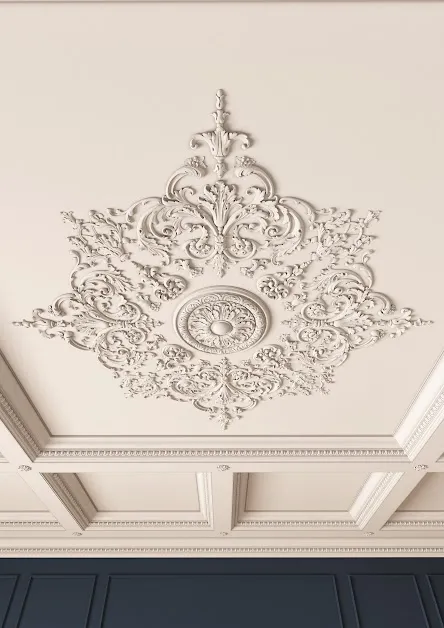
Polyurethane rosettes are used to decorate ceilings and highlight the central lighting element, such as a chandelier. They are available in various shapes and sizes, allowing you to choose the right option for any interior.
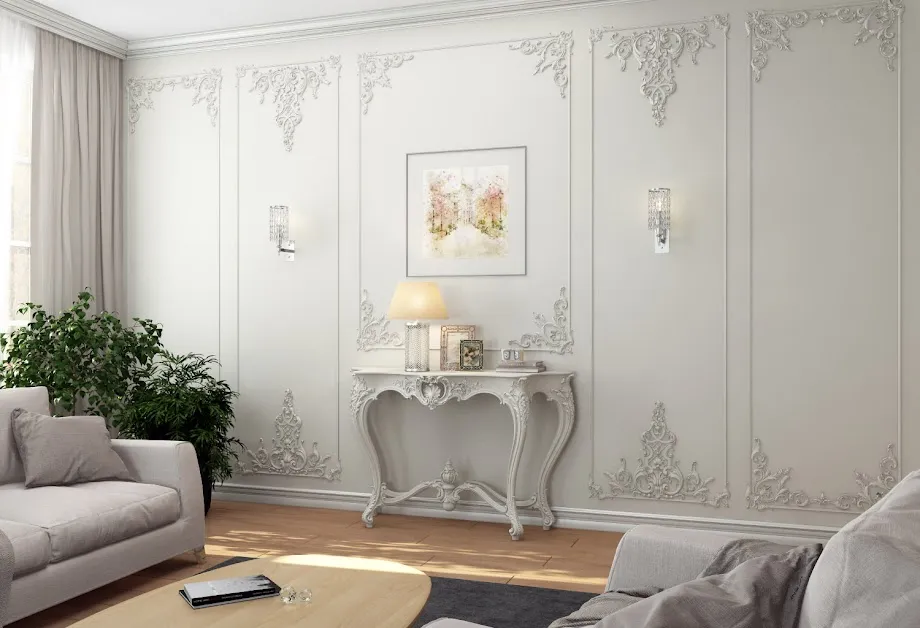
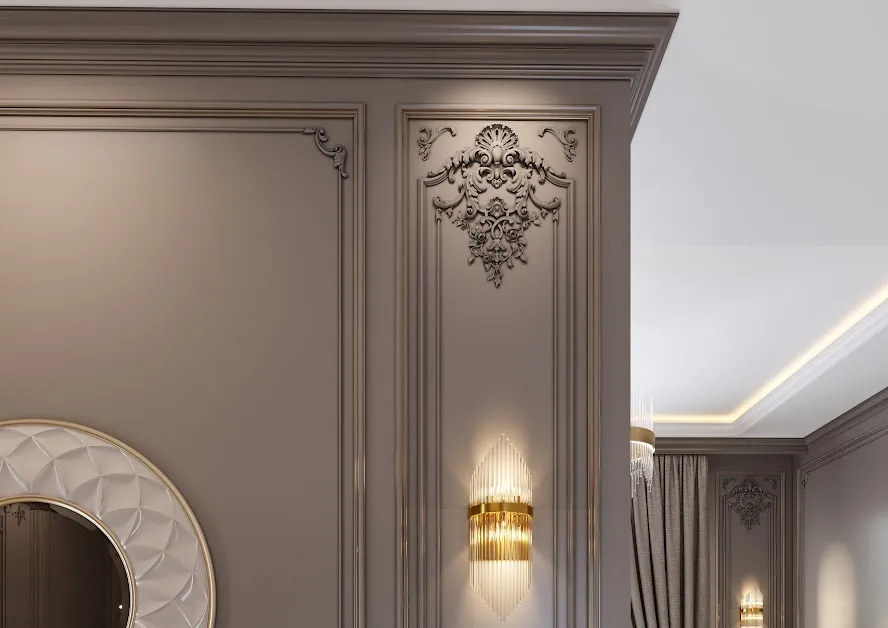
Polyurethane moldings can be used to create decorative elements on walls or columns. This allows you to add elegance and style to the room's interior, turning ordinary walls into works of art.
Polyurethane baseboards and decorative elements help create a finished and elegant look for a room. They can be installed on walls, ceilings, or floors, adding texture and dimension to the interior.
Polyurethane molding is also used to decorate window and door casings. It helps emphasize architectural details and add elegance and refinement to the appearance of doors and windows.
Each type of polyurethane molding has its own advantages and wide range of designs, making it a universal and aesthetic material for interior decoration. When choosing polyurethane molding, it is important to consider the pros and cons of this material.




Features of polyurethane molding
There are various materials for creating molding, such as plaster and wood. But we will talk about polyurethane molding.
Polyurethane is a heterochain polymer. The material is sufficiently strong, flexible, and wear-resistant.
Advantages of polyurethane molding
Polyurethane molding has several advantages over traditional materials such as plaster or wood.
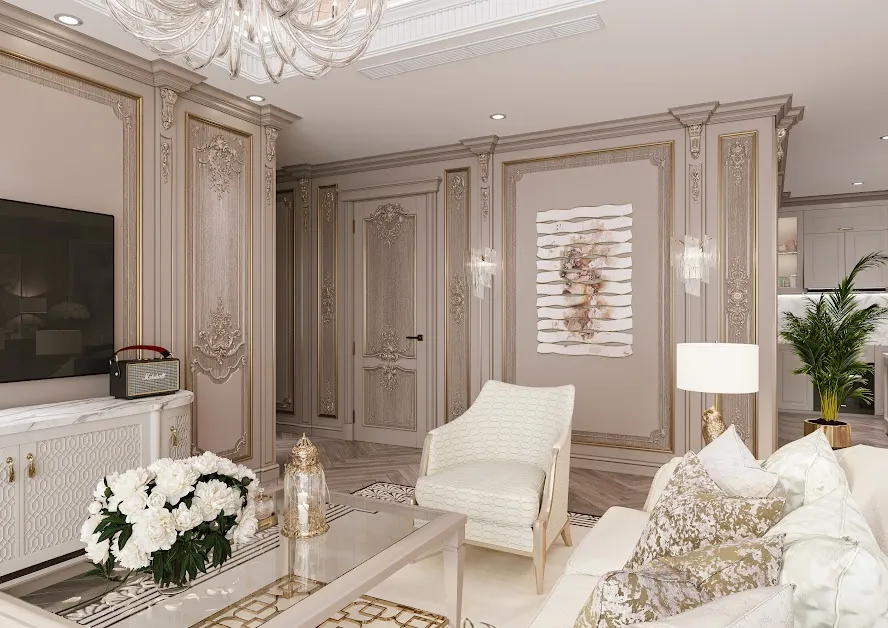
One of the main advantages moldings from polyurethane Its light weight makes installing decorative elements quick and easy. Thanks to special adhesives and fasteners, molding easily attaches to walls, ceilings, and other surfaces, allowing you to achieve a professional result without needing specialists.
Polyurethane molding offers a vast selection of designs and patterns, allowing you to create unique and individual decorative elements for any interior style. Thanks to the variety of shapes and textures, molding can be used to emphasize architectural details, create focal points, or add refined details to the room's design.