Article Contents:
- What Types of Ceiling Molding Are There
- Ceiling Cornices
- Ceiling Rosettes
- Ceiling Moldings
- Additional decorative elements
- How to Choose Ceiling Molding Based on Room Height
- For Low Ceilings (up to 2.5 m)
- For Standard Height (2.5–2.9 m)
- For High Ceilings (from 3 m)
- Which Ceiling Decor to Choose Based on Interior Style
- Classic
- Neoclassicism
- Modern classicism
- Art Deco
- Modern Interior with a Decorative Accent
- How to Choose Ceiling Molding Based on the Room
- Living Room
- Bedroom
- Entry Hall
- Office
- Kitchen
- Commercial interior
- Cornices, rosettes, or moldings: what to choose
- When a ceiling cornice is needed
- When a ceiling rosette is appropriate
- When to use moldings on the ceiling
- When it's better to combine several elements
- How to choose the size of ceiling stucco
- What material to choose for ceiling stucco
- Polyurethane
- What's important when choosing material
- Common mistakes when choosing ceiling stucco
- How to buy ceiling stucco in Moscow without making a mistake
- What else to choose together with ceiling molding
- 10 practical tips when choosing ceiling decor
- FAQ: frequently asked questions about ceiling molding
- Conclusion: the ceiling as an architectural value

The ceiling is the fifth wall of your interior. It sets the tone for the entire space, determining the scale, style, and mood of the room. When the ceiling is properly designed—with cornices, rosettes, moldings, or decorative inserts—the room gains completeness, depth, and character. When the ceiling is empty—even the most expensive furniture and well-thought-out wall finishes lose half their expressiveness.
Ceiling molding in Moscowis experiencing a new wave of popularity today. And it's not just about classical interiors with coffers and gilding—ceiling decor is organically integrated into neoclassical, art deco, and modern apartments where they want to add architectural depth without unnecessary overload. Designers, architects, and apartment owners are once again turning to stucco decor as a tool, not just an ornament.
This article is not an encyclopedia or a catalog. It's a practical guide: how to choose ceiling decor for a specific room, ceiling height, and interior style. How not to buy too much. How not to make mistakes with sizes. How to assemble a complete composition, not a set of random details.
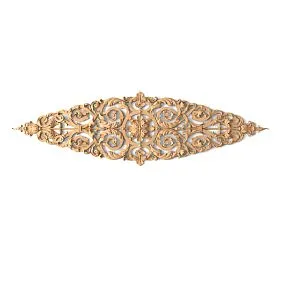

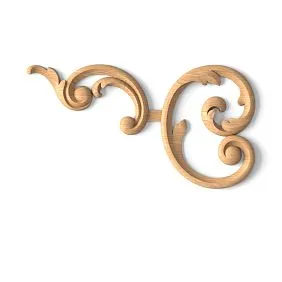
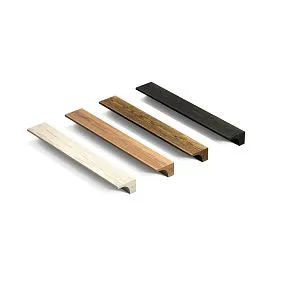


What types of ceiling molding exist
Before choosing—you need to understand what ceiling decor consists of. There are several basic categories of products, and each solves its own task.




Ceiling Cornices
A ceiling cornice is a profile strip mounted at the junction of the wall and ceiling. Any ceiling composition begins with the cornice. It serves several functions at once: it conceals irregularities at the joint, visually 'separates' the ceiling from the walls, forms the architectural frame of the room, and sets its scale.
Ceiling MoldingThey can be simple—with a clear geometric profile and no ornament—or complex, with multiple steps, flutes, acanthus leaves, or meanders. A narrow cornice 40–60 mm high emphasizes the ceiling height and does not overload the space. A wide cornice 150–200 mm high creates intimacy and monumentality, characteristic of classical halls.
An important nuance: the cornice sets the tone for the entire interior. If a complex profile with active relief is chosen—it requires a corresponding continuation in rosettes, moldings, and wall decor. It does not tolerate bland surroundings.
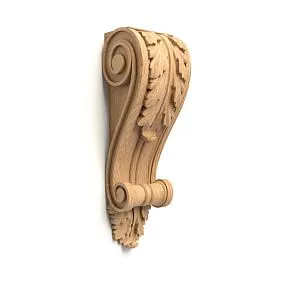
Our factory also produces:




Ceiling Rosettes
A rosette is the central decorative element of the ceiling. It is located at the chandelier suspension point or in the geometric center of the ceiling plane and serves as a visual accent.Polyurethane ceiling rosettesThey can be round, oval, square, multi-level—with concentric rings, petals, ornamental bands, floral motifs, or strict geometry.
A rosette is not just a 'cover for the chandelier hook.' It is an independent architectural statement. In a classic interior, it draws the eye and establishes the vertical axis of symmetry in the room. In a modern space—it works as a focal point against a minimalist background.
The diameter of the rosette should be proportionate to the room and the light fixture. A rosette that is too small gets lost. One that is too large overwhelms. More on this in the section about sizes.
Get Consultation
Ceiling moldings
Moldings are decorative profile strips used to create frames, zone ceilings, and build symmetrical geometric compositions. They can frame a rosette, divide the ceiling into coffers, or form rectangular or square cartouches, giving the space a palatial strictness or baroque opulence.
Moldings for interior—one of the most versatile tools of ceiling decor. A thin molding with a simple profile works even in modern interiors, adding a touch of architectural lightness. A wide molding with developed relief is suitable for classic and neoclassical styles.
Additional decorative elements
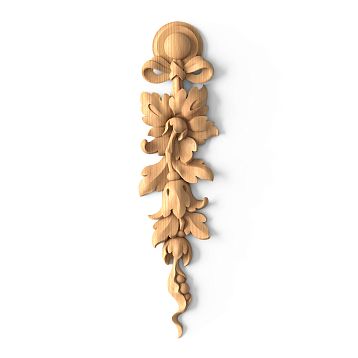
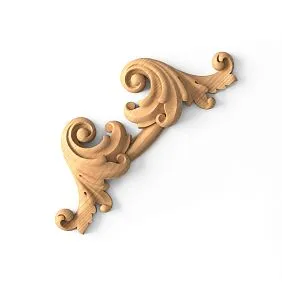
This category includes corner elements, decorative inserts, ornamental overlays, cartouches, brackets, corner rosettes, and decorative friezes. They complement the main composition, give it completeness, and allow for creating complex multi-level solutions.
ceiling decor— it's always a system, not a collection of random details. Corner elements coordinate with the cornice in width and relief. Inserts — with the overall ornamental code. Only then does the ceiling look like an architectural statement, not like decorative chaos.
How to choose ceiling molding based on room height
Ceiling height is the first and main parameter from which any selection begins. It determines the scale of the decor, the permissible width of the cornice, the appropriateness of the rosette, and the depth of the relief.
For low ceilings (up to 2.5 m)
Here the principle of minimalism works. A narrow cornice — no wider than 60–70 mm — creates a neat transition without visually 'lowering' the ceiling. The relief should be calm: a simple rounded profile, clear geometry without overloaded ornamentation. A rosette — if needed at all — should be small, with a diameter of no more than 20–25 cm. No coffers, no multi-tiered cornices.
The main enemy of a low ceiling is the massiveness of the decor. A wide cornice with active relief in a room with a 2.4 m ceiling literally presses down on a person. Psychologically, this is felt as a lack of air.
A good solution for low ceilings is a thin molding framing only the central zone and a small, neat rosette for the chandelier. This is enough so that the interior doesn't look empty, but also doesn't seem overloaded.
For standard height (2.5–2.9 m)
This is the most common range for city apartments. Here a significantly wider choice opens up. A cornice 80–120 mm wide with moderate relief looks organic and doesn't overwhelm the space. A rosette 30–40 cm in diameter in the center of the ceiling creates the necessary accent.
You can combine perimeter cornices with a central rosette—this is a classic and always winning scheme. If desired, add a rectangular cartouche made of moldings around the rosette, which creates a stricter architectural logic.
For high ceilings (from 3 m)
Here, ceiling decor can be large-scale. Wide cornices with developed profiles, complex multi-tiered rosettes, coffered divisions with moldings—all of this is appropriate and necessary to prevent the high space from looking empty and cold.
Ceiling moldingsFor high rooms—this is not just decor, it's architectural scale. A cornice 180–200 mm high with deep relief, a large rosette 60–80 cm in diameter, cartouches made of moldings, corner ornamental elements—such a solution turns the ceiling into a true architectural object.
Which ceiling decor to choose based on interior style
Interior style is the second key filter when choosing stucco. The same cornice or rosette can organically fit into classic style and be completely unsuitable for modern minimalism. Let's examine the main stylistic directions.
Classic
Classic interior requires decor with developed relief, plant and architectural ornaments: acanthus, meander, egg-and-dart, dentils, laurel garlands. Cornice—wide, multi-tiered, with active detailing. Rosette—complex, with several ornamental bands. Moldings form strict rectangular coffers.
Color—traditionally white or with gilded details. The ceiling composition is symmetrical and strictly follows the geometry of the room. There is nothing random here—every element is in its place.
Neoclassicism
Neoclassicism is classic with a modern interpretation. Ornament is restrained, lines are cleaner, relief is less massive. Cornice—moderate, with a clear profile, but without excessive detailing. Rosette—geometrically correct, with a clear rhythm of ornament.
Ceiling stucco in MoscowFor neoclassical projects, it's one of the most popular requests among designers. This is a style where form is more important than opulence: molding should structure the space, not overload it.
Modern classic
Modern classic synthesizes the rigor of geometry and conciseness of forms with traditional decorative elements. Simple cornices with a pronounced profile, restrained rosettes with minimalist ornamentation, and moldings without overloaded details are appropriate here.
The color palette is neutral: white, cream, gray. The decor works to structure the space, not to create a 'rich ceiling' effect.
Art Deco
The Art Deco style implies geometric clarity, contrast, and a combination of straight lines with smooth curves. Rosettes with radial symmetry, cornices with zigzag or stepped profiles, moldings with geometric inserts—all of this fits into the logic of Art Deco.
Material and color here are no less important than form. The decor can be painted in dark tones, coated with bronze, or contrast with the ceiling color.
Modern interior with a decorative accent
It might seem that there is no place for molding in a modern minimalist interior. But that's not the case. One precise accent—a small rosette under the chandelier or a thin molding along the perimeter of the ceiling—can add an architectural dimension even to the most concise space.
The main rule: one accent instead of a system. There's no need to build coffers in a modern Scandinavian apartment. A neat rosette and a thin cornice with a simple profile are enough.
How to choose ceiling molding by room
Each room has its own function, its own atmosphere, and its own requirements for decor. What is appropriate in the living room may be excessive in the hallway or inappropriate in the kitchen.
Living Room
The living room is the main formal space of the apartment. It is here that the ceiling decor unfolds to its full potential. A cornice along the perimeter, a large rosette under the central chandelier, moldings forming frames—all of this works organically in the living room and creates a sense of a complete architectural solution.
Ceiling decor in MoscowIn the living room, it can be the most extensive: complex multi-level rosettes, wide cornices, cartouches made of moldings are permissible here. The main thing is proportionality to the area and height of the room.
Bedroom
In the bedroom, ceiling decor should work differently—softer, more intimate, without excessive opulence. A moderate cornice, a neat rosette for a chandelier or a sconce accent are appropriate here. The ornament should be calm, without sharp geometric contrasts.
A good solution for a bedroom is a rosette with a floral motif combined with a simple cornice. This creates the necessary softness of atmosphere without overload.
Entryway
The hallway most often has limited area and standard height. Here, ceiling decor should be minimal: a thin cornice along the perimeter or a small rosette in the center. Complex multi-level solutions do not work here—they visually reduce the already small space.
Office
The study is a space for concentration and work. Ceiling decor here should be restrained and strict: a clear geometric cornice, a modest rosette without active ornamentation. Excessive decorativeness in the study is distracting and creates a sense of pomposity, inappropriate in a business context.
Kitchen
In the kitchen, ceiling decor is used less often than in living rooms. But a thin cornice with a simple profile along the perimeter of the ceiling looks quite appropriate here—especially if the kitchen has a significant area and is combined with a living room or dining room. It is important to choose materials with moisture-resistant properties.
Commercial interior
Restaurants, hotels, representative-class offices, banks—in commercial spacesCeiling moldingworks as a tool for status positioning. Here, the scale of the decor is determined by the project's concept and the brand's objectives.
Cornices, rosettes, or moldings: what to choose
One of the most common questions when choosing ceiling decor is: what exactly is needed—a cornice, a rosette, or moldings? Or maybe all at once? The answer depends on the task.
When a ceiling cornice is needed
A cornice is always needed when it's important to define the ceiling boundary, create an architectural perimeter for the room, or conceal irregularities at the wall-ceiling junction. It's a basic element from which any ceiling composition begins—from the most laconic to the most complex.
A cornice is also indispensable in projects with hidden lighting: a wide cornice creates a shelf behind which an LED strip is concealed, making the light appear to come from behind the architectural element—this is one of the most effective techniques in modern interior lighting.
When a ceiling rosette is appropriate
A rosette is needed when there is a chandelier or a large pendant light in the center of the ceiling. It covers the mounting assembly, masks the wiring, and creates a decorative accent that anchors the vertical axis of the space. Without a rosette, the chandelier's suspension point looks technical and unfinished.
Beyond its function, a rosette possesses independent decorative value: in the correct scale and with a suitable pattern, it becomes the main ornament of the ceiling.
When to use moldings on the ceiling
Moldings for interiorMoldings are used on the ceiling when it's necessary to create a geometric structure: dividing the plane into zones, rectangular coffers, frames around a central element. Moldings are especially appropriate in tall and spacious rooms where an empty ceiling plane looks monotonous.
When is it best to combine several elements
A full ceiling composition — a cornice around the perimeter, moldings in the form of frames, a rosette in the center — is a classic solution that works in any formal space. It is important that all elements belong to the same stylistic code and are proportionate to the room.
Do not mix Baroque cornices with minimalist moldings or fit a heavy multi-level rosette into a modest one-room apartment. Decor should be a system, not a collection of random finds.
How to choose the size of ceiling molding
Choosing the right size is one of the most technically important aspects that is often overlooked when selecting decor independently. The wrong scale — and even the most beautiful molding will look out of place.
The width of the cornice is determined by the ceiling height. General rule: the width of the cornice in millimeters should be approximately 1/25–1/30 of the ceiling height in millimeters. For a 2.7 m ceiling, the optimal cornice width is 90–110 mm. For a 3.5 m ceiling — 120–150 mm.
The diameter of the rosette correlates with the area of the room. For a room up to 15 sq. m — diameter 25–35 cm. For a room 20–30 sq. m — 40–55 cm. For spacious living rooms over 30 sq. m — from 60 cm and more.
The size of the rosette and the chandelier are an inseparable pair. The rosette should be somewhat larger than the base of the light fixture, but not visually overwhelm it. If the chandelier has a wide base — the rosette should extend beyond its edges by at least 5–8 cm. If the chandelier is spot or pendant — the rosette can be larger and more independent.
Relief depth is an equally important parameter. For low ceilings, deep relief (more than 30–40 mm) creates excessive shadow and makes the element too 'heavy'. For high rooms, on the contrary, deep relief enhances volume and is perceived organically.
Moldings for coffers are selected by width in proportion to the size of the cartouches: too wide a molding on a small frame looks crude, too thin — it gets lost.
Calculation of the number of cornices is done along the perimeter of the room with a 10–15% allowance for trimming at corners. Mouldings for coffers are calculated according to the layout scheme, which is worth drawing up in advance on paper or in a visualization program.
Which material to choose for ceiling moulding
Polyurethane
Polyurethane moulding today is the de facto standard for most interior projects.Polyurethane Itemscombine lightness, precision of relief, and practicality in use.
Key advantages of polyurethane moulding:
-
Light weight. Polyurethane cornices, rosettes, and mouldings weigh several times less than their gypsum counterparts. This simplifies installation and reduces the load on the ceiling structure.
-
Profile precision. Casting in molds ensures perfect geometry — joints are crisp, and the relief is reproduced accurately without distortion.
-
Ease of cutting. Polyurethane is cut with an ordinary wood saw. Angled cuts are made with a miter box. No special tools are required.
-
Moisture resistance. Unlike gypsum, polyurethane is not afraid of humidity, does not delaminate, and does not yellow from dampness. This makes it suitable for kitchens, bathrooms, and rooms with temperature fluctuations.
-
Painting. Polyurethane moulding is supplied ready for painting. After installation, it is painted with acrylic or water-based paints together with the ceiling. This ensures perfect visual unity.
Ceiling Molding Moscowmade of polyurethane is the right choice for both small apartments and large-scale projects: from apartments to commercial spaces.
What is important when choosing a material
In addition to the material composition, pay attention to the following parameters:
-
Density and rigidity. High-quality polyurethane is elastic and dense. A soft, deforming profile is a sign of low-quality raw materials.
-
Precision of joining. Check how two sections of cornice join at 90°: a good product has a tight joint without gaps.
-
Surface for painting. A quality product has a clean, non-coated surface with clear relief, requiring no additional treatment before painting.
-
Cross-section geometry. The support shelves of the cornice must lie in precisely calibrated planes, otherwise gaps and misalignments will appear during installation.
Common mistakes when choosing ceiling molding
Purchasing ceiling decor without understanding the principles of scale and style leads to predictable errors. Here are the most common ones:
1. An overly massive cornice for a low ceiling. A wide cornice with deep relief in a room with a 2.4 m ceiling visually lowers it even further, making the space feel oppressive.
2. A too-small rosette for a large room. A rosette with a diameter of 20 cm in a spacious living room looks random and gets lost against a large chandelier. It should be proportionate to the room.
3. Inconsistent ornamentation. A cornice with acanthus leaves and a rosette with geometric Art Deco are incompatible styles. Moldings should speak the same decorative language.
4. Overloading with ornament in a small room. Several active decorative elements in a cramped space create a sense of chaos. One accent is better than five.
5. Buying without measurements. Choosing based on a photo without real dimensions is a sure path to disappointment. Always measure ceiling height, room perimeter, and chandelier size before ordering.
6. Not accounting for corner geometry. Cornices join at 45° angles. If the miter cut isn't calculated in advance, part of the material will go to waste. Allow for a 10–15% margin.
7. Lack of a layout plan. Coffer moldings need to be laid out on paper or in an editor before cutting and gluing. Without a plan, the proportions of the coffers often turn out wrong.
8. Ignoring ceiling-wall unity. Ceiling decor should be coordinated with wall moldings, baseboards, and door trims. If the ceiling cornice is 'classical' and the wall elements are 'neutral,' the interior looks unfinished.
9. Mismatch in scale with the chandelier. The rosette is chosen considering the size of the light fixture. A huge chandelier with a small rosette is a visual absurdity.
10. Choosing decor without understanding the overall concept. Moldings are part of the interior story. Before buying, understand: what style, what materials, what color scheme, what character the entire space has. Only then does the decor become organic.
How to buy ceiling molding in Moscow and not make a mistake
The correct sequence of actions when buying ceiling decor:
Step 1. Determine the room. Living room, bedroom, hallway, study — each room requires its own approach. Start by understanding the function of the space and its atmosphere.
Step 2. Measure the ceiling height. This is the starting point for choosing the cornice width and the scale of the rosette. Without this parameter, any choice is intuition, not calculation.
Step 3. Determine the interior style. Classic, neoclassical, art deco, modern classic — each style has its own requirements for relief, shape, and ornament saturation.
Step 4. Choose the type of elements. Only cornice? Cornice and rosette? A full system with moldings and decorative inserts? This depends on the budget, area, and design task.
Step 5. Select the sizes. Cornice width — according to the ceiling height. Rosette diameter — according to the room area and chandelier size. Moldings — according to the layout scheme.
Step 6. Calculate the quantity. Perimeter × 1.15 for cornices. Coffer scheme for moldings. Number of accent points for rosettes and decorative elements.
Step 7. Order as a set. Piecemeal purchase of one or two elements at different times is a risk of batch, shade, and profile mismatch.Buy ceiling molding in MoscowIt's better to buy as a set right away — this guarantees material uniformity and avoids surprises during installation.
What else to choose together with ceiling molding
Ceiling decor is part of a system. To make the interior look like a unified architectural statement, not a collection of separate purchases, it's important to plan the accompanying elements in advance.
Wall moldings coordinate in style and relief with the ceiling cornice. They form decorative frames on walls, divide the plane into zones, and create paneling.decorative moldingson walls in combination with a ceiling cornice — this is a complete architectural system.
Baseboards complete the vertical axis of decor: cornice at the top, baseboard at the bottom. They should be maintained in the same style. If the cornice is classical — the baseboard should also have a pronounced profile, not be a simple rectangular block.
Door trims and pilasters continue the architectural logic of the interior.pilasters and columnsin a classical interior echo ceiling rosettes and cornices, creating vertical accents that connect the ceiling and floor.
Elements for lighting. If hidden lighting is planned in the interior — this needs to be considered when choosing a cornice. A number of profiles provide a shelf for LED strips. Clarify this parameter in advance when purchasing.
Furniture decor in a classical interior — overlays, rosettes, moldings on facades — should be coordinated in style with the ceiling decor.wooden interior decorPolyurethane and polyurethane ceiling elements can work together if they belong to the same decorative code.
10 practical tips for choosing ceiling decor
-
Start by measuring the ceiling height — this determines the scale of the entire decor.
-
For low ceilings (up to 2.5 m), choose a cornice no wider than 60–70 mm.
-
Select the rosette diameter based on the size of the chandelier and the area of the room.
-
First, determine the main element (cornice or rosette), then select additional ones.
-
Do not mix different ornamental codes — classic with art deco, baroque with minimalism.
-
Create a layout diagram on paper before ordering moldings for coffers.
-
Buy the entire set in one batch — this guarantees material uniformity.
-
Consider a 10–15% reserve for trimming when calculating the amount of cornices.
-
Evaluate the decor in the context of the entire room — together with the walls, furniture, lighting.
-
For large spaces, create a full-fledged ceiling composition, not a single accent.
FAQ: frequently asked questions about ceiling molding
Which molding is better suited for a ceiling in an apartment?
For city apartments, polyurethane products are optimal: they are lightweight, precise, convenient to install, not afraid of humidity, and take paint well. Polyurethane cornices and rosettes are visually indistinguishable from plaster ones but are significantly easier to work with.
What to choose for the ceiling: cornice or rosette?
It depends on the task. A cornice is always needed — it structures the space and frames the perimeter. A rosette is needed where there is a central light fixture. In most living spaces, a combination of both elements is optimal.
Is ceiling molding suitable for low ceilings?
Yes, but with scale limitations. For ceilings up to 2.5 m, choose narrow cornices with a laconic profile and small rosettes. Avoid wide multi-tiered cornices and complex coffered systems — they visually reduce the height.
How to choose a rosette for a chandelier?
The ceiling medallion diameter should be 5–10 cm larger than the base of the chandelier. The medallion's ornament should match the style of the light fixture. For large chandeliers — large medallions with rich relief. For minimalist pendant lights — restrained, geometric medallions.
Can stucco be used in modern interiors?
Yes, but in moderation. One precise element — a small medallion or a thin cornice with a simple profile — adds an architectural dimension to a modern interior without archaism. The main thing is not to overload.
What size ceiling cornice should I choose?
Use the ceiling height as a guide: approximately 1/25–1/30 of the height in millimeters. For a 2.7 m ceiling — a 90–110 mm cornice. For a 3.2 m ceiling — 120–140 mm. For a 4 m ceiling and above — from 150 mm.
How does ceiling molding differ from wall molding?
Ceiling molding is designed for mounting to a horizontal plane or in the corner between the wall and ceiling. It has different proportions, viewing angles, and a system of mounting shelves. Wall molding — moldings, pilasters, trims — is mounted vertically. They form a unified decorative system but are technically different.
Does molding need to be painted after installation?
Polyurethane products are supplied ready for painting. After installation and filling of joints, they are painted together with the ceiling. This ensures visual unity and solidity. Painting also hides traces of adhesive and emphasizes the relief.
Is ceiling decor suitable for the kitchen and hallway?
In the kitchen, a thin cornice with moisture-resistant properties is appropriate — polyurethane is ideal. In the hallway — minimal decor: a small medallion or a narrow cornice. Complex multi-tiered systems are excessive in small spaces.
Where to buy ceiling molding in Moscow?
Buy ceiling decor in Moscowwith a quality guarantee, wide assortment, and delivery across Russia can be found at the manufacturer — STAVROS company. Here you'll find cornices, rosettes, moldings, and decorative elements in a unified style, suitable for any project — from a small apartment to a large-scale commercial facility.
Conclusion: the ceiling as an architectural value
Properly selected molding is not just decoration. It's a way to give a space scale, style, and completeness. A ceiling cornice forms the architectural perimeter. A rosette holds the vertical axis. Moldings structure the plane. All together — it's a system that transforms an ordinary room into an interior with character.
The choice begins with ceiling height, goes through style, and ends with precise dimensions. Mistakes occur where people rush, choose from a photo without measurements, or try to assemble an interior from incompatible elements. A conscious approach, accurate calculation, and competent selection — that's what turns buying decor from a gamble into a confident professional decision.
STAVROS — a Russian manufacturer of architectural decor with over 20 years of experience. The company offers a full range of products made from polyurethane and wood:Ceiling Molding, ceiling rosettes, Moldings for interior, decorative elements for ceilings and walls. A 2000 sq. m warehouse with constant availability, delivery of a single item across Russia, 246 reviews with a 5.0 rating — these are not marketing promises, but the result of two decades of work. For private customers, designers, architects, and contractors, STAVROS is a reliable partner where you can choose and buy ceiling molding in Moscow with confidence in the quality of every product.